Are you ready to take your gardening skills to the next level? The secret might just be in a simple tool called a garden dibber.
If you’ve ever wondered how to plant seeds at just the right depth for optimal growth, you’re in the right place. Imagine your garden flourishing, with every plant thriving because you’ve mastered this essential technique. It’s not just about planting seeds; it’s about planting them perfectly.
Dive into this guide, and discover how using a garden dibber can transform your planting experience. Get ready to see your garden flourish like never before!

Credit: www.amazon.co.uk
Choosing The Right Dibber
A garden dibber helps you plant seeds at the right depth. Picking the right dibber makes planting easier and more accurate. It saves time and improves seed growth.
There are many dibbers with different materials, sizes, and shapes. Knowing what to look for helps you find the best tool for your garden.
Materials And Designs
Dibbers come in wood, metal, and plastic. Each material has its benefits and downsides. Wooden dibbers are light and easy to hold. Metal dibbers are strong and last long. Plastic dibbers are cheap and come in many colors.
- Wood:Natural feel, good grip, may wear out faster.
- Metal:Durable, sharp point, can rust if not cared for.
- Plastic:Lightweight, affordable, less durable.
Size And Shape Considerations
The size and shape of a dibber affect how deep and wide you plant seeds. Some dibbers have a pointed tip for small seeds. Others have a wider end for bigger seeds or seedlings. The handle should fit your hand well.
| Shape | Best For | Notes |
| Pointed | Small seeds, precise depth | Easy to control depth |
| Wide or conical | Large seeds, seedlings | Creates larger holes |
| Flat handle | Comfortable grip | Reduces hand strain |
Preparing Your Soil
Preparing your soil is key to planting seeds at the right depth. Good soil helps seeds grow strong roots and healthy plants.
Using a garden dibber correctly starts with clearing and loosening the soil. Moisture levels also affect how deep you should plant your seeds.
Clearing And Loosening
Clear the soil surface of weeds, stones, and debris. Loose soil lets the dibber make a clean hole for seeds. This helps seeds settle well and start growing faster.
- Remove all visible weeds and roots
- Pick out stones and sticks from the soil
- Use a garden fork or spade to loosen the soil
- Break up large clumps of earth
- Level the soil surface gently with a rake
Moisture Levels
Soil moisture changes how easily the dibber works. Too dry soil is hard and breaks seeds. Too wet soil can cause seeds to rot.
| Soil Moisture | How It Affects Planting |
| Dry | Hard to pierce, seeds may not settle well |
| Ideal | Soft enough to make holes, seeds stay moist |
| Wet | Soil may clump, seeds risk rotting |
Measuring Seed Depth
Using a garden dibber helps plant seeds at the right depth. Correct seed depth improves germination and growth.
Measuring seed depth with a dibber is simple. You can follow seed packet instructions and adjust for seed types.
Seed Packet Guidelines
Seed packets show how deep to plant each seed. The depth depends on seed size and type.
- Small seeds usually need shallow planting, about 1/4 inch deep.
- Medium seeds may need about 1/2 to 1 inch depth.
- Large seeds often require 1 to 2 inches or more.
- Follow the seed packet for best results.
Adjusting For Different Seeds
Some seeds need special care when measuring depth. Soil type and moisture affect planting depth too.
| Seed Type | Recommended Depth | Notes |
| Carrot | 1/4 inch | Plant shallow in loose soil |
| Bean | 1 to 1.5 inches | Needs firm soil contact |
| Pea | 1 to 2 inches | Can be planted deeper in dry soil |
| Sunflower | 1 to 2 inches | Large seed, needs warmth |

Credit: www.amazon.ca
Using The Dibber Effectively
A garden dibber helps you plant seeds or seedlings at the right depth. It makes planting easier and more precise. Using it properly improves seed growth and plant health.
Learn how to mark planting holes and keep a consistent depth with your dibber. These steps will help your garden grow evenly and strong.
Marking Planting Holes
Use the dibber to make planting holes in the soil. Press it straight down to create a small hole. This helps place seeds or seedlings without disturbing nearby plants.
- Hold the dibber firmly by the handle.
- Place the tip where you want the seed or plant.
- Push the dibber into the soil to make a hole.
- Lift the dibber straight up to keep the hole clean.
- Repeat for all seeds or seedlings.
Maintaining Consistent Depth
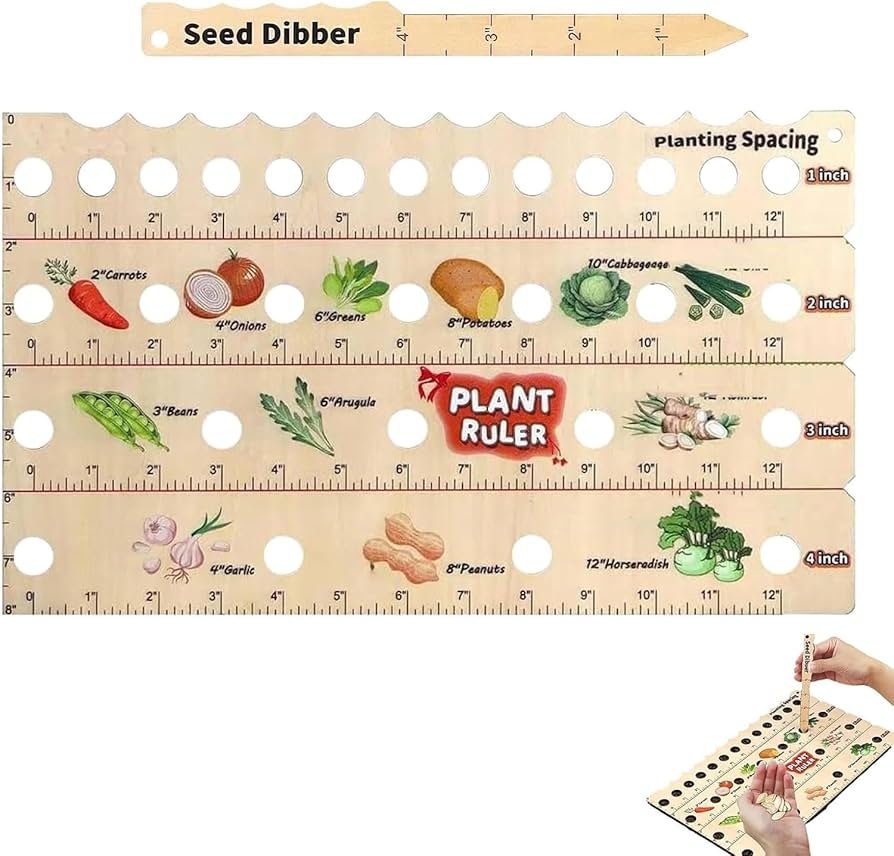
Keeping the same depth for all seeds helps them grow evenly. Your dibber can measure the depth if you use it the right way. Use the marks or notches on the dibber handle if it has them.
| Plant Type | Ideal Depth |
| Carrot | 1/4 to 1/2 inch |
| Tomato Seedling | 1 to 2 inches |
| Pea | 1 to 1.5 inches |
| Lettuce | 1/8 to 1/4 inch |
Tips For Different Garden Types
Using a garden dibber helps plant seeds at the right depth. Different gardens need different dibber techniques.
Here are tips for using a dibber in raised beds, containers, and pots to improve seed growth.
Raised Beds
Raised beds have loose soil that drains well. Use your dibber to make holes that match seed depth on the packet.
Push the dibber straight down and remove it carefully. Make sure holes are evenly spaced for good plant growth.
- Check soil moisture before planting to avoid planting too deep
- Use a dibber with depth marks for accuracy
- Fill holes gently after planting to keep soil firm
Containers And Pots
Containers have limited soil, so avoid planting seeds too deep. Use a small dibber for better control.
Make holes shallow but deep enough to cover seeds with soil. Keep spacing in mind to avoid crowding.
- Use a narrow dibber to fit small pots
- Check seed packet for exact depth
- Water lightly after planting to settle soil
Common Mistakes To Avoid
Using a garden dibber helps plant seeds at the right depth. Many gardeners make simple mistakes that affect seed growth.
Knowing what to avoid can improve your planting success and help your garden thrive.
Planting Too Deep Or Shallow
Planting seeds too deep can stop them from sprouting. Seeds may use all their energy before reaching the surface.
Planting seeds too shallow can dry them out or wash them away. Seeds need the right soil cover to grow well.
- Check seed packet for recommended depth
- Use the dibber to make holes that match this depth
- Cover seeds gently with soil to keep moisture
Overusing The Dibber
Pressing the dibber too hard can compact the soil. This makes it hard for roots to grow and for water to reach seeds.
Making too many holes close together wastes time and can disturb nearby plants. Use the dibber carefully and only where needed.
- Apply gentle pressure when using the dibber
- Space holes according to seed type and plant size
- Avoid creating extra holes in the same area
Maintaining Your Dibber
Taking care of your garden dibber helps it last longer. Good maintenance keeps it working well for planting seeds at the right depth.
Clean and store your dibber properly. Know when it is time to replace it to keep your gardening easy and effective.
Cleaning And Storage
After each use, clean your dibber to remove soil and dirt. This prevents rust and damage, especially for metal dibbers.
- Rinse the dibber with water to remove soil.
- Use a brush to clean hard-to-reach spots.
- Dry the dibber completely to avoid rust.
- Store in a dry place away from moisture.
- Keep it in a shed or garden box to prevent damage.
When To Replace
Replace your dibber if it shows signs of wear. A worn dibber may not make the right holes for your seeds.
| Sign | Reason to Replace |
| Cracks or splits | Can break during use |
| Blunt tip | Cannot make clean holes |
| Rust or corrosion | Weakens the tool |
| Loose handle | Unsafe to use |

Credit: www.amazon.ca
Frequently Asked Questions
What Is A Garden Dibber Used For?
A garden dibber creates uniform holes for planting seeds or seedlings. It ensures consistent seed depth, promoting even germination and growth. Using a dibber helps avoid planting seeds too deep or shallow, improving your garden’s success.
How Do I Measure Seed Depth With A Dibber?
Mark the dibber with depth lines using a ruler and waterproof marker. Insert the dibber to the desired depth based on seed requirements. This method ensures accurate planting depth, which is crucial for proper seed germination.
Can I Use A Garden Dibber For All Seed Types?
A garden dibber works best with small to medium seeds. For very large seeds or bulbs, a dibber may not create the right hole size. Always check seed packet instructions for recommended planting depth and hole size.
How Deep Should I Plant Seeds Using A Dibber?
Plant seeds at a depth about twice their diameter. Use the dibber’s depth markings to ensure precision. Correct depth prevents seed rot and encourages healthy root development.
Conclusion
Using a garden dibber helps plant seeds at the right depth every time. Proper seed depth gives plants the best chance to grow strong. It also saves water and prevents seed waste. Take your time and measure carefully with the dibber.
This small tool makes gardening easier and more fun. Happy planting!