Imagine you’re in the middle of a task, and suddenly, a small oversight becomes a big problem. When working with electricity in wet areas, the stakes are high.
Your safety, and possibly your life, depends on knowing the right precautions. It’s easy to overlook the dangers of mixing electricity with moisture, but understanding these risks can make all the difference. In this guide, we’ll uncover essential tips to keep you safe and confident in any damp environment.
Stay with us to discover how you can protect yourself and ensure a secure workspace, because your safety is worth it.

Credit: www.esfi.org
Risks In Wet Environments
Working with electricity near water is very dangerous. Water can cause electric shocks or fires. Knowing the risks helps keep you safe.
Wet environments make electrical systems less safe. You must be careful to avoid accidents and damage.
Common Electrical Hazards
Electric shocks happen when electricity passes through the body. Wet skin lowers resistance and increases shock risk.
- Exposed wires can cause shocks or short circuits.
- Damaged insulation lets water enter electrical parts.
- Improper grounding raises the chance of electric shock.
- Using electrical tools with wet hands increases danger.
- Overloaded circuits may spark fires in wet areas.
Effects Of Water On Electrical Systems
Water can cause corrosion and rust on metal parts. This weakens electrical connections and safety features.
| Effect | Description | Risk Level |
| Short Circuits | Water bridges conductors, causing faults | High |
| Corrosion | Metal parts degrade, reducing safety | Medium |
| Insulation Damage | Water penetrates and breaks insulation | High |
| Equipment Failure | Water causes malfunction or breakdown | High |
| Electric Shock | Water conducts current through the body | Critical |
Protective Gear And Equipment
Working in wet areas creates a higher risk of electrical shocks. Using the right protective gear helps keep workers safe. This gear includes tools and equipment designed to prevent accidents.
Wearing and using proper safety items reduces the chance of injury. Here are key types of protective gear to use in wet conditions.
Insulated Tools
Insulated tools have special coatings that block electricity. They protect workers from electric shocks by stopping current from passing through the tool to the user. These tools should be tested and certified for safety.
- Use tools with insulated handles made for electrical work
- Check insulation for cracks or damage before use
- Replace tools that show wear or broken insulation
- Only use insulated tools near wet surfaces or live wires
Waterproof Protective Clothing
Waterproof clothing keeps your body dry and prevents electricity from passing through wet clothes. It includes gloves, boots, and suits made from non-conductive materials. Wearing this clothing lowers the risk of electric shock in wet areas.
| Protective Clothing | Main Feature | Use |
| Rubber Gloves | Waterproof and insulated | Protect hands from shocks |
| Rubber Boots | Non-conductive soles | Prevent grounding through feet |
| Waterproof Suits | Full body coverage | Keep body dry and insulated |
Ground Fault Circuit Interrupters (gfcis)
GFCIs quickly cut off power when they detect a fault. They stop electric shocks by shutting the circuit if current flows outside the normal path. GFCIs are essential for wet areas to protect people from dangerous shocks.
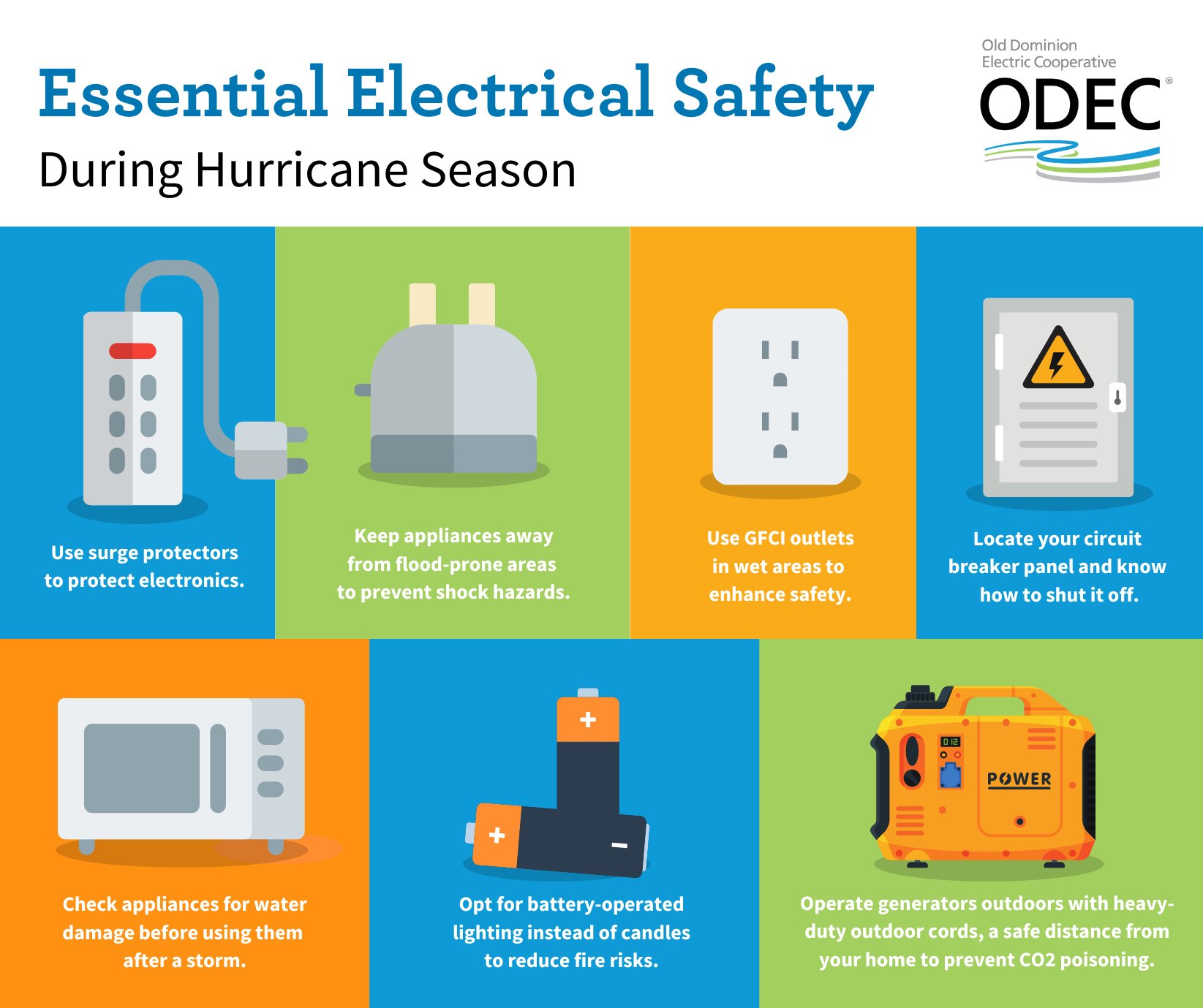
- Install GFCIs on outlets near wet locations
- Test GFCIs regularly to ensure they work
- Replace faulty or old GFCIs immediately
- Use portable GFCIs when permanent ones are not available
Safe Work Practices
Working with electricity in wet areas needs extra care. Water can cause electric shocks.
Follow safety steps to protect yourself and others from hazards.
Pre-inspection Procedures
Before starting work, inspect the area and equipment carefully. Look for signs of water leaks or damage.
- Check for wet floors or puddles near electrical devices
- Ensure all tools have dry and intact insulation
- Verify that protective gear is clean and dry
- Confirm that ground fault circuit interrupters (GFCIs) are working
Avoiding Contact With Live Circuits
Never touch live wires or equipment with wet hands or while standing on wet surfaces. Use insulated tools and wear rubber gloves.
| Safety Tip | Reason |
| Turn off power before work | Prevents electric shock |
| Use insulated mats | Keeps you dry and insulated |
| Wear rubber gloves | Protects hands from current |
| Keep tools dry | Reduces risk of conduction |
Proper Handling Of Electrical Devices
Handle electrical devices with care in wet areas. Avoid damage that can cause short circuits.
- Unplug devices before cleaning or repair
- Store equipment in dry places
- Use covers to protect outlets from moisture
- Report damaged cords or plugs immediately

Credit: x.com
Environmental Controls
Working with electrical equipment in wet areas needs strong safety measures. Environmental controls help reduce risks from water and moisture.
These controls focus on managing water, using barriers, and controlling temperature and humidity to keep workers safe.
Drainage And Water Management
Good drainage stops water from pooling near electrical tools and wires. Water buildup increases the risk of electric shocks.
Water management includes using drains, slopes, and waterproof covers to guide water away from work areas.
- Install floor drains to remove excess water
- Create slopes to direct water flow
- Use waterproof covers on electrical panels
- Regularly inspect and clean drainage systems
Use Of Barriers And Insulation
Barriers stop water from reaching electrical parts. Insulation prevents electric current from leaving wires or devices.
Use plastic or rubber barriers around wet zones. Cover cables with water-resistant insulation materials.
- Place physical barriers between water and electrical equipment
- Use insulated gloves and tools for protection
- Apply waterproof coatings on wires and connectors
- Check barriers and insulation regularly for damage
Temperature And Humidity Considerations
High humidity and temperature changes affect electrical safety. Moist air can cause corrosion and short circuits.
Control room temperature and humidity to reduce risks. Use ventilation and dehumidifiers if needed.
- Keep humidity below 60% near electrical equipment
- Maintain stable temperatures to prevent condensation
- Use fans or air conditioners to improve air flow
- Monitor conditions with sensors and alarms
Emergency Preparedness
Working with electricity in wet areas is risky. Being ready for emergencies can save lives.
Knowing how to act quickly helps reduce injury and damage. This guide covers key emergency steps.
First Aid For Electrical Shock
If someone gets an electric shock, act fast but stay safe. Do not touch the person if they are still in contact with electricity.
- Turn off the power source immediately.
- Call emergency services right away.
- Use a non-conductive object to move the person away from the source.
- Check if the person is breathing and has a pulse.
- Start CPR if trained and necessary.
- Keep the person calm and warm until help arrives.
Emergency Shutdown Procedures
Knowing how to shut down electrical systems quickly is vital. Follow these steps to stop power safely in wet areas.
| Action | Details |
| Locate Main Switch | Find the main power switch or breaker panel. |
| Switch Off Power | Turn off power to the affected area. |
| Use Proper Tools | Wear insulated gloves and use insulated tools if needed. |
| Confirm Power Off | Use a voltage tester to ensure power is off. |
| Report Incident | Inform supervisor or safety officer immediately. |
Training And Drills
Regular training helps workers respond well during emergencies. Drills build confidence and improve safety skills.
Training should include:
- Recognizing electrical hazards in wet areas
- Practicing emergency shutdown steps
- Performing first aid for electrical shock
- Using protective equipment correctly
- Running emergency drills at least twice a year
Drills simulate real situations. They help workers stay ready and reduce panic.
Credit: x.com
Regulations And Standards
Working with electricity in wet areas needs special care. Wet conditions raise the risk of electrical shocks and accidents. Following rules helps keep workers safe and prevents damage.
This section covers important codes and inspections to ensure safety during electrical work in wet places.
Relevant Electrical Codes
Electrical codes set clear rules for working safely in wet areas. They explain how to install and protect electrical systems to avoid hazards.
- The National Electrical Code (NEC) requires ground-fault circuit interrupters (GFCIs) in wet areas.
- Insulation and wiring must be rated for wet locations to prevent water damage.
- All outlets in wet areas must have weatherproof covers to stop moisture entry.
- Equipment used near water must have proper seals and protective enclosures.
Compliance And Inspections
Regular inspections check that electrical work meets safety codes. Inspectors look for proper installation and functioning of safety devices in wet areas.
| Inspection Item | Purpose | Frequency |
| GFCI Testing | Ensure devices trip correctly to prevent shocks | Monthly |
| Wiring Condition | Check for damage or wear in wet-rated cables | Annually |
| Outlet Covers | Verify waterproof covers are intact and secure | Every 6 months |
| Equipment Enclosures | Confirm seals and enclosures prevent water entry | Annually |
Frequently Asked Questions
What Are Key Electrical Safety Tips For Wet Areas?
Always use ground-fault circuit interrupters (GFCIs) in wet zones. Keep electrical tools dry and insulated. Avoid handling devices with wet hands. Inspect cords for damage regularly. Maintain proper drainage to reduce water exposure near electrical setups.
How Does Water Increase Electrical Hazards?
Water conducts electricity, increasing shock risk. It can short-circuit devices and cause fires. Wet environments raise chances of slipping and accidental contact with live wires. Proper insulation and protective equipment reduce these dangers significantly.
Which Protective Gear Is Essential For Wet Area Work?
Wear rubber-soled, insulated boots and gloves. Use waterproof clothing to prevent moisture contact. Safety goggles protect eyes from splashes. Ensure all gear is rated for electrical work and regularly checked for damage.
Why Use Gfcis In Wet Locations?
GFCIs detect ground faults and cut off power quickly. They prevent severe electric shocks. These devices are crucial in bathrooms, kitchens, and outdoor areas. GFCIs enhance safety by automatically shutting down faulty circuits.
Conclusion
Working safely around electricity in wet areas is very important. Water and electricity do not mix well. Always use tools and equipment made for wet conditions. Wear protective gear to avoid shocks. Check wires and outlets often for damage. Stay alert and follow safety rules every time.
Simple steps can prevent serious accidents and save lives. Stay safe by respecting electricity and water risks. Safety first, always.