Are you working on a delicate woodworking project and worried about damaging your finely crafted pieces? If so, learning how to use a mallet effectively can be your secret weapon.
Mastering the art of using a mallet on delicate wood pieces not only preserves the integrity of your work but also elevates the quality of your craftsmanship. Imagine the satisfaction of completing a project where every piece fits perfectly, with no chips or scratches.
You’ll discover practical tips and tricks that will give you confidence in your skills, ensuring your delicate wood projects turn out just the way you envisioned. Ready to transform your woodworking experience? Let’s get started!

Credit: www.reddit.com
Choosing The Right Mallet
Using a mallet for delicate wood pieces needs care and the right tool. Picking the correct mallet helps prevent damage and improves your work.
Different mallets suit different wood types and projects. Knowing which mallet to use makes your woodworking easier and safer.
Types Of Mallets For Woodwork
There are several mallet types for woodworking. Each type fits certain tasks and wood types better.
- Wooden Mallets: Made fully from wood, gentle on wood surfaces.
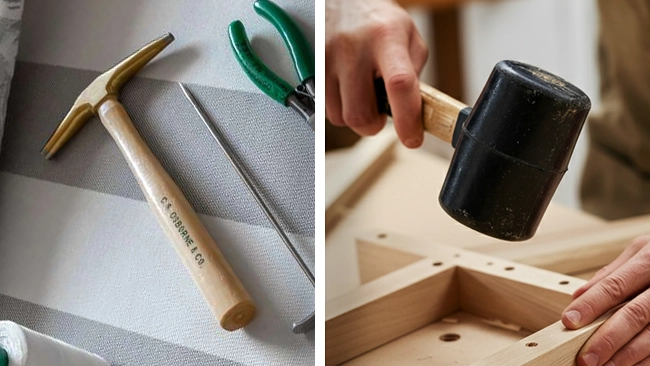
- Rubber Mallets: Soft head, good for light tapping without marks.
- Rawhide Mallets: Covered with leather, used for fine joinery.
- Plastic Mallets: Durable and light, often used in cabinet work.
Material Considerations
The mallet’s material affects how it strikes the wood. Softer materials reduce dents and scratches.
| Material | Best Use | Effect on Wood |
| Wood | Carving and joinery | Gentle, less damage |
| Rubber | Light tapping | Absorbs shock, no marks |
| Rawhide | Fine detailed work | Soft impact |
| Plastic | Assembly and fitting | Firm but less harsh |
Size And Weight Factors
Choose a mallet size and weight that feels balanced in your hand. Too heavy or too light can cause poor control.
Consider these points for size and weight:
- Smaller mallets work well for detailed, delicate tasks.
- Larger mallets give more power but less finesse.
- Medium weight helps maintain control and reduce fatigue.
- Try different weights to find what suits your hand best.

Credit: www.reddit.com
Preparing Your Workspace
Using a mallet on delicate wood needs a safe workspace. Setting up well helps protect the wood pieces.
A tidy and organized area keeps tools handy. It also reduces risks of damage or accidents.
Securing Delicate Pieces
Hold wood pieces firmly to stop them from moving. Movement can cause dents or breakage.
Use clamps or vices with soft pads. This keeps the wood still and safe from marks.
- Place soft pads between clamp and wood
- Check that clamps are tight but gentle
- Test stability before using the mallet
Protective Surfaces And Padding
Work on a surface that cushions the wood. This lowers the chance of scratches or cracks.
Use foam, felt, or thick cloth under the pieces. It absorbs shock from the mallet hits.
- Cover tables with soft padding
- Change padding if worn or thin
- Keep the padding clean to avoid dirt marks
Proper Grip And Stance
Using a mallet on delicate wood pieces needs care and skill. Proper grip and stance help you control the tool well.
This guide explains how to hold the mallet and position your body for the best results.
Hand Positioning Techniques
Hold the mallet firmly but not too tight. Your fingers should wrap around the handle comfortably.
- Place your thumb along the handle for extra control.
- Keep your wrist straight to avoid strain.
- Use your whole arm to swing, not just your wrist.
- Grip closer to the mallet head for delicate taps.
- Adjust your grip based on the wood’s size and hardness.
Body Alignment For Control
Stand with your feet shoulder-width apart for stability. Your body should be relaxed but steady.
| Body Part | Recommended Position | Reason |
| Feet | Shoulder-width apart | Provides balance and support |
| Knees | Slightly bent | Absorbs shock and aids movement |
| Back | Straight but relaxed | Prevents fatigue and injury |
| Arms | Close to body | Improves control and precision |
| Head | Aligned with target | Helps with aim and focus |
Credit: www.trivantage.com
Striking Techniques
Using a mallet on delicate wood needs careful striking. You must control how hard and where you hit.
Good striking keeps the wood safe and helps you shape it well. Learn to use gentle taps and firm hits correctly.
Gentle Taps Vs. Firm Hits
Gentle taps help you move wood pieces little by little. They prevent cracks and dents on soft wood.
Firm hits give more power to shape or join wood parts. Use firm hits only when the wood can handle it.
- Gentle taps are good for delicate or thin wood
- Firm hits work for thick or tough wood
- Start with gentle taps, then add firm hits if needed
- Watch the wood for signs of damage
Controlling Force And Angle
Hold the mallet firmly but not too tight. Control your arm movement to adjust the force.
Strike the wood at the right angle to avoid slipping or damage. Usually, a 90-degree angle works best.
- Use wrist and elbow for smooth, controlled strikes
- Keep the mallet face flat against the wood
- Adjust force by how far you swing your arm
- Change angle slightly for hard-to-reach spots
Avoiding Damage
Using a mallet on delicate wood needs care. Too much force can cause dents or cracks.
Learn to use the right tools and techniques to protect your wood pieces.
Signs Of Overstriking
Overstriking happens when the mallet hits too hard or misses the target. It can damage the wood.
Look for marks like deep dents, splinters, or cracked edges. These show the wood was hit too hard.
- Deep dents or gouges in the wood surface
- Splintered or chipped edges
- Cracks spreading from the hit area
- Uneven or rough spots on the wood
Using Wooden Or Rubber Heads
Wooden or rubber mallet heads are softer than metal. They reduce damage on delicate wood.
Use wooden heads for light tapping and rubber heads for gentle but firm hits. Both protect wood better.
- Wooden heads are smooth and less likely to mark wood
- Rubber heads absorb shock and spread the force
- Both types lessen the risk of dents and cracks
- Choose the head type based on how soft your wood is
Maintenance Tips For Mallets
Using a mallet for delicate wood pieces requires care. Proper maintenance keeps your mallet in good shape. It also helps protect your wood projects from damage.
Regular cleaning and checking for damage extend the mallet’s life. Follow simple steps to keep it working well for years.
Cleaning And Storage
Clean your mallet after each use to remove dirt and wood dust. Use a soft cloth and mild soap if needed. Avoid soaking the mallet in water to prevent wood swelling.
- Wipe the mallet head and handle with a dry cloth
- Use a damp cloth with mild soap for sticky dirt
- Dry immediately after cleaning
- Store in a dry place away from direct sunlight
- Avoid placing heavy items on top of the mallet
Checking For Wear And Tear
Look over your mallet before and after each project. Check the head and handle for cracks or splits. If the mallet shows damage, it may affect your work.
| Part | Signs of Wear | Action |
| Head | Cracks, chips, or dents | Sand smooth or replace if severe |
| Handle | Splits, loose fit | Tighten or replace handle |
| Connection | Loose or wobbly | Secure with glue or clamps |
Frequently Asked Questions
What Type Of Mallet Is Best For Delicate Wood?
A rubber or rawhide mallet is best for delicate wood. These materials prevent dents and distribute force evenly. They provide gentle yet effective tapping without damaging the wood surface. Avoid metal mallets for fragile pieces to ensure precision and safety.
How Do You Hold A Mallet Correctly?
Hold the mallet near the end of the handle for control. Grip it firmly but not too tight. This allows precise, gentle strikes to avoid damaging delicate wood pieces. Proper grip ensures better accuracy and reduces hand fatigue during work.
Can A Wooden Mallet Damage Delicate Wood Pieces?
Wooden mallets can damage delicate wood if too much force is used. Use softer mallets like rubber or rawhide for sensitive tasks. Always test on scrap wood first to gauge impact. Gentle tapping is crucial to prevent dents or splits.
How Much Force Should I Use With A Mallet?
Use light to moderate force when working with delicate wood pieces. Controlled, gentle taps are enough to join or adjust parts. Excessive force risks damaging or splitting the wood. Patience and precision matter more than strength.
Conclusion
Using a mallet carefully protects delicate wood from damage. Choose the right mallet size and material for each task. Hold the mallet firmly but gently to control your hits. Practice on scrap wood to improve your touch and accuracy. Patience and steady hands make a big difference.
With time, you will shape wood pieces with ease and care. Keep these tips in mind for safer, better woodworking results. Your delicate projects deserve careful handling every step of the way.