Imagine putting together your new furniture without the stress of chipped wood or misaligned pieces. Sounds ideal, right?
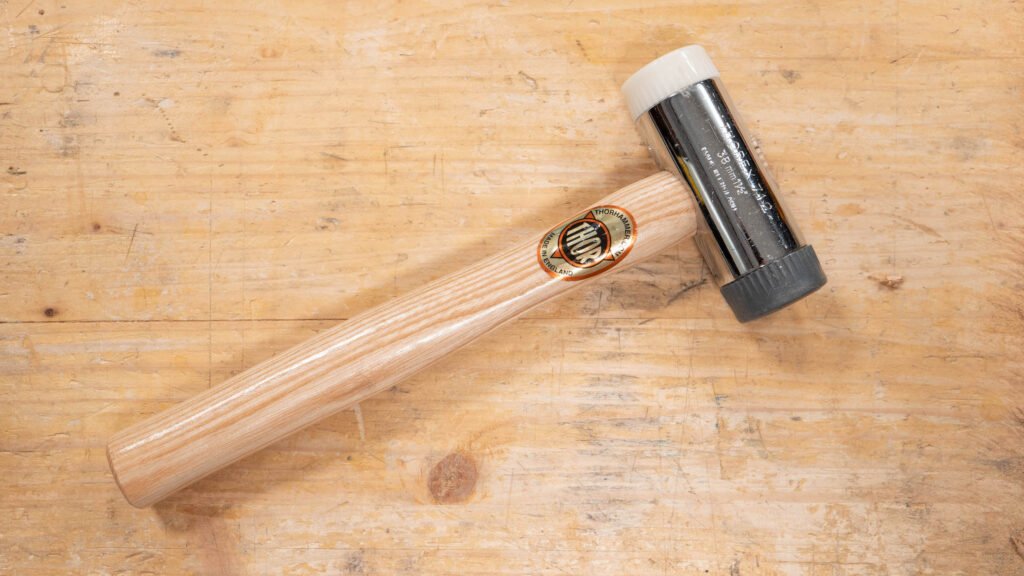
That’s where a mallet comes in handy. Unlike a hammer, a mallet offers a softer touch, ensuring your furniture remains pristine while being securely assembled. You might be wondering how a simple tool can make such a difference. Well, this guide is crafted just for you, unraveling the secrets of using a mallet effectively.
By the end of this article, you’ll feel confident and ready to tackle any assembly task with ease. Dive in, and let’s transform your furniture-building experience!

Credit: www.popularmechanics.com
Choosing The Right Mallet
Using a mallet helps you assemble furniture without damaging the wood. Picking the right mallet makes your work easier and safer.
This guide explains how to choose the best mallet based on type, material, size, and weight.
Types Of Mallets
There are several mallet types for different jobs. Some are softer to protect wood, while others are harder for strong hits.
- Wooden mallets: gentle and common for woodworking.
- Rubber mallets: soft, good for delicate surfaces.
- Plastic mallets: durable and light for light tasks.
- Rawhide mallets: soft and flexible for fine work.
Material Considerations
The mallet’s material affects how much force it delivers. Softer materials reduce damage to wood.
Hard materials give stronger hits but may leave marks. Choose a material that fits your furniture type.
- Wood: good for gentle tapping and control.
- Rubber: protects surfaces and absorbs shock.
- Plastic: lightweight and easy to handle.
- Rawhide: soft, good for sensitive joints.
Size And Weight Factors
The mallet size affects your grip and control. A comfortable size helps you work longer without pain.
Weight changes the force of each hit. Heavier mallets hit harder but tire your arm faster.
- Small mallets are easy to control for fine work.
- Medium mallets balance power and comfort.
- Heavy mallets deliver strong blows but need more strength.

Credit: prohandymannow.com
Preparing For Assembly
Using a mallet helps fit furniture parts without damage. Getting ready is important for smooth assembly.
Prepare your workspace and tools before starting. This saves time and avoids mistakes.
Workspace Setup
Choose a clean, flat area with enough space to move. Good lighting helps you see small parts clearly.
Keep the area free from clutter. A tidy space stops parts from getting lost or damaged.
- Work on a soft surface to protect furniture
- Use a table or sturdy floor space
- Ensure good lighting
- Clear away unnecessary items
Gathering Tools And Materials
Collect all parts and tools before starting. This includes the mallet, screws, and instructions.
Check the mallet is in good condition. A soft-faced mallet is best to avoid marks on wood.
- Mallet (rubber or wooden)
- Screwdrivers or Allen keys
- Furniture parts and hardware
- Assembly instructions
- Measuring tape (optional)
Safety Precautions
Wear safety glasses to protect your eyes from flying debris. Keep fingers clear of striking areas.
Work slowly and avoid rushing. Use the mallet gently to prevent damage and injury.
- Wear safety goggles
- Keep your hands away from striking zones
- Use gentle taps with the mallet
- Keep children and pets away
Techniques For Effective Use
Using a mallet correctly helps you build furniture safely and efficiently. Good technique prevents damage and makes assembly easier.
This guide covers grip, stance, striking methods, and ways to protect your furniture while working.
Proper Grip And Stance
Hold the mallet handle firmly but not too tight. Keep your wrist straight to avoid strain. Stand with feet shoulder-width apart for balance.
- Place your dominant hand near the end of the handle.
- Use your other hand to guide the mallet if needed.
- Bend your knees slightly to absorb the impact.
- Keep your back straight during strikes.
Controlled Striking Methods
Strike with steady, controlled swings rather than fast, wild hits. This helps place parts accurately and reduces mistakes.
- Raise the mallet smoothly without rushing.
- Aim the strike at the center of the joint or dowel.
- Use light taps first to check fit.
- Increase force gradually if needed.
- Stop if you feel resistance or hear cracking sounds.
Avoiding Damage To Furniture
Protect wood surfaces by using a buffer between the mallet and the furniture. Avoid heavy blows that can dent or split material.
| Tip | Reason |
| Use a scrap piece of wood as a buffer | Prevents dents and marks |
| Check for alignment before striking | Reduces risk of splitting |
| Do not hit metal parts directly | Protects mallet head and metal |
| Work on a stable surface | Prevents slips and damage |
Common Challenges And Solutions
Using a mallet to assemble furniture can sometimes be tricky. Some parts may not fit easily or could get damaged.
This guide will help you fix common problems when using a mallet for furniture assembly.
Dealing With Stubborn Joints
Some joints do not fit together easily and need extra force. Using a mallet helps, but be careful not to damage the wood.
If a joint is too tight, tap gently and increase force slowly. Avoid hitting hard at once to prevent cracking.
- Check if the joint has debris or sawdust blocking it.
- Lightly sand edges to smooth rough spots.
- Use a scrap piece of wood as a buffer under the mallet.
- Tap gradually until the parts fit snugly.
Correcting Misaligned Parts
Sometimes furniture parts do not line up correctly. This can cause problems when joining pieces with a mallet.
To fix this, tap lightly on the edge or corner that needs adjustment. Small taps can move parts into place without damage.
- Check the parts for correct orientation before assembly.
- Use gentle taps to nudge parts into alignment.
- Do not force parts if they feel stuck; check for obstacles.
- Use clamps to hold parts steady after aligning.
Handling Delicate Materials
Some furniture pieces use soft or delicate wood. Using a mallet on these requires extra care to avoid dents or marks.
Always use a protective layer, like a cloth or wood block, between the mallet and the furniture surface. Tap gently to protect the material.
- Use a rubber mallet for softer materials when possible.
- Place a scrap piece of wood between the mallet and furniture.
- Tap with light force, increasing only if needed.
- Inspect the surface often to avoid damage.
Maintenance And Care
Taking care of your mallet helps it last longer and work better. Regular maintenance keeps the tool in good shape.
Simple cleaning, proper storage, and knowing when to replace your mallet will save you time and money.
Cleaning Your Mallet
Clean your mallet after each use to remove dirt and dust. This stops damage from building up on the surface.
Use a soft cloth or brush to wipe the head and handle. Avoid soaking wooden parts in water.
- Wipe off dirt with a dry or slightly damp cloth
- Use mild soap for stubborn stains
- Dry the mallet completely before storing
- Do not use harsh chemicals or abrasive tools
Storage Tips
Store your mallet in a dry, cool place away from direct sunlight. This prevents wood from cracking or swelling.
Keep the mallet off the ground to avoid moisture and dirt. Hanging or placing it on a shelf works well.
- Use hooks or pegboards to hang your mallet
- Keep it away from heat sources or damp areas
- Store with other hand tools to avoid damage
When To Replace Your Mallet
Replace your mallet if the head cracks or breaks. A damaged head can harm your furniture and your work.
If the handle becomes loose or splinters, it is time to get a new mallet. A secure grip is important for safety and control.
- Cracks or chips in the mallet head
- Loose or broken handle
- Worn down striking surface
- Malfunction that affects tool performance
Credit: images.thdstatic.com
Frequently Asked Questions
What Is The Best Mallet For Assembling Furniture?
A rubber or wooden mallet is best for furniture assembly. They prevent damage and allow controlled force when joining parts. Choose one based on your furniture type and materials.
How Do You Use A Mallet Without Damaging Wood?
Use gentle, controlled taps with a rubber or wooden mallet. Avoid metal mallets that can leave marks. Always strike on a wooden block if extra protection is needed.
Can A Mallet Replace A Hammer In Furniture Assembly?
Yes, a mallet can replace a hammer for delicate woodwork. It reduces surface damage and allows precise force control. However, hammers are better for nails and heavy-duty tasks.
Why Is A Mallet Important In Furniture Assembly?
A mallet applies force without damaging surfaces, crucial for fitting joints tightly. It helps align parts and prevents splitting or dents. This ensures a sturdy and clean finish.
Conclusion
Using a mallet makes furniture assembly easier and safer. It helps join parts without damaging wood or nails. Always choose a mallet with a soft head for best results. Practice gentle taps to fit pieces tightly. Remember, patience is key to avoid mistakes.
With these tips, your furniture will be sturdy and neat. Keep your mallet close for future projects. Enjoy building with confidence and care.