Are you concerned about safety while working with sharp tools or materials? You’ve come to the right place.
Cut-resistant sleeves are your new best friend when it comes to protecting your arms from potential injuries. But it’s not just about wearing them; it’s about using them correctly to ensure maximum protection. In this guide, we’ll unveil simple yet crucial tips that will help you use cut-resistant sleeves safely and effectively.
Whether you’re in a professional setting or tackling a DIY project at home, understanding the proper use of these sleeves can make all the difference. Dive in to discover how you can work confidently and keep your arms safe from harm.
Benefits Of Cut-resistant Sleeves
Cut-resistant sleeves protect your arms from sharp objects. They help reduce injuries in many workplaces.
Using these sleeves can improve safety and comfort on the job. They are designed for long-lasting use.
Protection Against Cuts
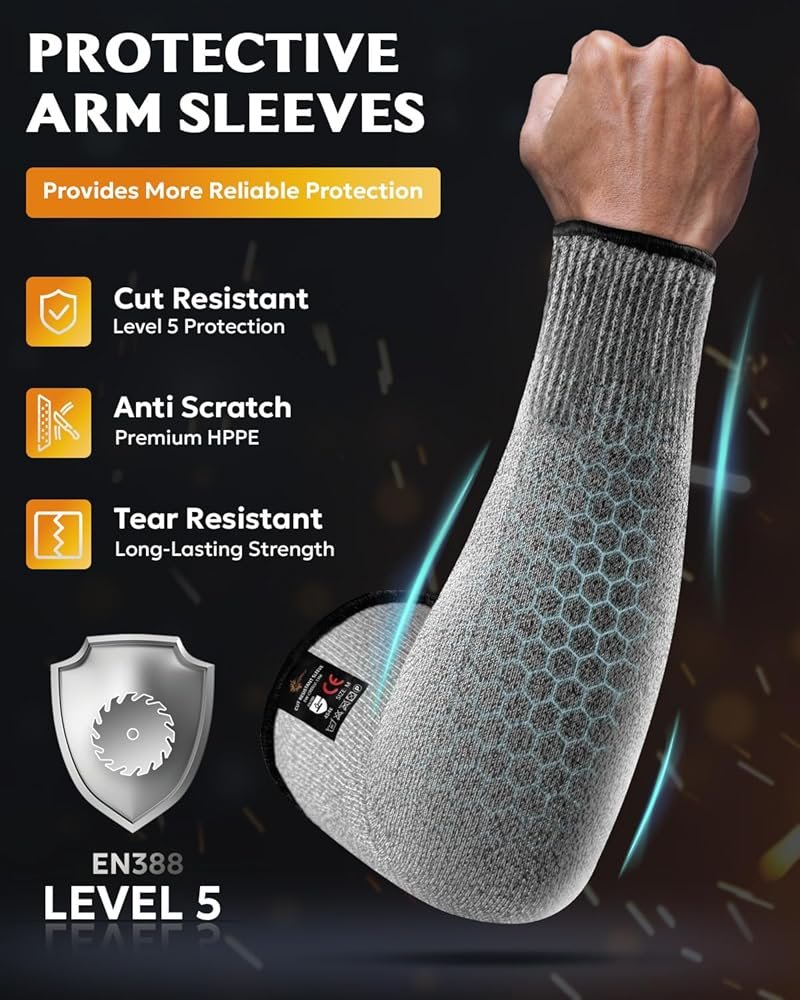
Cut-resistant sleeves shield your arms from cuts and scratches. They use strong materials that stop blades and sharp edges.
- Prevent deep cuts and injuries
- Reduce risk of infections from wounds
- Allow workers to handle sharp tools safely
- Protect skin from accidental scrapes
Enhanced Workplace Safety
Wearing cut-resistant sleeves helps create a safer work environment. Workers feel more secure and focused on their tasks.
| Safety Benefit | How It Helps |
| Lower injury rates | Fewer cuts reduce lost work time |
| Improved confidence | Workers handle tasks without fear |
| Compliance | Meets workplace safety rules |
Durability And Comfort
Cut-resistant sleeves last through tough work days. They balance strong protection with comfort to wear all day.
Key features include:
- Breathable fabric that keeps skin cool
- Flexible design for easy movement
- Washable material for repeated use
- Durable fibers that resist wear and tear
Choosing The Right Sleeves
Cut-resistant sleeves protect your arms from sharp objects. Choosing the right sleeves helps keep you safe at work.
It is important to pick sleeves that fit well and match your job needs. This guide explains how to choose the best sleeves.
Material Types
Cut-resistant sleeves come in different materials. Each material offers different levels of protection and comfort.
Common materials include Kevlar, HPPE, and stainless steel fibers. Some materials are better for heat, others for flexibility.
- Kevlar:Strong and heat resistant
- HPPE:Lightweight and flexible
- Stainless Steel:Very durable and cut resistant
- Nylon blends:Comfortable and breathable
Sizing And Fit
Proper sizing is important for safety and comfort. Sleeves that are too tight or loose can reduce protection.
Measure your arm length and circumference before buying. Choose sleeves that cover your arms fully without restricting movement.
- Measure from wrist to upper arm
- Check sleeve circumference for a snug fit
- Try sleeves on if possible
- Look for adjustable options if needed
Cut Resistance Ratings
Cut resistance ratings show how well sleeves protect against cuts. Higher ratings mean better protection.
Look for sleeves tested under standards like ANSI or EN 388. Choose a rating that matches the sharpness risk in your job.
| Rating | Protection Level | Use Case |
|---|---|---|
| Level A1 – A3 | Low to moderate | Light cutting tasks |
| Level A4 – A6 | Moderate to high | Sharp tools, metal handling |
| Level A7 – A9 | High to extreme | Heavy industrial work |
Proper Wearing Techniques
Cut-resistant sleeves protect your arms from sharp tools and materials. Wearing them correctly helps keep you safe at work.
This guide explains how to wear cut-resistant sleeves properly. Follow these tips to get the best protection.
Correct Positioning
Place the sleeves so they cover your arms fully. Start from your wrist and pull the sleeve up to your upper arm.
Make sure the sleeves do not slide down during work. Adjust the fit to cover any exposed skin.
Securing Sleeves For Stability
Use straps or elastic bands to keep sleeves from moving. Secure them tightly but not too tight to stop blood flow.
Check the sleeves often and adjust if they start to slip. Stable sleeves give better protection and comfort.
- Use built-in elastic cuffs if available
- Wrap Velcro straps around your arm
- Choose sleeves with non-slip grips inside
Avoiding Common Mistakes
Do not wear sleeves too loose or too tight. Loose sleeves can slip down. Tight sleeves can cause discomfort.
Do not wear sleeves over jewelry or watches. These items can damage the sleeve or reduce protection.
- Remove rings and watches before wearing sleeves
- Do not fold sleeves, keep them smooth
- Replace sleeves if they have holes or tears

Credit: www.amazon.com
Maintenance And Care
Cut-resistant sleeves protect your arms from sharp objects. Proper care keeps them safe and long-lasting.
Cleaning and storing sleeves correctly helps keep their strength. Replace sleeves when they show damage.
Cleaning Methods
Wash cut-resistant sleeves by hand or machine using cold water. Use mild detergent only. Avoid bleach or fabric softeners.
Rinse sleeves well to remove all detergent. Air dry them flat away from direct heat or sunlight.
- Use cold water to keep fibers strong
- Choose mild detergents without bleach
- Do not use fabric softeners
- Air dry flat, avoid heat sources
- Do not tumble dry or iron
Storage Tips
Store sleeves in a clean, dry place. Keep them away from sunlight and moisture to prevent damage.
Do not fold sleeves tightly or place heavy objects on them. Keep them flat or loosely rolled to keep shape.
- Keep sleeves dry and clean
- Avoid exposure to direct sunlight
- Store flat or loosely rolled
- Do not fold tightly or press
- Keep away from sharp objects
When To Replace Sleeves
Replace sleeves if you see cuts, tears, or holes. Damage reduces protection and safety.
Also replace sleeves if the material feels weak or thin. Old sleeves may lose cut resistance over time.
- Replace if sleeves have visible cuts or tears
- Replace if material feels thin or weak
- Replace after heavy use or impact
- Check sleeves regularly for damage
Workplace Safety Integration
Cut-resistant sleeves protect workers from cuts and abrasions. They are key to workplace safety in many industries.
Using these sleeves correctly reduces injuries and keeps workers safe on the job.
Combining With Other Ppe
Cut-resistant sleeves work best when used with other personal protective equipment (PPE). Pairing them with gloves, safety glasses, and helmets increases protection.
This combination helps protect multiple parts of the body from different hazards at once.
- Wear cut-resistant gloves for hand protection
- Use safety glasses to protect eyes from debris
- Wear helmets to guard against head injuries
- Combine with high-visibility clothing for better awareness
Training For Effective Use
Workers need proper training to use cut-resistant sleeves safely. Training teaches how to wear and care for the sleeves.
Training also covers when to replace sleeves and how to inspect them for damage.
- Show correct fitting techniques
- Explain the importance of regular inspection
- Teach how to clean and store sleeves properly
- Inform about signs of wear and when to replace
Compliance With Safety Standards
Cut-resistant sleeves must meet workplace safety standards. Compliance ensures sleeves provide the right level of protection.
Standards vary by industry but often include cut resistance ratings and material tests.
- Check for ANSI/ISEA or EN cut resistance ratings
- Use sleeves tested for the specific hazards at work
- Follow employer and regulatory guidelines
- Keep documentation of safety compliance

Credit: www.safetyandhealthmagazine.com
Troubleshooting Common Issues
Cut-resistant sleeves protect your arms from cuts and scrapes. Sometimes, small problems can reduce their safety.
Knowing how to fix common issues helps keep sleeves working well. This guide covers the most usual problems.
Sleeve Damage Signs
Check sleeves often for damage. Cuts or holes can lower protection. If you see tears, replace the sleeve.
Look for worn areas or thinning fabric. These signs mean the sleeve may not stop sharp objects well.
- Small holes or cuts on the sleeve
- Frayed or worn fabric spots
- Stretched or loose areas
- Discoloration or hard spots
Comfort Problems
If sleeves feel itchy or tight, try adjusting the size or type. Wearing the right fit improves comfort and safety.
Wash sleeves as per instructions to keep fabric soft. Avoid harsh detergents that can make sleeves stiff or rough.
- Choose the correct sleeve size
- Wear sleeves made from breathable materials
- Follow washing guidelines carefully
- Replace sleeves if they cause skin irritation
Handling Sleeve Slippage
Slipping sleeves reduce protection. Use sleeves with elastic cuffs or grips to keep them in place.
If sleeves still slip, try using wristbands or tape to hold them. Make sure these do not cut off circulation.
- Select sleeves with snug cuffs
- Use wristbands or tape if needed
- Check sleeves often during work
- Replace sleeves that lose elasticity

Credit: www.amazon.co.uk
Frequently Asked Questions
What Are Cut-resistant Sleeves Made Of?
Cut-resistant sleeves are typically made from materials like Kevlar, Dyneema, or high-performance polyethylene. These fibers provide excellent protection against cuts and abrasions while remaining lightweight and flexible for comfortable use.
How Do Cut-resistant Sleeves Improve Workplace Safety?
Cut-resistant sleeves protect arms from sharp tools, machinery, and materials. They reduce injury risks and help maintain productivity by ensuring workers feel secure and confident during tasks involving blades or rough surfaces.
How Should I Properly Wear Cut-resistant Sleeves?
Wear sleeves so they fully cover your forearms and fit snugly without restricting movement. Ensure no gaps between gloves and sleeves for maximum protection. Regularly inspect sleeves for damage and replace when necessary.
Can Cut-resistant Sleeves Be Washed And Reused?
Yes, most cut-resistant sleeves are washable and reusable. Follow manufacturer instructions for cleaning to maintain their protective qualities. Regular washing keeps them hygienic and extends their lifespan, ensuring ongoing safety.
Conclusion
Cut-resistant sleeves help protect your arms from cuts and injuries. Always wear them properly and check for damage before use. Choose the right sleeve for your task to stay safe. Keep sleeves clean and replace them when worn out. Protecting your arms makes work safer and easier.
Stay alert and use sleeves as part of your safety gear. Safe habits reduce accidents and keep you healthy. Use cut-resistant sleeves every time you handle sharp objects. Your safety depends on good choices and careful actions.