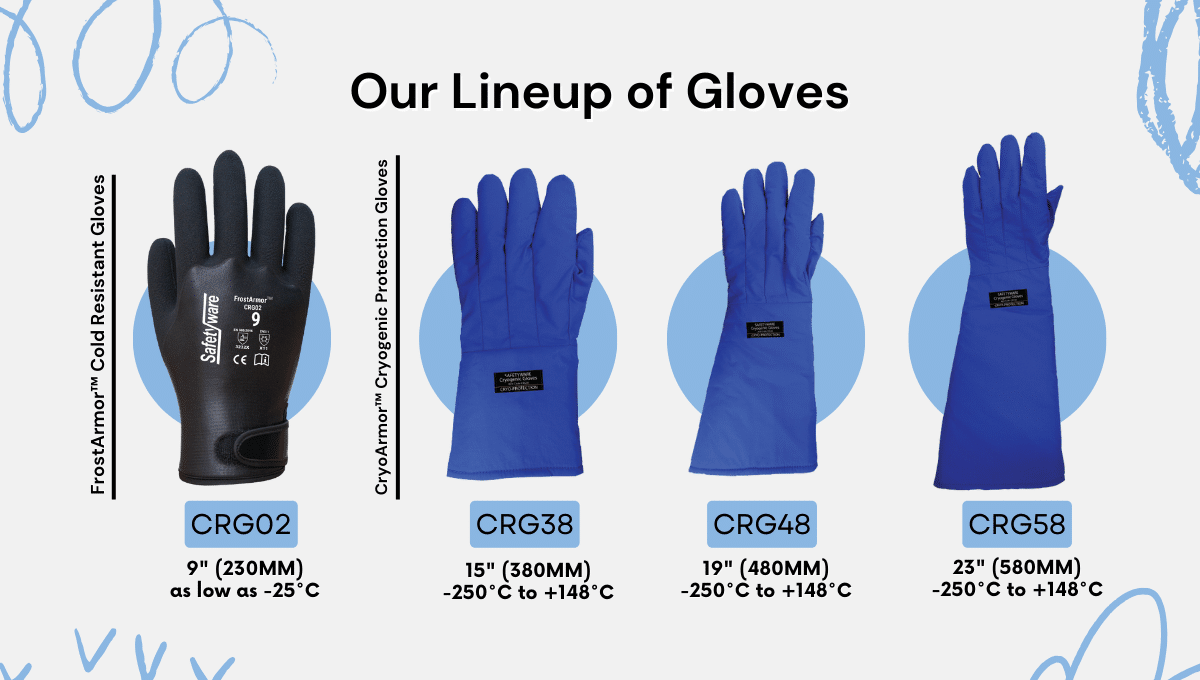
Selecting the right pair of heat-resistant gloves for your workshop is crucial. Imagine the difference between a smooth, productive day and one filled with frustrating mishaps.
Your hands are your most valuable tools, and protecting them should be a top priority. But with so many options available, how do you choose the perfect pair? This guide will help you navigate the choices, ensuring you find gloves that offer both safety and comfort.
Dive in to discover the secrets to making an informed decision that will enhance your workshop experience. Your hands deserve the best, and this article will show you how to provide exactly that.
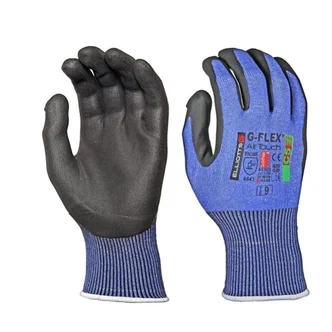
Credit: www.weldconnect.com.au
Types Of Heat-resistant Gloves
Heat-resistant gloves protect your hands in hot workshop environments. They come in many types. Each type suits different heat levels and tasks.
Choosing the right gloves helps keep your hands safe. It also improves your work comfort and control.
Leather Gloves
Leather gloves are common for heat protection. They handle moderate heat well and offer good durability. These gloves also protect against sparks and rough surfaces.
They are flexible and comfortable. Workers often use them in welding and metalwork tasks.
- Good for medium heat
- Durable and flexible
- Protects against sparks and cuts
- Common in welding and metalwork
Kevlar Gloves
Kevlar gloves resist heat and cuts. They are strong and lightweight. These gloves work well in high-heat settings.
Kevlar fibers do not melt or burn easily. This makes the gloves safe for hot and sharp objects.
- High heat resistance
- Cut-resistant material
- Lightweight and strong
- Used in foundries and glass work
Aluminized Gloves
Aluminized gloves reflect heat with a shiny surface. They protect hands from intense heat and flames. These gloves are heavy but very effective.
They are ideal for working near molten metal or hot furnaces.
- Reflects radiant heat
- Protects against extreme temperatures
- Thicker and heavier
- Used in metal casting and smelting
Silicone Gloves
Silicone gloves resist heat and provide a good grip. They handle hot objects without melting. These gloves are flexible and easy to clean.
They are great for handling hot tools and kitchen tasks in workshops.
- Heat resistant up to moderate levels
- Non-slip grip
- Flexible and washable
- Used in kitchens and light workshops

Credit: www.amazon.com
Key Heat Resistance Ratings
Choosing the right heat-resistant gloves is important for safety in workshops. Heat resistance ratings help you pick gloves that protect your hands well.
These ratings show how much heat the gloves can handle and how fast heat passes through them. Knowing these numbers keeps you safe while working.
Temperature Limits
Temperature limits tell you the highest heat level the gloves can resist. This helps you avoid burns and injuries.
Gloves have different ratings for short and long exposure to heat. Choose gloves that match the heat level in your workshop.
- Low heat gloves: up to 250°F (121°C)
- Medium heat gloves: 250°F to 500°F (121°C to 260°C)
- High heat gloves: above 500°F (260°C)
Heat Transfer Levels
Heat transfer level shows how fast heat moves through the glove. Lower transfer means better protection.
Gloves with low heat transfer keep your hands cooler longer. This is important for working with hot objects safely.
| Heat Transfer Level | Description |
|---|---|
| Level 1 | Low heat transfer, best for high heat tasks |
| Level 2 | Moderate heat transfer, suitable for medium heat |
| Level 3 | High heat transfer, for low heat exposure |
Industry Standards
Industry standards set rules for glove heat resistance. These help you choose safe and tested gloves.
Look for gloves tested by recognized organizations. Standards show that gloves meet safety requirements.
- EN 407: European standard for heat and fire protection
- ANSI/ISEA 105: American standard for cut and heat resistance
- ISO 11611: Protection for welding and allied processes
Material Properties
Heat-resistant gloves protect your hands from burns and injuries in workshops. Choosing the right material is important for safety and comfort. Different materials offer different levels of protection.
Understanding the key properties of glove materials helps you pick the best gloves for your work needs. Look closely at durability, flexibility, cut resistance, abrasion resistance, and chemical resistance.
Durability And Flexibility
Durability means how long gloves last without wearing out. Flexible gloves let you move your hands easily. Good heat-resistant gloves balance both.
Materials like leather are strong but can be stiff. Synthetic fabrics can be more flexible but may wear faster. Choose gloves that fit well and feel comfortable.
Cut And Abrasion Resistance
Workshops often have sharp tools and rough surfaces. Gloves need cut resistance to stop sharp edges from cutting your skin. Abrasion resistance helps gloves last longer when rubbed.
Materials like Kevlar and reinforced leather offer good cut and abrasion protection. Check the glove’s rating to know how much protection it provides.
- Kevlar: strong against cuts and heat
- Reinforced leather: resists wear and cuts
- Special coatings: improve grip and cut safety
Chemical Resistance
Chemicals in workshops can damage your skin and gloves. Some heat-resistant gloves also protect against chemicals. Check if your gloves resist oils, solvents, or acids.
Materials like nitrile and neoprene resist many chemicals. Look for gloves labeled with chemical resistance if you handle hazardous substances.
- Nitrile: good for oils and solvents
- Neoprene: protects against acids and bases
- Natural rubber: less chemical resistant but flexible
Glove Design And Comfort
Choosing heat-resistant gloves for workshops requires attention to design and comfort. Gloves must protect your hands while letting you work with ease.
Good design reduces hand fatigue and increases safety during long tasks. Comfort keeps you focused and prevents accidents.
Fit And Sizing
Proper fit is key to glove comfort and protection. Gloves should fit snugly but not too tight. Loose gloves can catch on tools or surfaces.
- Measure your hand length and width before buying
- Choose gloves with adjustable closures for a secure fit
- Try gloves on with workshop gear to check comfort
- Consider gloves with different sizes for each hand if needed
Breathability
Breathability helps keep your hands dry and cool. Heat-resistant gloves can get hot inside, causing sweat and discomfort.
| Material | Breathability | Heat Resistance |
| Leather | Moderate | High |
| Kevlar | Good | High |
| Silicone-coated fabric | Low | Moderate |
| Cotton blend | High | Low |
Grip And Dexterity
Good grip prevents slipping and improves safety. Dexterity allows you to handle small parts easily without removing gloves.
- Look for textured surfaces on gloves for better grip
- Choose gloves that bend easily at the fingers
- Avoid thick gloves if you need fine motor skills
- Test gloves by picking up small tools before buying
Workshop Tasks And Glove Selection
Choosing the right heat-resistant gloves depends on your workshop tasks. Different jobs need different glove features.
Understanding the tasks helps pick gloves that protect well and fit comfortably.
Welding Applications
Welding exposes hands to sparks and hot metal. Gloves must resist heat and cuts. Look for thick leather gloves with long cuffs.
- Use gloves with flame resistance.
- Choose gloves that allow good hand movement.
- Pick gloves with reinforced palms for extra protection.
Foundry Work
Foundry work involves handling molten metals. Gloves need very high heat resistance and good insulation.
| Glove Feature | Importance |
| Heat Resistance | Very High |
| Insulation | High |
| Durability | High |
| Grip | Medium |
Glass Handling
Handling glass needs gloves that resist cuts and heat. Thin but tough gloves work best. They help keep good control.
- Look for gloves with cut-resistant fibers.
- Choose heat-resistant materials that are flexible.
- Avoid bulky gloves that reduce touch sensitivity.
Automotive Repairs
Automotive work has varied tasks. Gloves must protect from heat, oil, and sharp parts. Look for multi-purpose gloves.
- Heat resistance for hot engine parts.
- Oil resistance to keep grip.
- Strong material to avoid cuts and scrapes.
Maintenance And Care
Proper maintenance extends the life of heat-resistant gloves. It keeps them safe to use in your workshop. Clean gloves work better and protect your hands well.
Follow simple care tips to keep gloves in good shape. Pay attention to how you clean, store, and replace them.
Cleaning Tips
Clean gloves after each use to remove dirt and sweat. Use mild soap and warm water. Avoid harsh chemicals that damage the material.
- Gently scrub with a soft brush or cloth
- Rinse thoroughly to remove all soap
- Air dry gloves away from direct heat
- Do not machine wash or tumble dry
Storage Recommendations
Store gloves in a cool, dry place. Keep them away from sunlight and moisture. Avoid folding or crushing gloves to keep their shape intact.
| Storage Tip | Reason |
| Keep in a dry box or drawer | Prevents moisture damage |
| Use a glove hanger or flat surface | Maintains glove shape |
| Avoid exposure to sunlight | Stops material from weakening |
| Separate from chemicals | Prevents glove degradation |
When To Replace Gloves
Replace gloves if they show signs of wear or damage. Using worn gloves can cause injuries in the workshop.
- Check for holes, tears, or cracks
- Look for stiff or brittle areas
- Replace if gloves lose heat resistance
- Change gloves if they smell bad after cleaning
Budget And Brand Considerations
Selecting heat-resistant gloves for workshops requires careful thought about budget and brand. These factors help ensure safety and value for your money.
Understanding how cost relates to quality and choosing trusted brands can protect your hands. Also, consider warranty and support for long-term use.
Cost Vs. Quality
Cheap gloves may not last or protect well. Expensive gloves often offer better heat resistance and durability.
Look for gloves that balance price and safety. Spending a bit more can save money on replacements and injuries.
- Low-cost gloves may wear out quickly
- Mid-range gloves usually offer good protection
- High-end gloves provide maximum safety and comfort
Trusted Manufacturers
Brands with good reputations follow safety standards. They test gloves for heat resistance and durability before selling.
Choose manufacturers known for quality gloves. This reduces the risk of failure during tough tasks.
- Check for safety certifications
- Read reviews from other users
- Choose brands with clear product information
Warranty And Support
Good gloves often come with warranties. This helps protect your purchase if gloves fail early.
Support from the brand can include advice or replacement options. This adds value beyond the initial buy.
- Look for at least a one-year warranty
- Check if the brand offers customer service
- Understand the return or exchange policy
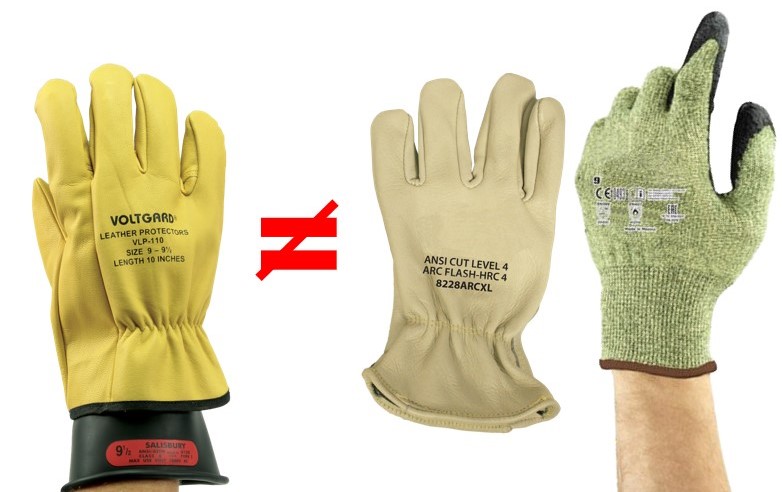
Credit: www.saftgard.com
Frequently Asked Questions
What Materials Are Best For Heat-resistant Gloves?
Heat-resistant gloves made from Kevlar, Nomex, or leather provide excellent protection. These materials can withstand high temperatures and offer durability. Choose based on the workshop tasks and heat exposure levels for maximum safety and comfort.
How To Determine The Right Glove Size?
Measure your hand’s circumference around the knuckles without the thumb. Choose gloves that fit snugly but allow full finger movement. Proper sizing ensures better grip, dexterity, and heat protection during workshop tasks.
Can Heat-resistant Gloves Protect Against Chemical Exposure?
Most heat-resistant gloves focus on heat protection, not chemicals. For chemical safety, use gloves specifically designed for chemical resistance. Always check glove specifications to ensure they meet your workshop’s safety requirements.
How Often Should Heat-resistant Gloves Be Replaced?
Replace gloves when they show signs of wear, tears, or reduced heat resistance. Regular inspection is crucial to maintain safety. Worn gloves can lead to burns or injuries in high-heat environments.
Conclusion
Choosing the right heat-resistant gloves keeps you safe and comfortable. Check the glove’s material and heat rating carefully. Make sure they fit well and allow good hand movement. Remember, quality gloves protect your skin from burns and cuts. Don’t forget to replace gloves that show wear or damage.
Safety in the workshop depends on good gear. Take time to pick gloves that match your tasks. Your hands will thank you every time you work.