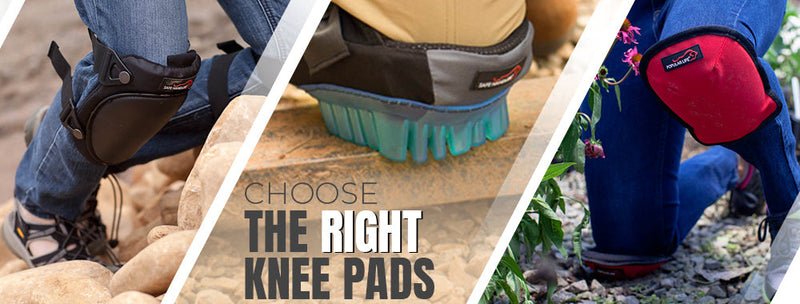
Are your knees begging for mercy after a long day of work or play? Choosing the right knee pads can make all the difference between enduring discomfort and enjoying the activities you love.
Whether you’re gardening, cycling, or working on construction projects, selecting knee pads that offer the perfect blend of comfort and protection is crucial. But with so many options out there, how do you make the best choice for your needs?
In this guide, you’ll discover practical tips and insights to ensure your knees are well-cared for, keeping you active and pain-free. So, are you ready to find the ideal knee pads that keep you moving with ease? Let’s dive in!

Credit: www.walmart.com
Types Of Knee Pads
Knee pads protect your knees during work or sports. Choosing the right type helps keep you comfortable and safe.
Different knee pads offer different levels of cushioning and support. Learn about the main types to find what fits you best.
Gel Knee Pads
Gel knee pads use soft gel inside to absorb shock. They mold to your knee shape for good comfort.
They reduce pressure and help prevent pain during long kneeling. Gel pads work well for hard surfaces.
Foam Knee Pads
Foam knee pads are light and flexible. They offer good cushioning but may wear out faster than gel.
These pads are usually cheaper and work well for short tasks on soft surfaces.
Hard Cap Knee Pads
Hard cap knee pads have a tough outer shell. This protects knees from sharp or rough surfaces.
They are great for heavy-duty work but may feel less flexible and comfortable.
- Protect against impact and sharp objects
- Best for outdoor and construction work
- Less cushioning but strong protection
Hybrid Designs
Hybrid knee pads mix materials like gel and hard caps. They balance comfort and protection.
These pads suit many tasks because they offer both cushioning and surface defense.

Credit: www.amazon.com
Key Features To Consider
Choosing the right knee pads is important for comfort and protection. Not all knee pads fit the same or feel good to wear.
Look at key features to find knee pads that work best for your needs. These features affect how well the knee pads protect and feel.
Padding Thickness And Density
Thicker padding offers more protection but can feel bulky. Dense padding absorbs impact better and lasts longer.
Choose padding that balances comfort and safety. Soft, thick pads work well for light use. Dense pads suit heavy work or sports.
- Thick padding cushions hard impacts
- Dense foam resists wear and tear
- Too thick may reduce knee movement
- Soft padding feels comfortable for long wear
Adjustable Straps And Fit
Straps keep knee pads in place. Adjustable straps let you get a snug fit without cutting off circulation.
A good fit stops the knee pads from slipping. Look for straps with strong fasteners like Velcro or buckles.
- Adjust straps to match your leg size
- Check for secure, easy-to-use fasteners
- Too loose straps cause slipping
- Too tight straps reduce blood flow
Breathability And Ventilation
Knee pads can get hot and sweaty. Breathable materials help air flow and keep knees cool and dry.
Look for mesh panels or perforations. These features improve ventilation and reduce sweat buildup.
- Mesh fabrics allow air circulation
- Perforated padding helps heat escape
- Good breathability reduces skin irritation
- Non-breathable materials trap sweat and heat
Weight And Bulkiness
Lightweight knee pads feel less tiring during long use. Bulky pads may protect more but limit movement.
Choose knee pads that balance protection with ease of movement. Consider your activity and how long you wear them.
- Lighter pads increase comfort and agility
- Bulky pads add extra protection
- Heavy pads can tire your legs quickly
- Slim designs fit better under clothing
Sizing And Fit Tips
Choosing the right knee pads ensures comfort during work or sports. Proper fit prevents slipping and protects your knees well.
This guide covers how to measure your knees, select tight or loose fits, and try different brands for the best comfort.
Measuring Your Knees
Measure your knees to find the right size knee pads. Use a flexible tape measure for accuracy.
- Measure around the center of your knee while bent at 90 degrees.
- Note the circumference in inches or centimeters.
- Check the length from above and below the knee for pad coverage.
- Compare your measurements to the sizing chart provided by the manufacturer.
Choosing Between Tight And Loose Fits
Tight knee pads offer more support but may feel restrictive. Loose fits give more freedom but might slip down.
| Fit Type | Comfort Level | Use Case |
| Tight | Firm and secure | Heavy work or sports |
| Loose | Flexible and breathable | Light activity or casual use |
Trying Different Brands
Not all knee pads fit the same. Different brands use unique designs and materials.
- Test several brands to find what feels best.
- Check if the pads stay in place during movement.
- Look for materials that suit your skin and climate.
- Read user reviews to learn about durability and comfort.
Material And Durability
Choosing the right knee pads depends a lot on the materials used. Good materials make knee pads last longer and feel better.
Durability also matters if you use knee pads often. Strong materials protect your knees and save money.
Outer Shell Materials
The outer shell protects your knees from hard surfaces. It needs to be strong and tough. Common materials include plastic and rubber.
Look for shells made with high-quality plastic like polyethylene or polypropylene. These materials resist cracks and impacts well.
- Polyethylene: Light and strong
- Polypropylene: Durable and flexible
- Rubber: Offers good grip and impact resistance
Inner Lining Comfort
The inner lining touches your skin. It should feel soft and keep your knees dry. Foam and fabric linings are common choices.
Foam padding helps absorb shocks and adds comfort. Breathable fabrics stop sweat and skin irritation during long use.
- Memory foam: Adapts to knee shape
- Neoprene: Soft and stretchy
- Mesh fabric: Allows air flow
Resistance To Wear And Tear
Knee pads must resist wear and tear from frequent use. Look for reinforced stitching and tough outer materials.
Durable knee pads last longer and protect better. Check if the product mentions abrasion resistance or heavy-duty design.
- Reinforced seams prevent ripping
- High abrasion resistance for rough surfaces
- Water-resistant materials add protection
Special Considerations
Selecting knee pads requires attention to specific factors for comfort. Different uses and long wear affect your choice. Skin health and cleaning also matter.
Understanding these details helps you pick pads that protect well and feel good. This guide covers key points to consider before buying.
Knee Pads For Different Activities
Each activity needs knee pads with certain features. The right padding, shape, and material depend on your task. Some pads suit hard work, others fit light use.
- Construction:Choose thick, impact-resistant pads for heavy jobs.
- Gardening:Soft and flexible pads give comfort on soft ground.
- Sports:Lightweight and breathable designs help quick movement.
- Flooring work:Pads with good grip and cushion protect during kneeling.
All-day Wear And Skin Health
Wearing knee pads all day can cause skin irritation. Breathable materials reduce sweat and heat buildup. Padding should not press too hard on the skin.
| Feature | Benefit |
| Breathable fabric | Keeps skin dry and cool |
| Adjustable straps | Prevent tightness and discomfort |
| Soft inner lining | Reduces chafing and redness |
| Lightweight design | Less fatigue during long wear |
Cleaning And Maintenance
Regular cleaning keeps knee pads fresh and safe to use. Dirt and sweat can break down materials and cause skin problems.
- Remove pads from straps before washing.
- Hand wash with mild soap and water.
- Air dry away from direct sun or heat.
- Inspect for damage or wear after cleaning.
- Replace pads if cushioning breaks down or fabric tears.
Budget And Value
Choosing the right knee pads means thinking about both cost and comfort. Finding the best value helps you protect your knees without spending too much.
It is important to compare different types of knee pads. Some cost more but last longer. Others are cheaper but may wear out fast.
High-end Vs Budget Options
High-end knee pads usually have better padding and materials. They fit well and give more comfort during long use. Budget options can still protect your knees but may lack extra features.
- High-end pads often use memory foam or gel inserts.
- Budget pads use basic foam or plastic.
- High-end models last longer and resist wear.
- Budget models may need replacing more often.
- Comfort and fit are usually better in expensive pads.
Warranty And Return Policies
| Feature | High-End Knee Pads | Budget Knee Pads |
| Warranty Length | 1 to 3 years | 3 to 12 months |
| Return Policy | 30 to 60 days | 14 to 30 days |
| Repair Options | Often available | Rarely available |
| Refund Policy | Full or partial refund | Mostly store credit |
Check the warranty before buying. A longer warranty means the company trusts its product. Also, read the return policy carefully. It helps if the pads do not fit or feel uncomfortable.

Credit: www.tatianaactive.com.au
Frequently Asked Questions
What Materials Make Knee Pads Most Comfortable?
Comfortable knee pads use soft foam and breathable fabric. Gel inserts offer extra cushioning. Look for moisture-wicking materials to reduce sweat and heat during use.
How Do I Choose The Right Knee Pad Size?
Measure your knee circumference to find the best fit. Knee pads should be snug but not tight. Proper sizing prevents slipping and maximizes comfort.
Can Adjustable Straps Improve Knee Pad Comfort?
Yes, adjustable straps allow personalized tightness. They keep knee pads securely in place. This customization reduces pressure points and enhances comfort during movement.
Are Gel Knee Pads Better For Prolonged Use?
Gel knee pads provide superior shock absorption and cushioning. They reduce knee fatigue during long activities. This makes them ideal for extended wear and comfort.
Conclusion
Choosing the right knee pads means thinking about fit and comfort first. Soft padding helps protect your knees well. Make sure the straps are easy to adjust and hold firmly. Breathable materials keep your legs cool and dry. Trying different styles can help find what suits you best.
Comfort matters most when wearing knee pads for a long time. Protect your knees without feeling tight or heavy. Take your time to pick pads that feel good. Your knees will thank you with every step you take.