When you’re out and about at night, your safety is crucial. Whether you’re cycling, jogging, or just taking a stroll, being visible to others can make all the difference.
Have you ever wondered if your jacket is doing enough to keep you safe? Choosing the right high-visibility jacket isn’t just about picking a bright color; it’s about understanding how to maximize your visibility and protect yourself. In this guide, you’ll discover the secrets to selecting the perfect high-visibility jacket for nighttime safety.
Stay with us to find out how the right choice can make your night outings safer and more enjoyable. Your safety is worth it, isn’t it?
Importance Of High-visibility Jackets
High-visibility jackets keep people safe by making them easy to see. They are very useful at night or in low light.
Choosing the right jacket helps prevent accidents. It is important to understand why these jackets matter.
Nighttime Safety Risks
At night, drivers and others find it hard to see people. This increases the chance of accidents on roads or work sites.
- Low visibility makes it difficult to spot pedestrians and workers.
- Dark clothing blends into the background and is not safe.
- Fast-moving vehicles may not stop in time to avoid collisions.
- Street lighting is often not enough to show people clearly.
Benefits Of Visibility Gear
Visibility gear helps people stand out in the dark. It improves safety for workers, cyclists, and pedestrians.
| Benefit | How It Helps |
| Increased visibility | Reflective materials shine bright under lights |
| Accident reduction | Drivers see people sooner and can react |
| Better confidence | Wearers feel safer and more secure |
| Compliance | Meets safety rules for work and road use |

Credit: reflectoes.com
Key Features To Look For
High-visibility jackets keep you safe by making you easy to see. Choosing the right jacket matters for nighttime safety.
Look for key features that improve visibility, comfort, and durability in low-light conditions.
Reflective Material Quality
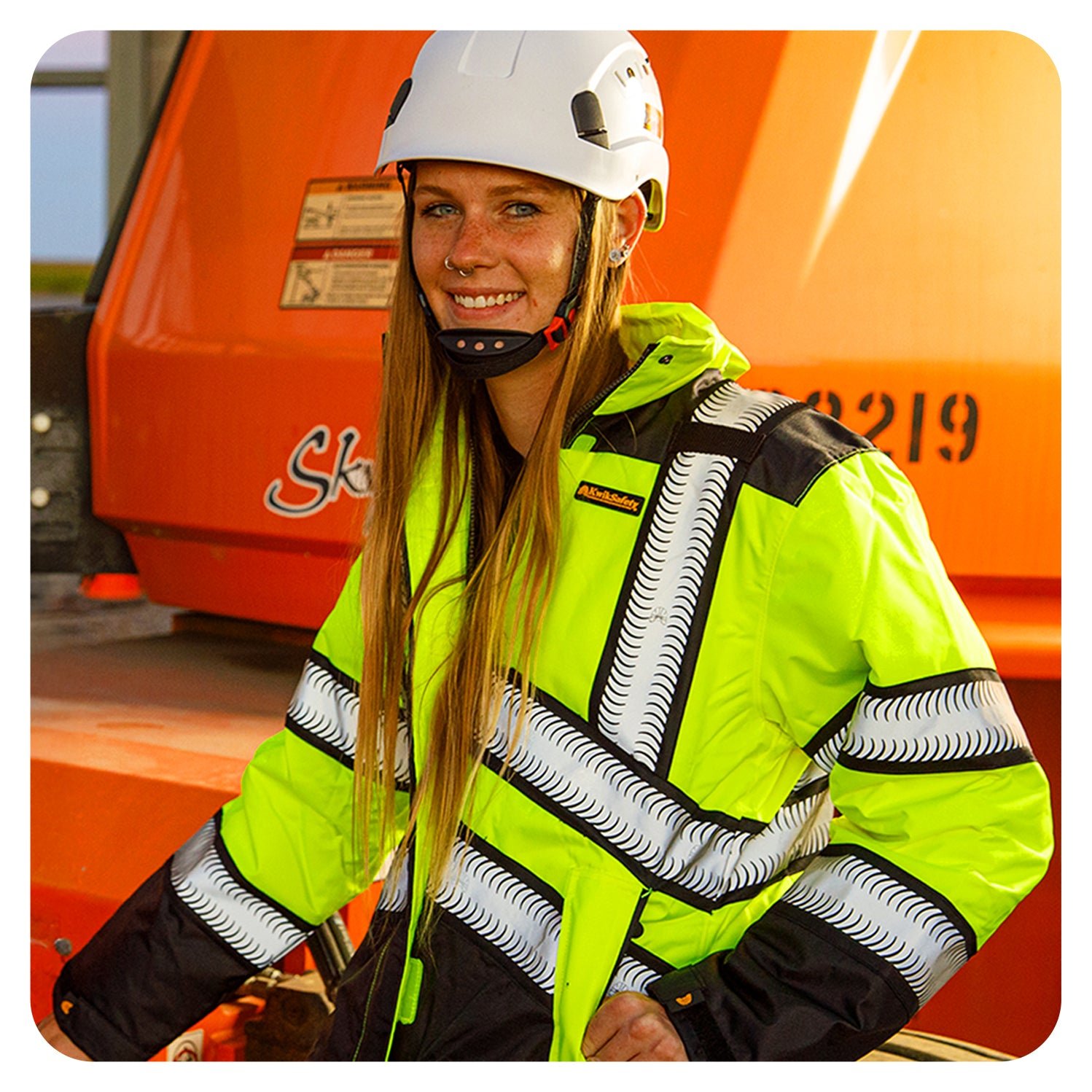
Reflective material helps light bounce back to drivers. Good quality reflective strips shine bright and stay effective over time.
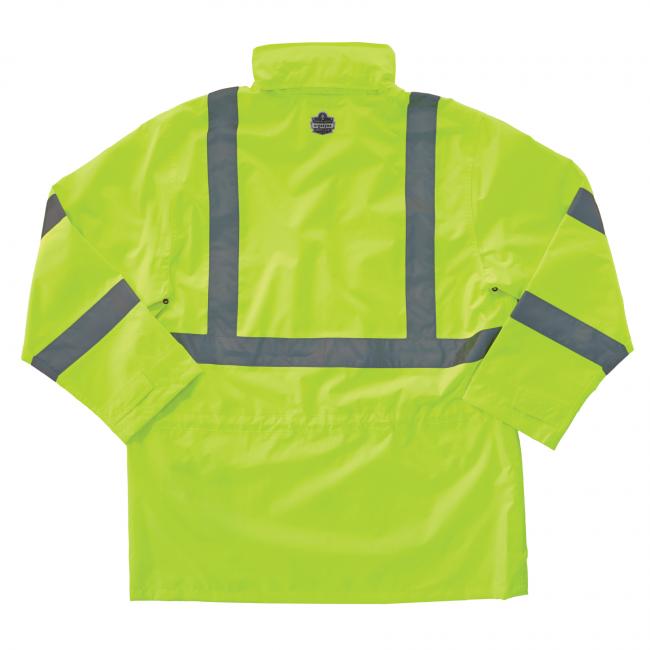
Check if the jacket uses certified reflective materials. The strips should cover large areas on the front, back, and sides.
- Look for materials that meet safety standards like ANSI/ISEA 107
- Wide reflective bands increase visibility
- Seamless or well-stitched reflective strips last longer
Brightness And Color Options
Bright colors make jackets easier to see before lights hit them. Neon yellow, orange, and green are common bright colors.
Choose colors that stand out in your environment. Bright colors combined with reflective material give the best visibility.
- Neon yellow and orange are highly visible in most settings
- Bright green is good for forested or grassy areas
- Avoid dark colors that blend into the night
Fit And Comfort
A good fit keeps the jacket from riding up or restricting movement. Comfort encourages you to wear the jacket consistently.
Look for adjustable features like cuffs and waistbands. Lightweight fabrics reduce heat and make it easier to move.
- Choose the right size for layering over clothes
- Look for breathable fabrics to stay cool
- Adjustable parts help customize the fit
Durability And Weather Resistance
Nighttime safety jackets should resist rain, wind, and wear. Durable jackets last longer and protect better in bad weather.
Check if the jacket is water-resistant or waterproof. Strong stitching and tough fabrics help the jacket handle daily use.
- Water-resistant jackets keep you dry in light rain
- Waterproof jackets are best for heavy rain
- Look for reinforced seams and sturdy fabric
Types Of High-visibility Jackets
High-visibility jackets help keep you safe at night. They make you easy to see in low light.
Different jackets suit different needs. Choosing the right one improves comfort and safety.
Vest Vs. Full Jacket
Vests are lightweight and easy to wear over clothes. Full jackets cover your arms and body more.
- Vests:Good for mild weather and quick wear.
- Full Jackets:Better for cold or wet weather.
- Both:Use bright colors and reflective strips.
Lightweight Vs. Insulated
| Type | Description | Best Use |
| Lightweight | Thin material, easy to move in | Warm weather or indoor work |
| Insulated | Thicker, keeps body heat | Cold weather and outdoor use |
Specialized Jackets For Different Activities
Some jackets have features for specific jobs or sports. These improve safety and comfort.
- Construction jackets with extra pockets and durability
- Running jackets with breathable fabric and reflective details
- Motorcycle jackets with armor and strong materials
- Rain jackets that keep you dry and visible
Certification And Standards
High-visibility jackets help keep workers safe in low-light and nighttime conditions. Choosing jackets that meet safety standards ensures proper visibility and protection.
Certifications from recognized organizations guide buyers in selecting reliable safety gear. These standards set rules for materials, colors, and reflective strips.
Ansi And Osha Guidelines
In the United States, the American National Standards Institute (ANSI) and the Occupational Safety and Health Administration (OSHA) set safety requirements for high-visibility clothing.
- ANSI/ISEA 107:This standard classifies jackets into three types based on work environment and visibility needs.
- Class 1:For workers in low traffic areas with minimal risk.
- Class 2:For workers near moderate traffic or where visibility is crucial.
- Class 3:For workers in high-risk areas, such as highways or heavy traffic zones.
- OSHA:Often requires compliance with ANSI standards to ensure worker safety.
European En Standards
Europe uses EN standards to regulate high-visibility clothing. EN ISO 20471 is the main standard for such safety gear.
| Standard | Description | Class Levels |
|---|---|---|
| EN ISO 20471 | Specifies requirements for high-visibility clothing to improve wearer visibility. | Class 1, Class 2, Class 3 based on minimum areas of fluorescent and reflective materials. |
| EN 471 (superseded) | Earlier standard replaced by EN ISO 20471 but still referenced. | Classes 1 to 3 with different visibility and durability requirements. |
Choosing The Right Jacket For Your Needs
High-visibility jackets help keep you safe in low light. Picking the right jacket depends on what you need it for.
Think about where and how you will use the jacket. This helps find the best fit and features for you.
Workplace Vs. Recreational Use
Work jackets follow safety rules and often have extra protection. Recreational jackets focus more on comfort and style.
Choose work jackets with the right certification for your job. For fun activities, pick jackets that move with you and keep you warm.
- Work jackets: certified, durable, extra pockets
- Recreational jackets: lightweight, flexible, stylish
- Reflective tape placement varies by use
Climate Considerations
Jackets should match the weather where you live or work. Warm jackets suit cold places. Breathable jackets work well in heat.
Waterproof jackets help in rain or snow. Look for vents or mesh for air flow if you get hot easily.
- Cold climate: insulated and windproof jackets
- Warm climate: lightweight and breathable fabrics
- Wet climate: waterproof and quick-dry materials
Layering Options
Layering helps adjust to changing temperatures. Choose jackets that fit over other clothes easily.
Look for jackets with adjustable cuffs and hems. These keep warmth in and cold out. Removable liners add flexibility.
- Roomy fit for extra layers underneath
- Adjustable parts to seal out cold air
- Removable liners for changing weather
Maintenance And Care Tips
High-visibility jackets help keep you safe at night. Taking care of them keeps their bright colors and reflectiveness strong.
Proper cleaning and regular checks make sure your jacket works well every time you wear it.
Cleaning High-visibility Fabrics
Wash your high-visibility jacket gently to keep its bright colors and reflective strips. Use cold water and mild detergent to avoid damage.
Do not use bleach or fabric softeners. These can break down the reflective materials. Air dry the jacket instead of using a dryer.
- Use cold water and mild detergent
- Avoid bleach and fabric softeners
- Wash separately from heavy clothes
- Air dry, do not use a dryer
- Follow the care label instructions
Inspecting For Wear And Tear
Check your jacket often for signs of damage. Look for tears, holes, or fading in the fabric and reflective tape.
Replace the jacket if the reflective parts are cracked or no longer shine in the dark. Damaged jackets reduce your safety at night.
- Look for tears or holes in the fabric
- Check if reflective tape is cracked or faded
- Test reflectiveness by shining a light on it
- Replace jacket if visibility is reduced
Budgeting And Where To Buy
High-visibility jackets keep you safe at night. Choosing the right jacket depends on your budget. You want good quality without spending too much.
Knowing where to buy helps you find the best options. Some stores offer better prices or trusted brands.
Price Ranges
High-visibility jackets come in many price ranges. Low-cost jackets may lack some safety features. Mid-range jackets balance price and quality. High-end jackets offer extra durability and comfort.
- Budget jackets: $15 to $30, basic features
- Mid-range jackets: $30 to $60, good quality and comfort
- Premium jackets: $60 and above, durable and feature-rich
Trusted Brands And Retailers
Choose jackets from brands known for safety and quality. Trusted brands meet safety standards and last longer. Buy from retailers with good return policies and customer service.
- Brands: 3M, Carhartt, Dickies, Helly Hansen
- Retailers: Amazon, Home Depot, Walmart, specialized safety stores
- Check user reviews before buying

Credit: harmonycr.com
Credit: www.ergodyne.com
Frequently Asked Questions
What Materials Make High-visibility Jackets Effective?
High-visibility jackets use fluorescent fabrics and reflective strips. Fluorescent materials enhance daytime visibility. Reflective strips reflect light at night, increasing safety. Combining both ensures maximum visibility in all conditions. Choose jackets meeting safety standards for reliable protection.
How To Choose The Right Size For Safety Jackets?
Select a jacket size that fits comfortably over clothing. Ensure it allows free movement without being too loose. Proper fit prevents snagging and maintains reflective strip visibility. Check size charts and try the jacket on if possible. A well-fitted jacket maximizes safety and comfort.
Are All High-visibility Colors Equally Visible At Night?
Fluorescent yellow-green and orange are most visible during the day. At night, reflective strips play a critical role. The jacket’s color is less important after dark than reflectivity. Choose jackets with high-quality reflective materials for nighttime safety. This ensures better visibility to drivers and others.
Can High-visibility Jackets Improve Worker Safety Statistics?
Yes, studies show high-visibility jackets reduce accidents significantly. They increase wearer visibility to drivers and machinery operators. Wearing certified jackets lowers the risk of injury in low-light conditions. Proper use of these jackets is essential in hazardous environments. Safety compliance often includes wearing high-visibility apparel.
Conclusion
Choosing the right high-visibility jacket saves lives at night. Bright colors and reflective strips help drivers see you clearly. Pick a jacket that fits well and feels comfortable. Check for durable materials that stand up to weather. Remember, safety is about being seen from a distance.
Always wear your jacket during low light or dark hours. Stay safe and keep visible on every nighttime walk or ride. Your safety depends on smart choices.