Are you planning a home renovation or perhaps just replacing your old doors and windows? If so, getting the measurements right is crucial.
A slight mistake can lead to ill-fitting installations that may cause drafts, energy inefficiency, and even security issues. But don’t worry—measuring for doors and windows doesn’t have to be a daunting task. You’ll discover simple yet effective tips to ensure precise measurements every time.
Imagine the peace of mind you’ll gain knowing your new doors and windows will fit perfectly, enhancing both the aesthetic and functional aspects of your home. Read on to learn how you can avoid costly mistakes and ensure a seamless installation process.
Credit: modernize.com
Tools You Need
Measuring doors and windows needs the right tools. Using proper tools helps you get exact sizes. This reduces mistakes and saves time.
Here are the main tools you should have for accurate measuring. Each tool has a special use to make the process easier.
Measuring Tape Essentials
A good measuring tape is the most important tool. Pick one that locks in place for steady measuring. A tape at least 25 feet long works well for most jobs.
- Choose a tape with clear, easy-to-read markings.
- Use both metric and imperial units if possible.
- Check the tape’s case for durability and grip.
- Make sure the tape’s metal hook is firm and accurate.
Levels And Squares
Levels help check if surfaces are straight and even. Squares are used to check corners and angles. Both tools ensure your measurements match the real shape.
| Tool | Purpose | Tip |
| Spirit Level | Check horizontal and vertical alignment | Use a magnetic base for metal frames |
| Carpenter’s Square | Check 90-degree angles and mark straight lines | Pick a size that fits your project scale |
| Combination Square | Measure angles, depths, and mark lines | Adjust blade for different tasks |
Digital Vs Manual Tools
Digital tools can speed up measuring and reduce errors. Manual tools are simple and reliable without batteries. Choose based on your comfort and the job size.
- Digital Tape Measures:Show exact measurements on a screen.
- Laser Distance Measurers:Measure long distances quickly with a laser.
- Manual Tape Measures:No batteries needed and very durable.
- Spirit Levels and Squares:Mostly manual but essential for accuracy.
Credit: www.blinds.com
Preparing The Space
Measuring doors and windows accurately starts with a clean and clear space. Preparing the area helps avoid mistakes and makes the process easier.
Take time to organize the space before measuring. This ensures you get the correct dimensions for your doors and windows.
Clearing Obstacles
Remove furniture, curtains, and decorations near the doors and windows. These items can block your view and affect your measurements.
Clear space allows you to measure from the wall to the edges without any interference. It also helps you see any hidden parts of the frame.
Checking For Damage
Look carefully for cracks, dents, or water damage around your doors and windows. Damage can change the size or shape of the opening.
Note any damage to tell the installer or to plan repairs before fitting new doors or windows.
Noting Wall Irregularities
Check if walls near doors and windows are uneven or slanted. Walls may not always be perfectly straight or level.
Write down any irregularities. These details help ensure your new doors and windows fit well and work properly.
Measuring Door Openings
Measuring door openings is important for fitting new doors correctly. Taking accurate measurements saves time and money.
Use a tape measure and write down all numbers clearly. Measure carefully at different points for best results.
Width And Height Tips
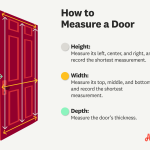
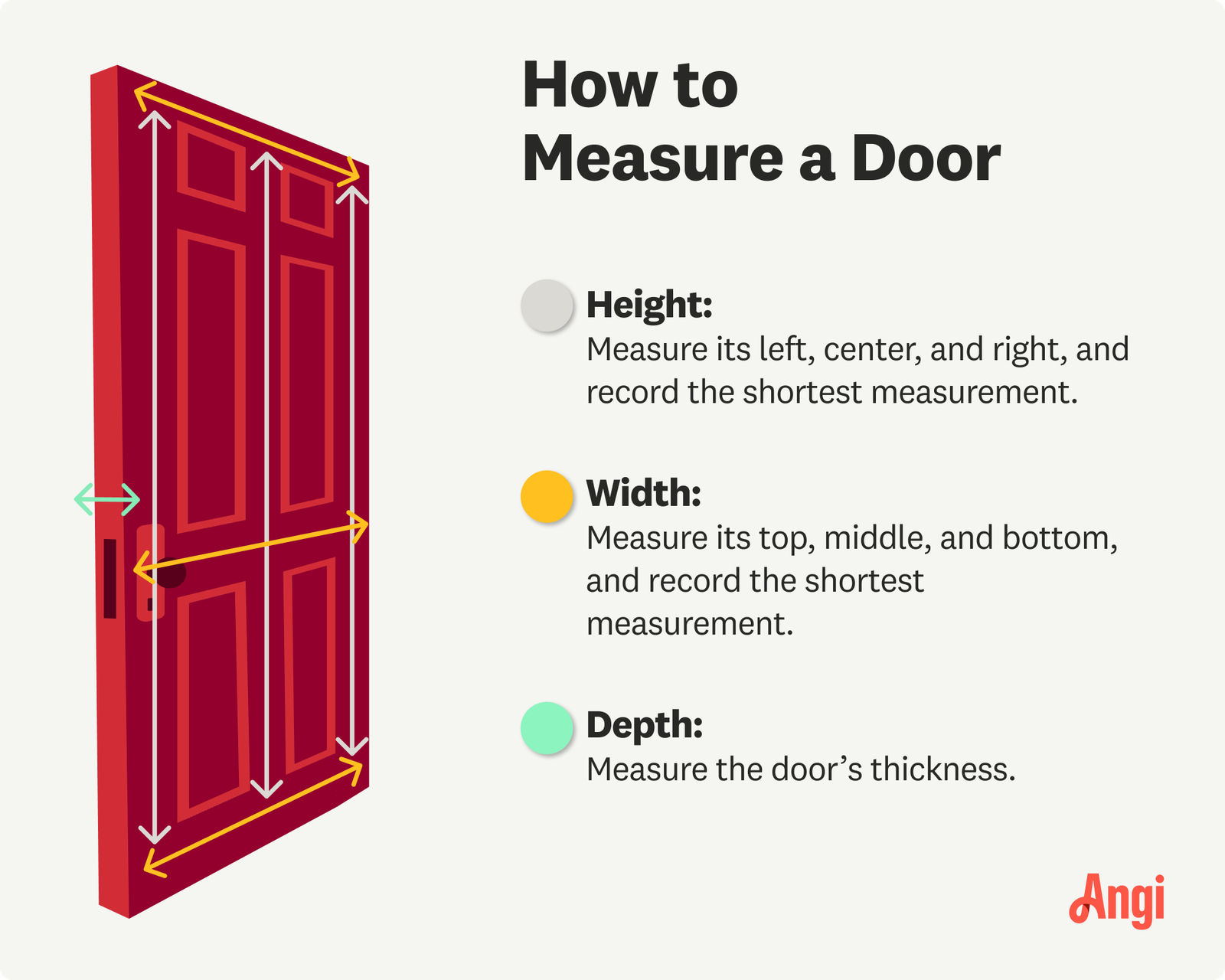
Measure the width of the door opening at three places: top, middle, and bottom. Use the smallest number for your door size.
For height, measure from the floor to the top of the opening in three spots: left, center, and right. Pick the shortest height.
- Width: top, middle, bottom; use smallest
- Height: left, center, right; use shortest
- Always measure inside the frame
Depth And Frame Considerations
Check the depth of the door frame to ensure the new door fits well. Measure from the inside edge to the outside edge.
Look at the door frame for any damage or warping. Measure the thickness of the frame to match the new door’s jamb.
- Measure frame depth at several points
- Note any uneven or damaged areas
- Record frame thickness for door jamb
Recording Multiple Measurements
Write down all your measurements clearly and in order. This helps avoid mistakes when ordering or cutting the door.
Keep track of width, height, and depth separately. Use a notebook or a measurement sheet for better organization.
| Measurement | Top | Middle | Bottom |
|---|---|---|---|
| Width | _______ | _______ | _______ |
| Height (Left) | _______ | ||
| Height (Center) | _______ | ||
| Height (Right) | _______ | ||
| Depth | _______ | _______ | _______ |

Credit: blindmagic.com
Measuring Window Openings
Measuring window openings is important to fit new windows correctly. Accurate measurements help avoid gaps and drafts.
Use a tape measure and write down the numbers carefully. Check both width and height in several spots for the best fit.
Width And Height Accuracy
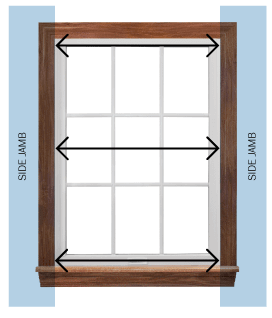
Measure the width at the top, middle, and bottom of the window frame. Write down the smallest number. Do the same for height on the left, center, and right sides.
- Use a steel tape measure for better accuracy
- Measure inside the window frame, not the wall
- Note the smallest width and height measurements
- Double-check your numbers before ordering
Assessing Window Depth
Window depth tells you how thick the window frame is. It helps decide the right window style and fit.
| Window Part | How to Measure |
| Frame Depth | Measure from inside edge to outside edge |
| Wall Thickness | Measure from interior wall surface to exterior wall surface |
| Sill Depth | Measure from window back to front edge of sill |
Handling Unusual Shapes
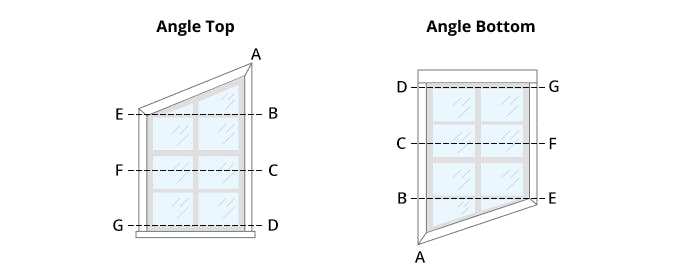
Some windows have arches, angles, or curves. Measure each section separately for best results.
Use this method for unusual shapes:
- Draw the window shape on paper.
- Mark all straight edges and curves.
- Measure each part and write down numbers.
- Include angles and radius sizes for curves.
- Take photos for reference when ordering.
Common Mistakes To Avoid
Measuring for doors and windows needs care and accuracy. Small mistakes can cause big problems in fitting and function.
Knowing common errors helps you avoid costly fixes. Focus on key areas to get precise measurements every time.
Ignoring Wall Thickness
Wall thickness affects the size of door and window frames. Many people forget to measure this and order wrong sizes.
Always measure the wall thickness at several points. Use these numbers to ensure the frame fits the wall properly.
Relying On Single Measurements
Taking only one measurement can lead to errors. Walls and openings are rarely perfectly uniform.
- Measure the width at the top, middle, and bottom
- Check the height on both sides and in the center
- Compare all measurements to find any differences
- Use the smallest measurement to order your door or window
Overlooking Level And Plumb
Doors and windows need level and plumb frames for smooth operation. Skipping this step causes gaps and poor fitting.
| Check | How to Measure | Why It Matters |
| Level | Use a spirit level on the horizontal sides | Prevents gaps and uneven gaps |
| Plumb | Place a level vertically on the sides | Keeps frames straight and aligned |
| Square | Measure diagonals inside the opening | Ensures corners are right angles |
Double-checking Your Measurements
Measuring doors and windows accurately is key to a perfect fit. Taking the time to double-check measurements helps avoid costly mistakes.
Use simple methods to confirm your numbers. Careful checking ensures your project goes smoothly without delays.
Cross-verification Techniques
Cross-verification means checking your measurements in different ways. Use a tape measure and a ruler to compare results.
- Measure width and height twice from different points
- Use a level to ensure straight lines
- Check the diagonal lengths to confirm squareness
- Compare inside and outside frame measurements
Using Templates Or Mockups
Templates help visualize the size of your door or window. You can create paper or cardboard mockups to test the fit.
| Template Type | Use | Benefit |
|---|---|---|
| Paper Template | Cut to size and place on opening | Quick and easy fit check |
| Cardboard Mockup | Build a 3D shape of door or window | Better sense of depth and clearance |
| Plastic Template | Reusable and durable shape guide | Accurate and long-lasting |
Seeking Professional Help
If unsure about your measurements, ask a professional. Experts have tools and experience to get precise sizes.
- Hire a carpenter or installer for measuring
- Use professional measuring services offered by suppliers
- Get advice on unusual or tricky openings
Recording And Communicating Data
Accurate recording and clear communication of door and window measurements are vital. These steps ensure your project runs smoothly.
Organizing data well helps avoid mistakes and saves time during ordering and installation.
Organizing Measurements Clearly
Write down each measurement separately for height, width, and depth. Label each part to avoid confusion.
- Use a notebook or digital document for all measurements.
- Group measurements by room or area.
- Include the unit of measurement (inches, centimeters).
- Double-check each measurement before recording.
Using Diagrams And Notes
Draw simple sketches to show where measurements come from. Add notes for special details.
| Measurement | Description |
| Width | Distance between the left and right frame |
| Height | Distance from the floor to the top of the frame |
| Depth | Thickness of the wall or frame |
Use arrows and labels on your diagrams to show exact points measured. This helps others understand your data.
Sharing Data With Suppliers
Send all your measurements and diagrams in one clear file. Confirm the format suppliers prefer.
- Choose a common file format like PDF or Word.
- Include contact details for quick questions.
- Highlight any special instructions or notes.
- Ask suppliers to confirm they received and understood the data.
Frequently Asked Questions
How Do I Measure Door Dimensions Accurately?
Measure the width and height inside the door frame. Use a metal tape for precision. Measure at three points and use the smallest measurement to ensure the door fits perfectly.
What Tools Are Best For Measuring Windows?
A steel tape measure and a level are essential. Use the tape to measure width and height. A level ensures your measurements are straight and accurate.
Should I Measure Windows From Inside Or Outside?
Always measure windows from the inside frame. This provides the exact size needed for new window installations. Exterior measurements can be affected by trims or siding.
How To Measure For Custom-sized Doors And Windows?
Measure the exact width, height, and depth of the opening. Record measurements at multiple points for accuracy. Provide these dimensions to the manufacturer to ensure a perfect custom fit.
Conclusion
Measuring doors and windows takes care and attention. Always double-check your numbers before buying. Use a metal tape measure for the best results. Write down each measurement clearly and keep them handy. Small mistakes can cause big problems later. Taking your time helps you get the right fit.
Proper measuring saves money and avoids delays. Remember, careful measuring leads to better results. Keep these tips in mind for your next project. Simple steps make a big difference.