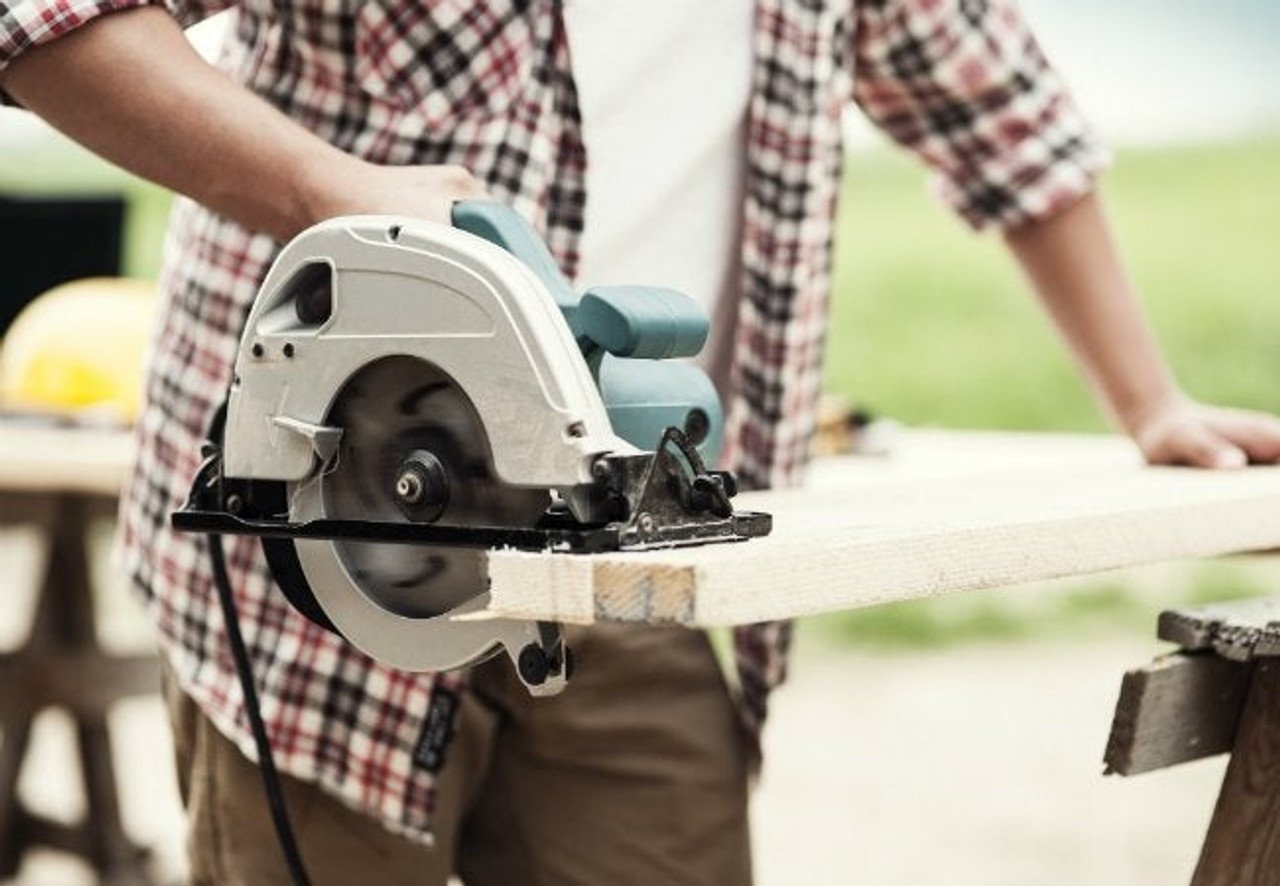
Are you tired of rummaging through your toolbox, only to find your saw blades chipped, dull, or even rusted? Storing your saw blades safely isn’t just about keeping your workspace neat; it’s about preserving your tools and ensuring safety.
When your blades are in top condition, your projects run smoother, and your cuts are precise. Imagine the peace of mind knowing that each time you reach for a blade, it’s as sharp and ready as the day you bought it.
You’ll discover simple yet effective tips to store your saw blades safely, prolonging their life and enhancing your woodworking experience. Ready to transform your tool storage game? Let’s dive in!
Choosing The Right Storage
Storing saw blades safely keeps them sharp and prevents accidents. The right storage protects blades from damage and rust.
Use storage options that fit your workspace and blade types. Good choices make your tools easy to find and use.
Wall-mounted Racks
Wall-mounted racks keep saw blades off surfaces and organized. They save space and make blades easy to reach.
- Attach racks securely to walls
- Use hooks or slots sized for blade diameter
- Keep blades separated to avoid dulling
- Label rack sections for different blade types
Blade Cases And Boxes
Blade cases and boxes protect blades from dust and moisture. They are good for transport and long-term storage.
| Type | Best For | Material |
| Plastic cases | Individual blades | Durable, lightweight |
| Wooden boxes | Multiple blades | Sturdy, protective |
| Metal tins | Small blades | Rust-resistant |
Magnetic Strips
Magnetic strips hold saw blades firmly on walls or workbenches. They offer quick access and good visibility.
- Mount strips on clean, flat surfaces
- Choose strong magnets for heavy blades
- Place blades with teeth facing away
- Check magnet strength regularly

Credit: beyondtools.com
Cleaning Blades Before Storage
Cleaning saw blades before storing them keeps them sharp and safe. Dirt and resin can damage blades over time.
Proper cleaning helps prevent rust and extends blade life. This guide covers how to clean blades well.
Removing Resin And Pitch
Resin and pitch build up on blades after cutting wood. This sticky material can harm blade edges.
To remove it, use a plastic scraper or a soft brush. Avoid metal tools to keep blades safe.
Using Blade Cleaning Solutions
Blade cleaning solutions dissolve resin and dirt quickly. Choose a solution made for saw blades.
Apply the solution, let it sit a few minutes, then wipe with a clean cloth. Repeat if needed.
- Wear gloves to protect your hands
- Work in a well-ventilated area
- Follow the product instructions closely
Drying And Rust Prevention
Dry blades fully after cleaning to stop rust from forming. Use a soft, dry cloth to remove moisture.
Apply a thin coat of oil or rust inhibitor. This layer protects metal during storage.
- Use machine oil or a specialized rust protector
- Store blades in a dry, cool place
- Keep blades in a protective case or sleeve
Protecting Blades From Damage
Storing saw blades properly keeps them sharp and safe. Proper storage prevents damage and extends blade life.
Damage to blades can cause poor cuts and increase safety risks. Use smart storage habits to protect your blades.
Avoiding Moisture Exposure
Moisture causes rust and corrosion on saw blades. Keep blades dry to avoid weakening the metal.
Store blades in a dry place with low humidity. Use silica gel packs or moisture absorbers for extra protection.
- Wipe blades dry before storing
- Keep blades away from damp areas
- Use sealed containers or bags
- Add moisture absorbers like silica gel
Preventing Blade Warping
Blade warping occurs when blades bend or twist out of shape. Warped blades do not cut well and can be unsafe.
Store blades flat or hang them properly to keep their shape. Avoid stacking heavy objects on top of blades.
- Lay blades flat on a shelf
- Hang blades by their center hole
- Do not stack blades directly on each other
- Keep blades away from heat sources
Using Blade Guards And Covers
Blade guards protect teeth from damage and protect you from sharp edges. Always use guards when storing blades.
Covers help keep dust and debris off blades. Use plastic or cloth covers made for saw blades.
- Fit guards snugly over blade teeth
- Use covers to block dust and dirt
- Replace damaged guards promptly
- Store guarded blades in a safe place
Organizing Blades For Easy Access
Keeping saw blades organized helps you find the right one quickly. It saves time and keeps your workspace safe.
Good organization also protects blades from damage. This extends their life and keeps them sharp longer.
Labeling And Categorizing
Label each blade clearly to know its use at a glance. Use simple tags or stickers for this purpose.
Group blades by their function or material type. This helps you pick the right blade without searching.
- Write blade size and type on each label
- Use waterproof labels for durability
- Arrange labels so they are easy to read
Storing By Blade Type And Size
Store blades separately based on their type like ripping, crosscut, or carbide-tipped blades. This keeps them organized.
Keep blades of the same size together. This prevents mixing and makes it easier to select the correct blade.
| Blade Type | Common Sizes | Storage Tips |
|---|---|---|
| Ripping Blades | 10″, 12″ | Store upright with separators |
| Crosscut Blades | 8″, 10″, 12″ | Use labeled slots or racks |
| Carbide-Tipped Blades | 7-1/4″, 10″ | Wrap edges in protective covers |
Maintaining Blade Sharpness
Keeping saw blades sharp is important for safety and good cuts. Sharp blades work better and last longer.
Proper storage helps protect the blades from damage. This guide covers how to keep your blades sharp.
Regular Inspections
Check your saw blades often for damage or dullness. Look for chipped teeth, rust, or cracks.
Inspecting regularly helps find problems early. Fixing issues soon keeps blades sharp and safe.
- Look for missing or broken teeth
- Check for rust or discoloration
- Examine the blade edge for dullness
- Spot any cracks or bends
Proper Handling Techniques
Handle blades with care to avoid dulling or damage. Always use gloves and hold blades by the center.
Keep blades away from moisture and dirt. Store them in a dry place, away from other tools.
- Wear gloves to protect your hands and blade
- Hold blades by the center hole or flat parts
- Use blade covers or cases for storage
- Store blades vertically or on a rack to avoid contact
When To Sharpen Or Replace
Sharpen blades when cuts become rough or slow. Blades that need too much sharpening should be replaced.
Replace blades with deep cracks, missing teeth, or heavy rust. Using damaged blades can be unsafe.
- Sharpen when cuts are uneven or slow
- Replace if teeth are broken or missing
- Replace if blade has deep cracks
- Replace if rust cannot be cleaned

Credit: www.reddit.com
Safety Tips For Handling Stored Blades
Storing saw blades safely helps prevent accidents and damage. Proper handling keeps you and others safe.
Use the right methods when removing and installing blades. Keep children away from stored blades at all times.
Wearing Protective Gloves
Always wear thick gloves when touching saw blades. Gloves protect your hands from sharp edges and cuts.
- Choose gloves made from cut-resistant materials.
- Check gloves for holes or tears before use.
- Replace gloves if they become damaged or worn out.
Safe Removal And Installation
Handle blades carefully during removal and installation. Use tools designed for blade changes to avoid slips.
| Action | Safety Tip |
| Removing blade | Turn off and unplug the saw before starting |
| Installing blade | Align blade teeth correctly and tighten securely |
| Handling blade | Hold blade by center hole, not sharp edges |
Keeping Blades Away From Children
Store blades out of reach of children. Unsafe access can cause serious injuries.
- Keep blades in locked cabinets or boxes.
- Label storage containers clearly as sharp tools.
- Educate children about dangers of saw blades.

Credit: allflavorworkshop.com
Frequently Asked Questions
How Should I Store Saw Blades To Prevent Damage?
Store saw blades in a dry, clean place away from moisture. Use blade protectors or cases to avoid nicks and rust. Hang blades individually or keep them flat to prevent warping and maintain sharpness.
What Materials Are Best For Saw Blade Storage?
Use wood, plastic, or metal racks designed for saw blades. Avoid storing blades directly on concrete or metal surfaces, which cause rust. Proper materials help maintain blade integrity and extend tool life.
Can I Store Saw Blades Stacked Together Safely?
Stacking saw blades without protection can cause dulling and damage. If stacking is necessary, place cardboard or felt separators between blades. This prevents metal-to-metal contact and keeps blades sharp longer.
How Often Should Saw Blades Be Checked During Storage?
Check saw blades monthly for rust, damage, or dullness. Clean and oil blades if needed to prevent corrosion. Regular inspection ensures blades stay in good condition and ready for use.
Conclusion
Storing saw blades safely keeps them sharp and lasts longer. Use proper racks or cases to protect the teeth. Keep blades dry and clean to avoid rust. Label each blade to find them quickly later. Regular care makes your tools ready for every job.
Simple steps save money and time in the long run. Safe storage helps you work better and stay safe too. Remember, good habits protect your tools and your work.