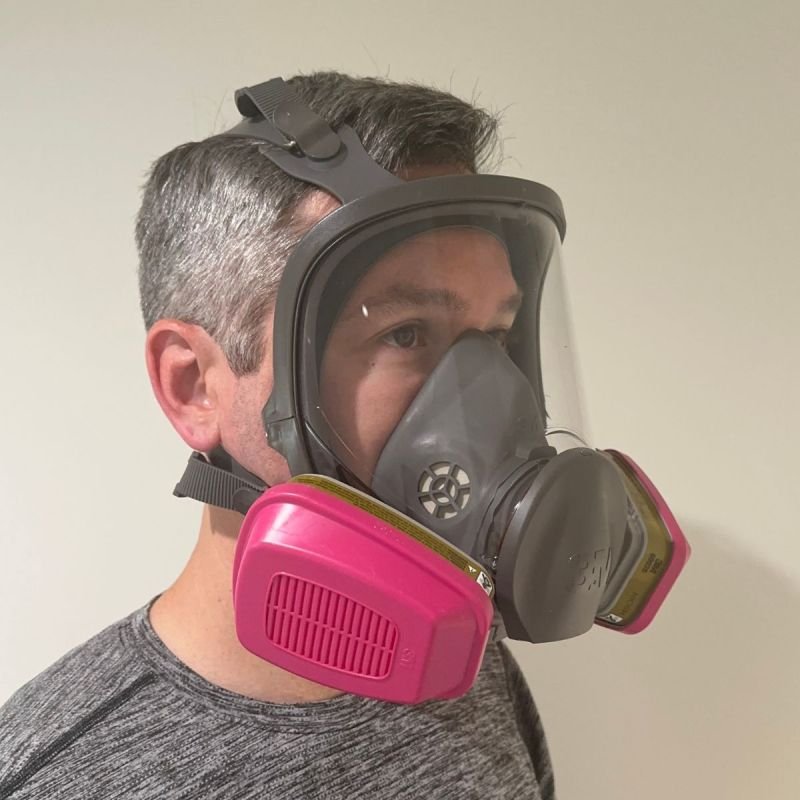
Are you concerned about protecting yourself from harmful chemicals in your work environment? If so, using a full-face respirator could be your best defense.
Whether you’re a professional dealing with hazardous materials or a DIY enthusiast tackling a home project, understanding how to properly use this essential safety gear is crucial. Imagine the peace of mind knowing that you’re shielded from potentially dangerous substances.
In this guide, you’ll discover the step-by-step process to confidently wear and maintain a full-face respirator, ensuring your safety and well-being. Don’t let uncertainty compromise your health—read on to empower yourself with the knowledge you need to stay protected.
Choosing The Right Respirator
Using a full-face respirator protects you from harmful chemicals. Picking the right one keeps you safe and comfortable.
This guide helps you choose the right respirator by looking at types, filters, and fit.
Types Of Full-face Respirators
Full-face respirators cover your eyes, nose, and mouth. They protect against gases, vapors, and particles.
- Air-purifying respirators use filters to clean the air you breathe.
- Supplied-air respirators give clean air from a tank or hose.
- Powered air-purifying respirators use a battery to pull air through filters.
Selecting Filters And Cartridges
Filters and cartridges block harmful chemicals and particles. Choose them based on the chemicals you face.
| Filter Type | Protection | Use Example |
| Particulate | Dust and mist | Sanding or grinding |
| Gas and Vapor | Organic vapors | Pesticide spraying |
| Combination | Both particles and gases | Chemical handling |
Sizing And Fit Considerations
A good fit stops leaks and keeps you safe. Measure your face and test the seal before use.
- Check straps and adjust for comfort.
- Perform a user seal check each time you wear it.
- Try different sizes to find the best fit.
- Avoid facial hair that breaks the seal.

Credit: trueprepper.com
Preparing For Use
Using a full-face respirator needs careful preparation. This ensures safety and effective chemical protection.
Check the respirator and its parts before every use. Follow simple steps to prepare it properly.
Inspecting The Respirator
Look for cracks, tears, or dirt on the facepiece. Make sure the straps are strong and not stretched out.
- Check the lens for scratches or cracks
- Inspect the seal to ensure it is soft and flexible
- Test the straps for elasticity and damage
- Verify valves are clean and work well
Cleaning And Maintenance
Clean the respirator after each use. Proper cleaning keeps it safe to wear and lasts longer.
| Cleaning Step | Instructions |
|---|---|
| Remove filters | Take off filters or cartridges before cleaning |
| Wash facepiece | Use warm water and mild detergent |
| Rinse | Rinse with clean water to remove soap |
| Dry | Air dry in a clean area away from sunlight |
| Store | Keep in a dry, cool place in a sealed container |
Checking Filter Expiration Dates
Filters lose protection over time. Always check the expiration date before use.
- Look at the label on each filter or cartridge
- Do not use filters past the expiration date
- Replace filters if damaged or clogged
- Keep spare filters ready for quick changes
Putting On The Respirator
Using a full-face respirator protects you from harmful chemicals. It is important to put it on correctly for safety.
Follow clear steps to wear the respirator properly and ensure a good fit. This helps keep dangerous substances out.
Proper Donning Steps
Start by holding the respirator with both hands. Place your chin inside the mask first, then pull the straps over your head.
Make sure the mask covers your nose and mouth completely. Avoid touching the inside of the mask to keep it clean.
- Hold the mask with both hands
- Place chin inside the mask
- Pull straps over the head
- Cover nose and mouth fully
- Avoid touching inside of mask
Adjusting Straps For Comfort
Loosen all straps before putting on the respirator. After placing it on your face, tighten the straps evenly to fit snugly.
Do not make straps too tight. They should hold the mask firmly but still feel comfortable for long wear.
- Loosen straps before donning
- Tighten straps evenly
- Keep mask snug but comfortable
- Adjust straps if pressure causes pain
Seal Check Techniques
Check the mask seal each time you put it on. Cover the filter with your hands and breathe in gently to test the seal.
If air leaks in, adjust the mask and straps. Repeat the check until no air enters around the edges.
- Cover filter with your hands
- Inhale gently to create suction
- Feel for any air leaks
- Adjust mask or straps if needed
- Repeat check until seal is tight

Credit: www.amazon.com
Using The Respirator Safely
A full-face respirator protects you from harmful chemicals. Using it safely keeps you healthy in risky environments. Always check your respirator before use.
Follow safety rules to avoid exposure. Learn to spot problems early and keep your respirator working well.
Working In Chemical Environments
Wear your respirator whenever chemicals are in the air. Make sure it fits tightly on your face. Avoid touching the mask or your face while working.
- Inspect the respirator for cracks or damage before use
- Use the right filter for the chemicals present
- Keep the mask clean and dry when not in use
- Do not eat, drink, or smoke while wearing the respirator
- Store the respirator in a safe, clean place
Monitoring Filter Life
Filters remove harmful particles and gases. They have a limited life and must be replaced on time. Check the filter’s expiry date and condition often.
| Filter Type | Typical Life Span | Signs to Replace |
|---|---|---|
| Particulate Filter | Up to 40 hours of use | Increased breathing resistance |
| Gas and Vapor Cartridge | 8 hours or as per manufacturer | Smell or taste of chemicals |
| Combination Filter | Varies by exposure | Physical damage or contamination |
Recognizing Signs Of Respirator Failure
Watch for warning signs that your respirator is not working well. If you notice any, stop work and replace or fix the equipment.
- Difficulty breathing through the respirator
- Leaks or gaps around the face seal
- Fogging of the mask lens
- Unusual smells or tastes inside the mask
- Physical damage like cracks or broken straps
Removing And Storing The Respirator
Using a full-face respirator properly is vital for chemical protection. Removing and storing it correctly keeps you safe and extends its life.
Follow clear steps to take off your respirator, clean it well, and store it properly. This guide helps you do that safely.
Safe Removal Procedures
Remove your respirator carefully to avoid touching contaminated surfaces. Always remove it in a clean area.
- Wash your hands with soap and water before touching the respirator.
- Loosen the straps gently without pulling over your head.
- Remove the respirator by lifting it away from your face.
- Avoid touching the inside of the mask or the filters.
- Place the respirator on a clean surface for cleaning.
Cleaning After Use
Cleaning removes harmful chemicals and dirt. Use mild soap and warm water only.
- Disassemble parts as per the manufacturer’s instructions.
- Wash the facepiece and valves carefully with soap and water.
- Rinse all parts thoroughly to remove soap residue.
- Air dry the parts in a clean area away from direct sunlight.
- Do not use harsh chemicals or abrasive tools.
Storage Best Practices
Store your respirator properly to keep it clean and ready. Use a dry, cool place away from sunlight and chemicals.
| Storage Tip | Reason |
|---|---|
| Keep in a sealed plastic bag | Protects from dust and moisture |
| Store away from heat sources | Prevents damage to materials |
| Do not crush or deform | Maintains proper fit and seal |
| Label storage container | Identifies respirator to avoid mix-ups |
Common Mistakes To Avoid
Using a full-face respirator correctly is important for chemical protection. Many people make simple mistakes that reduce safety.
Avoid these common errors to ensure your respirator works well every time you need it.
Incorrect Fit Issues
A poor fit lets harmful chemicals enter the mask. Many users do not check the seal properly.
Facial hair, loose straps, or wrong size can cause leaks. Always do a fit test before use.
- Remove beards or stubble under the mask
- Tighten straps evenly and firmly
- Choose the correct size for your face
- Perform a seal check every time you wear it
Ignoring Filter Replacement
Filters block harmful chemicals but lose effectiveness over time. Using old filters puts you at risk.
Do not wait for heavy breathing before changing filters. Follow the manufacturer’s schedule for replacement.
- Check filters before each use
- Replace filters after exposure or if damaged
- Store filters in a clean, dry place
- Use the correct filter type for the chemicals
Poor Maintenance Habits
Dirty masks and parts reduce protection and cause skin problems. Cleaning and storing the respirator is important.
Skipping maintenance can also damage the mask. Check all parts regularly and clean after each use.
- Wash the mask with mild soap and water
- Dry it completely before storing
- Inspect valves and seals for damage
- Store in a sealed container away from chemicals
Additional Safety Tips
Using a full-face respirator for chemical protection requires more than just wearing the mask. You must follow extra safety steps to stay fully protected.
These tips focus on how to combine gear, learn proper use, and prepare for emergencies.
Combining Respirators With Other Ppe
Wearing a full-face respirator is not enough by itself. Use it with other personal protective equipment (PPE) to block all hazards.
- Wear chemical-resistant gloves to protect your hands.
- Use protective clothing to cover your body fully.
- Wear safety goggles if your respirator does not seal well around the eyes.
- Put on safety boots to protect your feet from spills.
Training And Practice
Knowing how to use your respirator is key. Training helps you use it correctly and quickly in any situation.
| Training Topic | Purpose |
| Fit Testing | Ensure the respirator seals properly to your face. |
| Donning and Doffing | Practice putting on and taking off the respirator safely. |
| Filter Replacement | Learn when and how to change filters to stay protected. |
| Maintenance | Keep the respirator clean and in good working order. |
Emergency Response Preparedness
Be ready for emergencies by knowing what to do if something goes wrong while wearing the respirator.
- Keep emergency contact numbers nearby.
- Know where to find emergency showers and eye wash stations.
- Practice quick removal of the respirator if needed.
- Have a backup respirator available in case of failure.
- Learn first aid for chemical exposure.

Credit: www.amazon.com
Frequently Asked Questions
What Is A Full-face Respirator Used For?
A full-face respirator protects your eyes, nose, and mouth from hazardous chemicals. It creates a tight seal to prevent harmful particles and vapors from entering your respiratory system. This makes it essential for chemical handling and industrial safety.
How Do You Properly Fit A Full-face Respirator?
To fit a full-face respirator, first adjust the straps for a snug fit. Perform a seal check by covering the filter and breathing in. If the mask collapses slightly without leaks, the fit is secure. Proper fitting ensures maximum chemical protection.
When Should You Replace Full-face Respirator Filters?
Replace filters when breathing becomes difficult or you detect odors or tastes. Also, follow the manufacturer’s guidelines or after exposure to hazardous chemicals. Regular replacement ensures the respirator maintains effective protection against chemical contaminants.
Can You Wear Glasses With A Full-face Respirator?
Yes, many full-face respirators allow wearing prescription glasses inside. Some models offer inserts or prescription lens kits. Ensure your glasses fit comfortably without breaking the mask’s seal for effective protection.
Conclusion
Using a full-face respirator protects you from harmful chemicals effectively. Always check the fit before entering a hazardous area. Clean and store the mask properly after each use. Replace filters regularly to maintain safety and air quality. Remember, your health depends on proper respirator use.
Stay safe and follow all safety steps carefully. This simple gear can keep you safe in tough environments. Don’t skip any part of the process. Safety first, always.