Are your garden scissors not cutting like they used to? A simple yet crucial task can make all the difference: sharpening them.
Keeping your garden scissors sharp not only saves you time and effort but also ensures precise cuts, promoting healthier plant growth. Imagine slicing through branches and stems effortlessly, without the frustration of jagged edges or repeated attempts. In this guide, you’ll discover easy and efficient techniques to sharpen your garden scissors, turning them back into the reliable tool they once were.
Stay with us, and let’s get those blades back in top shape together!
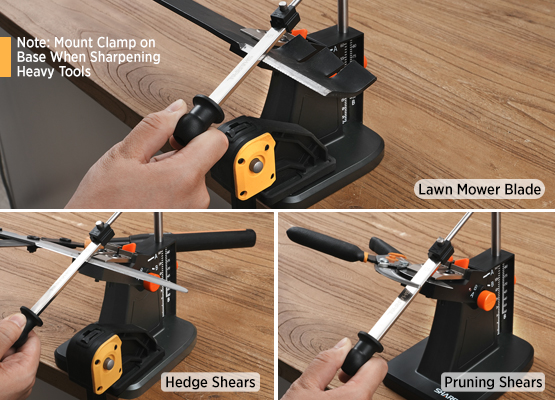
Credit: sharpal.com
Tools Needed For Sharpening
Sharpening garden scissors requires the right tools for the best results. Using proper tools helps keep the blades sharp and safe to use.
This guide covers the main tools you need to sharpen your garden scissors efficiently and maintain their cutting power.
Choosing The Right Sharpener
Selecting the correct sharpener is important. A dull or wrong sharpener can damage your scissors.
- Sharpening Stone:A fine-grit stone works well for most garden scissors. It smooths and sharpens the edges.
- Diamond File:Great for very dull or damaged blades. It removes tough rust or nicks.
- Sharpening Rod:Handy for quick touch-ups and maintaining the edge between deep sharpening.
- Handheld Sharpener:Easy to use and portable. It works best for light sharpening.
Additional Helpful Tools
| Tool | Use |
| Cleaning Cloth | Wipes away dirt and metal filings after sharpening |
| Lubricating Oil | Keeps scissors moving smoothly after sharpening |
| Protective Gloves | Protects your hands during sharpening |
| Clamp or Vise | Holds scissors steady while sharpening |
These extra tools help make sharpening easier and safer. They also improve the life of your garden scissors.

Credit: www.sublimegardens.co.uk
Preparing The Scissors
Before sharpening garden scissors, you need to prepare them well. Proper preparation makes sharpening easier and better.
Take your time to get the scissors ready. This will help protect the blades and improve their sharpness.
Cleaning The Blades
Clean the blades to remove dirt, sap, and rust. Dirty blades can stop the sharpener from working well.
Use warm water and soap to wash the blades. Dry them completely with a cloth to stop rust from forming.
- Use a soft cloth or brush to clean the blades
- Remove sticky sap with rubbing alcohol or nail polish remover
- Dry blades fully before sharpening
- Wear gloves to protect your hands
Checking For Damage
Look closely at the blades for any cracks, chips, or bends. Damaged scissors need extra care or repair.
If you find damage, do not sharpen until fixed. Sharpening broken blades can make the problem worse.
- Check the cutting edges for nicks or dents
- Look for bent or misaligned blades
- Test the scissors by opening and closing smoothly
- Replace parts or buy new scissors if damaged badly
Sharpening Techniques
Keeping garden scissors sharp makes cutting easier and safer. Dull blades can damage plants and tire your hands.
Use the right sharpening tools for the best results. This guide shows three common ways to sharpen your scissors.
Using A Sharpening Stone
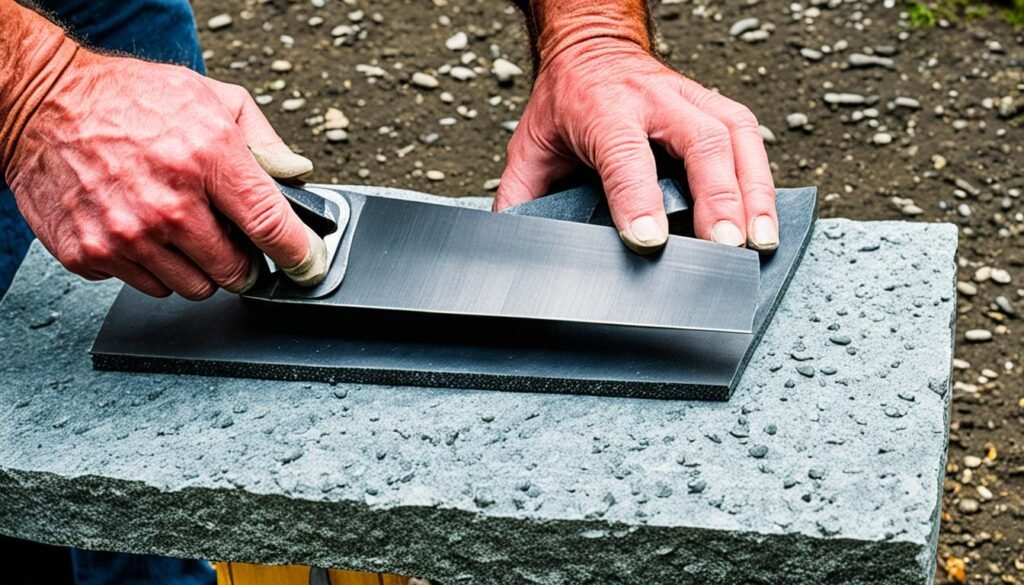
A sharpening stone smooths and sharpens the blade edge. You need a wet or oil stone to prevent damage.
First, clean the scissors. Hold the blade flat on the stone. Move it in one direction, keeping the angle steady.
- Wet the sharpening stone with water or oil.
- Open the scissors wide for full blade contact.
- Slide the blade along the stone away from the cutting edge.
- Repeat 10 to 15 times per side.
- Wipe the blade clean after sharpening.
Employing A Metal File
A metal file works well for quick sharpening or rough edges. Use a fine-toothed file for smooth results.
Hold the blade firmly. Push the file along the blade edge in one direction. Keep the angle close to the original bevel.
| Tool | Best Use | Tip |
| Metal File | Quick touch-ups and rough edges | Use light, even strokes |
| Sharpening Stone | Regular sharpening for smooth edges | Keep stone wet or oiled |
| Sandpaper | Fine honing and polishing | Use fine grit for best finish |
Using Sandpaper
Sandpaper helps refine and polish the blade edge. Use fine-grit sandpaper for best results.
To sharpen with sandpaper:
- Cut the sandpaper into small strips.
- Fold the strip so the abrasive side faces out.
- Open scissors and rub the blade against the sandpaper.
- Use gentle, even strokes along the blade edge.
- Check sharpness and repeat if needed.
Safety Tips During Sharpening
Sharpening garden scissors helps them work better. It also keeps your cutting clean and smooth. Safety is important to avoid injuries during sharpening.
Use the right tools and follow safety tips. This guide focuses on protecting your hands and working in a safe place.
Protecting Your Hands
Hands are close to sharp blades. Protect them to avoid cuts and scrapes. Always wear gloves made for gardening or work.
- Wear thick gloves that fit well.
- Hold scissors firmly but keep fingers away from the blade edge.
- Use a clamp or vise to hold scissors when possible.
- Do not use your bare hands to touch the blade after sharpening.
- Keep your hands dry to prevent slipping.
Working In A Safe Environment
Choose a clean and bright workspace. Make sure there is enough light to see the blade clearly. Avoid distractions to keep focus.
| Safety Factor | Recommendation |
| Workspace | Clean, dry, and well-lit |
| Tools | Use proper sharpening stones or files |
| Position | Stable surface at waist height |
| Distractions | Minimize noise and interruptions |
| Storage | Keep scissors and tools organized and away from children |
Testing The Sharpness
After sharpening garden scissors, check if the blades cut cleanly. Testing sharpness ensures better garden work and safer use.
Use simple tests to see if the scissors slice without effort or damage.
Cutting Paper Test
Cutting paper is an easy way to check sharpness. Sharp blades cut smoothly without tearing or snagging.
- Hold a piece of plain paper firmly.
- Try cutting it with the garden scissors.
- Look for a clean, straight cut line.
- If the paper tears or folds, sharpen the blades more.
Cutting Plant Stems
Cutting real plant stems shows how scissors perform in the garden. Sharp scissors slice stems without crushing them.
| Stem Type | Expected Result | What to Do if Not Sharp |
|---|---|---|
| Soft Herb Stems | Clean cut with no squashing | Sharpen blades and test again |
| Woody Plant Stems | Smooth cut with little effort | Use pruning shears if too tough |
| Flower Stems | Cut easily without crushing | Resharpen blades if damaged |
Maintaining Sharp Scissors
Keeping garden scissors sharp helps with clean cuts and plant health.
Regular care extends the life of your scissors and makes gardening easier.
Regular Cleaning
Dirt and sap can dull blades quickly. Clean your scissors after each use.
- Wipe blades with a dry cloth to remove dirt
- Use soapy water to clean sticky sap
- Dry blades completely to stop rust
- Apply a drop of oil to blades for smooth cutting
Proper Storage
Store scissors in a dry place to prevent rust and damage.
| Storage Method | Benefit |
| Hanging on a hook | Keeps blades dry and safe |
| In a closed toolbox | Protects from dust and moisture |
| Blade covers | Prevents accidental damage |

Credit: www.familyhandyman.com
Frequently Asked Questions
How Often Should I Sharpen Garden Scissors?
Sharpen garden scissors every few months or when cutting becomes difficult. Regular sharpening keeps blades efficient and prevents damage. Frequency depends on usage and plant types you cut.
What Tools Are Best For Sharpening Garden Scissors?
Use a sharpening stone, diamond file, or specialized garden tool sharpener. These tools provide precision and maintain blade angles. Avoid coarse tools that may damage blades.
Can I Sharpen Garden Scissors At Home Safely?
Yes, sharpening garden scissors at home is safe with proper tools and care. Always wear protective gloves and follow step-by-step instructions to avoid injury and blade damage.
How Do I Maintain Garden Scissors After Sharpening?
Clean blades with a cloth and apply light oil after sharpening. Store scissors in a dry place to prevent rust. Regular maintenance extends sharpness and tool life.
Conclusion
Sharpening garden scissors keeps your tools working well. It saves time and effort during gardening tasks. Use the right tools and follow simple steps carefully. Regular sharpening prevents damage and helps your scissors last longer. Take safety precautions to avoid injuries while sharpening.
Clean and dry your scissors after each use. Practice these tips often to enjoy smooth, sharp blades every time. Your garden work will feel easier and more enjoyable. Keep your scissors sharp for better results and less frustration.