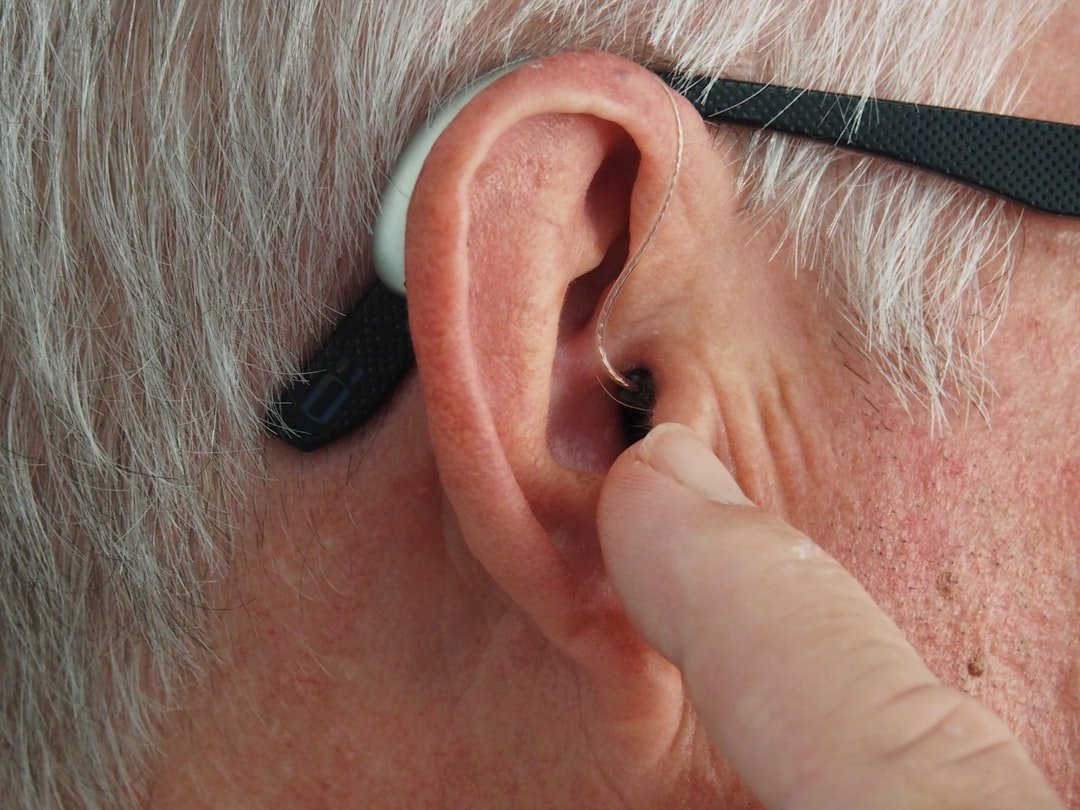
Imagine a world where you can focus effortlessly, sleep soundly, and shield your ears from the relentless noise of daily life. Sounds idyllic, right?
Whether you’re a light sleeper, a frequent traveler, or someone working in a noisy environment, ear plugs can be your secret weapon for peace and quiet. They’re not just for the occasional loud concert or airplane journey; they can be a vital part of your everyday routine for long-term noise protection.
In this guide, you’ll discover how to effectively use ear plugs to transform your auditory experience and safeguard your hearing. Curious about the best types and tips for maximizing their benefits? Keep reading to unlock the secrets to a quieter, more tranquil life.
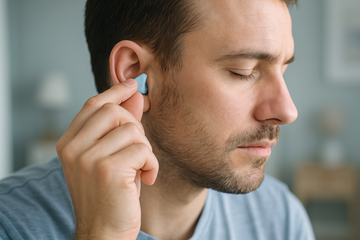
Credit: otifleks.com
Benefits Of Long-term Ear Plug Use
Using ear plugs for a long time helps protect your ears from loud sounds. They are simple tools that keep your hearing safe.
Long-term use of ear plugs can improve your health and comfort in noisy places. They help reduce stress and improve sleep.
Protecting Hearing Health
Loud noises can damage your hearing over time. Ear plugs reduce the noise level that reaches your ears.
Wearing ear plugs regularly helps prevent hearing loss and ear pain caused by loud environments.
- Reduce exposure to harmful noise levels
- Prevent permanent hearing damage
- Protect ears during concerts, work, or travel
Reducing Noise-induced Stress
Constant loud noise can cause stress and make it hard to focus. Ear plugs help lower noise and calm your mind.
They create a quieter space, reducing headaches and tension caused by noise pollution.
- Lower stress levels in noisy places
- Improve concentration at work or study
- Reduce headaches and irritability
Improving Sleep Quality
Loud sounds can disturb your sleep and cause tiredness. Ear plugs block unwanted noise to help you rest better.
Using ear plugs at night can improve deep sleep and help you wake up feeling refreshed.
- Block noises like traffic and snoring
- Help you fall asleep faster
- Support longer and deeper sleep

Credit: www.hearingaidsbytricialeagjeld.com
Types Of Ear Plugs
Ear plugs help protect your ears from loud noises. They come in different types. Each type has its own use and comfort level.
Choosing the right ear plugs can keep your ears safe for a long time. Learn about the main types below.
Foam Ear Plugs
Foam ear plugs are soft and expand to fit your ear canal. They are cheap and easy to use. Many people use them for sleeping or noisy work.
They block noise well but may not last long. You should replace them after each use.
Silicone Ear Plugs
Silicone ear plugs are flexible and can be shaped to fit your ears. They are reusable and easy to clean. Some types sit at the ear opening instead of going inside.
- Good for swimming to keep water out
- Provide moderate noise reduction
- Comfortable for long use
- Available in different sizes
Custom Molded Ear Plugs
Custom molded ear plugs are made from a mold of your ear. They fit perfectly and offer great comfort. These plugs give excellent noise protection.
| Feature | Benefit |
| Perfect fit | Comfort all day |
| Durable material | Lasts for years |
| High noise reduction | Protects in loud environments |
| Can include filters | Allows some sound in |
Electronic Ear Plugs
Electronic ear plugs use technology to reduce loud sounds. They let you hear soft sounds clearly. These plugs are useful for hunters and workers.
Key features include:
- Automatic noise reduction
- Volume control
- Rechargeable batteries
- Clear hearing in safe noise levels
Choosing The Right Ear Plugs
Using ear plugs can protect your ears from loud sounds. Picking the right ones helps keep your ears safe for a long time.
Different ear plugs suit different needs. Think about noise levels, comfort, and how long they last before choosing.
Assessing Noise Levels
Check how loud the noise is where you will use ear plugs. Noise is measured in decibels (dB). Higher dB means louder sound.
Choose ear plugs that reduce noise enough to protect your hearing. For very loud places, pick plugs with a higher Noise Reduction Rating (NRR).
- Quiet areas: soft foam plugs may be enough
- Moderate noise: silicone plugs work well
- Very loud noise: special high NRR plugs are best
Comfort And Fit
Comfort is key for long-term wear. Ear plugs that fit well will stay in place and not hurt your ears.
Try different shapes and sizes. Some plugs are soft foam, others are silicone or wax. Find what feels best for your ears.
- Foam plugs expand to fit ear shape
- Silicone plugs can be molded for a better fit
- Wax plugs soften to match your ear canal
Durability And Maintenance
Think about how long the ear plugs will last. Some are disposable, others can be cleaned and reused.
Reusable ear plugs need regular cleaning to stay safe and comfortable. Check the care instructions before buying.
- Disposable plugs are good for short use
- Reusable plugs save money over time
- Keep reusable plugs clean to avoid infections
Proper Ear Plug Insertion Techniques
Using ear plugs correctly helps protect your ears from loud noise. Good insertion keeps noise out and comfort in.
Follow easy steps to prepare, insert, and seal ear plugs for long-lasting noise protection.
Preparing Your Ears
Clean your ears and hands before inserting ear plugs. This stops dirt and germs from entering your ear canal.
Check your ear plugs for damage or dirt. Replace them if they are dirty or worn out.
Step-by-step Insertion
Roll the ear plug between your fingers to make it small and thin. This helps it fit easily in your ear.
Reach over your head with the opposite hand and gently pull your ear upward and outward. This straightens the ear canal.
- Roll ear plug to a tight cylinder
- Pull ear upward and outward
- Insert ear plug slowly into ear canal
- Hold ear plug in place until it expands
Ensuring Effective Seal
After inserting, check that the ear plug fits snugly and blocks sound well. It should feel comfortable, not painful.
Test the seal by covering your ears with your hands. Sounds should be quieter. If not, try reinserting the ear plugs.
Cleaning And Care For Ear Plugs
Proper cleaning and care help keep your ear plugs safe and effective. Dirt and earwax can reduce their protection.
Regular maintenance extends the life of your ear plugs and keeps your ears healthy.
Daily Cleaning Tips
Clean your ear plugs every day after use. Use mild soap and warm water to remove dirt and wax.
- Wash your hands before handling ear plugs.
- Gently rub ear plugs with soap and water.
- Rinse thoroughly to remove all soap.
- Let them air dry on a clean cloth.
- Avoid using alcohol or harsh chemicals.
Storage Best Practices
Store ear plugs in a clean, dry case to protect them from damage and dirt. Avoid leaving them loose in pockets or bags.
- Use a hard case with ventilation holes.
- Keep the case away from extreme heat or sunlight.
- Do not store ear plugs when wet.
- Check the case for dirt and clean it regularly.
When To Replace Ear Plugs
Replace ear plugs if they become hard, cracked, or do not fit well. Old plugs lose their noise-blocking ability.
| Condition | Replacement Advice |
|---|---|
| Discoloration or Dirt Build-Up | Replace immediately to avoid infection. |
| Cracks or Tears | Do not use; buy new ear plugs. |
| Hard or Sticky Texture | Replace as they lose comfort and seal. |
| After Long Use (More than 1 Month) | Consider replacing even if no damage shows. |
Potential Risks And How To Avoid Them
Using ear plugs for long-term noise protection can help prevent hearing loss. Still, improper use may cause problems. Knowing the risks helps you use ear plugs safely.
This guide covers common issues like ear infections, earwax buildup, and hearing damage. Follow simple tips to avoid these problems.
Ear Infections
Ear plugs can trap moisture inside your ear. This warm, wet place may cause infections. Using dirty ear plugs can also bring germs into the ear canal.
To avoid infections, keep your ear plugs clean and dry. Do not share ear plugs with others. Remove them if your ears feel sore or itchy.
- Clean reusable ear plugs after each use
- Use disposable ear plugs only once
- Store ear plugs in a dry, clean case
- Take breaks to let your ears breathe
Earwax Buildup
Ear plugs block the natural flow of earwax out of the ear. This can cause earwax to build up inside. Too much earwax can cause discomfort and reduce hearing.
To prevent buildup, clean your ears gently and avoid using cotton swabs inside the ear canal. Remove ear plugs regularly to let earwax clear naturally.
- Clean outer ear with a washcloth
- Avoid pushing earwax deeper with objects
- Use ear plugs for shorter periods when possible
- Consult a doctor if you feel ear fullness or pain
Hearing Damage From Improper Use
Wrong use of ear plugs can still harm your hearing. Using damaged or poor-fitting plugs may not block noise well. This can cause you to raise your voice or expose your ears to loud sounds.
Choose the right ear plugs for your ears. Insert them properly and replace them if worn out. Do not rely only on ear plugs in very loud places.
- Pick ear plugs that fit your ear size
- Follow instructions to insert ear plugs correctly
- Replace ear plugs if they lose shape or get dirty
- Use ear plugs with other noise protections if needed
Incorporating Ear Plugs Into Daily Routine
Using ear plugs regularly helps protect your hearing from loud sounds. You can add them to your daily habits for better noise control.
This guide covers how to use ear plugs at work, during sleep, and while traveling or enjoying leisure time.
Workplace Noise Protection
Many jobs expose workers to loud noises that can damage hearing. Ear plugs reduce sound levels and keep ears safe.
- Wear ear plugs before starting noisy tasks.
- Keep extra ear plugs at your workplace.
- Choose ear plugs that fit well and block sound effectively.
- Replace disposable ear plugs daily for hygiene.
- Clean reusable ear plugs as recommended.
Using Ear Plugs While Sleeping
Ear plugs help block noises that can disturb your sleep. This improves rest quality and reduces stress.
| Type of Ear Plug | Comfort Level | Noise Reduction |
| Foam | High | Good |
| Silicone | Medium | Moderate |
| Wax | High | Excellent |
Ear Plugs For Travel And Leisure
Travel and leisure activities can be noisy. Ear plugs help you enjoy the moment without loud distractions.
Tips for Using Ear Plugs During Travel and Leisure
- Use ear plugs on airplanes to reduce engine noise.
- Wear ear plugs at concerts to protect hearing.
- Keep ear plugs handy in busy places like trains or buses.
- Clean ear plugs after outdoor use to remove dirt.
Advanced Tips For Maximum Noise Protection
Using ear plugs alone can reduce noise, but combining methods improves protection. This guide covers ways to boost your hearing safety.
Learn how to combine ear plugs with other gear, adjust fit for different tasks, and track your hearing health over time.
Combining Ear Plugs With Other Gear
Pair ear plugs with earmuffs or noise-canceling headphones for better noise blocking. This helps in very loud environments.
- Wear earmuffs over ear plugs to seal gaps and add layers.
- Use noise-canceling headphones when working with machines.
- Choose gear that fits well together without causing discomfort.
- Inspect all devices regularly for damage or wear.
Customizing Fit For Different Activities
Different activities need different ear plug fits. Adjusting fit improves comfort and noise blocking.
| Activity | Recommended Fit | Notes |
| Sleeping | Soft, foam ear plugs | Comfort is key for long wear |
| Concerts | Filtered ear plugs | Reduces volume without muffling sound |
| Industrial work | Custom molded plugs | Ensures tight seal and protection |
| Swimming | Waterproof plugs | Prevents water and noise entry |
Tracking Hearing Health Progress
Regularly check your hearing to catch problems early. Use simple tools and keep notes of any changes.
- Schedule hearing tests every year.
- Use apps that measure noise exposure.
- Write down any ringing or discomfort in ears.
- Adjust ear plug use based on test results.

Credit: cpdonline.co.uk
Frequently Asked Questions
What Are The Best Ear Plugs For Long-term Noise Protection?
The best ear plugs for long-term use are made from soft, hypoallergenic materials. They provide a comfortable fit and high noise reduction rating (NRR). Foam and silicone ear plugs are popular for durability and effectiveness in continuous noise environments.
How Do I Properly Insert Ear Plugs For Maximum Protection?
To insert ear plugs correctly, roll them into a small, crease-free cylinder. Gently pull your ear upward and backward, then insert the plug deeply. Hold it in place until it expands to fill the ear canal, ensuring a tight seal for optimal noise blocking.
Can Wearing Ear Plugs Long-term Cause Ear Infections?
Wearing ear plugs long-term can increase infection risk if not cleaned regularly. Always use clean, dry plugs and avoid sharing them. Remove plugs before sleeping if possible and allow ears to breathe, reducing the chance of bacteria buildup and irritation.
How Often Should Ear Plugs Be Replaced For Safety?
Replace disposable ear plugs after each use to maintain hygiene and effectiveness. Reusable plugs should be cleaned after every use and replaced every few months or when they show signs of wear or damage to ensure proper noise protection.
Conclusion
Using ear plugs regularly helps protect your ears from loud noise. Choose the right type for comfort and safety. Clean and store them properly to avoid infections. Replace ear plugs often to keep them effective. Protecting your hearing is important for long-term health.
Small steps today can prevent big problems later. Keep your ears safe and enjoy quiet moments. Your hearing deserves care every day.