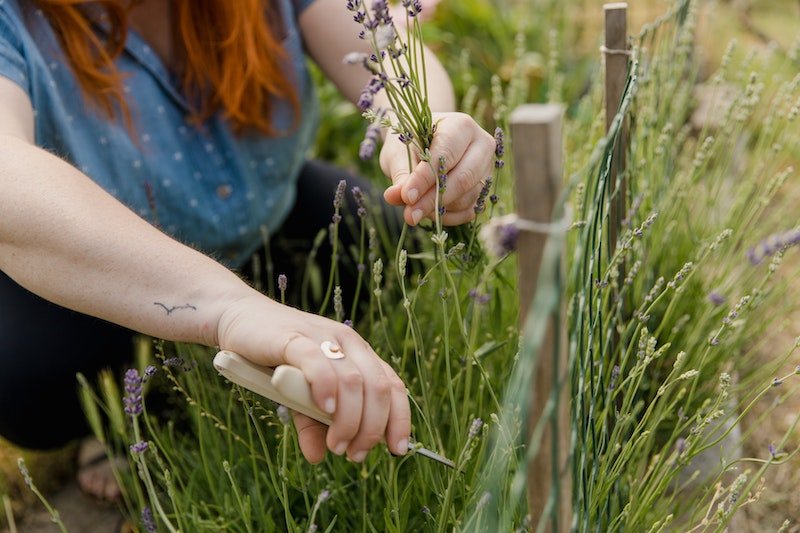
Are you ready to transform your garden into a thriving paradise this spring? If you’re a gardening enthusiast, you know that cutting back perennials is a crucial task for a lush and healthy garden.
But how do you ensure you’re doing it safely and effectively? You don’t want to accidentally damage your beloved plants! In this guide, you’ll discover simple yet powerful tips to prune your perennials like a pro. Imagine the satisfaction of seeing your garden bloom with vibrant colors and vitality! Stick with us, and we’ll unravel the secrets to cutting back perennials safely, ensuring your garden becomes the envy of the neighborhood.
Ready to get started? Let’s dive in!
Why Cut Back Perennials
Cutting back perennials in spring helps prepare plants for new growth. It removes old leaves and stems left from last year.
This process keeps your garden tidy and supports healthy plants throughout the growing season.
Benefits For Plant Health
Removing dead or damaged parts reduces disease risks. It stops pests from hiding in old plant material.
Cutting back also improves air flow around plants. Good air flow helps prevent fungal infections and keeps plants strong.
- Reduces disease and pest problems
- Improves air circulation
- Removes damaged or weak growth
Promoting New Growth
Cutting back old growth encourages new shoots to emerge. This helps plants grow fuller and healthier.
New growth also means more flowers and leaves later in the season. It gives your perennials a fresh start.
- Stimulates fresh shoots
- Increases flower production
- Supports strong, healthy plants
Enhancing Garden Appearance
Cutting back perennials makes your garden look neat and cared for. It removes old, brown growth that can look messy.
This cleanup creates space for new leaves and flowers to shine. Your garden will look fresh and inviting all season.
- Removes dead plant parts
- Improves garden tidiness
- Highlights new growth and blooms
Best Time To Cut Back
Cutting back perennials in spring helps plants grow healthy and strong. Knowing the right time to prune avoids damage and supports new growth.
Timing depends on weather and plant type. Watch your garden carefully to pick the best moment for cutting back.
Signs Of Spring Readiness
Look for these signs to know when perennials are ready to be cut back:
- New green shoots emerging from the base
- Soil warming up to at least 50°F (10°C)
- Old stems drying and becoming brittle
- Plants showing early flower buds
Avoiding Frost Damage
Cutting back too early can harm plants if frost returns. Wait until the danger of frost has passed in your area. Protect young shoots with mulch or covers if frost is still possible.
Timing For Different Perennials
| Perennial Type | When to Cut Back | Notes |
| Early Bloomers (e.g., Peonies) | After blooming in late spring | Cut old stems after flowers fade |
| Late Bloomers (e.g., Daylilies) | Early spring before new growth | Cut back old foliage before buds show |
| Evergreen Perennials (e.g., Hellebores) | Late winter or early spring | Remove dead or damaged leaves only |
| Herbaceous Perennials | Early spring when new shoots appear | Cut back all old growth to the ground |
Tools You Need
Cutting back perennials in spring helps plants grow healthy and strong. Using the right tools makes the job easier and safer.
This guide covers the tools you need to cut back perennials safely and effectively.
Essential Pruning Tools
Sharp and clean pruning tools help you make neat cuts. This reduces plant damage and speeds healing.
- Hand pruners: Good for small stems up to ¾ inch thick.
- Loppers: Ideal for thicker stems between ¾ and 1½ inches.
- Pruning saw: Useful for very thick branches and woody stems.
- Garden scissors: Great for trimming soft stems and dead flowers.
Safety Gear Recommendations
Wear safety gear to protect yourself from cuts, scratches, and dirt. This keeps gardening safe and comfortable.
- Gloves: Protect hands from thorns and sharp edges.
- Safety glasses: Shield eyes from flying debris.
- Long sleeves and pants: Prevent scratches and skin irritation.
- Sturdy shoes: Support feet and prevent slips.
Tool Maintenance Tips
Keep tools clean and sharp for best results. Well-maintained tools last longer and work better.
- Clean tools after each use with water and a brush.
- Dry tools completely to stop rust from forming.
- Sharpen blades regularly using a sharpening stone or file.
- Apply oil to metal parts to prevent rust and keep moving parts smooth.
- Store tools in a dry place away from moisture.

Credit: www.youtube.com
Step-by-step Cutting Process
Cutting back perennials in spring helps plants grow strong. It removes dead parts and makes space for new growth.
Follow these steps to cut your perennials safely and correctly. This keeps your garden healthy and neat.
Preparing The Area
Start by cleaning the area around your perennials. Remove leaves, sticks, and any debris from the soil surface.
Gather the right tools like sharp pruning shears or garden scissors. Wear gloves to protect your hands from scratches.
- Clear debris from around plants
- Use clean, sharp cutting tools
- Wear gloves for safety
Identifying What To Cut
Look closely at the plants and find dead or damaged stems. These are usually brown, dry, or broken.
Also, cut back old growth that looks weak. Leave healthy green shoots alone to grow strong this season.
- Remove brown, dry stems
- Cut broken or damaged growth
- Leave green and healthy shoots
Proper Cutting Techniques
Make clean cuts at the base of the stem, near the soil line. Avoid tearing or crushing the plant stems.
Use sharp tools and cut at a slight angle. This helps water run off and prevents disease.
- Cut close to the soil surface
- Use sharp pruning tools
- Make angled cuts to protect plants
- Avoid crushing or tearing stems
Handling Specific Perennial Types
Cutting back perennials in spring helps plants grow strong and healthy. Different types of perennials need different care. Knowing how to handle each type keeps your garden beautiful and thriving.
This guide covers three main types: flowering perennials, woody stems, and delicate varieties. Learn the best way to cut back each kind safely.
Cutting Back Flowering Perennials
Flowering perennials bloom each year and need careful pruning. Cut back old growth to make room for new shoots. Remove dead or damaged stems first. Avoid cutting too low to protect new buds.
- Cut stems just above healthy buds
- Use clean, sharp tools to avoid damage
- Trim faded flower heads to encourage new blooms
- Leave some foliage to support growth
Dealing With Woody Stems
Woody perennials have hard stems that last through winter. Cut back old wood to promote fresh growth. Remove any dead branches to improve air flow. Prune carefully to avoid harming new shoots.
| Type | Cutting Tips | When to Cut |
| Hardy woody perennials | Remove old wood near base | Early spring before new growth |
| Semi-woody perennials | Trim dead branches lightly | After last frost |
| Soft-stemmed perennials | Cut back completely if damaged | As soon as new growth appears |
Care For Delicate Varieties
Delicate perennials need gentle handling to avoid stress. Cut back slowly and only remove dead parts. Avoid cutting too early. Wait until new growth is visible to protect the plant.
- Use small, sharp scissors for precise cuts
- Do not cut below healthy leaves
- Keep soil moist after trimming
- Protect plants from late frosts

Credit: bbbarns.com
Aftercare Tips
Cutting back perennials in spring helps plants grow strong and healthy. After pruning, proper care supports new growth and prevents damage.
Follow these aftercare tips to protect your garden and help your perennials thrive throughout the season.
Cleaning Up Cuttings
Remove all cut stems and dead leaves from around your plants. This prevents pests and diseases from spreading.
Dispose of the clippings by composting or placing them in green waste bins.
Mulching And Fertilizing
Apply mulch to keep soil moist and stop weeds from growing. Use organic mulch like bark or compost.
- Spread a 2–3 inch layer of mulch around the base of plants.
- Keep mulch a few inches away from stems to avoid rot.
- Add a slow-release fertilizer to support new shoots.
- Choose fertilizer with balanced nutrients, such as 10-10-10.
Watering Guidelines
| Time | Watering Advice |
|---|---|
| Right after cutting back | Water deeply to help roots recover. |
| During dry spells | Water twice a week, early morning best. |
| After rain | Check soil moisture before watering. |
| New growth stage | Keep soil consistently moist but not soggy. |
Common Mistakes To Avoid
Cutting back perennials in spring helps plants grow strong and healthy. It is important to do it at the right time and with the right tools. Many gardeners make simple mistakes that can harm their plants.
Learning what to avoid can save your plants and make your garden look better. Here are some common errors to watch out for when cutting back perennials.
Cutting Too Early Or Late
Cutting perennials at the wrong time can stop new growth or cause damage. Cutting too early may remove buds that have not yet opened. Cutting too late may let old stems block new shoots.
- Cut back after the last frost to protect new growth.
- Wait until you see new green shoots before trimming.
- Leave old stems if they still protect the plant from cold.
Using Dull Tools
Dull tools can crush stems and make plants vulnerable to disease. Sharp tools give clean cuts that heal faster. Using the right tool also helps avoid damage.
| Tool | Use For | Benefit |
| Sharp Pruners | Small stems | Clean cuts, fast healing |
| Garden Shears | Medium stems | Even trimming |
| Pruning Saw | Thick branches | Less damage |
Over-pruning
Cutting too much can stress or kill your perennials. It is best to remove only dead or weak growth. Healthy stems help the plant grow strong again.
- Do not cut more than one-third of the plant at once.
- Leave some healthy stems to support growth.
- Focus on removing dead or damaged parts only.
Encouraging Healthy Growth

Credit: www.womanandhome.com
Frequently Asked Questions
When Is The Best Time To Cut Back Perennials In Spring?
The best time is early spring, before new growth begins. This timing helps remove dead material and encourages healthy growth. Cutting back too late can harm emerging shoots and reduce flowering potential.
How Do I Safely Cut Back Perennials Without Damage?
Use clean, sharp pruning tools to avoid injury to plants. Cut just above healthy buds or ground level, depending on the species. Avoid cutting green, living tissue to prevent stress or disease.
Should I Remove All Old Growth From Perennials?
Yes, removing old, dead growth improves air circulation and reduces pests. However, leave some stems if they protect new shoots or add winter interest. Always assess each plant’s needs individually.
Can Cutting Back Perennials Affect Their Blooming?
Proper cutting promotes stronger, healthier blooms by removing old, weak stems. Cutting too early or too late can delay or reduce flowering. Follow species-specific guidelines for best bloom results.
Conclusion
Cutting back perennials in spring helps plants grow strong and healthy. Use sharp tools and clean cuts to avoid damage. Remove dead stems carefully to encourage new growth. Watch for signs of pests or disease while trimming. Regular care keeps your garden neat and vibrant.
Start early, but only after the last frost. Remember, gentle pruning leads to better blooms later. Keep these tips in mind for a thriving garden all season. Simple steps make a big difference in plant health and beauty.