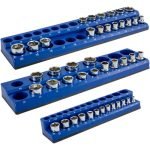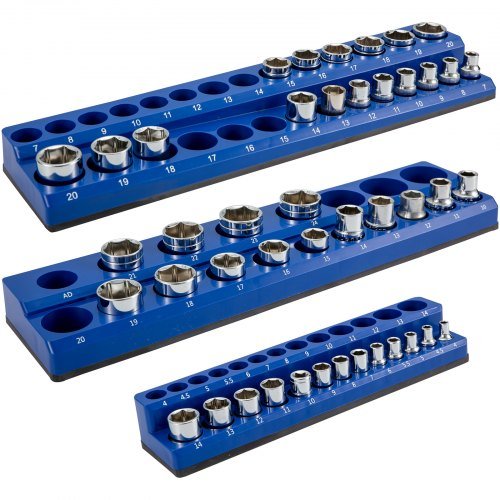
Feeling overwhelmed by your scattered socket wrenches? You’re not alone.
Keeping these essential tools organized can transform your workspace and save you time. Imagine reaching for the right socket size without frustration or delay. Sounds good, right? This guide will show you how to organize your socket wrenches efficiently, making your tasks smoother and more enjoyable.
Dive into the full article to discover simple yet effective strategies that will change how you work forever. Let’s get your tools in order and elevate your DIY game!
Choosing The Right Storage
Organizing socket wrenches keeps your workspace neat. It also helps you find tools fast.
Choosing the right storage depends on your space and tool collection. Pick what fits your needs best.
Toolboxes And Cases
Toolboxes and cases protect socket wrenches from dust and damage. They are easy to carry around.
Look for cases with custom slots. This keeps each socket wrench in place and easy to access.
- Choose sturdy materials like metal or hard plastic
- Pick a size that fits your wrench set
- Use cases with clear labels or color codes
Wall-mounted Racks
Wall-mounted racks save floor space and keep tools visible. They help you stay organized.
Install racks near your workbench for quick tool access. Make sure the rack holds the weight well.
- Use racks with hooks or pegs for socket wrenches
- Label each spot for easy identification
- Choose racks that fit your wall space
Magnetic Strips
Magnetic strips hold socket wrenches firmly on the wall. They keep tools visible and handy.
Pick magnetic strips with strong magnets. This prevents tools from falling off during work.
- Mount strips at eye level for easy reach
- Use strips for light to medium weight socket wrenches
- Keep the magnetic strip clean for best hold
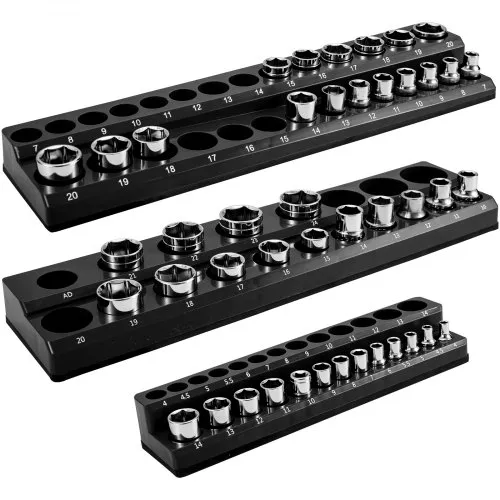
Credit: www.vevor.ca
Sorting By Size And Type
Organizing socket wrenches helps you find the right tool fast. Sorting by size and type keeps your workspace neat.
Knowing the differences between sockets makes it easier to store and use them properly.
Metric Vs Standard Sockets
Metric sockets measure in millimeters. Standard sockets use inches. It is best to keep them separate to avoid confusion.
- Label containers as Metric or Standard
- Store sockets in size order within each group
- Use trays or holders that fit each type
Deep Vs Shallow Sockets
Deep sockets reach bolts on long studs. Shallow sockets work well on flush bolts. Sorting by depth helps pick the right one quickly.
| Socket Type | Use | Storage Tip |
|---|---|---|
| Deep | Long bolts and studs | Store upright in tall compartments |
| Shallow | Standard bolts | Lay flat in trays or drawers |
Drive Sizes
Drive size is the square fitting that connects to the wrench. Common sizes are 1/4″, 3/8″, and 1/2″.
- Sort sockets by drive size
- Use separate holders or trays for each drive
- Mark storage areas with drive size labels
Labeling For Quick Access
Organizing socket wrenches helps you work faster. Labeling is key to finding the right tool quickly.
Clear labels reduce search time and keep your workspace tidy. Use simple methods for best results.
Using Tags And Stickers
Tags and stickers attach easily to wrench sets. They show sizes or types at a glance.
- Write the socket size on each tag or sticker.
- Use durable materials to avoid fading or peeling.
- Place tags on handles or storage trays.
- Make sure labels are clear and large enough to read.
Color Coding Systems
Color coding helps separate sockets by size or function. It makes sorting and finding tools fast.
| Color | Socket Size |
| Red | Small (1/4” to 3/8”) |
| Blue | Medium (7/16” to 1/2”) |
| Green | Large (9/16” and above) |
| Yellow | Specialty sockets |
Maintaining Your Socket Wrenches
Keeping your socket wrenches in good shape helps them last longer. Proper care also makes your work easier and safer.
Two important parts of maintenance are cleaning with lubrication and doing regular inspections. Both help prevent damage and rust.
Cleaning And Lubrication
After each use, clean your socket wrenches to remove dirt and grease. Use a cloth and mild cleaner for best results.
- Wipe sockets and ratchets with a dry cloth
- Use a brush to clean hard-to-reach areas
- Apply light oil to moving parts to prevent rust
- Do not soak tools in water or harsh chemicals
Regular Inspections
Check your socket wrenches often for wear or damage. Early spotting helps avoid accidents or tool failure.
| Inspection Point | What to Look For | Action Needed |
| Sockets | Cracks, chips, or worn edges | Replace damaged sockets |
| Ratchet Mechanism | Smooth operation, no sticking | Lubricate or repair as needed |
| Handle | Cracks or loose parts | Tighten or replace handle |
| Markings | Clear size labels | Repaint or relabel if faded |
Maximizing Workspace Efficiency
Keeping socket wrenches organized helps save time and space. A tidy workspace makes work easier and faster.
Using the right storage solutions keeps tools in good condition and easy to find.
Compact Storage Solutions
Compact storage helps use small spaces well. It keeps socket wrenches neat and ready to use.
- Use stackable trays to save drawer space
- Choose wall-mounted racks for quick access
- Label each socket size clearly
- Store wrenches in foam inserts to prevent movement
Portable Organizers
Portable organizers allow you to carry tools easily between jobs. They keep socket wrenches safe and in order.
| Type | Best Use | Material |
| Plastic Case | Lightweight and easy to carry | Durable plastic |
| Metal Box | Heavy-duty protection | Steel or aluminum |
| Roll-Up Pouch | Flexible and space-saving | Canvas or nylon |
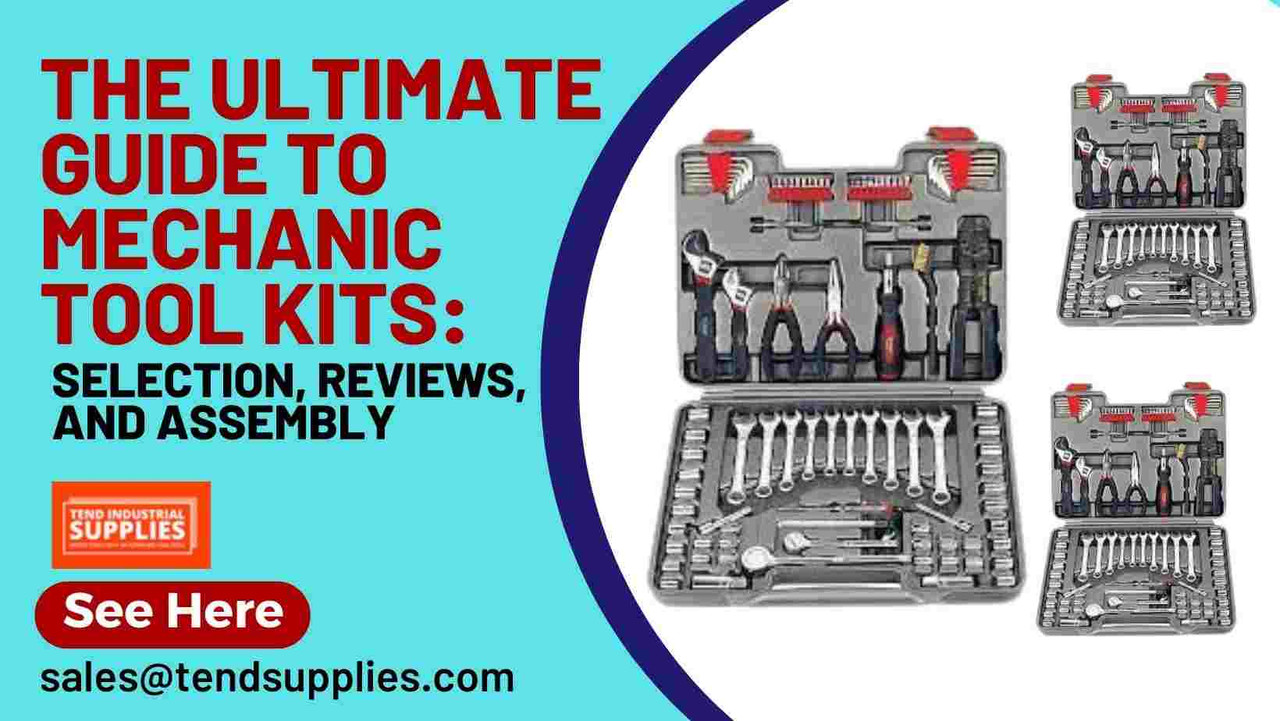
Credit: tendsupplies.com
Customizing Your Setup
Organizing socket wrenches helps you work faster and avoid losing tools. Custom setups fit your workspace and tool collection.
You can create your own organizers or use modular systems. Both options let you arrange tools in a way that suits you best.
Diy Organizers
DIY organizers are simple projects you can make at home. Use materials like wood, foam, or plastic to build holders for your sockets.
These organizers save space and keep your tools visible and easy to grab. You can design them to fit any drawer or toolbox.
- Cut foam inserts to fit each socket size
- Build wooden racks with slots for sockets
- Use magnetic strips to hold metal tools
- Label spaces for quick identification
Modular Systems
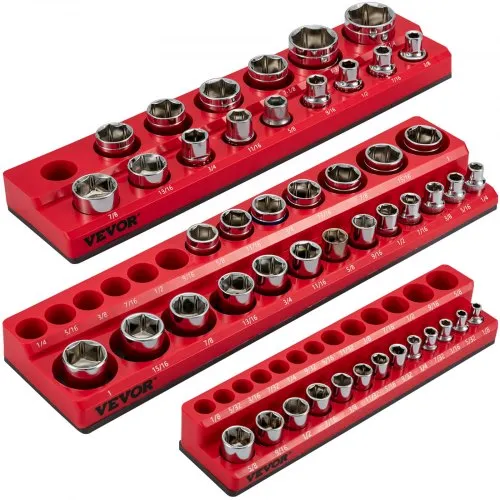
Modular systems let you combine different parts to create a custom organizer. You can add or remove sections as your tool collection grows.
These systems often use trays, bins, or rails that fit inside drawers or on workbenches. They keep sockets sorted by size or type.
- Stackable trays hold different socket sizes
- Interlocking bins keep small parts separate
- Rail systems hang tools for easy access
- Expandable units adjust to your space
Credit: www.vevor.ca
Frequently Asked Questions
How Do I Organize Socket Wrenches Efficiently?
Organize socket wrenches by size and type for easy access. Use labeled trays or holders to keep them in order. This saves time and prevents loss. Store frequently used sizes separately for convenience. Regularly clean and inspect tools to maintain quality.
What Is The Best Storage For Socket Wrench Sets?
The best storage includes dedicated socket organizers, toolboxes with compartments, or magnetic trays. These options prevent mixing and damage. Choose storage that fits your workspace and tool quantity. Proper storage extends tool lifespan and improves workflow.
How Can I Prevent Socket Wrench Rust?
To prevent rust, keep socket wrenches dry and clean after use. Apply a light coat of machine oil for protection. Store them in a dry, ventilated area. Regular maintenance ensures tools remain rust-free and functional.
Why Should I Label My Socket Wrench Organizer?
Labeling socket wrench organizers improves tool identification and speeds up work. It helps avoid confusion between similar sizes. Clear labels reduce time spent searching. This simple step enhances organization and efficiency in any workspace.
Conclusion
Organizing socket wrenches saves time and reduces frustration. A tidy workspace helps you find tools quickly. Using trays, racks, or cases keeps everything in place. Labeling each socket makes your work smoother and faster. Regularly cleaning and sorting your tools prevents damage.
Simple habits create a neat and efficient tool area. Start small and improve your organization step by step. Enjoy working with tools that are easy to access and use. Good organization makes projects less stressful and more fun. Keep your socket wrenches ready for any job ahead.