Are your hand planes cluttering your workspace, making it hard to find the right tool when you need it? You’re not alone.
Many woodworking enthusiasts face the same challenge. Understanding how to organize hand planes by type can transform your workspace from chaotic to efficient. Imagine the satisfaction of knowing exactly where to reach for the perfect plane for any task. This guide will walk you through simple, effective strategies to categorize and store your hand planes, ensuring that they’re always at your fingertips.
Stay with us to discover how a little organization can enhance your woodworking experience, save you time, and boost your productivity.

Credit: www.reddit.com
Types Of Hand Planes
Hand planes help shape and smooth wood surfaces. They come in different types for specific tasks. Knowing each type helps you organize your tools well.
This guide shows common hand plane types and their uses. It covers bench planes, block planes, and specialty planes.
Bench Planes
Bench planes are the most common. Woodworkers use them for general smoothing and flattening. They come in various sizes from small to large.
- Jack Plane: Medium-sized, used for rough shaping.
- Jointer Plane: Long plane for flattening edges and faces.
- Smoothing Plane: Small, used for final surface finish.
Block Planes
Block planes are smaller and held in one hand. They are good for trimming and fitting joints. Their blade sits at a lower angle than bench planes.
| Type | Use | Blade Angle |
| Standard Block Plane | General trimming | 20 degrees |
| Low Angle Block Plane | End grain cutting | 12 degrees |
Specialty Planes
Specialty planes serve unique functions. They include shoulder planes, rabbet planes, and router planes. Each helps with detailed woodworking tasks.
- Shoulder Plane: Trims tenon shoulders and joints.
- Rabbet Plane: Cuts rabbets or grooves along edges.
- Router Plane: Levels dados and grooves precisely.

Credit: www.reddit.com
Assessing Your Collection
Before organizing hand planes by type, look closely at what you have. Knowing your tools helps you sort them well.
Check each plane’s size, style, and purpose. This makes grouping easier and your work more efficient.
Inventory Checklist
Write down all hand planes in your collection. Include their model, size, and type for clear tracking.
- Block planes
- Bench planes (jack, smoothing, jointer)
- Specialty planes (rabbet, shoulder, router)
- Vintage or collectible planes
Keep your list updated as you add or remove planes. This helps keep your collection organized over time.
Condition And Usage
Check each plane’s condition. Note if the blade is sharp and if the body is free from rust or damage.
Group planes by how often you use them. Keep daily tools easy to reach and rare tools stored safely.
- Planes in good shape and used often
- Planes needing repair or sharpening
- Planes kept for special tasks
- Planes stored for collection only
Storage Solutions
Hand planes come in many types and sizes. Organizing them by type helps keep your workspace neat.
Good storage protects your tools and makes them easy to find when needed.
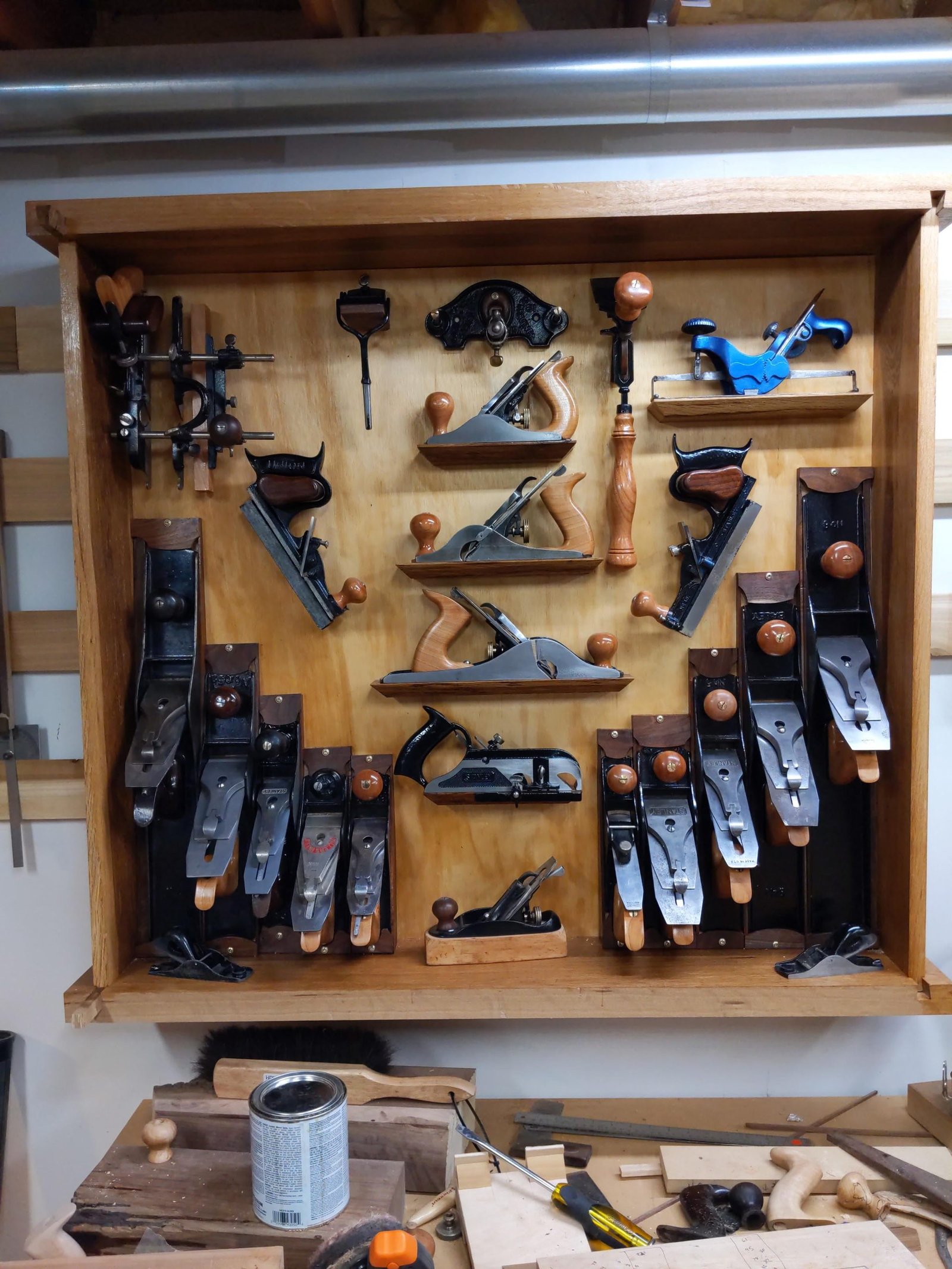
Wall Mounts And Racks
Wall mounts hold hand planes where you can see and reach them quickly. They save space on benches and floors.
Racks can be made from wood or metal. They keep planes upright and separated to avoid damage.
- Use pegboards with hooks for flexible layouts
- Build custom wooden racks for specific plane sizes
- Install metal racks for heavy or large planes
- Label each spot for easy identification
Drawers And Cabinets
Drawers and cabinets offer dust protection and keep hand planes safe. They are good for small and medium planes.
Use foam inserts or dividers inside drawers. These prevent planes from sliding and scratching each other.
- Choose shallow drawers for easy access
- Add soft lining to protect wooden handles
- Organize by plane type or size inside the cabinet
- Label drawers to find tools quickly
Portable Cases
Portable cases help carry hand planes safely to different job sites. They keep tools secure during transport.
Cases come in soft or hard types. Use padded compartments to protect each plane.
- Use foam padding to avoid damage
- Choose cases with adjustable dividers
- Keep small parts like blades in separate pockets
- Label cases for easy identification
Labeling And Identification
Organizing hand planes by type helps keep your workshop tidy. Clear labeling and identification make it easy to find the right tool quickly.
Using simple methods to mark and catalog your planes saves time and avoids confusion. This guide covers marking techniques and cataloging tools.
Marking Techniques
Marking your hand planes helps identify each type at a glance. You can use different methods depending on your preference and tools available.
- Use a permanent marker to write the plane type on the body or handle.
- Attach small labels or tags with the plane’s name and size.
- Engrave or stamp the type into the metal or wooden parts for a lasting mark.
- Use color-coded tape on the handles to group similar planes.
- Write on masking tape for temporary labels during projects.
Cataloging Tools
Keeping a catalog of your hand planes helps track your collection and their details. A simple table can organize this information well.
| Plane Type | Size | Marking Method | Storage Location |
|---|---|---|---|
| Block Plane | Small | Permanent marker on handle | Tool drawer 1 |
| Jack Plane | Medium | Engraved on metal body | Wall rack A |
| Jointer Plane | Large | Color tape on handle | Tool cabinet top shelf |
| Rabbet Plane | Small | Label tag tied to handle | Drawer 3 |
Maintenance Tips
Keeping your hand planes in good shape helps them work better and last longer. Regular care stops damage and keeps parts sharp.
These tips focus on cleaning, rust prevention, and blade care. Follow them to protect your tools and maintain smooth cuts.
Cleaning And Rust Prevention
Clean your hand planes after every use. Remove dust and wood shavings to stop buildup. Use a soft brush or cloth to wipe them down.
Rust can damage the metal parts. Keep planes dry and store them in a low-humidity place. Use rust inhibitors like oil or wax on metal surfaces.
- Wipe metal parts with a light oil coat
- Store planes in a dry, ventilated area
- Use silica gel packs to absorb moisture
- Check for rust regularly and clean it off quickly
Blade Care
Sharp blades give clean cuts. Remove the blade carefully before cleaning. Use a sharpening stone or honing guide to keep edges sharp.
After sharpening, wipe the blade dry and apply a thin oil layer to stop rust. Store blades safely to avoid damage and injury.
- Remove blades for cleaning and sharpening
- Sharpen blades regularly for smooth cuts
- Dry blades completely before storing
- Apply oil to protect blades from rust
- Keep blades in a safe place when not in use

Credit: www.reddit.com
Optimizing Workflow
Organizing hand planes by type helps improve your work speed. It makes finding the right tool easy. Proper organization reduces clutter in your workspace.
This guide shows how to arrange hand planes to keep your workflow smooth. Use simple methods to keep planes ready for any task.
Organizing By Frequency Of Use
Place the planes you use most often within easy reach. Less used planes can be stored further away. This setup saves time and effort during work.
- Keep bench planes nearby for daily smoothing tasks.
- Store block planes in a small drawer close to your workspace.
- Put specialty planes in labeled boxes on shelves.
- Arrange planes by how often you use them to reduce searching time.
Grouping By Project Type
Sort hand planes based on the projects you work on. Grouping by project type helps you gather all needed tools quickly.
| Project Type | Common Planes | Storage Suggestion |
|---|---|---|
| Furniture Making | Jack Plane, Smoothing Plane, Block Plane | Tool chest drawer near workbench |
| Carpentry | Jointer Plane, Rabbet Plane | Wall-mounted rack |
| Wood Carving | Specialty Small Planes | Small tool box labeled by type |
Frequently Asked Questions
What Are The Main Types Of Hand Planes?
Hand planes include bench planes, block planes, jointer planes, and specialty planes. Each serves different woodworking tasks. Organizing by type helps in quick selection and efficient workflow.
How Should I Store Hand Planes By Type?
Store planes on racks or shelves labeled by type. Use wall-mounted holders or drawers with dividers. Proper storage prevents damage and keeps tools accessible.
Why Organize Hand Planes By Type?
Organizing by type improves tool management and saves time. It ensures you use the right plane for each task. This method also helps maintain tool condition.
Can Organizing Hand Planes Improve Woodworking Efficiency?
Yes, it reduces search time and streamlines workflow. Organized tools lead to faster project completion. It also minimizes frustration and tool wear.
Conclusion
Organizing hand planes by type saves time and reduces frustration. Each type has a special use and place. Keep similar planes together for easy access. Label shelves or drawers to find tools fast. Regularly check your collection and tidy up often.
A neat workspace helps you work better and enjoy your craft. Small steps make a big difference in keeping order. Simple habits create a lasting system anyone can follow. Try these tips to keep your hand planes ready to use.