Have you ever finished a DIY project or a day at work with ringing ears? If you’ve used power tools like drills, saws, or lawnmowers, you’re not alone.
The loud noise from these tools can be more than just annoying—it’s harmful. Over time, exposure can lead to permanent hearing loss. The good news is, you can protect your ears, and it doesn’t have to be complicated. By using the right ear protection, you can keep your hearing safe and enjoy your projects without worry.
In this guide, you’ll discover simple and effective ways to shield your ears from noise. Ready to learn how to protect one of your most vital senses? Let’s dive in.

Credit: trdsf.com
Why Ear Protection Matters
Loud tools make sounds that can harm your ears. Using ear protection keeps your hearing safe.
Wearing ear protection helps you avoid pain and hearing loss from noisy tools.
Risks Of Loud Tools
Many tools create noise over safe levels. This noise can cause ear pain and damage.
Common risks include ringing ears, earaches, and trouble hearing sounds around you.
- Power drills and saws produce loud noises
- Repeated exposure can cause ear discomfort
- Sudden loud sounds may startle and hurt ears
Long-term Hearing Damage
Noise from tools can cause hearing loss that lasts forever. It builds up over time.
Protecting your ears stops permanent damage and keeps your hearing sharp.
- Hearing loss may happen slowly without pain
- Tinnitus, or ringing, can become constant
- Damage can affect your work and daily life
Types Of Ear Protection
Using ear protection is important when working with loud tools. Loud noises can damage your hearing over time. Wearing the right ear protection helps keep your ears safe.
There are different types of ear protection. Each type fits different needs and comfort levels. Choose the one that suits you best.
Earplugs
Earplugs are small devices that fit inside your ear canal. They block out loud sounds and reduce noise levels. You can find earplugs made of foam, silicone, or wax.
Earplugs are lightweight and easy to carry. They are good for short or occasional use. You should clean or replace them regularly to keep them safe and effective.
- Foam earplugs expand in the ear to block noise
- Silicone earplugs can be molded for a better fit
- Wax earplugs soften to fit the ear shape
Earmuffs
Earmuffs cover your entire ear with padded cups. They have a headband that holds them in place. Earmuffs reduce noise by sealing around your ears.
These are easy to put on and take off. Earmuffs work well in very loud environments. They can be worn over earplugs for extra protection.
- Provide consistent noise reduction
- Offer comfort with soft padding
- Can be bulky but protect well
Custom Molded Options
Custom molded ear protection is made to fit your ears perfectly. A professional takes an impression of your ear. The earplugs or earmuffs are then shaped just for you.
These options offer great comfort and noise reduction. They last longer and fit better than generic earplugs. Custom protection is good if you use loud tools often.
- Made from exact ear shape
- Provide excellent noise blocking
- More expensive but durable
Choosing The Right Protection
Using ear protection is important when working with loud tools. It helps prevent hearing damage from strong noise.
Choosing the right ear protection makes your work safer and more comfortable. Let’s look at key factors to consider.
Noise Reduction Ratings
Noise Reduction Rating (NRR) shows how much sound the protection blocks. Higher numbers mean better noise blocking.
Pick ear protection with an NRR that matches your noise level. For very loud tools, choose higher ratings.
- NRR 15-20: Light noise, such as small power tools
- NRR 20-30: Medium noise, like lawn mowers or drills
- NRR 30+: Very loud noise, such as jackhammers or heavy machinery
Comfort And Fit
Comfort is important because you may wear ear protection for hours. Uncomfortable gear can cause pain or distractions.
Choose ear protection that fits well and stays in place. Soft materials and adjustable parts help improve comfort.
- Ear plugs fit inside the ear canal and should be snug
- Ear muffs cover the whole ear and have padded cups
- Try different sizes and styles to find what feels best
Durability And Maintenance
Durable ear protection lasts longer and keeps working well. Look for strong materials and good construction.
Regular cleaning and care keep ear protection safe and effective. Follow instructions for washing or replacing parts.
- Check for cracks or damage before use
- Clean reusable ear plugs with warm water and soap
- Replace disposable plugs after each use
- Store ear muffs in a dry, cool place

Credit: cpdonline.co.uk
Proper Usage Techniques
Using ear protection correctly helps prevent hearing damage. Loud tools create noise that can harm your ears. Proper techniques keep you safe and comfortable.
This guide covers how to insert earplugs, adjust earmuffs, and combine protection methods for best results.
Correct Insertion Of Earplugs
Earplugs must fit well to block noise effectively. Follow these steps to insert them properly.
- Wash your hands before handling earplugs.
- Roll the earplug into a thin, crease-free cylinder.
- Pull your ear upward and outward to open the ear canal.
- Insert the rolled earplug deeply and hold it in place for a few seconds.
- Check the fit by testing noise reduction; it should feel snug and quiet.
Adjusting Earmuffs For Seal
Earmuffs block noise by sealing around your ears. Proper adjustment ensures a tight seal without discomfort.
| Adjustment Step | Instruction |
| Headband Position | Place the headband over the top of your head. |
| Ear Cups | Center ear cups over your ears completely. |
| Tightness | Adjust the headband until cups press firmly but comfortably. |
| Seal Check | Make sure no hair or glasses break the seal. |
Combining Ear Protection Methods
Using earplugs and earmuffs together can increase noise reduction. Use both for very loud tools or long exposure.
Follow these tips for combining protection:
- Insert earplugs fully before putting on earmuffs.
- Adjust earmuffs carefully over earplugs to maintain a good seal.
- Check comfort often during use to avoid pressure pain.
- Replace earplugs and earmuff cushions regularly to keep effectiveness.
Maintenance And Care
Using ear protection for loud tools keeps your hearing safe. Proper care helps the gear last longer. Follow simple steps to keep ear protection clean and ready.
Good maintenance also means knowing when to replace parts. This guide covers cleaning, storing, and replacing ear protection.
Cleaning Procedures
Clean ear protection after each use to remove dirt and sweat. Use mild soap and warm water for soft parts. Avoid harsh chemicals that can damage materials.
- Remove ear cushions before washing
- Use a soft cloth to wipe hard surfaces
- Let parts dry completely before assembly
- Disinfect with alcohol wipes if shared
Storage Tips
Store ear protection in a clean, dry place. Keep it away from direct sunlight and heat. Proper storage keeps parts from cracking or losing shape.
- Do keep ear protection in a case or pouch
- Do store in a cool, dry location
- Don’t leave in hot cars or near heaters
- Don’t pile heavy items on top
When To Replace
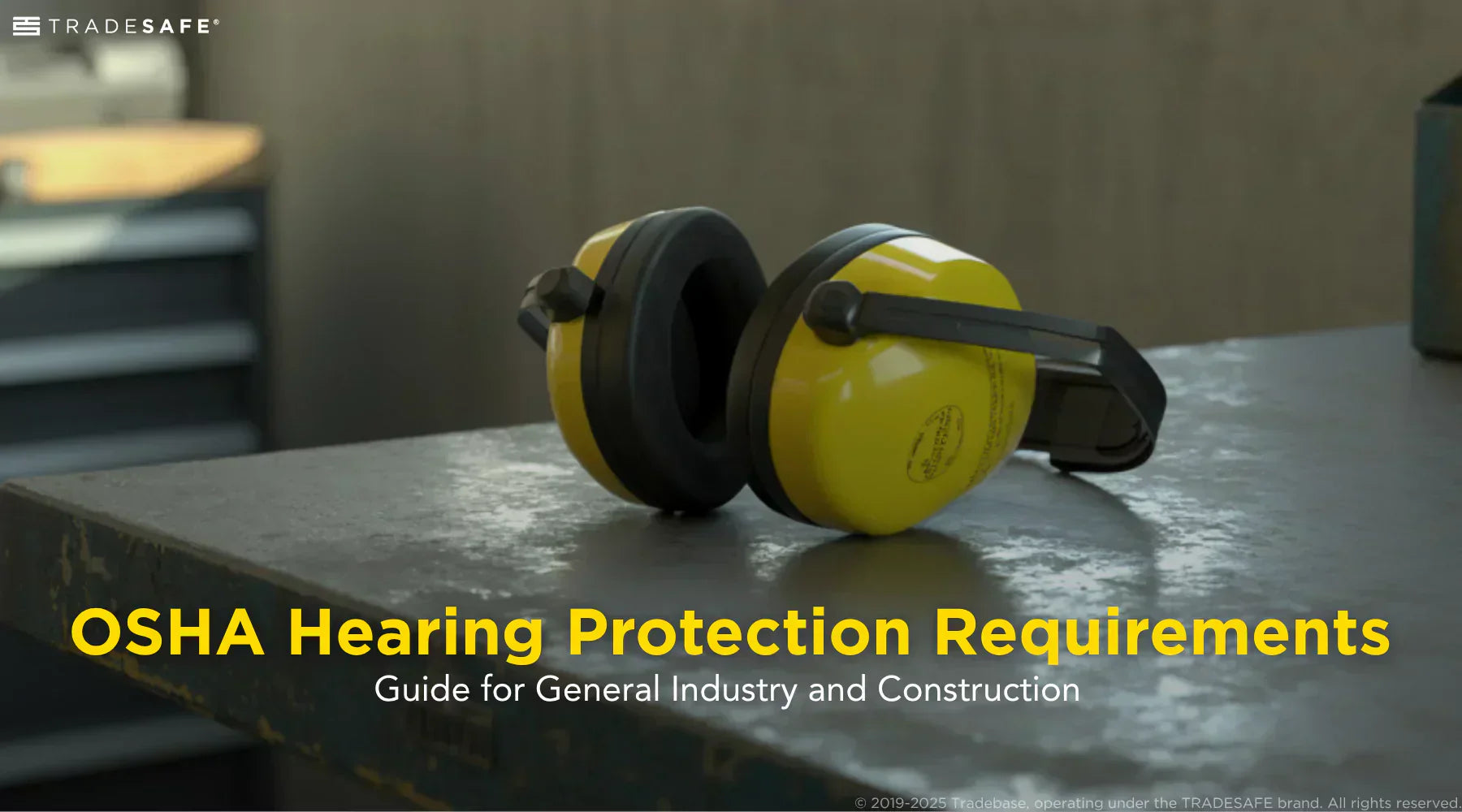
Replace ear protection parts if they show wear or damage. Worn cushions or cracked shells reduce effectiveness. Replace parts regularly for best protection.
| Part | Signs to Replace |
| Ear cushions | Cracks, hardening, or loss of softness |
| Headband | Loss of tension or cracks |
| Shells | Cracks, dents, or loose parts |
| Filters | Clogged or damaged filters |
Credit: trdsf.com
Workplace Safety Practices
Using ear protection is key when working with loud tools. Noise can damage hearing over time.
Workplaces must follow safety practices to protect workers’ hearing health.
Regular Hearing Tests
Workers should have hearing tests regularly to check for damage. Early detection helps prevent further loss.
Tests can show if ear protection is working well or needs improvement.
- Schedule hearing tests every year
- Keep records of test results
- Act quickly if hearing loss is detected
Training And Awareness
Workers need training on why and how to use ear protection. Understanding risks encourages use.
Training covers correct fitting and care of earplugs or earmuffs.
- Teach workers about noise dangers
- Show how to wear ear protection properly
- Explain maintenance and cleaning
- Remind workers to wear protection every time
Compliance With Safety Standards
Workplaces must follow safety rules for noise exposure. These rules set limits on loudness and time.
Using approved ear protection helps meet these standards and protects workers’ hearing.
- Check local noise regulations
- Provide ear protection that meets standards
- Monitor noise levels regularly
- Enforce ear protection use strictly
Frequently Asked Questions
What Types Of Ear Protection Suit Loud Tools Best?
Earplugs and earmuffs are ideal for loud tools. Earplugs fit inside the ear canal, blocking noise. Earmuffs cover the entire ear, providing a seal. Choose based on comfort, noise level, and duration of use. Both protect hearing effectively during loud tool operation.
How Do I Properly Wear Ear Protection?
Insert earplugs gently into the ear canal for a snug fit. Position earmuffs so they completely cover your ears without gaps. Ensure a tight seal to block noise effectively. Follow manufacturer instructions for best results. Proper wear maximizes hearing protection.
Can Ear Protection Prevent Hearing Loss From Loud Tools?
Yes, using ear protection reduces noise exposure significantly. It helps prevent noise-induced hearing loss caused by loud tools. Consistent use during noisy tasks safeguards your hearing health. Always wear protection when operating or near loud equipment.
How Often Should I Replace Ear Protection Devices?
Replace disposable earplugs after each use for hygiene. Reusable earplugs need cleaning and may be replaced every few weeks. Earmuffs should be inspected regularly and replaced if damaged. Proper maintenance ensures maximum noise reduction and comfort.
Conclusion
Protecting your ears while using loud tools matters a lot. Ear protection helps prevent hearing loss and discomfort. Choose the right gear that fits well and feels comfortable. Always wear earplugs or earmuffs during noisy tasks. Stay safe and keep your hearing healthy for years.
Small steps make a big difference in sound safety. Remember, your ears deserve care every time you work.