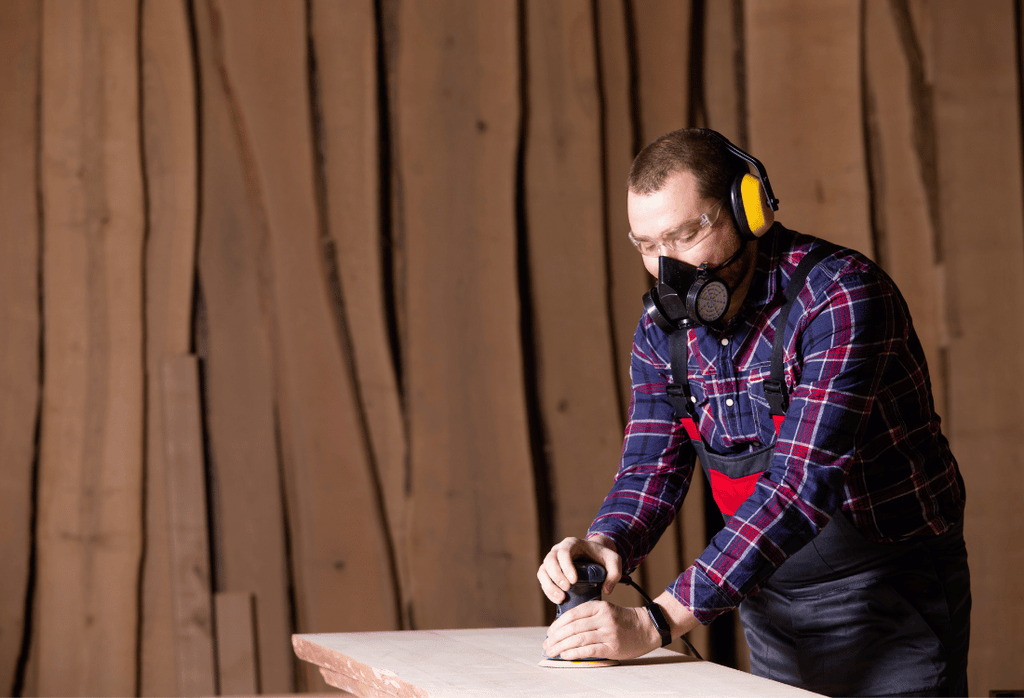
Are you passionate about woodworking but worried about the health risks associated with dust exposure? You’re not alone.
Many woodworking enthusiasts like you seek effective ways to protect their lungs without compromising their craft. Dust masks are your first line of defense, providing essential protection while you work on your projects. In this guide, you’ll discover everything you need to know about using dust masks for woodworking, from choosing the right type to ensuring proper fit and maintenance.
With your safety and comfort in mind, this guide will empower you to focus on your creations, knowing that your health is safeguarded. Keep reading to learn how to make woodworking a safer and more enjoyable hobby.
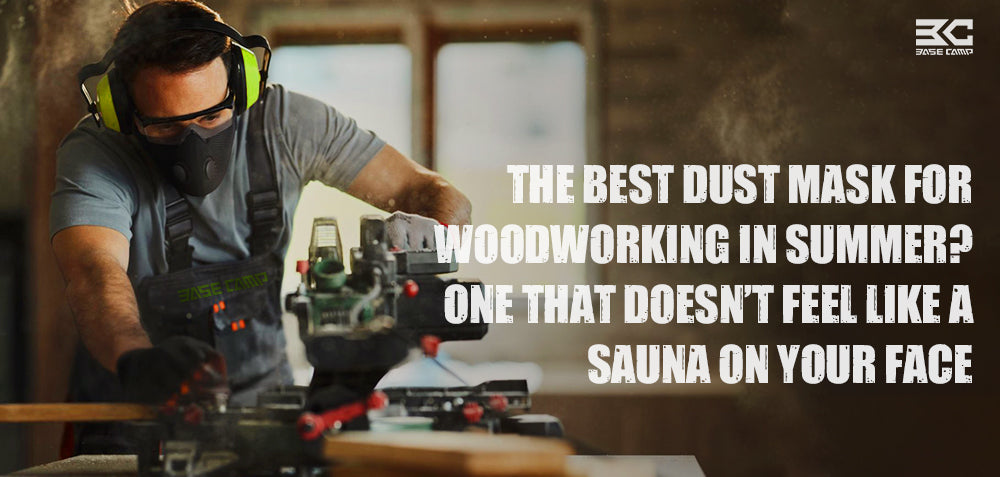
Credit: bcmask.com
Why Dust Masks Matter
Woodworking creates fine dust that can harm your lungs. Wearing a dust mask protects you from breathing in these tiny particles.
Using a dust mask lowers the risk of health problems and keeps you safe during your woodworking projects.
Health Risks From Wood Dust
Breathing wood dust can cause many health issues. It may irritate your eyes, nose, and throat. Long-term exposure can lead to serious lung problems.
- Allergic reactions and skin rashes
- Asthma and breathing difficulties
- Chronic bronchitis and lung damage
- Increased risk of nasal cancer
Types Of Wood Dust
Wood dust comes from different types of wood. Each type has unique dust particles and risks.
| Type of Wood | Dust Characteristics | Health Concerns |
| Hardwoods | Fine, dense dust | Higher risk of cancer and allergies |
| Softwoods | Larger, lighter dust | Can irritate skin and lungs |
| Treated Wood | Contains chemicals | May cause toxic reactions |
Choosing The Right Dust Mask
Woodworking creates dust that can harm your lungs. Choosing the right dust mask helps protect your health. This guide explains key points to consider.
Different masks suit different tasks. Understanding mask types, filter ratings, and comfort will help you pick the best one.
Mask Types For Woodworking
Several mask types protect against woodworking dust. Each has benefits and limits. Choose based on your exposure level and comfort needs.
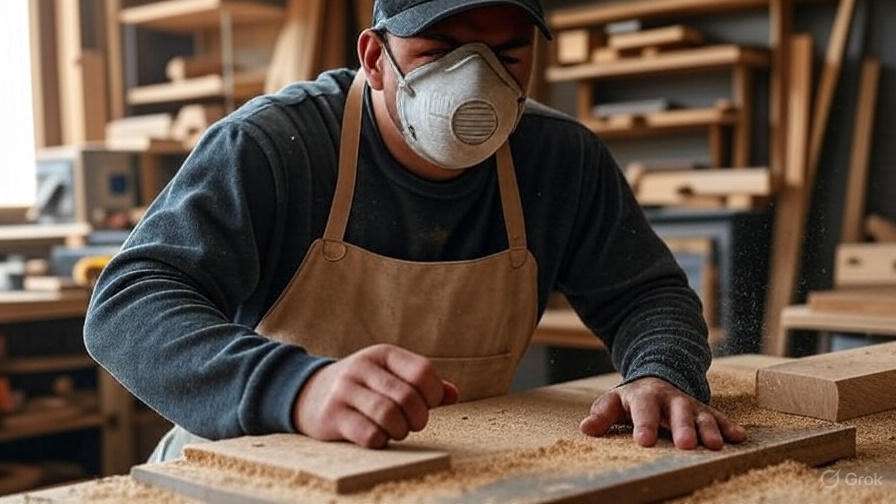
- Disposable Dust Masks:Light protection, good for short tasks.
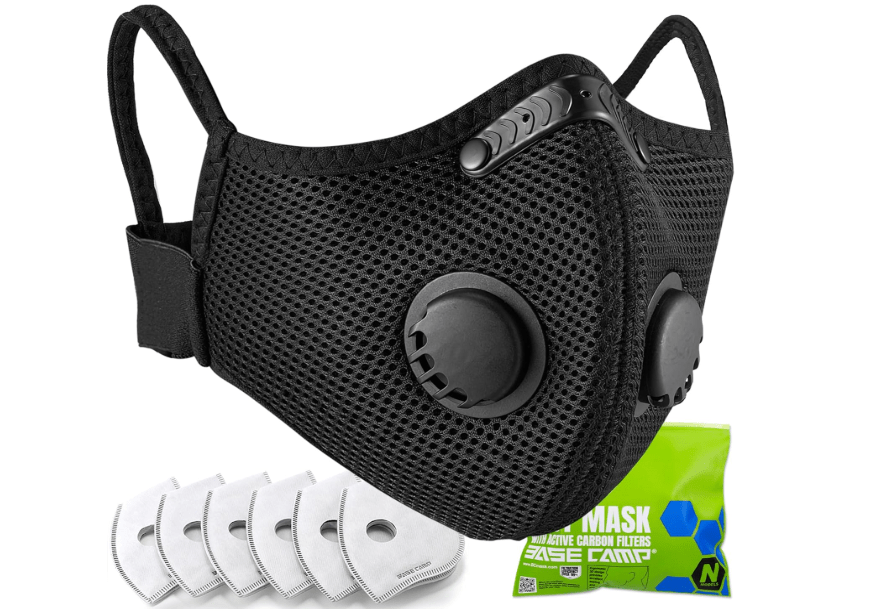
- Half-Face Respirators:Reusable, better for heavy dust and longer use.
- Full-Face Respirators:Protect eyes and face, ideal for very dusty work.
- Powered Air-Purifying Respirators (PAPRs):Use a fan to push air, best for long hours.
Filter Ratings Explained
Filters block dust particles. Different filters stop different particle sizes. Choosing the correct filter rating is key for safety.
| Filter Rating | Protection Level | Use Case |
| N95 | Blocks 95% of particles | Light dust, short tasks |
| P100 | Blocks 99.97% of particles | Heavy dust, long tasks |
| R95 | Blocks 95% of particles, oil resistant | Dust with some oil mist |
Comfort And Fit Factors
A mask must fit well and feel comfortable. Poor fit lets dust in. Comfort encourages longer use and better protection.
- Look for adjustable nose clips to reduce gaps.
- Choose masks with soft inner lining to prevent skin irritation.
- Check straps for easy adjustment and secure hold.
- Consider masks with exhalation valves for easier breathing.
- Try on masks before buying to ensure good seal and comfort.
Proper Mask Usage
Using a dust mask is important for woodworking. It keeps harmful dust from entering your lungs.
Wearing the mask correctly protects your health and improves comfort while working.
How To Wear A Dust Mask Correctly
Start by cleaning your hands before touching the mask. This stops dirt from getting inside.
Place the mask over your nose and mouth. Make sure it fits snugly without gaps.
- Adjust the straps so the mask sits firmly on your face
- Pinch the nose clip to fit the bridge of your nose
- Check for leaks by breathing in and out; no air should escape around edges
- Replace the mask if it becomes wet or dirty
Common Mistakes To Avoid
Many people wear dust masks incorrectly. This reduces their protection against dust.
- Wearing the mask below the nose
- Using a loose mask with gaps around the face
- Touching the mask often while working
- Reusing disposable masks too many times
- Not replacing a damaged or dirty mask
Avoid these mistakes to keep your lungs safe and breathe clean air during woodworking.
Maintenance And Replacement
Proper care of your dust mask keeps it effective and safe. Regular maintenance helps remove dust and debris. Timely replacement ensures you always breathe clean air.
Follow simple steps to clean, store, and replace your mask parts. This guide covers key tips for reusable masks and their filters.
Cleaning Reusable Masks
Clean your reusable dust mask after every use to remove dust and sweat. Use mild soap and warm water to wash the mask body. Avoid harsh chemicals that can damage the material.
- Remove filters before washing
- Hand wash the mask gently
- Rinse thoroughly with clean water
- Air dry completely before reuse
- Do not use bleach or strong detergents
When To Replace Filters
Filters capture harmful dust but lose effectiveness over time. Replace filters if you notice any of these signs:
| Reason to Replace | Details |
| Difficulty Breathing | Filter clogs and reduces airflow |
| Visible Dirt | Filter surface is covered with dust |
| Damage | Tears or holes in the filter material |
| After Long Use | Follow manufacturer’s recommended lifespan |
Storage Tips
Store your dust mask in a clean, dry place to protect it from damage. Keep it away from sunlight and moisture. This helps keep the mask material strong and filters ready to use.
- Use a sealed plastic bag or container
- Keep away from chemicals and oils
- Store in a cool, dry location
- Do not crush or deform the mask
Additional Safety Measures
Using a dust mask is important for woodworking safety. You should also take other steps to protect yourself from dust and debris.
These extra safety measures help keep your workspace clean and your body safe during woodworking projects.
Ventilation And Dust Extraction
Good ventilation lowers the amount of dust in the air. Open windows or use fans to move fresh air into your workspace.
Dust extraction systems capture dust right where it is made. This stops dust from spreading and makes breathing easier.
- Use a dust collection system on your tools
- Place fans to create airflow in the room
- Keep windows open if possible
- Regularly clean dust from surfaces
Protective Eyewear And Clothing
Wear safety glasses to protect your eyes from flying wood chips and dust. Clear glasses offer good visibility.
Wear long sleeves and pants to protect your skin. Use gloves if handling rough or sharp materials.
- Choose safety glasses that fit well
- Wear long-sleeved shirts and pants
- Use gloves to protect hands
- Avoid loose clothing that can catch on tools
Credit: treecarezone.com
Credit: treecarezone.com
Frequently Asked Questions
What Type Of Dust Mask Is Best For Woodworking?
A N95 or P100 respirator mask is best for woodworking. These masks filter out fine wood dust particles effectively. They provide better protection than standard surgical masks. Always choose masks certified by NIOSH for reliable filtration.
How Often Should I Replace My Woodworking Dust Mask?
Replace your dust mask after 8 hours of use or if it becomes damaged. Disposable masks should not be reused. For reusable masks, change filters as recommended by the manufacturer. Regular replacement ensures maximum protection against harmful wood dust.
Can I Use A Cloth Mask For Woodworking Dust?
Cloth masks are not effective against fine wood dust. They lack proper filtration capabilities. It’s best to use masks specifically designed for dust protection like N95 or better. Proper masks ensure safer breathing during woodworking tasks.
Why Is Wearing A Dust Mask Important In Woodworking?
Wood dust can cause respiratory issues and allergies. Wearing a dust mask prevents inhalation of harmful particles. It protects your lungs and overall health. Using a dust mask is crucial for safe woodworking practices.
Conclusion
Wearing a dust mask keeps your lungs safe while woodworking. It blocks harmful dust and tiny particles from entering your body. Choose the right mask for the job and wear it properly. Clean or replace masks regularly to stay protected.
Good habits prevent health problems later. Always put safety first in your workshop. Stay comfortable and breathe easier with a dust mask. Protect yourself every time you work with wood. Your health matters, so take simple steps today.