Choosing the right safety boots for industrial projects isn’t just a task—it’s a crucial step in ensuring your safety and comfort on the job. Think about it: every step you take depends on the protection your boots offer.
But with so many options out there, how do you make the best choice? You want something that not only keeps your feet safe but also feels good to wear all day long. In this guide, you’ll discover the key features to look for, helping you make an informed decision that could make a big difference in your workday.
Ready to step into a safer work environment? Let’s find the perfect pair for you.
Types Of Safety Boots
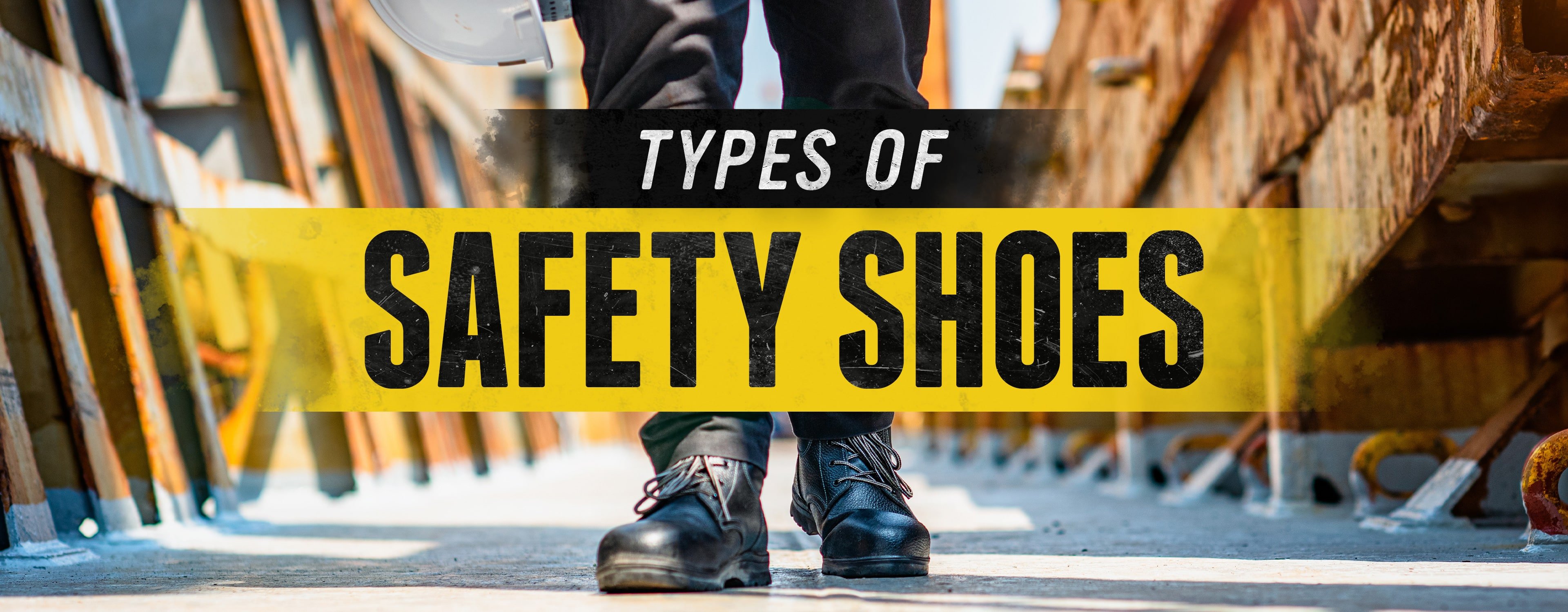
Safety boots protect feet from injuries at industrial sites. Different types suit various hazards.
Choosing the right boots helps workers stay safe and comfortable all day.
Steel Toe Caps
Steel toe caps offer strong protection against heavy objects. They resist impact and compression well.
These boots are common in construction and manufacturing jobs.
Composite Toe Caps
Composite toe caps use materials like plastic or Kevlar. They are lighter than steel and do not conduct heat.
- Good for electrical work
- Suitable for metal detectors
- Comfortable for long wear
Metatarsal Guards
Metatarsal guards protect the upper foot bones. They cover the area above the toe caps.
| Protection Area | Features |
| Toe | Impact and compression resistance |
| Metatarsal | Extra coverage over foot top |
| Sole | Slip and puncture resistance |
Electrical Hazard Protection
Boots with electrical hazard protection stop electric shocks. They have insulating soles and heels.
These boots are essential for electricians and workers near live wires.
Credit: www.webstaurantstore.com
Material And Durability
Choosing the right safety boots depends a lot on the materials used. Durable boots protect your feet during tough industrial work. The materials also affect comfort and safety features.
Understanding different materials helps you pick boots that last long and keep you safe. This guide covers leather vs synthetic options, waterproof features, and slip resistance.
Leather Vs Synthetic
Leather boots are strong and can last many years. They breathe well and often become more comfortable over time. Synthetic boots are lighter and dry faster. They usually cost less and resist water better.
| Material | Durability | Comfort | Weight | Cost |
| Leather | High | Breathable | Heavier | Higher |
| Synthetic | Moderate | Less breathable | Lighter | Lower |
Waterproof Features
Waterproof boots keep feet dry in wet conditions. Some boots use special membranes to block water but allow sweat to escape. Others have treated leather or synthetic shells to resist water.
- Look for boots with waterproof labels or membranes
- Check if the boots have sealed seams
- Consider boots with water-resistant coatings
- Test breathability to avoid sweaty feet
Slip Resistance
Slip-resistant soles reduce the chance of falls on slippery floors. Look for boots with rubber soles that have deep treads. Some soles meet special slip resistance standards for industrial use.
- Choose soles made of rubber or similar materials
- Check for tread patterns designed for grip
- Look for safety certifications on slip resistance
- Replace worn soles to keep good traction
Comfort And Fit
Choosing the right safety boots is important for comfort and protection. Ill-fitting boots cause pain and reduce work efficiency.
Focus on comfort and fit to keep your feet healthy during long work hours on industrial sites.
Proper Sizing
Wear boots that fit your feet well. Boots that are too tight or loose can cause blisters and foot fatigue.
- Measure your feet at the end of the day when they are largest.
- Try boots with the socks you plan to wear at work.
- Check for enough toe room to wiggle your toes freely.
- Ensure the heel fits snugly without slipping.
- Walk around to test comfort before buying.
Cushioning And Support
Cushioning helps absorb shock, reducing stress on your feet and joints. Support keeps your feet stable on uneven surfaces.
| Feature | Benefit |
| Memory foam insoles | Adapt to foot shape for comfort |
| Arch support | Prevents foot strain and pain |
| Shock-absorbing midsoles | Reduces impact from walking or standing |
| Firm heel counters | Improves stability and balance |
Breathability
Breathable boots keep feet dry and cool. This prevents sweat buildup and bad odors.
Look for these breathable features:
- Mesh panels for air flow
- Moisture-wicking linings
- Ventilation holes or perforations
- Water-resistant but breathable materials
Credit: redwingsafety.com
Safety Standards And Certifications
Safety boots protect workers from injuries on industrial sites. Choosing the right boots means checking safety standards and certifications. These rules show the boots meet important safety tests.
Certifications help you pick boots that fit your work needs. Different countries use different standards. Understanding these helps you make a safe choice.
Astm Ratings
ASTM International sets safety rules for boots in the United States. These ratings show how well boots protect your feet. Look for ASTM labels on the boots before buying.
Common ASTM ratings cover toe protection, sole puncture resistance, and electrical hazard protection. Boots with these ratings keep you safe from common workplace dangers.
- ASTM F2413 – Toe impact and compression resistance
- ASTM F2413 – Sole puncture resistance
- ASTM F2413 – Electrical hazard protection
En Iso Standards
EN ISO standards apply mainly in Europe. These standards test boots for safety, durability, and comfort. Boots meeting these rules are safe for industrial work.
The EN ISO 20345 is the main standard for safety boots. It classifies boots by their protection level and features. Look for the EN ISO mark on the boot label.
- SB – Basic safety features like toe protection
- S1 – Closed seat region and antistatic properties
- S2 – Water-resistant upper material
- S3 – Includes S2 features plus puncture resistance
Csa Certification
CSA Group sets safety rules for boots in Canada. CSA certification means boots passed tests for impact, compression, and slip resistance. These boots are good for many work environments.
CSA uses a labeling system with letters and numbers. This system helps workers find boots that meet their job needs. Check the CSA label before selecting safety boots.
- Z – Toe protection
- SB – Basic safety boot
- SD – Steel or composite toe
- PR – Puncture resistant sole
- EH – Electrical hazard protection
- WR – Water-resistant
Project-specific Considerations
Choosing the right safety boots depends on the type of industrial project. Different projects have unique risks and needs. Understanding these helps select boots that protect well.
Consider the work environment and hazards before buying safety boots. This guide covers key factors for heavy machinery, chemical exposure, and extreme weather conditions.
Heavy Machinery Environments
Projects with heavy machines need boots that protect from impact and compression. Steel toe caps or composite toe boots can stop heavy objects from injuring feet.
Slip-resistant soles help workers keep balance on oily or uneven surfaces. Boots must also support ankles to prevent twists and sprains.
- Choose boots with reinforced toe caps
- Look for soles with good grip and slip resistance
- Ensure ankle support for stability
- Pick durable materials that resist wear
Chemical Exposure
Chemical hazards need boots made from resistant materials. Rubber or PVC boots protect against acids, oils, and other dangerous liquids.
Check the chemicals used on site. Match the boot material to resist those chemicals. Sealed seams stop liquids from entering the boots.
- Use rubber or PVC boots for chemical resistance
- Check compatibility with site chemicals
- Pick boots with sealed seams to prevent leaks
- Consider boots with easy cleaning surfaces
Extreme Weather Conditions
Cold or hot weather needs boots that keep feet comfortable and safe. Insulated boots protect from cold, while breathable boots work well in heat.
Waterproof boots keep feet dry in rain or snow. Look for boots that also have good traction on wet or icy surfaces.
- Choose insulated boots for cold climates
- Pick breathable boots for hot weather
- Look for waterproof features in wet areas
- Ensure soles have strong grip for slippery ground
Maintenance And Care
Safety boots protect your feet during industrial work. Proper care keeps them strong and safe.
Cleaning, storing, and knowing when to replace boots help extend their life and safety.
Cleaning Tips
Clean your boots after every workday to remove dirt and chemicals. Use a soft brush or cloth.
- Remove mud and dust with a damp cloth
- Use mild soap and water for stains
- Dry boots away from direct heat or sunlight
- Apply leather conditioner for leather boots
- Check soles for stuck debris and clean them
Storage Recommendations
Store boots in a dry, cool place. Avoid damp areas to stop mold and bad smells.
| Storage Tip | Reason |
| Keep boots upright | Maintains shape and prevents creases |
| Use boot trees or stuff with paper | Absorbs moisture and keeps form |
| Avoid plastic bags | Blocks air flow, causes odor |
| Store away from sunlight | Prevents fading and material damage |
When To Replace Boots
Check your boots regularly for damage. Replace them to stay safe and comfortable.
- Look for worn soles or holes
- Check if safety toes are cracked or broken
- Notice if the boots feel less supportive
- Replace if water leaks inside
- Change boots after heavy damage or long use
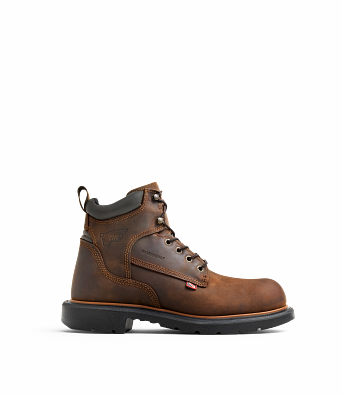
Credit: redwingsafety.com
Frequently Asked Questions
What Are The Key Features Of Safety Boots For Industrial Use?
Safety boots must have steel toes, slip-resistant soles, and durable materials. These features protect feet from heavy objects, sharp debris, and slippery surfaces commonly found in industrial sites.
How To Choose The Right Size For Safety Boots?
Measure your feet at the end of the day for accuracy. Choose boots with enough room for toe movement but snug enough to avoid slipping.
Which Materials Are Best For Industrial Safety Boots?
Leather and rubber are top choices for durability and protection. Leather offers breathability, while rubber provides excellent water resistance and grip.
Why Is Slip Resistance Important In Safety Boots?
Slip-resistant soles reduce the risk of falls on wet or oily surfaces. This feature is crucial for maintaining balance and safety in hazardous work environments.
Conclusion
Choosing the right safety boots protects your feet and boosts work confidence. Consider the job’s risks, comfort, and durability before buying. Good boots prevent injuries and help you work longer. Don’t ignore fit and material quality. Safe feet mean fewer accidents and better focus.
Take your time to pick boots that meet your needs. Your safety matters most on every project site.