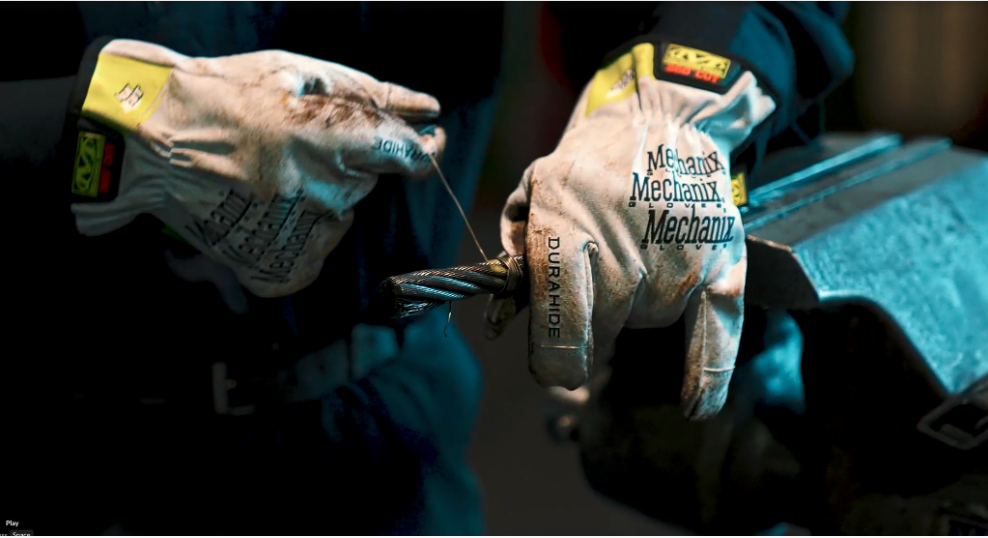
Are you ready to upgrade your safety game in metalworking? Wearing cut-resistant gloves is not just about picking the right pair.
It’s about knowing how to wear them effectively to protect yourself from sharp edges and unexpected accidents. Imagine having peace of mind while working, knowing that your hands are well-guarded. This guide will show you exactly how to wear cut-resistant gloves for metalworking, ensuring both safety and comfort.
By the end of this article, you’ll be equipped with practical tips that could save you from unnecessary injuries. Let’s dive in and get your hands the protection they deserve!
Choosing The Right Cut-resistant Gloves
Wearing cut-resistant gloves is important for safety in metalworking. Picking the right gloves helps protect your hands from sharp edges and accidents.
Not all cut-resistant gloves are the same. You need to think about materials, size, and style to find the best fit for your work.
Materials And Ratings
Cut-resistant gloves come in different materials. Each material offers a different level of protection and comfort.
Look for gloves with proper safety ratings. These ratings show how well the gloves protect against cuts.
- Kevlar: Strong and lightweight, good for sharp objects
- Dyneema: Very cut resistant and comfortable
- Steel mesh: Provides high protection but less flexible
- HPPE (High-Performance Polyethylene): Offers good cut resistance and is affordable
- ANSI/ISEA rating: Shows cut resistance level from A1 to A9
- EN 388 rating: European standard with a 1 to 5 cut resistance scale
Sizing And Fit
Gloves must fit your hands well. Too loose gloves can catch on machines. Too tight gloves may cut off circulation.
Measure your hand width and length before buying. Most brands offer size charts to help you choose.
- Measure around the widest part of your hand
- Check finger length for better comfort
- Try gloves on if possible before purchase
- Choose gloves with some stretch for flexibility
Glove Styles For Metalworking
Different glove styles fit different metalworking tasks. Pick gloves that match the kind of work you do.
Some gloves focus on cut resistance, while others add grip or heat resistance.
- Coated gloves: Have a rubber or nitrile layer for better grip
- Seamless knit gloves: Offer comfort and cut protection
- Leather gloves: Good for heat and abrasion but less cut resistance
- Gauntlet gloves: Provide extra wrist protection
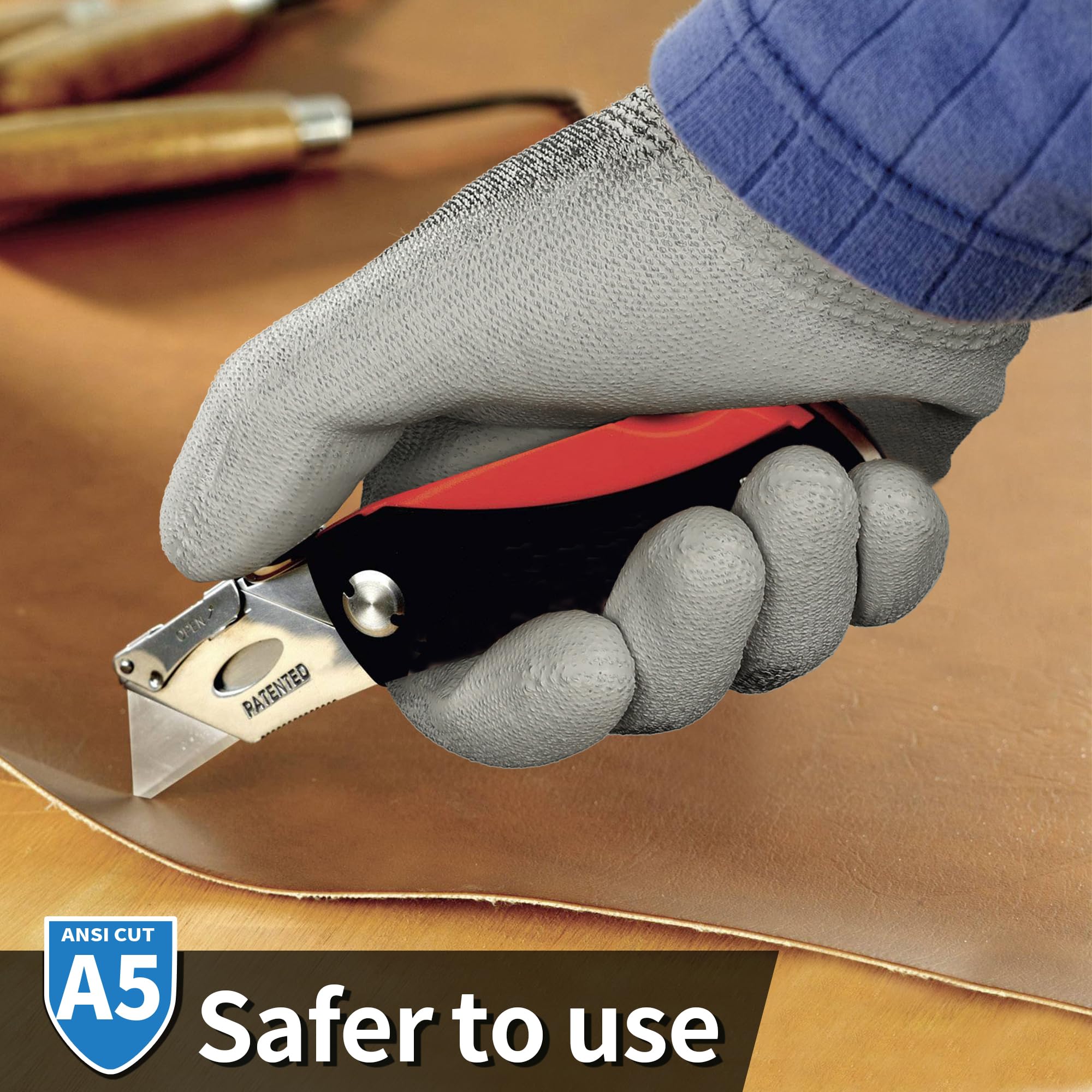
Credit: www.amazon.ca
Preparing Gloves Before Use
Cut-resistant gloves protect your hands during metalworking tasks. Proper preparation helps keep them effective and safe.
Before wearing the gloves, follow these steps to ensure they are ready for use and will last longer.
Inspecting For Damage
Check the gloves carefully before each use. Look for cuts, tears, or worn areas. Damaged gloves may not protect your hands properly.
- Examine fingertips and palms for holes
- Look for frayed threads or loose fibers
- Check for stiff or hardened spots
- Ensure seams are intact and not coming apart
Cleaning And Maintenance
Keep gloves clean to maintain their cut resistance. Dirt and oils can weaken the material over time.
| Cleaning Method | Instructions |
| Hand Wash | Use mild soap and lukewarm water, rinse well |
| Machine Wash | Use gentle cycle, cold water, no bleach |
| Drying | Air dry away from direct heat or sunlight |
Proper Storage Techniques
Store gloves in a dry, cool place. Proper storage prevents damage and keeps gloves ready for work.
- Avoid folding or crushing gloves
- Keep gloves away from sharp objects
- Store in a clean container or drawer
- Keep gloves away from chemicals and sunlight
Correct Glove Wearing Techniques
Wearing cut-resistant gloves correctly is important for safety in metalworking. Proper technique helps protect your hands from sharp edges and tools.
This guide covers how to put on gloves safely, ensure they fit well, and adjust them for comfort and dexterity.
Putting Gloves On Safely
Always check gloves for damage before wearing. Clean your hands to avoid dirt or oil inside the gloves. Put the gloves on one at a time, gently pulling over your fingers and palm.
Do not force your hand if the glove feels tight. Instead, choose a proper size to avoid tearing the material or reducing protection.
Ensuring A Secure Fit
A secure fit keeps gloves from slipping during work. Check the wrist area to make sure the glove fits snugly. Loose gloves can catch on machines or metal pieces.
- Choose gloves that fit your hand size closely.
- Adjust wrist closures or straps if available.
- Test finger movement to confirm a tight but comfortable fit.
- Replace gloves that become stretched or loose over time.
Adjusting For Comfort And Dexterity
Gloves should protect without limiting hand movement. Adjust them so fingers can bend easily and grip tools firmly. Comfort reduces fatigue and improves safety.
| Adjustment Tip | Reason |
| Ensure fingertips reach glove ends | Improves touch sensitivity |
| Keep wrist area snug but not tight | Prevents glove slipping |
| Smooth out wrinkles inside gloves | Increases comfort and reduces pressure points |
| Test movement before starting work | Ensures dexterity and safety |
Safety Practices While Wearing Gloves
Cut-resistant gloves protect your hands during metalworking. They reduce the risk of cuts and injuries. It is important to wear them correctly for full safety.
Using gloves safely means keeping them clean and checking them often. This helps keep your hands safe from sharp tools and rough materials.
Avoiding Glove Contamination
Gloves can get dirty from oils, chemicals, and metal dust. This can reduce their protection. Always keep your gloves clean and dry.
Remove gloves before touching your face or eating. Change gloves if they get heavily soiled to avoid contamination.
- Wash gloves if reusable and allowed by the manufacturer
- Store gloves in a clean, dry place
- Avoid touching dirty surfaces with gloves
Handling Tools And Materials
Use gloves to hold sharp or rough metal pieces carefully. This lowers the chance of cuts and scrapes. Always use the right glove for the task.
Grip tools firmly but do not squeeze too hard. Gloves help you hold items safely while still feeling the tools.
- Check that gloves fit well before starting work
- Keep gloves free of grease for better grip
- Use gloves designed for metalworking tasks
Recognizing Glove Wear And Tear
Inspect gloves before each use for cuts, holes, or worn spots. Damaged gloves do not protect your hands well. Replace them right away.
Wear signs include thinning fabric or loose threads. Keep track of how long you use gloves and change them often.
- Look for cuts or holes on the gloves
- Check for stiffness or loss of flexibility
- Replace gloves after heavy use or damage
Glove Removal And Disposal
Cut-resistant gloves protect your hands during metalworking. Knowing how to remove and dispose of them safely keeps you healthy and prevents accidents.
Proper glove removal stops dirt and sharp metal pieces from touching your skin. Proper disposal helps keep your workspace clean and safe.
Safe Removal Methods
Always remove gloves carefully to avoid touching the outside surface. Use one hand to peel off the opposite glove from the wrist.
Hold the removed glove in the gloved hand. Slide fingers under the wrist of the second glove and pull it off inside out.
- Peel the first glove off from the wrist without touching the outside.
- Hold the removed glove in the still-gloved hand.
- Slide fingers under the second glove’s wrist to remove it inside out.
- Dispose of gloves without touching contaminated surfaces.
- Wash your hands right after removing gloves.
Disposing Of Damaged Gloves
Gloves with cuts or holes do not protect well. Throw damaged gloves away immediately to avoid injury.
Do not try to fix damaged gloves. Use new gloves instead to keep your hands safe during metalwork.
- Check gloves for damage before and after use.
- Dispose of gloves with any cuts, tears, or holes.
- Place damaged gloves in a trash bin away from work area.
- Never reuse damaged gloves.
When To Replace Gloves
Replace gloves regularly to maintain protection. Change gloves if they become dirty, wet, or lose fit.
Also replace gloves after heavy use or if you feel reduced protection during work.
- Replace gloves if damaged or worn out.
- Change gloves after heavy metalworking sessions.
- Replace if gloves feel less comfortable or loose.
- Switch gloves if they get wet or dirty.

Credit: www.ishn.com

Credit: www.amazon.com
Frequently Asked Questions
What Are Cut-resistant Gloves Used For In Metalworking?
Cut-resistant gloves protect hands from sharp metal edges and tools. They reduce injury risk and improve safety during metalworking tasks.
How To Choose The Right Cut-resistant Gloves?
Select gloves based on cut resistance level, fit, and comfort. Consider glove material like Kevlar or steel fiber for durability.
Can Cut-resistant Gloves Affect Dexterity In Metalworking?
High-quality cut-resistant gloves offer good dexterity and grip. Proper fit ensures you maintain hand movement and tool control.
How To Properly Wear Cut-resistant Gloves?
Put gloves on snugly without restricting movement. Ensure fingers are fully covered and gloves fit wrist securely for best protection.
Conclusion
Wearing cut-resistant gloves keeps your hands safe while metalworking. Choose gloves that fit well and feel comfortable. Always check for damage before each use. Clean and store gloves properly to make them last. Follow safety rules to avoid injuries on the job.
Protect your hands to work with confidence every day. Stay safe, stay focused, and keep your hands protected.