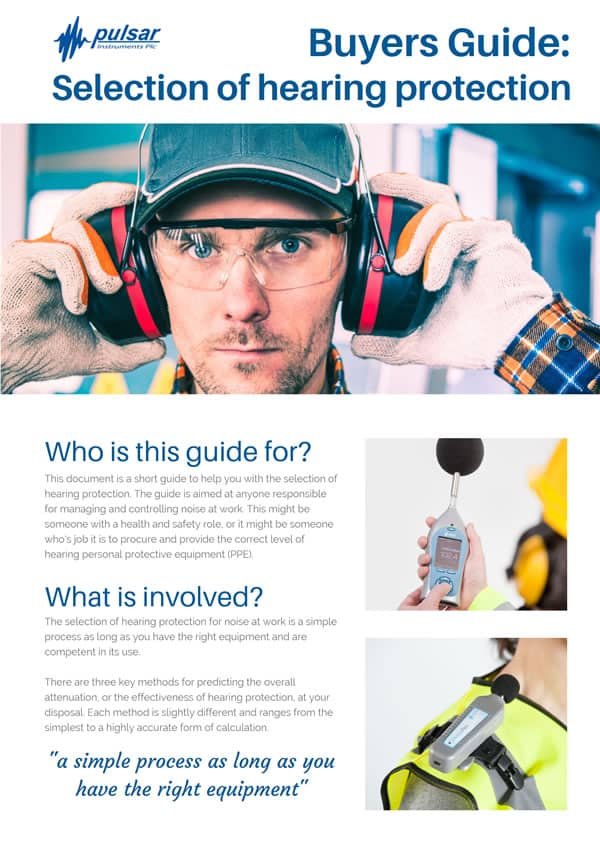
Your ears are vital to experiencing the world around you, and protecting them is more important than ever. Whether you’re working in a noisy environment, attending loud concerts, or enjoying a day at the shooting range, ear protection devices are your first line of defense against hearing loss.
But did you know that maintaining these devices is crucial to their effectiveness? If your ear protection isn’t in top condition, you’re putting your hearing at risk. In this guide, you’ll discover easy, actionable steps to keep your ear protection devices in perfect shape.
Imagine being able to enjoy your favorite activities without worrying about long-term damage to your ears. By following the tips you can ensure that your ear protection is always ready to perform its best when you need it most. Don’t leave your hearing to chance—learn how to maintain your ear protection devices today.
Types Of Ear Protection Devices
Ear protection devices help keep your ears safe from loud noises. They reduce the risk of hearing damage.
There are different types of ear protection devices. Each type fits different needs and uses.
Earplugs
Earplugs are small devices that fit inside your ear canal. They block out noise by sealing the ear.
They are usually made from foam, silicone, or wax. Earplugs are easy to carry and disposable or reusable.
- Clean earplugs before and after use
- Store them in a clean, dry case
- Replace disposable earplugs often
- Check for damage on reusable plugs
Earmuffs
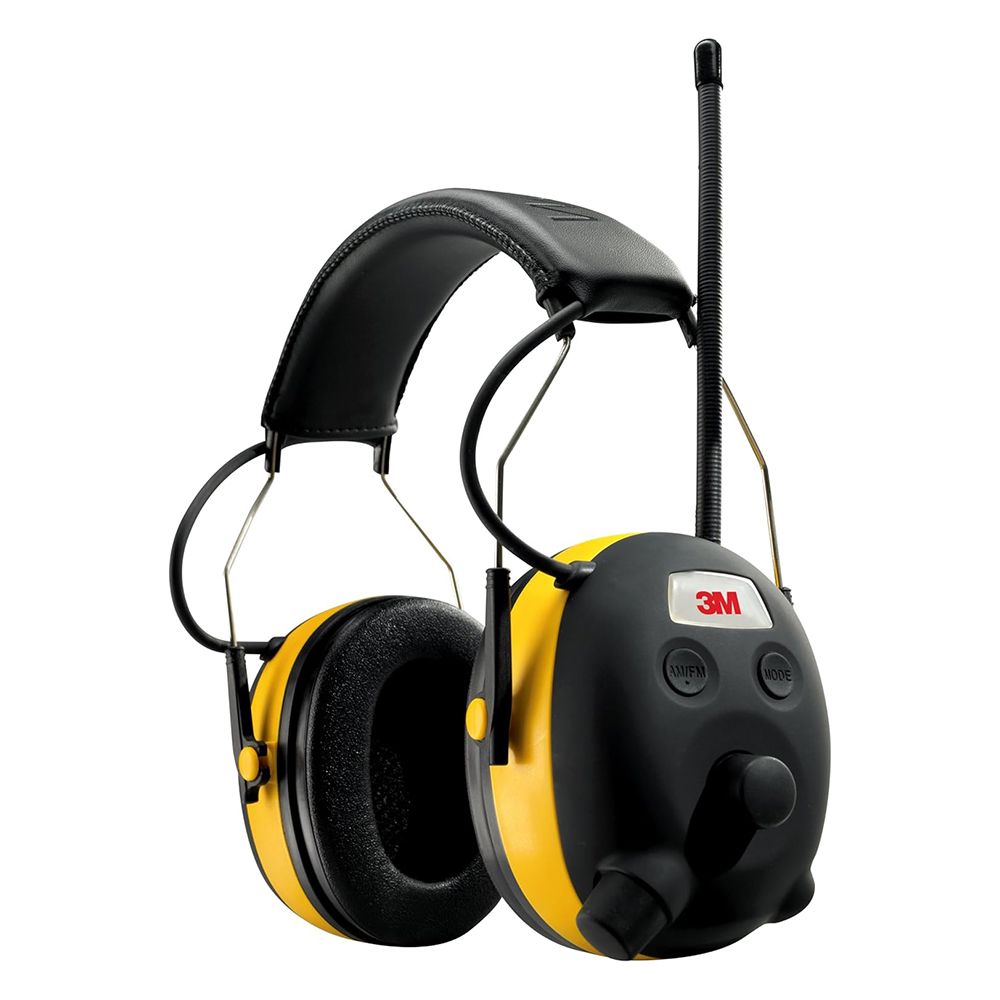
Earmuffs cover the whole ear with cushioned cups. They block noise using sound-absorbing materials.
They are easy to put on and take off. Earmuffs work well in very loud places and fit over hats or glasses.
- Wipe cushions with a damp cloth regularly
- Keep headbands adjusted for a snug fit
- Store earmuffs in a dry place away from heat
- Check cushions for cracks or wear
Custom Molded Protectors
Custom molded protectors are made to fit your ears exactly. They offer strong noise protection and comfort.
A professional makes a mold of your ear to create these protectors. They last longer and provide a good seal.
- Clean with mild soap and water after use
- Dry completely before storing
- Store in a hard case to avoid damage
- Have them checked by a professional if fit changes

Credit: www.amazon.in
Daily Cleaning Techniques
Keeping ear protection devices clean helps them work better. Dirt and sweat can reduce their effectiveness. Daily cleaning keeps them safe and comfortable.
This guide shows simple ways to clean different types of ear protection every day.
Cleaning Earplugs
Earplugs collect earwax and dirt quickly. Clean them gently to avoid damage. Use warm water and mild soap to wash reusable earplugs.
- Remove earplugs from your ears.
- Rinse them in warm, soapy water.
- Rub gently to remove dirt and wax.
- Rinse with clean water.
- Dry with a soft cloth or air dry fully.
Wiping Earmuffs
Earmuffs need daily wiping to remove sweat and oils. Use a damp cloth with mild soap. Avoid soaking the cushions to keep them soft.
| Part | Cleaning Method |
|---|---|
| Headband | Wipe with damp cloth |
| Cushions | Wipe gently, avoid soaking |
| Outer shell | Clean with mild soap and water |
Sanitizing Custom Protectors
Custom protectors need extra care. Use disinfectant wipes made for plastics. Avoid harsh chemicals that can damage the material.
- Remove the protectors from your ears.
- Wipe all surfaces with disinfectant wipes.
- Let them air dry completely before use.
- Store in a clean, dry case.
Proper Storage Solutions
Ear protection devices need good care to last longer. Proper storage keeps them clean and safe.
Storing ear protection right stops damage from dirt, moisture, and heat. This helps keep them working well.
Using Protective Cases
Protective cases stop ear devices from getting squished or broken. They keep parts safe during storage.
Use a case that fits your device well. Hard cases offer more protection than soft ones.
- Choose cases made for your device type
- Keep cases clean to avoid dirt buildup
- Use cases when traveling or not using devices
Avoiding Moisture And Dust
Moisture can damage ear devices and cause mold. Dust can block sound and irritate ears.
Store devices in dry places away from dust. Clean devices before storing to avoid buildup.
- Dry devices after use to remove sweat or water
- Use silica gel packets in storage cases to absorb moisture
- Keep storage areas clean and dust-free
Temperature Considerations
Extreme heat or cold can damage ear protection materials. It can make parts brittle or misshapen.
Store devices in places with moderate temperatures. Avoid direct sunlight and freezing spots.
- Keep devices away from heaters and windows
- Do not leave devices in cars on hot or cold days
- Store in rooms with stable temperatures
Credit: www.popularmechanics.com
Regular Inspection Tips
Proper care of ear protection devices keeps them working well. Regular checks help find problems early. This guide shares simple tips to inspect your ear devices.
Following these steps increases safety and comfort. Look for wear, replace parts if needed, and make sure the fit is right.
Checking For Wear And Tear
Inspect ear muffs and plugs for cracks or damage. Check the cushions and foam for hard spots or tears. Clean dirt or debris from all parts.
- Look for cracks in plastic or metal parts
- Check foam ear plugs for crumbling
- Examine cushions for flattening or holes
- Remove dirt with a soft cloth or brush
Replacing Damaged Parts
Replace any damaged or worn parts as soon as you find them. Using broken parts can reduce protection. Always use parts made for your device model.
| Part | Signs to Replace | Reason |
| Earmuff Cushions | Cracks, holes, hardening | Loss of comfort and seal |
| Foam Ear Plugs | Crumbled, misshaped | Reduced noise blocking |
| Headbands | Loose, broken | Poor fit, less protection |
Ensuring Proper Fit
Check that your ear protection fits snugly. Loose devices let noise in. Adjust headbands or use the right size ear plugs for best fit.
- Place ear muffs fully over ears, sealing the cushions.
- Insert ear plugs deeply but comfortably into the ear canal.
- Adjust headbands to hold devices firmly without pain.
- Test fit by wearing in a noisy place; noise should reduce.
Avoiding Common Mistakes
Using ear protection devices helps keep your hearing safe. You must care for them properly. Small mistakes can reduce their effectiveness.
This guide shows common errors to avoid. Following these tips will extend the life of your ear protection.
Sharing Devices
Sharing ear protection can spread germs and cause infections. Each person should have their own device.
- Never share earplugs or earmuffs with others.
- Label your devices to avoid mix-ups.
- Store devices in personal cases or bags.
Ignoring Cleaning Schedules
Dirty ear protection loses comfort and protection. Clean them often to keep them safe to use.
| Device Type | Cleaning Frequency | Cleaning Method |
|---|---|---|
| Foam Earplugs | After each use | Wash with mild soap and water, air dry |
| Silicone Earplugs | Weekly | Clean with soapy water, rinse well |
| Earmuffs | Monthly | Wipe cushions with damp cloth |
Exposing To Harsh Environments
Harsh heat, moisture, or chemicals can damage ear protection. Keep devices safe from these conditions.
- Store in a cool, dry place away from sunlight.
- Avoid contact with oils, solvents, or cleaning chemicals.
- Use protective cases during transport.

Credit: www.popularmechanics.com
Extending Device Lifespan
Ear protection devices keep your ears safe from loud noises. Taking care of them helps them last longer. Proper maintenance saves money and ensures better protection.
Small efforts every day can keep your devices working well. Clean and check them often. Follow the right steps to avoid damage.
Routine Maintenance
Clean ear protection devices after each use. Dirt and sweat can harm the material. Use a soft cloth or mild soap with water. Avoid harsh chemicals that can break parts.
Check for cracks or worn-out parts regularly. Replace ear cushions or tips if they look damaged. Store devices in a dry place away from sunlight.
- Wipe devices with a clean cloth
- Use mild soap and water for cleaning
- Inspect for cracks or wear
- Replace damaged parts promptly
- Store in a cool, dry place
Using Manufacturer Guidelines
Always read the manual that comes with your device. Manufacturers give clear instructions on cleaning and care. Following these rules helps keep devices safe and effective.
Use only recommended cleaning products and methods. Do not try to fix devices by yourself if unsure. Following guidelines prevents damage and keeps warranty valid.
- Read the instruction manual carefully
- Use suggested cleaning tools and products
- Follow recommended storage tips
- Do not alter the device parts
- Keep warranty papers for reference
Professional Servicing
Get your ear protection devices checked by experts. Professionals can clean and fix parts that are hard to reach. This helps avoid bigger problems later on.
Schedule servicing as advised by the manufacturer. Regular checkups keep devices working well and safe. Professionals can replace parts with original components.
- Visit authorized service centers
- Follow manufacturer’s service schedule
- Have parts replaced professionally
- Ask for expert advice on device care
- Keep service records for future use
Frequently Asked Questions
How Often Should I Clean Ear Protection Devices?
Clean ear protection devices after each use to prevent bacteria buildup. Use mild soap and water or specialized cleaning wipes. Avoid harsh chemicals that can damage the materials. Regular cleaning ensures hygiene and extends the device’s lifespan.
What Is The Best Way To Store Ear Protection Devices?
Store ear protection devices in a cool, dry place away from direct sunlight. Use a protective case or pouch to avoid dust and damage. Proper storage prevents deformation and keeps them clean for longer use.
When Should I Replace My Ear Protection Devices?
Replace ear protection devices when you notice cracks, tears, or reduced noise reduction. Regular inspection ensures effectiveness. Typically, replace foam earplugs after a few uses and earmuffs every year or as recommended by the manufacturer.
Can Ear Protection Devices Be Shared Safely?
It is not recommended to share ear protection devices due to hygiene risks. Sharing can spread bacteria and infections. If sharing is necessary, clean devices thoroughly before and after each use to maintain safety.
Conclusion
Maintaining ear protection devices keeps your hearing safe and clear. Clean them regularly to avoid dirt and germs. Check for damage and replace worn parts right away. Store them in a dry, cool place to last longer. Proper care helps your devices work well every time.
Simple habits protect your ears from loud noise. Take small steps daily to keep your hearing strong. Good maintenance saves money and improves safety. Stay consistent, and your ear protection will serve you well.