Imagine never having to waste time searching for the right tool again. With the right tool bag, you can have all your essentials neatly organized and within arm’s reach.
Whether you’re a professional tradesperson or a DIY enthusiast, using tool bags for portable storage is a game-changer. They offer convenience, protect your tools, and save you from unnecessary frustration. But how do you choose the right one? And how can you maximize its potential?
In this guide, you’ll discover everything you need to know about selecting and using tool bags to keep your tools organized and your projects on track. Stay with us, and you’ll learn how to make your work life significantly easier and more efficient.
Choosing The Right Tool Bag
Choosing the right tool bag makes carrying and organizing tools easy. The right bag protects your tools and fits your needs well.
Consider material, size, and special features before buying a tool bag. These factors help you pick a bag that lasts and works for you.
Material Types And Durability
Tool bags come in different materials like canvas, leather, and polyester. Each type offers different strength and weather resistance.
- Canvas:Strong and breathable, good for heavy tools.
- Leather:Durable and stylish but needs care.
- Polyester:Lightweight and water-resistant, easy to clean.
- Nylon:Tough and resistant to tears and water.
Size And Capacity Options
Pick a tool bag size that fits the tools you carry most often. Too small bags limit your tools. Too large bags become heavy and hard to carry.
| Size | Capacity | Best Use |
| Small | Up to 10 tools | Light tasks, quick jobs |
| Medium | 10-20 tools | General home or work use |
| Large | 20+ tools | Heavy jobs, many tools |
Special Features To Consider
Look for features that make your work easier and keep tools safe. These include pockets, straps, and waterproof linings.
- Multiple pockets for better tool organization
- Adjustable shoulder straps for comfort
- Reinforced handles for heavy loads
- Waterproof lining to protect tools from moisture
- Hard base to keep the bag stable and upright

Credit: www.amazon.ca
Organizing Your Tools Efficiently
Keeping your tools organized in a tool bag helps you work faster. It also protects your tools from damage.
Using a tool bag well means sorting and storing tools smartly. This guide shows how to do it easily.
Categorizing Tools By Use
Group your tools based on what they do. This helps you find what you need quickly.
Keep similar tools together, like screwdrivers, pliers, and wrenches. This saves time and space.
- Hand tools in one section
- Power tool accessories in another
- Fasteners and small parts separated
Using Compartments And Pouches
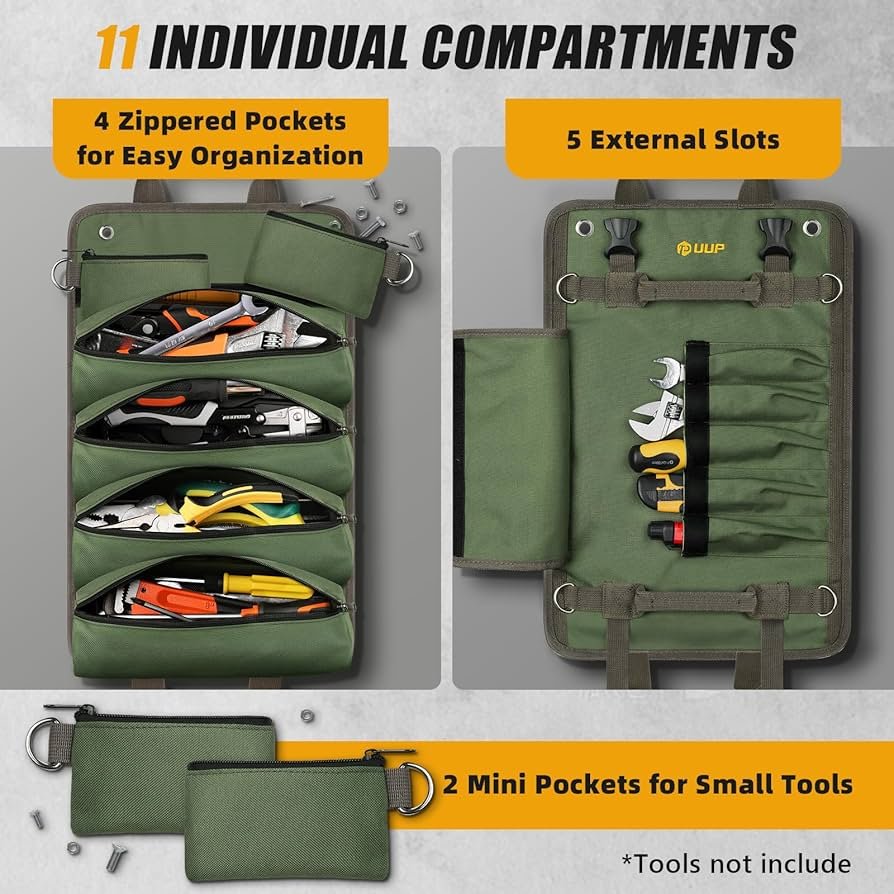
Tool bags often have many pockets and compartments. Use these to keep tools in place.
Small pouches hold tiny items like nails and screws. Large compartments store bigger tools safely.
- Use side pockets for frequently used tools
- Put sharp tools in zipped compartments
- Store heavy tools at the bottom
Labeling For Quick Access
Labels help you find tools fast without searching. Use clear and simple names for each section.
Attach labels on pockets or compartments. This keeps your tool bag neat and easy to use.
- Write tool types on tags
- Use color-coded labels for categories
- Update labels if you change contents
Maximizing Portability
Tool bags help carry tools easily from place to place. Using them well makes work faster and less tiring.
This guide shows how to use tool bags for better portability. Learn to handle, pack, and balance your tools smartly.
Ergonomic Handles And Straps
Choose tool bags with soft, padded handles. They reduce hand strain during long carrying. Adjustable straps help fit the bag to your body.
Look for straps with wide padding. They spread the weight and avoid pressure on your shoulders.
Weight Distribution Tips
Even weight in a tool bag makes it easier to carry. Place heavy tools near the bottom and close to your back.
- Put heavy tools at the base of the bag.
- Keep medium-weight tools in the middle.
- Light tools go on top or in outer pockets.
- Use compartments to separate tools by weight.
Compact Packing Strategies
Packing tools tightly saves space and stops them from moving. Roll up cords and small parts in pouches.
| Packing Tip | Why It Helps |
| Roll cords and cables | Prevents tangles and saves room |
| Use small bags for screws | Keeps tiny parts organized |
| Stack flat tools | Maximizes space inside the bag |
| Fill gaps with soft items | Stops tool movement |

Credit: www.amazon.ae
Maintaining Your Tool Bag
Keeping your tool bag in good shape helps it last longer. Regular care protects your tools and makes it easy to carry them.
This guide covers simple ways to clean, repair, and store your tool bag properly.
Cleaning And Care
Clean your tool bag after each use. Dirt and dust can wear out the material over time.
Use a damp cloth to wipe the outside. For fabric bags, mild soap and water work well.
- Empty the bag before cleaning
- Remove loose dirt with a brush
- Wipe with a wet cloth and mild soap
- Air dry completely before use
- Avoid harsh chemicals that damage fabric
Repairing Common Damages
Fix small tears or broken zippers quickly. Repairs prevent bigger problems later.
Use patches or fabric glue for holes. Replace broken zippers or buckles to keep the bag secure.
- Patch holes with strong fabric patches
- Use fabric glue for small tears
- Replace broken zippers promptly
- Fix loose stitching with a needle and thread
- Check for damage regularly
Storing When Not In Use
Store your tool bag in a dry, cool place. Avoid damp areas to stop mold and mildew.
Keep the bag empty and open. This keeps the shape and lets air circulate.
- Empty the bag before storage
- Keep it open to maintain shape
- Store in a dry, well-ventilated space
- Avoid direct sunlight to prevent fading
- Check the bag regularly for signs of damage
Safety And Security Tips
Using tool bags for portable storage helps keep your tools organized and easy to carry. Safety and security are key when transporting tools.
Following simple tips can prevent damage, theft, and exposure to bad weather. This guide covers important steps to keep your tools safe.
Securing Tools During Transport
Always pack your tools tightly inside the bag to avoid shifting. Loose tools can cause damage or injury.
- Place heavier tools at the bottom for balance.
- Use compartments or dividers to separate items.
- Close zippers and fasten straps securely.
- Check for any sharp edges that may poke through the bag.
Protecting Against Theft
Prevent theft by choosing bags with lockable zippers or built-in locks. Always keep your bag within sight or locked in a secure place.
| Security Feature | Benefit |
|---|---|
| Lockable Zippers | Stops unauthorized access |
| Hidden Pockets | Keeps valuable items out of sight |
| Durable Material | Prevents easy cutting or tearing |
Using Weatherproof Features
Choose tool bags made from weatherproof materials. This protects your tools from rain, dust, and moisture.
- Look for waterproof zippers and sealed seams.
- Use rain covers or extra plastic liners inside the bag.
- Dry your tools and bag before storing them after use in wet conditions.

Credit: www.amazon.ca
Frequently Asked Questions
What Are The Benefits Of Using Tool Bags For Storage?
Tool bags offer portability, organized storage, and easy access to tools. They protect tools from damage and dirt. Their compact design saves space and improves work efficiency, making them ideal for professionals and DIY enthusiasts.
How To Choose The Right Tool Bag Size?
Select a tool bag size based on the number and type of tools you carry. Consider weight capacity, compartments, and portability. A well-sized bag balances storage needs with ease of transport for convenience on the job.
What Materials Are Best For Durable Tool Bags?
Look for tool bags made from heavy-duty materials like nylon, polyester, or canvas. These materials resist wear, tear, and water damage. Reinforced stitching and sturdy zippers also enhance durability for long-term use.
How To Organize Tools Efficiently In A Tool Bag?
Use compartments, pockets, and elastic loops to separate tool types. Store frequently used tools in easy-to-reach spots. Label sections if possible to save time and improve workflow during tasks.
Conclusion
Tool bags offer easy and portable storage for your tools. They keep everything organized and within reach. Choosing the right size and compartments makes a big difference. Durable materials protect tools from damage and weather. Carrying handles or straps add comfort for transport.
Using tool bags saves time and reduces stress on the job. Keep your tools safe and ready for any task. Simple, practical, and useful—tool bags help you work smarter. Give your tools a proper home with a good bag.