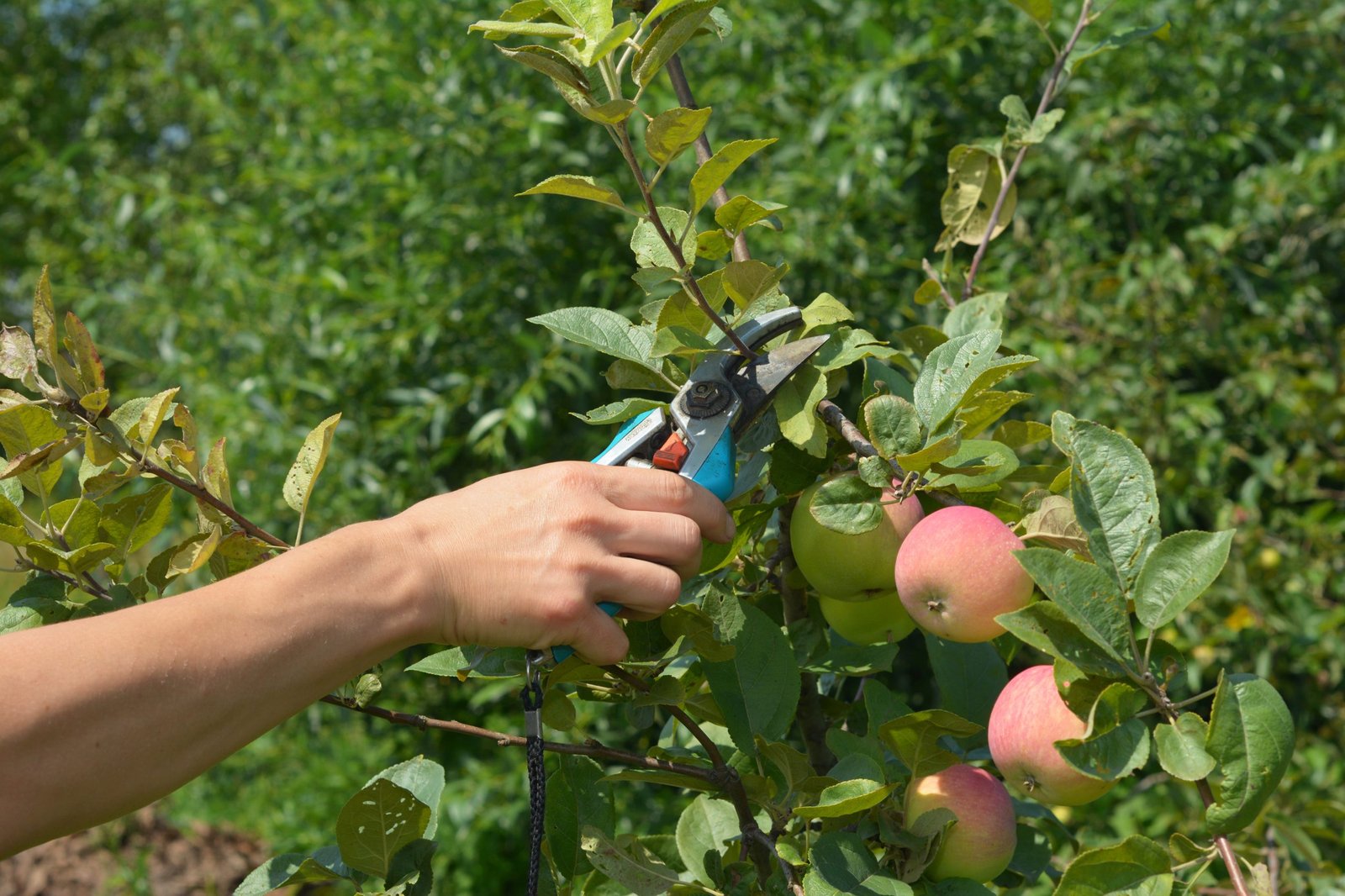
Imagine savoring the juiciest, most flavorful fruits straight from your garden. It’s a dream within reach when you master the art of pruning your fruit bushes evenly.
Pruning isn’t just a task; it’s your golden ticket to healthier plants and bountiful harvests. You might feel overwhelmed by the snip of the shears, but fear not. With a few simple steps, you can transform your garden into a thriving oasis.
This guide will unravel the secrets of pruning, making sure your bushes are not just surviving, but truly flourishing. Curious to know how you can make your fruit bushes thrive and yield delicious fruits? Keep reading to discover the easy, effective techniques that will make you the envy of every gardener.

Credit: www.givinggrove.org
Choosing The Right Time
Pruning fruit bushes at the right time helps them grow well. It keeps plants healthy and makes more fruit.
Knowing when to prune is important for even cuts and good results. Timing depends on the plant’s cycle.
Seasonal Pruning Windows
Each season affects fruit bushes differently. Prune during the best seasons for your plants.
Winter and early spring are common times to prune fruit bushes. This helps prepare them for new growth.
- Late winter pruning removes old wood before buds open
- Early spring pruning shapes bushes and encourages strong growth
- Avoid pruning in summer or fall to protect new fruit buds
Signs Of Dormancy
Dormancy means the plant is resting and not growing. This is the best time to prune fruit bushes.
Look for these signs to know when your bushes are dormant and ready for pruning.
- Buds are small and tight, not opening yet
- Leaves have fallen off or are dry
- Branches feel firm but not brittle
- Plant appears inactive with no new shoots
Essential Tools For Pruning
Pruning fruit bushes helps them grow healthy and produce more fruit. Using the right tools makes pruning easier and safer. This guide covers the key tools you need.
Good pruning tools cut cleanly and reduce damage to plants. Safety gear protects you from cuts and scratches while you work. Let’s look at the types of pruners and the safety gear you should use.
Types Of Pruners
There are several pruners used for trimming fruit bushes. Each type works best for certain branches and cuts.
- Bypass Pruners:These have two blades that pass by each other like scissors. They make clean cuts on live branches.
- Anvil Pruners:These have one sharp blade that cuts onto a flat surface. They work well for dead wood but can crush live stems.
- Loppers:Long-handled pruners that reach thick branches. They give more leverage for bigger cuts.
- Pruning Saw:Used for very thick branches that pruners cannot cut. They have fine teeth for smooth cuts.
Choosing the right pruner helps you cut evenly and avoid damaging your fruit bushes.
Safety Gear
| Safety Gear | Purpose |
|---|---|
| Gloves | Protect hands from cuts and scratches |
| Safety Glasses | Shield eyes from flying debris |
| Long Sleeves | Cover arms to prevent scratches |
| Sturdy Footwear | Protect feet and provide good grip |
Wearing safety gear keeps you safe and comfortable. Always use gloves and eye protection when pruning. Long sleeves and good shoes help avoid injuries.
Preparing Your Bushes
Pruning fruit bushes starts with good preparation. You need to clean and inspect the bushes carefully. This helps you see what needs to be cut.
Removing dead wood is an important part of preparing your bushes. It keeps the plant healthy and ready for new growth.
Cleaning And Inspection
First, clear the area around the bush. Remove leaves, weeds, and any debris. This gives you a clear view of the branches.
- Look for broken or damaged branches
- Check for signs of disease or pests
- Identify overcrowded or crossing branches
- Note the shape and size of the bush
Use sharp tools to clean off dirt and moss on branches. This will help you see the wood clearly for pruning.
Removing Dead Wood
Dead wood can stop the bush from growing well. Cut away all dead or dry branches. Remove them close to the base to avoid damage.
| Signs of Dead Wood | Action |
| Branches that are dry and brittle | Cut off at the base |
| Wood with no green inside when scratched | Remove completely |
| Branches with cracks or peeling bark | Trim away damaged parts |
| Dead tips or ends on branches | Prune back to healthy wood |
Techniques For Even Pruning
Pruning fruit bushes helps them grow healthy and produce more fruit. Doing it evenly makes sure the bush stays balanced and strong.
Learn how to prune by identifying growth patterns, balancing branch length, and shaping the bush properly.
Identifying Growth Patterns
Look closely at how your fruit bush grows. Notice where new shoots appear and which branches are strong or weak. This helps you decide where to cut.
- Find the main stems and side branches
- Observe which branches grow quickly
- Check for crowded or crossing branches
- Spot old or dead wood that needs removal
Balancing Branch Length
Trim branches to similar lengths to keep the bush even. This balance helps sunlight reach all parts and supports fruit growth.
| Branch Condition | Pruning Action |
| Too long | Cut back to match others |
| Weak or thin | Remove or shorten |
| Healthy and strong | Keep length balanced |
| Dead or damaged | Remove completely |
Shaping The Bush
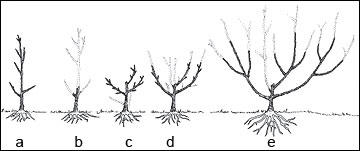
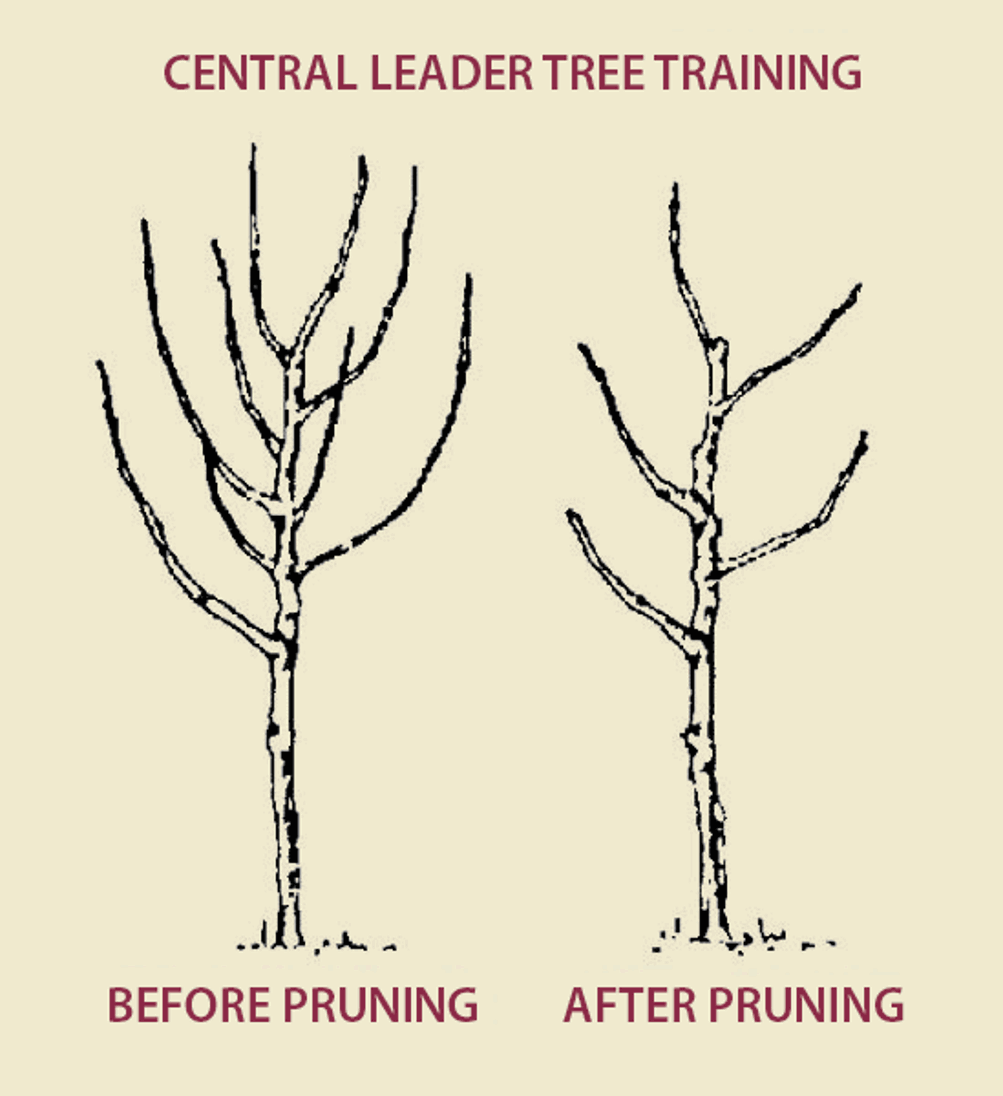
Shape your bush to have an open center and even sides. This form improves air flow and sunlight exposure.
- Remove inward-growing branches
- Keep outer branches spread evenly
- Cut high branches to maintain shape
- Thin crowded areas for better light
Managing Growth After Pruning
After pruning fruit bushes, managing growth helps keep plants healthy. Proper care supports even growth and better fruit production.
Focus on feeding and watering your bushes well. These steps help plants recover and grow strong after pruning.
Fertilizing Tips
Use a balanced fertilizer to give your bushes the right nutrients. Fertilize soon after pruning to encourage new growth.
Choose fertilizers with equal amounts of nitrogen, phosphorus, and potassium. These nutrients support leaves, roots, and fruits.
- Apply fertilizer evenly around the bush base
- Follow the instructions on the package carefully
- Avoid over-fertilizing to prevent plant stress
- Consider slow-release fertilizers for steady feeding
Watering Strategies
Water your fruit bushes deeply after pruning. Deep watering helps roots absorb moisture and nutrients better.
Keep the soil moist but not soggy. Regular watering supports steady growth and fruit development.
- Water early in the morning or late in the evening
- Check soil moisture before watering again
- Use mulch to keep soil moist longer
- Avoid wetting leaves to reduce disease risk
Common Mistakes To Avoid
Pruning fruit bushes helps them grow healthy and produce fruit evenly. Many gardeners make simple mistakes that hurt the bush or lower fruit yield.
Knowing what to avoid can keep your bushes strong and fruitful for years.
Over-pruning
Cutting too much from your fruit bushes can harm their growth. Over-pruning removes too many branches, leaving less leaf area for photosynthesis.
This weakens the bush and reduces fruit production. It also makes the bush more open to disease and cold damage.
- Do not remove more than one-third of the bush in one session.
- Focus on cutting old or dead wood first.
- Keep some leafy branches to feed the bush.
- Avoid cutting all new growth at once.
Ignoring Bush Health
Pruning without checking the bush’s health can cause problems. Sick or weak bushes need gentle care, not heavy pruning.
Ignoring signs of pests, disease, or poor soil stops you from fixing issues early. This lowers fruit quality and growth.
- Look for spots, holes, or discoloration on leaves.
- Check stems for cracks or soft areas.
- Use clean, sharp tools to avoid spreading disease.
- Improve soil and water if the bush looks weak.
Troubleshooting Growth Issues
Pruning fruit bushes evenly helps keep plants healthy and productive. Sometimes bushes grow unevenly or show signs of problems.
Knowing how to spot and fix these issues can improve growth and fruit yield. Let’s explore common problems and solutions.
Dealing With Uneven Growth
Uneven growth often happens when sunlight is blocked or branches crowd each other. This stops some parts from growing well.
Prune bushes to open the center and let light reach all branches. Remove weak or crossing branches to balance growth.
- Cut back long branches to promote new shoots
- Thin crowded areas to increase air flow
- Remove damaged or dead wood first
- Check bushes regularly for new uneven spots
Pest And Disease Control
Pests and diseases can slow bush growth and cause uneven shapes. Watch for spots, holes, or sticky leaves.
Remove infected parts and clean tools after pruning. Use natural sprays or treatments to control pests safely.
- Look for aphids, mites, and caterpillars
- Check for fungal infections like powdery mildew
- Keep the area clean of fallen leaves and fruit
- Apply insecticidal soap or neem oil if needed
Credit: www.groworganic.com
Credit: www.starkbros.com
Frequently Asked Questions
How Often Should I Prune Fruit Bushes?
Prune fruit bushes annually during late winter or early spring. This timing encourages healthy growth and better fruit production. Regular pruning prevents overcrowding and improves air circulation.
What Tools Are Best For Pruning Fruit Bushes?
Use sharp, clean pruning shears or loppers for precise cuts. Avoid dull tools as they can damage branches. Sterilize tools before and after pruning to prevent disease spread.
How Do I Prune Fruit Bushes Evenly?
Prune by cutting back to healthy buds, balancing branch length. Remove weak or crossing branches to maintain shape. Aim for uniform height and width for even growth.
Can I Prune Fruit Bushes In Summer?
Light pruning in summer is possible to remove dead or diseased wood. Avoid heavy pruning as it can stress the plant and reduce fruit yield.
Conclusion
Pruning fruit bushes evenly helps them grow healthy and strong. It allows sunlight and air to reach all parts. Cutting the right branches at the right time keeps the bush balanced. Regular care improves fruit size and quality. Remember to use clean, sharp tools for best results.
Watch your bushes closely each season to adjust your pruning. With patience and practice, your fruit bushes will thrive. Enjoy fresh fruits from your well-pruned bushes every year. Simple steps make a big difference in your garden.