Are you dreaming of a vibrant garden but worried about the shaded spots in your yard? You’re not alone.
Many gardeners face the challenge of bringing life and color to areas that receive little sunlight. The good news is, planting bulbs in shaded areas can be your perfect solution! Imagine having a lush, colorful garden that thrives even in the shadows.
This guide will show you how to transform those tricky spots into stunning displays of nature’s beauty. You’ll discover the best bulbs for shade, simple planting techniques, and tips to ensure they flourish. Dive in, and let’s turn those shady corners into your garden’s hidden gems!
Choosing Bulbs For Shade
Planting bulbs in shaded areas can be tricky. Not all bulbs grow well without much sunlight.
Picking bulbs that thrive in shade helps your garden stay colorful and healthy.
Best Bulb Varieties
Some bulbs do better in shade than others. Choose bulbs known for shade tolerance.
- Snowdrops – bloom early and like cool shade
- Bluebells – thrive in light to medium shade
- Daffodils – prefer partial shade and well-drained soil
- Crocuses – grow well in light shade areas
- Fritillaria – adapt well to shady gardens
These bulbs bring color and life to dim garden spots.
Shade Tolerance Levels
Bulbs have different needs for sunlight. Understanding shade levels helps you pick the right ones.
- Full Shade: Less than 2 hours of direct sunlight a day
- Partial Shade: 2 to 4 hours of sunlight, usually morning sun
- Dappled Shade: Light filtered through trees, many hours of indirect light
Choose bulbs that match the shade level of your garden area for best growth.

Credit: www.waysidegardens.com
Soil Preparation
Planting bulbs in shaded areas needs good soil preparation. The soil must support growth despite less sunlight.
Prepare the soil to help bulbs get enough air, water, and nutrients. This will improve their chance to bloom well.
Improving Drainage
Shaded areas often have wet soil that holds water too long. Bulbs need soil that drains well to stop root rot.
To improve drainage, loosen the soil deeply. Mix in materials that help water flow out quickly.
- Add sand to break up heavy clay soils
- Mix in compost to improve soil texture
- Use small gravel or perlite to create air pockets
- Avoid compacting the soil around bulbs
Nutrient Requirements
Bulbs need nutrients to grow strong leaves and flowers. Shaded soils may lack some nutrients bulbs need.
Add organic matter to feed the soil naturally. Use balanced fertilizers to supply essential nutrients.
- Mix compost or well-rotted manure into the soil
- Apply a slow-release fertilizer with equal nitrogen, phosphorus, and potassium
- Test soil pH; bulbs prefer slightly acidic to neutral soil (pH 6.0-7.0)
- Replenish nutrients yearly for best results
Planting Techniques
Planting bulbs in shaded areas needs special care. These areas get less sunlight, so bulbs must be chosen and planted carefully.
Using the right planting techniques helps bulbs grow strong and healthy in the shade. This guide explains how to plant bulbs well.
Depth And Spacing
Plant bulbs at the correct depth to protect them and help roots grow. Shaded areas can be cooler, so planting slightly deeper helps keep bulbs warm.
Leave enough space between bulbs to allow air flow and avoid crowding. Crowded bulbs may not bloom well and can get diseases.
- Plant bulbs about two to three times as deep as their height.
- Keep at least 3 to 6 inches between each bulb depending on the type.
- Deeper planting helps bulbs avoid frost in shaded spots.
- Good spacing reduces competition for water and nutrients.
Timing For Planting
Plant bulbs at the right time to give them a good start. In shaded areas, soil stays cooler longer, so planting may need to be a bit later.
Planting too early can cause bulbs to rot in cold, wet soil. Planting too late can prevent roots from growing well before winter.
- Plant fall bulbs like tulips and daffodils in mid to late fall.
- Wait until the soil is workable but still cool.
- Spring bulbs can go in early spring after the last frost.
- Check local climate to adjust planting times for shaded areas.
Credit: www.gardeningknowhow.com
Watering And Maintenance
Planting bulbs in shaded areas needs special care. Proper watering and maintenance help bulbs grow strong and healthy.
Understanding how much water and fertilizer your bulbs need is key. These steps keep bulbs healthy under low light conditions.
Watering Schedule
Bulbs in shaded spots do not dry out as fast as those in full sun. Water them less often but do it deeply. Keep the soil moist but not soggy.
- Check soil moisture weekly with your finger.
- Water only if top 1 inch of soil feels dry.
- Use a watering can or drip irrigation for gentle watering.
- Water early in the day to prevent fungal problems.
- Avoid watering leaves to reduce disease risk.
Fertilizing Tips
| Type of Fertilizer | When to Apply | Frequency | Amount |
| Balanced granular (10-10-10) | At planting time | Once | According to package |
| Liquid fertilizer | After shoots appear | Every 3 weeks | Half strength |
| Bone meal | Before planting | Once | 2 tablespoons per bulb |
Dealing With Common Problems
Planting bulbs in shaded areas can be tricky. Bulbs may face pests and diseases that stop growth.
Knowing how to handle these issues helps bulbs thrive and bloom beautifully in low light.
Pests And Diseases
Common pests like slugs and rodents harm bulbs by eating shoots and bulbs underground. Diseases can cause leaves to yellow or bulbs to rot.
- Use slug traps or barriers to protect bulbs.
- Keep the area clean of fallen leaves to reduce pests.
- Check bulbs regularly for signs of damage or disease.
- Remove and destroy infected plants to stop spread.
- Apply natural pest repellents safe for shaded gardens.
Bulb Rot Prevention
Bulb rot happens when soil stays too wet or drains poorly. This kills the bulb before it grows.
| Cause | Prevention |
| Waterlogged soil | Plant bulbs in raised beds or mounds |
| Poor drainage | Add sand or grit to soil for better drainage |
| Planting too deep | Plant bulbs at correct depth, not too deep |
| Infected bulbs | Buy healthy, disease-free bulbs from trusted sources |

Credit: www.waysidegardens.com
Design Ideas For Shaded Gardens
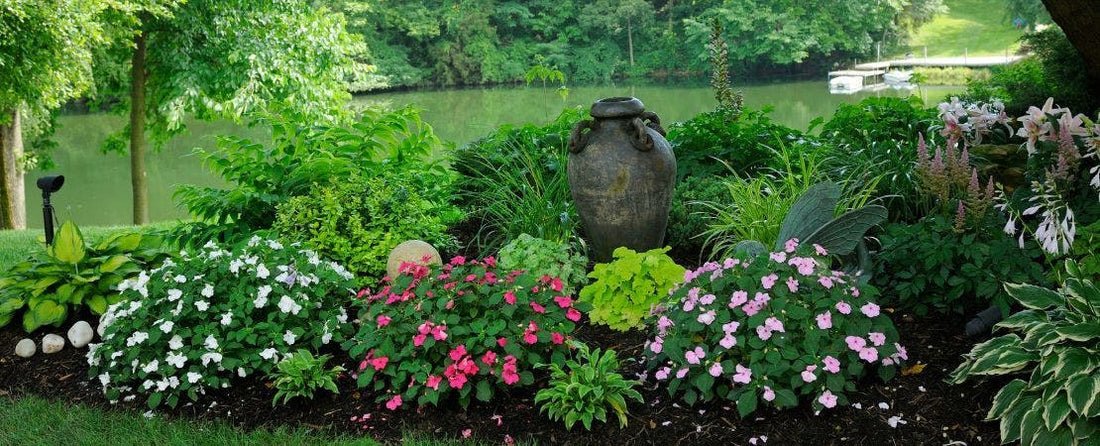
Planting bulbs in shaded areas can brighten dark corners of your garden. Bulbs add color and life where sunlight is limited. Choosing the right bulbs helps create a lively, shaded garden space.
Combining bulbs with shade-loving plants brings texture and depth. This guide covers ideas to mix bulbs and shade plants and keep interest all year round.
Combining Bulbs With Shade Plants
Some bulbs grow well in shade and pair beautifully with shade plants. Use bulbs to add splashes of color among green leaves. Pairing bulbs with the right plants creates a balanced look.
- Plant bluebells or snowdrops with ferns for a soft, woodland feel.
- Combine daffodils with hostas to add bright yellow amid lush leaves.
- Use crocus and heuchera together for early spring color.
- Tulips work well with shade-tolerant astilbe for late spring interest.
- Mix lily-of-the-valley with allium for a mix of shape and scent.
Seasonal Interest
Plan bulbs and shade plants to bloom at different times. This keeps the garden colorful all year. Use a mix of early, mid, and late season bloomers. Add evergreen shade plants to keep green in winter.
| Season | Bulbs | Shade Plants |
| Spring | Snowdrops, Crocus, Daffodils | Ferns, Hostas |
| Summer | Lilies, Allium | Astilbe, Heuchera |
| Fall | Autumn Crocus | Japanese Maple, Ferns |
| Winter | None (dormant) | Evergreen Ferns, Holly |
Frequently Asked Questions
What Bulbs Grow Best In Shaded Areas?
Bulbs like snowdrops, lilies, and daffodils thrive in shade. They require less sunlight and bloom well under trees or structures. Choose bulbs labeled shade-tolerant for the best results in shaded gardens.
How Deep Should I Plant Bulbs In Shade?
Plant bulbs at a depth two to three times their size. This protects them from temperature changes and pests. Shaded soil tends to stay cooler, so proper depth helps bulbs establish strong roots.
Can Bulbs Survive With Minimal Sunlight?
Yes, many bulbs adapt to low light conditions. They need indirect sunlight or dappled shade for healthy growth. Avoid dense shade with no light, as bulbs require some sunlight to bloom.
When Is The Best Time To Plant Bulbs In Shade?
Plant bulbs in early fall before the ground freezes. This timing allows roots to develop in cool, moist soil. Early planting ensures vibrant blooms in spring, even in shaded spots.
Conclusion
Planting bulbs in shaded areas brings beauty to hidden garden spots. Choose bulbs that grow well without much sun. Prepare the soil by keeping it loose and rich. Plant bulbs at the right depth for strong growth. Water them gently but regularly to keep soil moist.
Watch your shaded garden bloom with colorful flowers. Enjoy the peaceful charm that shaded bulbs create. Simple steps lead to a lovely and thriving garden space. Give your shaded spots a fresh, natural look this season.