Are you tired of jagged edges and uneven cuts when using your utility knife? If so, you’re not alone.
Many people struggle to achieve those clean, precise cuts that make projects look professional and polished. But here’s the good news: it doesn’t have to be that way. With a few simple tips and tricks, you can master the art of using a utility knife like a pro.
Imagine slicing through materials with ease, transforming your DIY projects into masterpieces. Intrigued? Keep reading to discover how you can elevate your cutting skills and achieve the flawless results you’ve always wanted.
Choosing The Right Utility Knife
Picking the right utility knife helps you make clean, precise cuts. It also keeps your work safe and easier.
Utility knives come in many styles. Choosing one that fits your needs improves your cutting tasks.
Blade Types And Their Uses
Utility knives have different blade shapes and sizes. Each type works best for certain materials and jobs.
- Standard blades are good for general cutting like cardboard and plastic.
- Hook blades cut roofing materials and linoleum without damaging surfaces underneath.
- Snap-off blades let you remove dull sections for a fresh edge.
- Heavy-duty blades handle thick materials like carpet or rubber.
Ergonomics And Handle Design
Comfort and control come from a knife’s handle design. Good ergonomics reduce hand strain and improve safety.
Look for handles with soft grips or textured surfaces. They stop slipping and let you cut steadily.
- Curved handles fit your hand better for longer use.
- Lightweight knives reduce fatigue during big projects.
- Locking mechanisms keep blades secure while cutting.
- Compact designs help with detailed or tight cuts.
Preparing For A Clean Cut
Using a utility knife for clean cuts requires careful preparation. Choosing the right surface and marking the cut line clearly helps achieve neat results.
Taking these steps before cutting reduces mistakes and keeps your work safe and precise.
Surface Selection And Stability
Select a flat, stable surface to work on. This prevents the material from slipping and ensures a straight cut.
- Use a cutting mat to protect your work surface.
- Ensure the surface does not wobble or move.
- Place clamps if needed to hold the material steady.
- Avoid soft or uneven surfaces that may cause uneven cuts.
Marking Your Cut Line
Clear markings guide your cut and improve accuracy. Use a sharp pencil or marker for visible lines.
| Tool | Best Use |
| Ruler or Straightedge | Draw straight lines |
| Measuring Tape | Measure exact lengths |
| Sharp Pencil | Mark thin, precise lines |
| Marker | Mark on dark surfaces |
Cutting Techniques
Using a utility knife correctly helps you make clean, precise cuts. Good cutting techniques improve safety and results.
This guide covers grip, pressure, angle, and cutting passes for better control.
Proper Grip And Hand Position
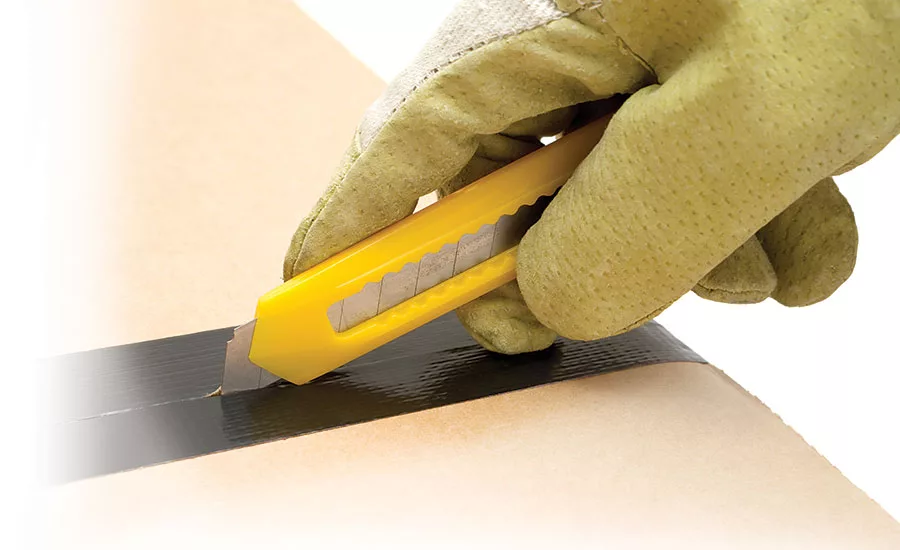
Hold the utility knife firmly with your dominant hand. Keep your index finger on the side near the blade for control.
- Wrap your fingers around the handle comfortably.
- Keep your thumb on the opposite side of the blade.
- Position your other hand to hold the material steady but away from the blade path.
Controlling Pressure And Angle
Apply steady pressure to avoid jagged cuts. Use a sharp blade and keep it at the right angle.
| Blade Angle | Pressure Level | Effect |
| 30° to 45° | Light to Medium | Clean and smooth cuts |
| More than 45° | Heavy | Rough cuts and blade damage |
| Less than 30° | Light | Blade may slip or not cut fully |
Using Multiple Passes
Make several light cuts instead of one deep cut. This gives you more control and cleaner edges.
- Start with a shallow cut along the line.
- Repeat the cut, deepening it each time.
- Stop cutting once the material is fully through.
Credit: westernhunter.net
Safety Practices
Using a utility knife needs care and attention. You must follow safety steps to avoid injuries.
Clean cuts depend on sharp blades and safe handling. Learn how to keep your knife safe and ready.
Blade Maintenance And Replacement
A dull blade makes cutting harder and less safe. Replace blades often to keep cuts clean and safe.
Check the blade before each use. If it looks worn or chipped, change it right away.
- Use a sharp blade for better control
- Replace blades if they are bent or rusty
- Keep spare blades in a safe place
- Follow the knife’s instructions to change blades
Safe Handling And Storage
Hold the knife firmly while cutting. Cut away from your body and fingers to avoid accidents.
Store the utility knife with the blade retracted or covered. Keep it out of reach of children.
- Always retract the blade after use
- Do not use excessive force when cutting
- Wear gloves to protect your hands if needed
- Store knives in a safe, dry place
Troubleshooting Common Issues
Using a utility knife can be tricky if you face common problems like rough cuts or blade slipping. Fixing these issues makes your work cleaner and safer.
Below are tips to help you avoid jagged edges and handle tough materials with your utility knife.
Avoiding Jagged Edges
Jagged edges happen when the blade is dull or the cutting angle is wrong. Keep your knife sharp and use steady pressure.
- Use a new blade if cuts look rough.
- Cut slowly and avoid rushing.
- Hold the knife at a consistent angle.
- Support the material firmly while cutting.
- Make multiple light passes instead of one deep cut.
Dealing With Tough Materials
Tough materials like thick cardboard or plastic need extra care. Use the right blade and cutting technique to avoid damage.
| Material | Blade Type | Cutting Tip |
| Thick Cardboard | Sharp, heavy-duty blade | Make several light passes |
| Plastic Sheets | Fine-toothed blade | Score first, then snap |
| Rubber | Utility blade with fresh edge | Use steady, firm pressure |

Credit: insights.made-in-china.com

Credit: insights.made-in-china.com
Frequently Asked Questions
How Do I Hold A Utility Knife For Clean Cuts?
Hold the utility knife firmly with your dominant hand. Keep your fingers away from the blade edge. Use a steady, controlled motion for smooth, clean cuts. Maintain a consistent angle to avoid jagged edges.
What Blade Type Is Best For Clean Utility Knife Cuts?
Use a sharp, snap-off blade for precise cuts. Replace dull blades regularly to maintain cutting quality. A fresh blade reduces tearing and enhances safety during use.
How Can I Prevent Slipping While Cutting With A Utility Knife?
Ensure your cutting surface is stable and non-slip. Use a cutting mat to protect surfaces and control the blade. Maintain a firm grip and cut slowly to avoid accidents.
When Should I Replace The Utility Knife Blade?
Replace the blade when it becomes dull or difficult to cut. A sharp blade ensures cleaner cuts and improves safety. Regular blade changes prevent material damage and effort.
Conclusion
Using a utility knife safely brings better results every time. Keep your blade sharp and your hand steady. Cut slowly and follow your marked lines carefully. Always work on a stable surface. Replace dull blades to avoid slips and rough edges.
Practice these tips to make clean cuts easier. You will feel more confident with each use. Small efforts lead to big improvements. Stay safe and enjoy your projects.