Picture this: You’re in your workshop, ready to craft your next masterpiece, but you can’t find your hand plane, or worse, it’s damaged from poor storage. Frustrating, isn’t it?
Hand planes are essential tools for any woodworker, but improper storage can lead to rust, damage, and unnecessary wear. Imagine the time and money you could save by storing them correctly. You’ll discover practical tips for storing your hand planes safely and efficiently.
Whether you have a small or large workshop, these strategies will help you maintain your tools in perfect condition, ensuring they’re always ready for your next project. Ready to transform your workspace and protect your investment? Keep reading to learn how.
Choosing The Right Storage Spot
Storing hand planes correctly keeps them sharp and ready. Picking the best spot in your workshop helps protect your tools.
A good storage spot also saves space and makes your workflow smoother. Consider your workshop setup carefully.
Assessing Workshop Layout
Look at your workshop and find places with enough room for your hand planes. Avoid cluttered or tight spots that may cause damage.
Think about walls, shelves, or cabinets that can hold your tools safely. Keep your workspace organized to find tools easily.
Considering Accessibility
Store hand planes where you can reach them without hassle. Easy access saves time and keeps your work flowing.
Place frequently used planes in front or at a comfortable height. Less used tools can go to the back or higher shelves.
- Keep tools within arm’s reach
- Use pegboards for quick access
- Label storage areas clearly
Avoiding Moisture And Dust
Moisture causes rust and dust dulls blades. Pick a dry, clean spot for your hand planes.
Use sealed cabinets or boxes if your workshop is humid. Regularly clean the storage area to keep dust away.
- Choose a spot away from water sources
- Use silica gel packs to reduce moisture
- Cover tools with cloth to block dust

Credit: www.reddit.com
Types Of Storage Solutions
Hand planes are essential tools for woodworking. Keeping them organized helps protect them and saves time.
There are many storage options to fit different workshops and needs. You can choose what works best for you.
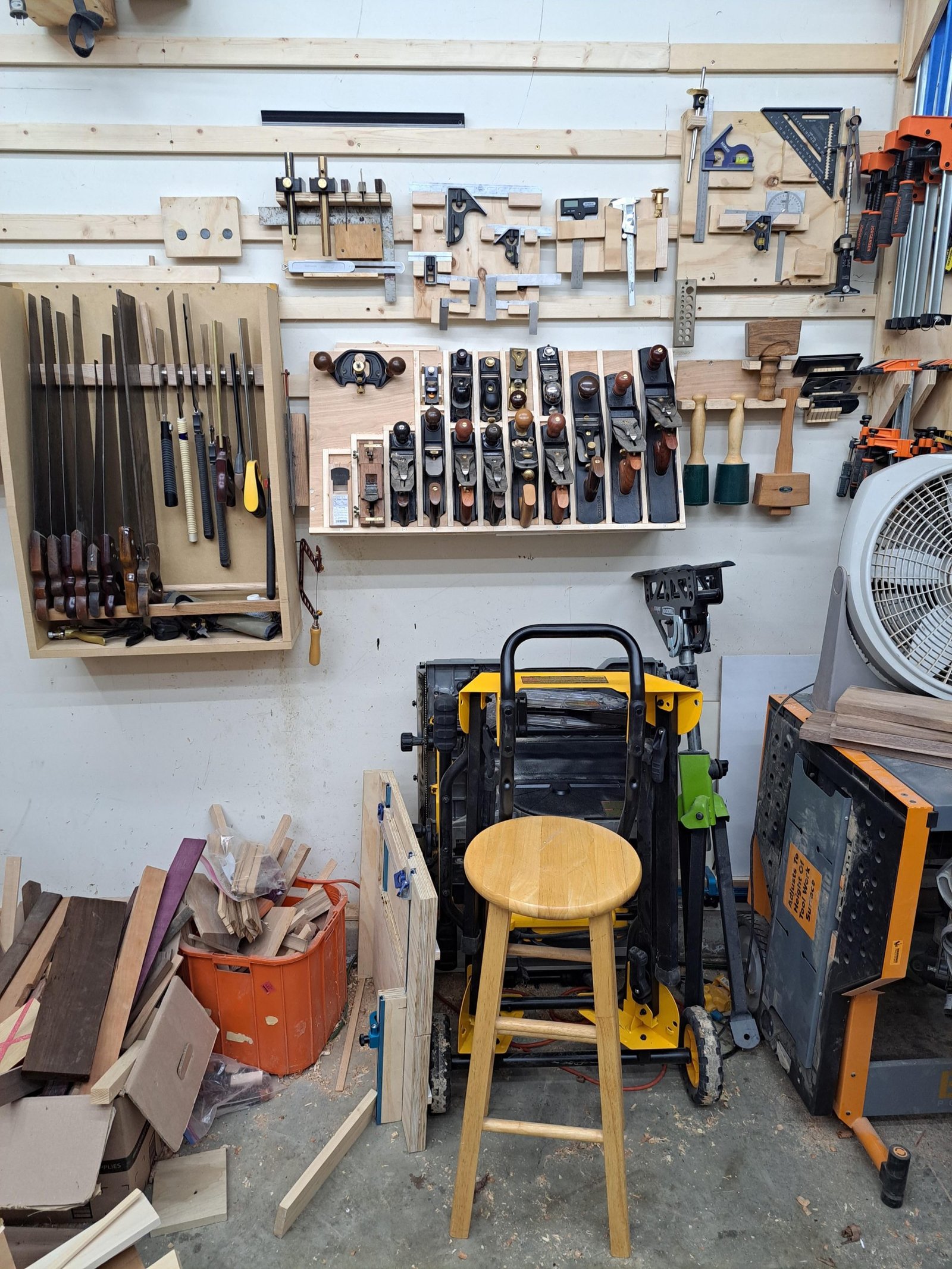
Wall-mounted Racks
Wall-mounted racks hold hand planes off the workbench. This keeps them visible and easy to reach.
Racks can be made from wood or metal. They help save space and keep tools safe from damage.
- Mount racks at a comfortable height
- Use slots or hooks to hold planes securely
- Keep racks away from dust and moisture
Drawer Organizers
Drawer organizers fit inside workbench drawers. They keep hand planes separated and prevent scratches.
You can use foam inserts or wooden dividers. This method hides tools from dust and keeps the workshop tidy.
- Choose drawers deep enough for your planes
- Label sections for easy tool finding
- Use soft materials to protect tool surfaces
Custom Shelving
Custom shelves can be built to fit your hand planes exactly. This option offers flexibility and style.
Shelves can include angled supports or slots. They keep planes stable and show them nicely in your workshop.
- Measure your planes before building shelves
- Use durable wood or metal materials
- Consider adding labels or protective pads
Magnetic Strips
Magnetic strips hold metal hand planes on the wall. They provide quick access and save bench space.
Strong magnets keep planes secure but avoid metal scratches. Use a strip with a protective cover if possible.
- Install strips at reachable heights
- Check magnet strength before hanging heavy tools
- Use padding to protect tool surfaces
Protecting Hand Planes From Damage
Hand planes are useful tools in any workshop. Keeping them safe helps them last longer. Proper storage prevents damage and keeps them ready to use.
Using simple methods can protect your hand planes. This guide covers ways to store your tools with care.
Using Padding And Liners
Padding and liners cushion hand planes and stop them from banging against hard surfaces. Soft materials like foam or felt work well. Place them on shelves or drawers where you keep your planes.
- Use foam sheets or felt liners on shelves
- Wrap planes in soft cloth before storing
- Keep padding clean and dry to avoid moisture
- Replace liners if they wear out or get dirty
Separating Tools To Prevent Scratches
Hand planes can scratch each other if stored too close. Use dividers or separate compartments. This keeps each tool safe and easy to find.
| Storage Method | Benefit |
|---|---|
| Wooden dividers | Keep tools from touching |
| Individual boxes | Protect from dust and scratches |
| Tool racks | Organize and separate planes |
| Drawer inserts | Prevent movement and collisions |
Maintaining Blade Sharpness
Sharp blades work better and last longer. Store blades carefully to keep their edges safe. Clean blades before storing to stop rust.
- Remove blades if storing for a long time
- Apply a light coat of oil on blades
- Use blade guards or wrap in soft cloth
- Sharpen blades regularly for best results
Maximizing Space Efficiency
Hand planes are essential tools in any workshop. Storing them properly saves space and keeps them safe.
Using smart storage ideas helps keep your workshop neat and organized. This guide shows easy ways to store hand planes.
Vertical Storage Ideas
Vertical storage uses wall space to free up your workbench and shelves. Hanging hand planes vertically protects the blades and handles.
Use hooks or pegboards to hang planes by their handles. This keeps them visible and easy to grab.
- Install a pegboard on a workshop wall
- Use sturdy hooks or brackets for each plane
- Label spots for quick identification
- Keep planes off the floor to avoid damage
Stacking Techniques
Stacking hand planes saves shelf space. Place planes with wider bases at the bottom for stability.
Use foam or wood dividers between planes to avoid scratches and damage.
- Stack planes flat with the sole down
- Use dividers to keep tools separate
- Label stacks by plane type or size
- Keep heavier planes at the bottom
Multi-purpose Storage Units
Multi-purpose units combine storage for hand planes and other tools. This helps save space and keeps tools organized.
Choose units with adjustable shelves or compartments to fit different sizes of planes and accessories.
- Use cabinets with pull-out drawers for easy access
- Install adjustable shelves to fit larger planes
- Include compartments for blades and small parts
- Keep units near your workbench for convenience
Maintenance Tips For Stored Hand Planes
Proper care helps hand planes last longer and work better. Storing them right keeps parts safe and sharp.
Simple maintenance steps protect your tools from rust and damage. Follow these tips to keep your planes ready to use.
Regular Cleaning Routines
Clean your hand planes after each use. Remove dust, wood chips, and oil to stop rust and wear.
- Wipe metal parts with a dry cloth.
- Use a small brush for hard-to-reach areas.
- Apply light oil to metal surfaces to prevent rust.
- Remove and clean blades separately.
- Store blades safely when not in the plane.
Controlling Humidity
Humidity causes rust and wood swelling. Keep your workshop dry to protect hand planes.
| Humidity Level | Effect on Hand Planes |
| Below 40% | Safe, minimal rust risk |
| 40% to 60% | Normal, watch for damp spots |
| Above 60% | High risk of rust and wood damage |
Use a dehumidifier or silica gel packs near your tools. Ventilate the room to keep air moving.
Periodic Inspection
Check your hand planes often for wear or damage. Fix small problems before they grow.
- Look for rust spots on metal parts.
- Check blade sharpness and alignment.
- Inspect wooden handles for cracks or dryness.
- Tighten loose screws and knobs.
- Test the plane’s movement to ensure smooth operation.

Credit: www.reddit.com

Credit: www.reddit.com
Frequently Asked Questions
How Should I Clean Hand Planes Before Storage?
Clean hand planes by wiping off dust and debris. Use a soft cloth and mild cleaner. Remove any rust with fine steel wool. Dry thoroughly to prevent moisture damage. Proper cleaning extends tool life and ensures optimal performance.
What Is The Best Storage Method For Hand Planes?
Store hand planes in a dry, cool place. Use a dedicated rack or drawer with padding. Keep blades retracted or covered to avoid damage. Proper storage prevents rust and preserves sharpness. Organize tools for easy access and safety.
Can Humidity Affect Hand Planes During Storage?
Yes, high humidity causes rust and corrosion on metal parts. Use silica gel packs or dehumidifiers to control moisture. Regularly inspect planes for rust spots. Keeping humidity low maintains tool condition and functionality.
Should Hand Plane Blades Be Removed Before Storing?
Removing blades is optional but recommended for long-term storage. It prevents blade damage and reduces moisture exposure. Store blades separately in a protective case. This practice keeps blades sharp and safe.
Conclusion
Proper storage keeps hand planes safe and ready to use. Clean and dry them before putting away. Use racks, shelves, or cases to avoid damage. Organize your workshop to find tools quickly. Taking care of your tools saves time and money.
A neat workspace helps you work better and faster. Store hand planes carefully to enjoy them for years. Simple steps make a big difference in tool life. Keep your workshop tidy and your tools happy.