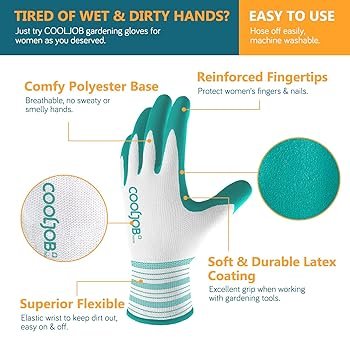
Are you tired of constantly replacing your garden gloves? You’re not alone.
Many gardeners face the same frustration. However, there’s good news—maintaining your garden gloves for durability is easier than you might think. By investing just a little time and effort, you can extend the life of your gloves and keep them in top condition for all your gardening adventures.
Imagine the satisfaction of reaching for your trusty gloves season after season, knowing they’re ready to protect your hands. In this guide, we’ll share simple yet effective tips that will not only save you money but also enhance your gardening experience. Ready to discover how to keep your gloves in great shape? Let’s dive in!
Choosing Durable Garden Gloves
Garden gloves protect your hands from dirt, thorns, and rough surfaces. Choosing gloves that last saves money and effort. Durable gloves handle tough jobs better.
Focus on materials and fit to get gloves that stay strong and comfortable. Good choices make gardening easier and safer.
Materials That Last
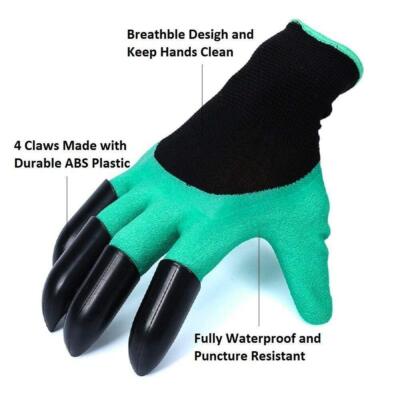
Different materials offer different levels of protection and durability. Some materials resist wear and tear better than others. Look for gloves made of:
- Leather – strong and flexible, ideal for heavy work
- Nitrile – water-resistant and puncture-proof
- Rubber-coated fabric – good grip and protection from moisture
- Kevlar – cut-resistant and very durable
Choose materials based on the gardening tasks you do most. Some gloves combine materials for extra strength.
Proper Fit For Longevity
| Fit Aspect | Benefit |
| Snug but not tight | Prevents wear from slipping and bunching |
| Correct finger length | Improves control and reduces stress on seams |
| Flexible wrist | Keeps gloves secure without tearing |
| Breathable design | Reduces sweat that can weaken material |
Gloves that fit well last longer because they move with your hands. Avoid gloves that are too loose or too tight.
Credit: www.ebay.ca
Cleaning Garden Gloves Correctly
Garden gloves protect your hands from dirt and injuries. Keeping them clean helps them last longer. Proper cleaning removes soil, sap, and bacteria that damage gloves.
Different gloves need different care. Learn how to wash and dry your gloves the right way. This keeps them strong and ready for your next gardening task.
Hand Washing Techniques
Hand washing is gentle and works well for most garden gloves. Use mild soap and warm water. Avoid harsh chemicals that can weaken the material.
Rub the gloves softly to remove dirt. Pay attention to stained or sticky areas. Rinse thoroughly to remove all soap.
- Fill a basin with warm water and mild soap
- Submerge gloves and soak for 10 minutes
- Gently rub gloves to clean dirt and stains
- Rinse gloves under clean water until soap is gone
- Press gloves lightly to remove excess water
Machine Washing Guidelines
Some garden gloves can be washed in a machine. Check the label for instructions first. Use a gentle cycle with cold water to avoid damage.
Put gloves in a laundry bag to protect them. Use mild detergent and avoid bleach. Do not wash gloves with heavy items like jeans.
- Check glove label for machine washing approval
- Place gloves in a mesh laundry bag
- Choose gentle cycle and cold water
- Use mild detergent without bleach
- Wash with light fabrics only
Drying Methods To Avoid Damage
Dry garden gloves carefully to keep their shape and strength. Avoid direct sunlight, which can dry out leather gloves. Do not use a dryer, as heat can shrink or crack gloves.
Air dry gloves flat or hang them in a shaded, well-ventilated area. Stuff gloves with paper towels to keep their shape while drying.
- Never dry gloves in direct sunlight
- Do not put gloves in a clothes dryer
- Air dry gloves on a flat surface or hang them
- Use paper towels inside gloves to keep shape
- Allow gloves to dry completely before storing
Storing Gloves Safely
Keeping garden gloves safe after use helps them last longer. Proper storage stops damage and dirt build-up.
Good storage keeps gloves ready for your next gardening task. It protects the material and shape.
Ideal Storage Conditions
Store gloves in a cool, dry place away from direct sunlight. Heat and light can weaken the glove material.
Keep gloves in a spot with good air flow. Avoid tight containers that can squash or bend the gloves.
- Use a breathable bag or box
- Keep gloves flat or hanging
- Avoid places near heaters or windows
Avoiding Moisture And Mold
Never store gloves when they are wet or damp. Moisture causes mold and bad smells.
Dry gloves completely before storing. Use sunlight or air drying to remove all moisture.
- Check gloves for dampness before storage
- Use silica packets to absorb moisture
- Store gloves separately from wet tools
Repairing Minor Damages
Garden gloves often get small damages from sharp plants or tools. Fixing these minor issues helps gloves last longer.
Repairing small tears and worn areas keeps gloves strong. It also saves money by avoiding early replacement.
Fixing Small Tears
Small tears can grow bigger if left alone. Fix them quickly to keep gloves useful.
Use a needle and strong thread to sew the tear. Stitch tightly to hold the fabric together well.
- Choose thread color close to glove color
- Sew small, even stitches
- Tie knots securely at start and end
- Check repair often to catch new tears
Reinforcing Worn Areas
Worn areas often appear on fingers and palms. Reinforce these spots to stop holes from forming.
Apply fabric patches or extra layers inside gloves. Use strong glue or sew patches for better hold.
- Cut patch slightly larger than worn spot
- Attach patch inside glove to protect outer look
- Use fabric glue or needle and thread
- Press firmly and let glue dry if used
Tips For Daily Use
Garden gloves protect your hands while working outdoors. Keeping them clean and well cared for helps them last longer.
Simple daily habits make a big difference in glove durability. These tips focus on cleaning and wearing gloves properly.
Removing Dirt Before Storage
Always clean your gloves before putting them away. Dirt and moisture can break down the material over time.
- Brush off loose soil gently with a soft brush.
- Rinse gloves with water if heavily soiled.
- Let gloves dry completely in a shaded area.
- Avoid direct sunlight to prevent fading and cracking.
- Store gloves in a dry place away from heat sources.
Rotating Gloves For Even Wear
Using the same gloves every day causes uneven wear. Rotate between pairs to extend their life.
| Benefit | How It Helps |
| Even Wear | Prevents holes from forming in one glove only |
| Drying Time | Allows gloves to dry fully between uses |
| Comfort | Reduces hand fatigue by switching gloves |
| Longevity | Spreads out usage to delay replacement |
Credit: www.homesandgardens.com
When To Replace Gloves
Garden gloves protect your hands while working outside. Over time, gloves wear out and lose their strength. It is important to know when to replace them.
Worn-out gloves can cause discomfort and reduce safety. Replacing gloves at the right time keeps your hands safe and comfortable.
Signs Of Irreparable Damage
Look for tears, holes, or worn spots that cannot be fixed. These damages let dirt and sharp objects reach your skin.
Check if the gloves lose their grip or padding. Gloves that feel loose or stiff also need replacing.
- Large tears or holes in the fabric
- Worn or missing padding
- Loss of grip or slippery surface
- Hard or stiff material that limits movement
- Loose seams or broken straps
Choosing Replacement Timing
Replace gloves before they become dangerous to use. If you work often in the garden, check gloves regularly.
Replace gloves if you notice damage or discomfort. Do not wait until gloves break during use.
- Inspect gloves after every gardening session
- Replace gloves showing early damage
- Buy new gloves before old ones lose protection
- Keep extra gloves for quick replacement

Credit: www.amazon.com.au
Frequently Asked Questions
How Often Should I Clean My Garden Gloves?
Clean your garden gloves after every use to remove dirt and debris. Regular washing prevents material breakdown and extends glove life. Use mild soap and lukewarm water. Air dry them completely before storing to avoid mold and odor.
What Is The Best Way To Dry Garden Gloves?
Air drying is the best method for garden gloves. Avoid direct sunlight to prevent material damage. Never use a dryer as heat can shrink or weaken gloves. Lay them flat or hang in a well-ventilated area for thorough drying.
How Can I Store Garden Gloves Properly?
Store garden gloves in a cool, dry place away from sunlight. Avoid damp areas to prevent mold growth. Keep them flat or hanging to maintain shape. Proper storage helps maintain glove durability and readiness for future gardening tasks.
Can I Use Fabric Softener On Garden Gloves?
Avoid using fabric softeners on garden gloves. Softening agents can weaken glove materials and reduce durability. Stick to mild soap and water for cleaning. This maintains glove integrity and ensures long-lasting protection.
Conclusion
Caring for garden gloves extends their life and saves money. Clean gloves after each use to remove dirt and moisture. Dry them fully to stop mold and bad smells. Store gloves in a cool, dry place away from sunlight. Fix small tears quickly to prevent bigger damage.
Regular care keeps gloves comfortable and strong. Simple steps make your gloves last through many seasons. Take care, and your gloves will always be ready for work.