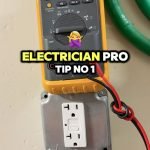
Are you ready to ensure your electrical circuits are running at peak performance? Whether you’re a seasoned electrician or a DIY enthusiast, understanding the nuances of electrical circuit testing can save you time, money, and prevent potential hazards.
In this guide, we’ll share essential tips and tricks that will not only make your testing process more efficient but also empower you to tackle any circuit-related challenges with confidence. Imagine the peace of mind knowing your electrical systems are safe and reliable.
As you dive into these practical insights, you’ll discover how small tweaks can make a big difference, transforming your approach to circuit testing forever. Keep reading to unlock the secrets that professionals use to keep the lights on and the sparks away!

Credit: www.youtube.com
Essential Tools For Circuit Testing
Testing electrical circuits requires the right tools to find faults and measure signals. Good tools help check if circuits work safely and correctly.
This guide covers important tools like multimeters, oscilloscopes, signal generators, logic analyzers, and test probes. Each plays a key role in circuit testing.
Multimeters And Oscilloscopes
Multimeters measure voltage, current, and resistance in circuits. They are simple but very useful for basic checks.
Oscilloscopes show waveforms of electrical signals. They help analyze signal shape and timing in complex circuits.
- Multimeters can be analog or digital.
- Oscilloscopes display signal voltage over time.
- Both tools are essential for troubleshooting.
Signal Generators And Logic Analyzers
Signal generators create electrical signals to test circuits. They simulate different frequencies and wave shapes.
Logic analyzers capture digital signals. They help check if digital circuits send the right data at the right time.
| Tool | Purpose | Common Use |
|---|---|---|
| Signal Generator | Produce test signals | Check circuit response |
| Logic Analyzer | Capture digital signals | Debug digital communication |
Test Probes And Clips
Test probes connect measuring devices to circuits safely. Clips hold wires or components during tests.
- Use insulated probes to avoid shorts.
- Alligator clips secure connections easily.
- Solderless test clips reduce damage to parts.
Preparing Circuits For Testing
Testing electrical circuits is important to check if they work well. Before testing, you must prepare the circuit carefully. This helps find problems and avoid damage.
Proper preparation keeps you safe and ensures the test results are correct. Follow simple steps to get ready for testing your circuits.
Visual Inspection Techniques
Look closely at the circuit before testing. Check for broken wires, loose connections, or burnt parts. These issues can cause wrong test results or damage.
Use good light and a magnifier if needed. Make sure all components are in the right place and not damaged.
- Check wires for cuts or bends
- Look at solder joints for cracks
- Inspect components for burns or cracks
- Confirm all parts match the circuit design
Ensuring Proper Power Conditions
Make sure the power supply matches the circuit needs. Using the wrong voltage can break parts or give false test results.
Check if the power source is stable and clean. Avoid power spikes or drops during testing for safe and accurate checks.
- Use the correct voltage and current levels
- Check power supply cables for damage
- Turn off power before connecting or disconnecting
- Use a multimeter to verify power output
Safety Precautions To Follow
Safety is very important when testing electrical circuits. Always protect yourself from shocks, burns, or short circuits.
Use tools and gear designed for electrical work. Keep your workspace clean and organized to avoid accidents.
- Wear insulated gloves and safety glasses
- Keep hands dry and avoid metal jewelry
- Use insulated tools for handling circuits
- Work in a dry area with good lighting
- Disconnect power before touching the circuit
Common Testing Methods
Testing electrical circuits is important to ensure they work safely and correctly. Different methods help find problems and verify circuit performance.
These testing methods check various electrical properties like continuity, voltage, current, and signal quality. Understanding them helps you diagnose issues easily.
Continuity And Resistance Checks
Continuity testing checks if an electrical path is complete. It shows if wires or connections are broken. Resistance testing measures how much a component resists current flow.
Use a multimeter to test both continuity and resistance. A beep usually means good continuity. High resistance can show a weak or damaged part.
- Set the multimeter to continuity mode for path checks
- Use resistance mode to measure resistors or wires
- Check for breaks or shorts in circuits
- Compare readings to expected values
Voltage And Current Measurements
Voltage tests measure the electric potential difference between two points. Current tests measure the flow of electric charge through a circuit. Both are key to checking circuit health.
Use a multimeter or clamp meter for these tests. Always connect the meter correctly to avoid damage. Measure voltage across components and current along the circuit path.
- Set the meter to voltage or current mode
- Measure voltage between circuit points
- Measure current in series with the circuit
- Compare values to circuit specifications
Signal Integrity Analysis
Signal integrity tests check the quality of electrical signals in circuits. These tests find problems like noise, distortion, or loss that affect performance.
Use an oscilloscope or signal analyzer for detailed views. Look for clean, stable waveforms without unexpected spikes or drops. Proper signal quality ensures devices work as intended.
- Use an oscilloscope to view signal waveforms
- Check for noise or distortion in signals
- Test at different points in the circuit
- Adjust or fix components if signals are poor
Credit: smartshop.lk-ea.com
Troubleshooting Strategies
Testing electrical circuits helps find problems fast. Good strategies save time and keep you safe. Use clear steps to check circuits carefully.
Knowing how to spot faults and read results is key. Follow simple methods to isolate and fix issues in circuits.
Identifying Faulty Components
Look for parts that show signs of damage or wear. Burn marks, cracks, or loose connections often mean faults. Use a multimeter to check if parts work properly.
- Check resistors for correct resistance value
- Test capacitors for leaks or shorts
- Inspect wires for breaks or corrosion
- Examine switches for proper operation
- Look at fuses to see if they have blown
Using Step-by-step Isolation
Divide the circuit into small parts to find the problem area. Test each section separately to avoid confusion. This method helps you spot where the fault begins.
- Turn off power before starting tests
- Disconnect parts to test them alone
- Use a known good component to replace suspect parts
- Check connections after each test
- Record your results to track progress
Interpreting Test Results Accurately
Read meters and tools carefully. Wrong readings lead to wrong fixes. Understand what each result means to avoid extra work.
| Test Tool | Normal Reading | Fault Indication |
| Multimeter (Resistance) | Close to component rating | Open or infinite resistance |
| Multimeter (Voltage) | Expected circuit voltage | Zero or very low voltage |
| Continuity Tester | Beep or light on | No beep or light |
| Oscilloscope | Stable signal waveform | Distorted or no waveform |
Advanced Testing Tips
Testing electrical circuits ensures they work well and stay safe. Advanced tips help find hidden problems. These tips use new tools and methods for better results.
Using the right testing techniques can save time and prevent damage. Learn how to use automated systems, thermal imaging, and frequency response tests.
Automated Testing Systems
Automated testing systems check circuits quickly and with less human error. They use software and machines to run many tests at once. This saves time and improves accuracy.
These systems can test voltage, current, and resistance automatically. They also store data for future analysis. This helps track circuit health over time.
- Run multiple tests at the same time
- Reduce human mistakes during testing
- Save and compare test results easily
- Detect faults faster than manual testing
Thermal Imaging For Hotspot Detection
Thermal imaging helps find hot spots in electrical circuits. Hot spots show where parts get too hot. This can signal a problem like loose connections or overloads.
Using a thermal camera, you can see heat patterns without touching the circuit. This is safer and faster than manual checks. Early hotspot detection prevents damage and fire risks.
- Use thermal cameras to scan circuit boards
- Identify overheating components early
- Check for poor connections or faults
- Perform tests without shutting down the system
Frequency Response Testing
Frequency response testing checks how circuits react to different signal frequencies. It shows if parts work well across the expected range. This test finds hidden weaknesses.
The test sends signals at many frequencies and measures the output. Changes in the response can mean damaged or bad components. Use this test on filters, amplifiers, and transformers.
- Send signals at various frequencies
- Measure how the circuit output changes
- Detect damaged or weak parts
- Ensure circuits meet design specifications
Maintaining Testing Equipment
Testing equipment needs care to give correct results. Proper maintenance helps avoid errors and keeps tools ready to use.
Follow some simple rules to keep your electrical testing devices in good shape. This guide covers key tips for maintenance.
Calibration Best Practices
Calibration ensures testing tools measure accurately. Check the calibration schedule and follow the manufacturer’s instructions carefully.
- Use certified reference standards during calibration
- Calibrate equipment at regular intervals
- Record calibration results for tracking
- Adjust settings only if needed and within limits
- Keep calibration certificates up to date
Storage And Handling
Proper storage protects testing devices from damage and wear. Handle equipment gently and keep it clean and dry.
| Storage Tip | Reason |
| Store in a dry place | Prevents rust and corrosion |
| Use protective cases | Shields from shocks and dust |
| Avoid extreme temperatures | Keeps components stable |
| Keep cables untangled | Prevents damage and wear |
Regular Performance Checks
Check your equipment often to find problems early. Simple tests help keep devices reliable and safe to use.
- Inspect cables and connectors for damage
- Test battery levels and replace if low
- Verify display and control functions
- Run test circuits to confirm accuracy
- Clean contacts and surfaces regularly

Credit: www.amazon.com
Frequently Asked Questions
What Are The Basic Tools For Electrical Circuit Testing?
Essential tools include a multimeter, test leads, continuity tester, and insulated screwdrivers. These help measure voltage, current, resistance, and verify connections safely.
How To Ensure Safety During Electrical Circuit Testing?
Always turn off power before testing. Use insulated tools and wear protective gear. Verify circuits with a tester before touching wires.
Why Is Continuity Testing Important In Circuits?
Continuity testing confirms if a circuit path is complete. It helps detect broken wires or faulty connections quickly.
How To Identify A Short Circuit Effectively?
Use a multimeter to check for low resistance between live and neutral wires. A short circuit shows almost zero resistance.
Conclusion
Testing electrical circuits helps keep systems safe and working well. Always use the right tools and follow safety steps. Take your time to check all connections carefully. Regular testing can prevent big problems later. Keep learning about new testing methods and tips.
A small effort now saves a lot of trouble later. Stay safe and stay smart with your electrical work.