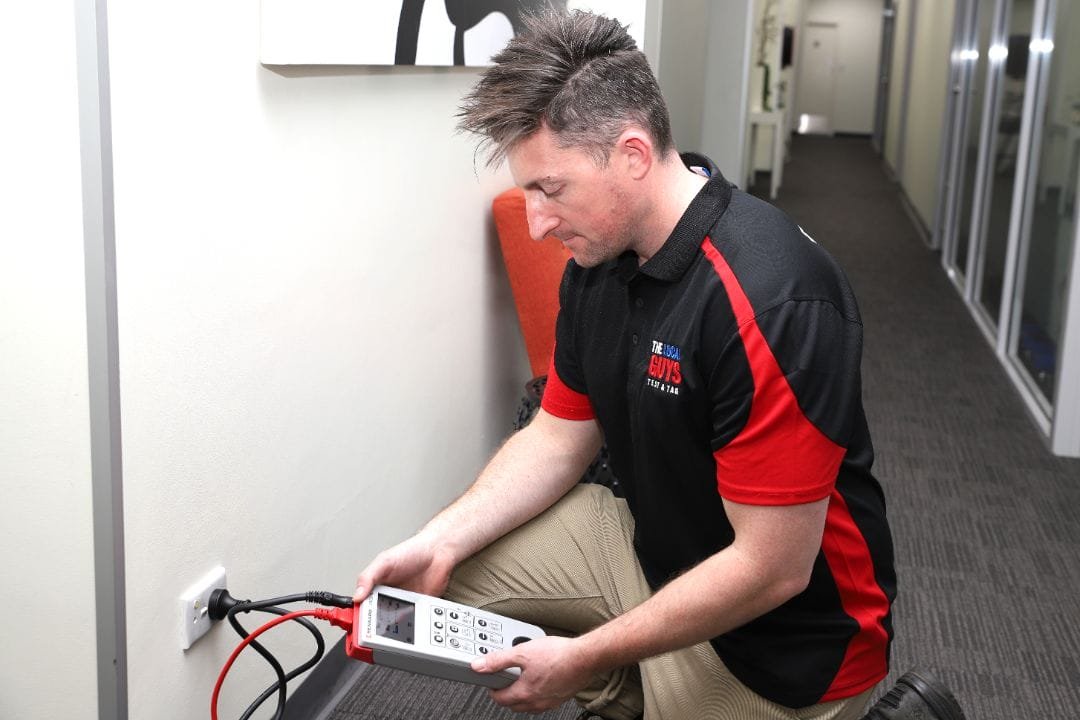
Imagine you’re about to test an electrical circuit. It’s a routine task, yet you feel a twinge of uncertainty.
You know how crucial safety is in this context, but do you really understand all the precautions you should take? Electrical circuit testing can be as dangerous as it is essential. Your safety should never be left to chance. This is where understanding effective safety measures becomes vital.
You’ll uncover the key practices that ensure your safety and boost your confidence when dealing with electrical circuits. Ready to transform your approach to electrical testing? Read on and empower yourself with the knowledge that could make all the difference.
Basic Safety Gear
Electrical circuit testing can be dangerous without the right gear. Wearing proper safety equipment protects you from shocks and injuries. Always prepare with the correct tools and clothing before starting any testing work.
Safety gear reduces risks and helps you work with confidence. Follow safety rules and use the items made for electrical work. This guide covers the basic safety gear needed for electrical circuit testing.
Protective Clothing
Wear clothing that covers your body fully to avoid electric shocks and burns. Use flame-resistant materials and avoid synthetic fabrics that melt. Proper clothing forms the first line of defense during testing.
- Flame-resistant long-sleeve shirts and pants
- Rubber insulating gloves tested for electrical work
- Leather gloves for mechanical protection
- Non-conductive boots with rubber soles
- Hard hats to protect your head
Insulated Tools
Use tools with proper insulation to prevent electric shock. Insulated tools have handles coated with rubber or plastic. This insulation blocks electricity from reaching your hand.
| Tool Type | Insulation Material | Use |
|---|---|---|
| Screwdrivers | Rubber or plastic handle | Turning screws in live circuits |
| Pliers | Insulated grip | Cutting and bending wires |
| Wire strippers | Plastic coated handles | Removing insulation from wires |
| Voltage testers | Insulated body | Checking live voltage safely |
Eye And Ear Protection
Protect your eyes and ears from sparks, noise, and flying debris. Electrical work can produce harmful flashes and loud sounds. Use safety glasses and earplugs for protection.
- Safety glasses with side shields to block sparks
- Face shields for extra face protection
- Earplugs or earmuffs to reduce loud noise
- Regularly clean and replace protective gear
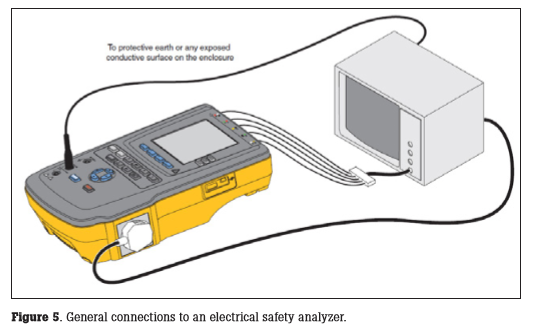
Credit: www.flukebiomedical.com
Pre-testing Preparations
Electrical circuit testing requires careful preparation to ensure safety. Following the correct steps lowers risks and improves accuracy.
Before testing, you must prepare the work area, tools, and understand the circuit layout. This guide covers key preparation steps.
Power Shutdown Procedures
Always turn off power before starting any circuit testing. This prevents electric shocks and equipment damage.
- Locate the main power switch or circuit breaker.
- Switch off the power supply to the circuit.
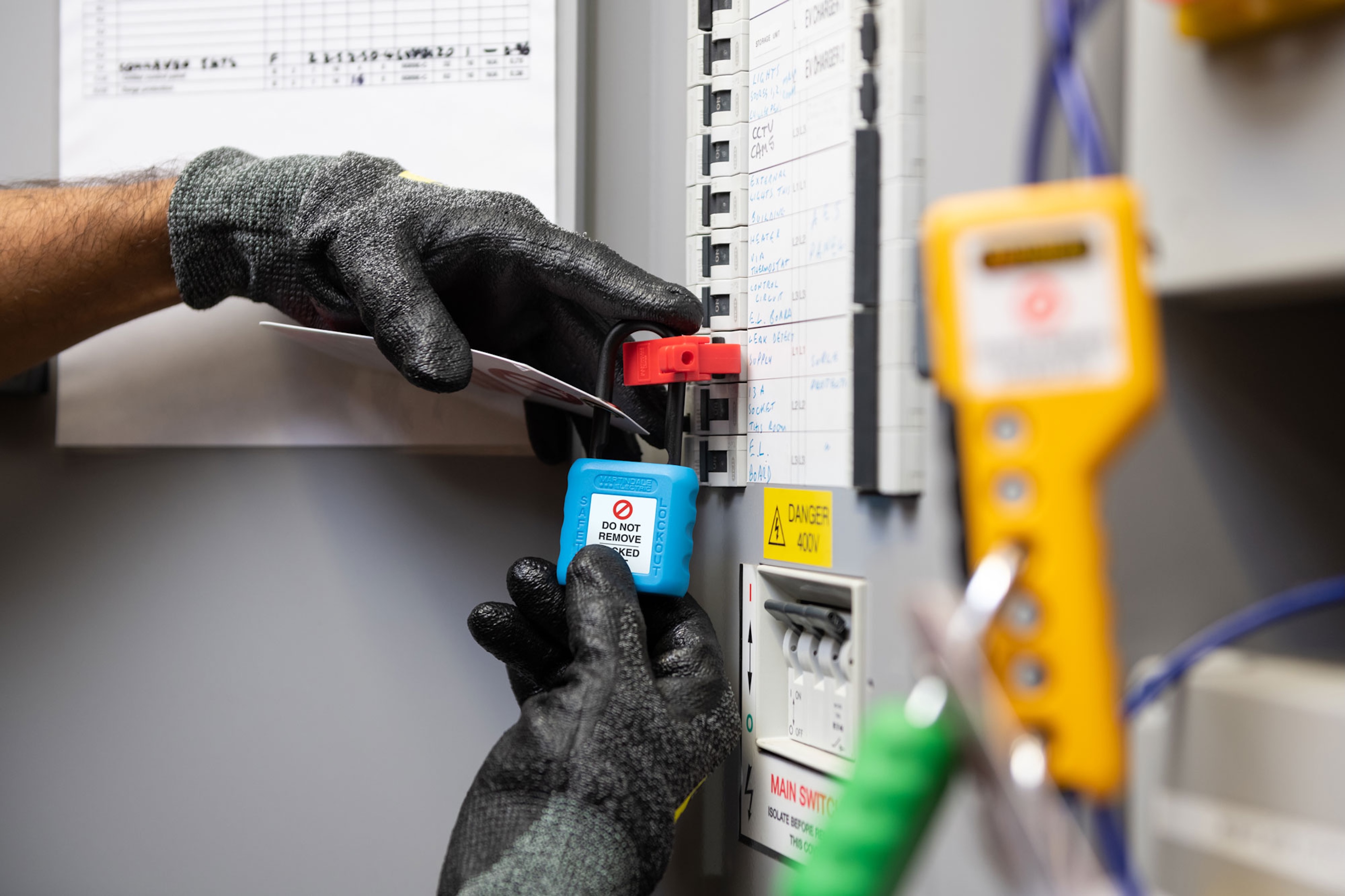
- Use a lockout/tagout system to prevent accidental power return.
- Verify power is off using a voltage tester.
Identifying Circuit Components
Know each part of the circuit before testing. This helps avoid mistakes and locate faults faster.
| Component | Description |
| Resistor | Controls current flow |
| Capacitor | Stores electrical energy |
| Diode | Allows current in one direction |
| Fuse | Protects circuit by breaking if current is too high |
| Switch | Opens or closes the circuit |
Checking Equipment Condition
Inspect all testing tools before use. Faulty equipment can cause wrong readings or accidents.
- Check test leads for cracks or breaks.
- Make sure multimeter batteries are charged.
- Verify that insulation on tools is intact.
- Ensure safety gloves and goggles are available.
Safe Testing Techniques
Testing electrical circuits is important to find problems. Safety comes first to avoid shocks or damage.
Use the right tools and follow safety rules. This helps protect you and the equipment.
Using Multimeters Correctly
Set the multimeter to the right mode before testing. Check if you measure voltage, current, or resistance.
Always start with the highest range if unsure. This prevents damage to the meter and keeps you safe.
- Turn off power before changing settings
- Connect the probes to correct ports
- Read the manual for your multimeter
- Check the battery and fuses regularly
Avoiding Live Circuit Contact
Never touch live wires or parts with your bare hands. Use tools with insulated handles.
Keep one hand away from the circuit when testing. This reduces the chance of a full shock.
- Wear rubber gloves and safety glasses
- Stand on dry, insulated surfaces
- Use barriers or covers to isolate live parts
- Turn off power if possible before testing
Proper Probe Handling
Hold probes by insulated parts only. Avoid touching metal tips during testing.
Keep probes steady to prevent slips. Slipping can cause short circuits or shocks.
- Check probes for damage before use
- Use probes with finger guards
- Do not force probes into tight spaces
- Store probes safely after testing
Credit: www.voltimum.co.uk
Common Hazards And Prevention
Testing electrical circuits is important but can be dangerous. Understanding risks helps keep workers safe. Safety rules reduce chances of injury or damage.
This guide covers common hazards and ways to prevent accidents during electrical circuit testing.
Electric Shock Risks
Electric shock happens when the body contacts live wires or parts. It can cause burns, nerve damage, or death. Testing circuits without proper care raises shock risks.
- Always turn off power before testing.
- Use insulated tools and gloves.
- Check equipment for damage before use.
- Keep hands dry and avoid standing in water.
- Follow lockout/tagout procedures strictly.
Arc Flash Dangers
Arc flashes release intense heat and light. They can cause severe burns and blindness. Sparks may also ignite fires. Arc flashes often occur from short circuits or equipment faults.
| Prevention Measure | Details |
|---|---|
| Wear PPE | Use flame-resistant clothing, face shields, and gloves. |
| Maintain Distance | Keep a safe distance from energized parts. |
| Use Barriers | Install insulated barriers around live equipment. |
| Test Equipment | Use rated testers and follow safety procedures. |
Fire Hazards
Faulty wiring or overloaded circuits can cause fires. Sparks or heat from tests may ignite nearby materials. Fires risk lives and property.
- Inspect wiring and equipment for damage.
- Do not overload circuits during testing.
- Keep flammable materials away from testing area.
- Have fire extinguishers ready and know how to use them.
- Report and fix any signs of overheating immediately.
Emergency Response Steps
Electrical circuit testing can be dangerous. Knowing what to do in an emergency can save lives.
Follow these steps carefully if someone is hurt or a fire starts during testing.
First Aid For Electrical Injuries
Turn off the power source before touching the injured person. Do not touch if the power is still on.
Check the person’s breathing and pulse. Call for emergency help if they are not breathing.
- Remove the person from the source using a non-conductive object.
- Start CPR if the person has no pulse and is not breathing.
- Cover burns with a clean cloth without applying ointments.
- Keep the person calm and still until help arrives.
Fire Extinguisher Usage
Use the right fire extinguisher for electrical fires. Usually, Class C extinguishers work best.
Remember the PASS technique to operate a fire extinguisher safely and effectively.
- Pull the pin to unlock the extinguisher.
- Aim the nozzle at the fire base.
- Squeeze the handle to release the agent.
- Sweep side to side until the fire goes out.
When To Call For Help
Call emergency services immediately if someone is unconscious or badly hurt.
Also call for help if the fire cannot be controlled quickly with an extinguisher.
- Unconscious or unresponsive victim
- Severe burns or electrical shock
- Fire spreading beyond a small area
- Signs of breathing difficulties or chest pain

Credit: lkpower.com.au
Regular Training And Updates
Electrical circuit testing involves risks that require careful attention. Regular training helps workers stay safe and avoid accidents.
Updating skills and knowledge is important. It ensures that safety practices match the latest rules and technology.
Safety Protocol Refreshers
Workers need frequent refreshers on safety protocols. This helps them remember key steps to prevent electric shocks and fires.
- Review lockout/tagout procedures
- Practice using personal protective equipment
- Understand emergency response steps
- Check tools and equipment condition
- Follow proper grounding techniques
Staying Informed On Standards
Electrical codes and safety standards change over time. Keeping up to date helps avoid violations and hazards.
| Standard | Description | Update Frequency |
| NFPA 70E | Electrical Safety in the Workplace | Every 3 years |
| OSHA Regulations | Workplace Safety Rules | Ongoing updates |
| IEC 60364 | Electrical Installations | Periodic review |
Hands-on Practice Sessions
Hands-on sessions let workers apply safety knowledge. They build confidence and skill in handling circuits safely.
Practice activities include:
- Simulated fault detection
- Safe use of testing instruments
- Emergency shutdown drills
- Proper wire and component handling
Frequently Asked Questions
What Are The Essential Electrical Circuit Testing Safety Tips?
Always turn off power before testing. Use insulated tools. Wear protective gear. Follow manufacturer guidelines. Verify equipment condition before use. Maintain a clear workspace to avoid hazards.
How Can I Prevent Electrical Shock During Circuit Testing?
Use insulated gloves and tools. Avoid wet conditions. Double-check power is off. Stand on non-conductive surfaces. Keep one hand behind your back to reduce shock risk.
Why Is Grounding Important In Electrical Circuit Testing?
Grounding prevents electrical shock by directing current safely to earth. It stabilizes voltage levels. Proper grounding protects both equipment and users during tests.
When Should I Use A Multimeter For Circuit Testing?
Use a multimeter to measure voltage, current, and resistance. Always test circuits with power off unless measuring live voltage. It helps diagnose electrical issues safely and accurately.
Conclusion
Electrical circuit testing needs care and focus. Always follow safety rules to avoid shocks and damage. Use the right tools and check them before use. Stay alert and never rush the process. Testing circuits safely protects you and your equipment.
Practice these steps every time you work with electricity. Safety first, every time. Simple habits can prevent serious accidents and keep your work smooth. Remember, careful testing saves time and keeps everyone safe.