Ready to dive into woodworking and create something truly special with your own two hands? Learning how to use a hand drill is one of the most rewarding skills you can pick up.
Imagine the satisfaction of crafting beautiful wooden projects, all from the comfort of your home. But first, mastering the basics is essential. In this guide, you’ll discover how to wield a hand drill with confidence and precision. Whether you’re building a simple shelf or a complex piece of furniture, using a hand drill correctly will make all the difference.
And here’s the secret: it’s not as hard as you might think. Think of the projects you could complete, the money you’d save, and the pride you’d feel when someone admires your handiwork. This article will show you step-by-step how to use a hand drill effectively, so you can start creating amazing pieces today. Ready to unlock the potential of your woodworking skills? Let’s get started!
Choosing The Right Hand Drill
Using a hand drill for woodworking needs the right tool. Picking the right drill helps you work safely and well.
There are many types of hand drills and bits. You must know which one fits your project and wood type.
Types Of Hand Drills
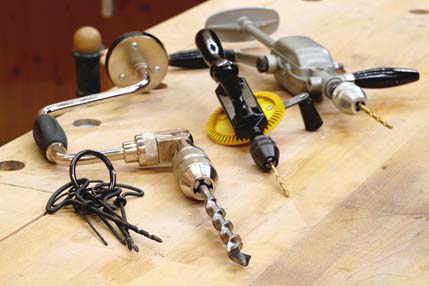
Hand drills come in many styles. Some are manual and some use power. Each type has its use in woodworking.
- Brace and Bit:A classic manual drill with a crank handle. It works well for slow, precise drilling.
- Eggbeater Drill:A manual drill with a gear and handle. It is good for small holes and light work.
- Hand Crank Drill:Similar to eggbeater but often larger. It helps make clean holes in wood.
- Manual Push Drill:A simple drill that uses pushing motion. It is good for small holes and detailed work.
Selecting Drill Bits
Choose drill bits based on the hole size and wood type. Sharp bits make clean cuts and reduce wood damage.
Common wood drill bits include twist bits, spade bits, and brad point bits. Each bit works best for different tasks.
- Twist Bits:Good for general drilling in soft and hard woods.
- Spade Bits:Best for making large holes quickly in soft wood.
- Brad Point Bits:Designed for precise and clean holes in wood.
- Forstner Bits:Used for flat-bottom holes and larger diameter holes.
Material Compatibility
Not all hand drills and bits work well with every wood type. Match your tools to the material for best results.
Hardwood needs sharper and stronger bits. Softwood is easier but can splinter if the bit is dull or wrong type.
- Use high-speed steel or carbide bits for hardwood.
- Spade bits work well with softwoods but can tear hardwood.
- Brad point bits reduce splintering in all wood types.
- Check if your hand drill can hold the bit size needed for your wood project.

Credit: www.amazon.sa
Preparing Your Workspace
Before using a hand drill for woodworking, it is important to prepare your workspace. A clean and organized area helps you work safely and efficiently.
Taking time to set up your space correctly can prevent mistakes and accidents. This guide covers key steps to get ready.
Safety Precautions
Safety is the top priority when using a hand drill. Wear safety glasses to protect your eyes from flying wood chips. Use ear protection if you work for a long time.
Keep your hands away from the drill bit and make sure your clothing is tight to avoid getting caught. Work in a well-lit area so you can see clearly.
- Wear safety glasses and ear protection
- Keep fingers clear of the drill bit
- Wear fitted clothing without loose parts
- Work in a well-lit and clean area
Setting Up Clamps And Supports
Use clamps to hold your wood firmly in place. This stops the wood from moving while you drill. A stable piece is easier and safer to work on.
Place supports under the wood to keep it level. Make sure the clamps do not cover the drill points. Check that everything is steady before you start drilling.
- Clamp the wood securely to your workbench
- Use supports to keep wood level and stable
- Ensure clamps do not block drill points
- Double-check stability before drilling
Marking Drill Points
Mark where you want to drill using a pencil. Clear marks help you drill in the right spots. Measure carefully to keep holes even and straight.
Use a center punch or nail to make a small dent on each mark. This dent guides the drill bit and prevents slipping during drilling.
- Mark drill points with a pencil
- Measure to keep marks even and straight
- Create small dents with a center punch or nail
- Check marks before starting to drill
Drilling Techniques
Using a hand drill for woodworking needs careful control. Good drilling techniques help you make clean holes and avoid mistakes.
Learn how to hold the drill, start the hole, and keep the drill steady. These tips improve your drilling results.
Proper Grip And Posture
Hold the drill firmly but not too tight. Use both hands if possible. One hand on the handle and the other to guide the drill helps control.
Stand with your feet shoulder-width apart. Keep your body balanced and your arms relaxed. This posture helps you drill straight and avoid slipping.
Starting The Hole
Place the drill bit tip on the exact spot where you want the hole. Keep the drill perpendicular to the wood surface.
Begin drilling slowly. This helps the bit bite into the wood without slipping. Once the hole starts, you can increase speed.
Maintaining Drill Stability
Keep the drill steady as you work. Apply even pressure without forcing the drill. Let the bit do the cutting.
- Hold the drill firmly with both hands
- Keep the drill bit aligned with the hole
- Use smooth, consistent speed
- Do not push too hard or twist the drill
- Stop occasionally to clear wood shavings

Credit: www.youtube.com
Handling Common Challenges
Using a hand drill for woodworking can be tricky at times. You may face problems like wood splitting, hard materials, or drill slips.
This guide will help you handle these issues and drill holes smoothly and safely.
Preventing Wood Splitting
Wood can split if you drill too fast or use the wrong drill bit. To avoid this, start with a small pilot hole. This guides the larger bit and reduces pressure.
Also, place a scrap piece of wood under your workpiece. This supports the wood and stops the drill from pushing out the back.
- Use a sharp drill bit for clean cuts
- Drill slowly near the wood surface
- Support the wood with a backing board
- Start with a smaller pilot hole
Dealing With Hardwoods
Hardwoods are tough and can wear out your drill bit quickly. Use a sharp, high-quality bit made for wood. Keep the drill speed slow to avoid heat build-up.
Apply steady pressure, but do not force the drill. Let the bit do the work. If the drill gets stuck, pull it out and clear the wood chips before continuing.
- Choose bits designed for hardwood
- Keep drill speed low and steady
- Use steady, gentle pressure
- Clear wood chips often
Fixing Drill Slips
Drill slips can cause mistakes or injuries. To stop slipping, mark the spot with a center punch or nail before drilling. This makes a small dent for the bit to start in.
Hold the drill firmly and keep it straight. Use a slower speed until the bit grips the wood. If the bit slips, stop and reposition before trying again.
- Make a small dent at the drill point
- Hold drill steady and straight
- Start at slow speed until bit bites
- Stop and reposition if slipping occurs
Maintaining Your Hand Drill
Keeping your hand drill in good shape helps it last longer. Regular care makes drilling easier and safer.
Simple maintenance steps include cleaning, sharpening, and proper storage. These steps keep your tool ready for any woodworking task.
Cleaning And Lubrication
After each use, remove dust and wood chips from your hand drill. Use a brush or cloth to clean all parts carefully.
- Wipe the drill body with a dry cloth.
- Use a small brush to clean the chuck and gears.
- Apply a few drops of light machine oil to moving parts.
- Turn the handle to spread the oil evenly.
- Remove any excess oil to avoid dirt buildup.
Sharpening Drill Bits
Dull drill bits make work harder and can damage wood. Sharpen bits regularly for clean holes and smooth drilling.
| Type of Bit | Sharpening Tool | Tip |
|---|---|---|
| Twist Bit | Small File or Grinding Wheel | Keep the original angle |
| Spade Bit | Flat File | Sharpen the cutting edges evenly |
| Forstner Bit | Diamond File | Focus on the rim and center point |
Storage Tips
Store your hand drill in a dry place to stop rust. Keep drill bits in a box or rack to avoid damage.
- Use a toolbox or drawer to keep tools organized.
- Wrap drill bits in cloth to protect sharp edges.
- Check your tools regularly for rust or wear.
- Apply light oil on metal parts before storing for long time.
Credit: www.dictum.com
Frequently Asked Questions
What Safety Tips Are Essential When Using A Hand Drill?
Always wear safety goggles and gloves. Secure your wood firmly. Keep hands away from the drill bit. Work in a well-lit area. Check the drill bit for damage before use to avoid accidents.
How Do You Choose The Right Drill Bit For Wood?
Select drill bits designed specifically for wood, like spade or brad point bits. Match the bit size to your screw or hole requirements. Ensure the bit is sharp for clean, precise holes without splintering the wood.
Can A Hand Drill Be Used For Hardwood?
Yes, but use sharp, high-quality drill bits. Apply steady, moderate pressure to avoid damaging the drill or wood. Pre-drill pilot holes to prevent splitting. Take breaks to avoid overheating the drill bit.
How Do You Maintain A Hand Drill For Longevity?
Clean the drill after each use to remove dust and debris. Lubricate moving parts regularly. Store it in a dry place to prevent rust. Inspect for worn or damaged parts and replace them promptly.
Conclusion
Using a hand drill for woodworking is simple and rewarding. Practice drilling slowly and steady for best results. Always keep your workpiece secure and your drill bit sharp. Safety matters, so wear protective gear and stay focused. With time, your skills will improve naturally.
Enjoy the process of creating with your own hands. Hand drills bring control and precision to your projects. Start small, be patient, and build confidence step by step. Woodworking becomes more fun with each drilled hole. Keep learning and trying new techniques as you go.