Are you tired of rummaging through a cluttered toolbox just to find the right utility knife for the job? Organizing your utility knives by type can make your DIY projects smoother and your work more efficient.
Imagine reaching for the exact knife you need without a second thought, saving you time and frustration. In this guide, you’ll discover simple yet effective strategies to categorize your utility knives, ensuring that each one is easily accessible when you need it most.
Whether you’re a seasoned craftsman or a DIY enthusiast, this organization tip can transform your workspace. Ready to bring order to your tools and boost your productivity? Let’s dive in!

Credit: www.cnn.com
Types Of Utility Knives
Utility knives come in many shapes and sizes. Each type suits different cutting jobs.
Knowing the types helps you pick the right knife for your work. This guide covers common types.
Retractable Blade Knives
Retractable blade knives have blades that slide in and out. You can adjust the blade length.
They are safe to carry because the blade hides inside the handle. Many use a locking mechanism.
- Blade retracts for safety
- Adjustable blade length
- Common for general cutting tasks
- Easy to replace blades
Fixed Blade Knives
Fixed blade knives have blades permanently attached to the handle. The blade does not move.
They are strong and durable for heavy cutting. These knives need a sheath for safe storage.
- Strong, one-piece blade
- Good for tough materials
- Blade always ready to use
- Requires safe storage
Folding Utility Knives
Folding knives fold the blade into the handle. This makes them compact and easy to carry.
They often have a locking system to keep the blade open when used. Folding knives are portable.
- Blade folds inside handle
- Compact and portable
- Lock keeps blade open
- Good for light to medium work
Specialty Utility Knives
Specialty knives are made for specific tasks. They may have unique blade shapes or features.
Examples include knives for carpet cutting or hook blades. They help with precise or hard cuts.
- Designed for special jobs
- Unique blade shapes
- Improve cutting accuracy
- Used in trades like flooring or roofing
Choosing The Right Storage Options
Organizing utility knives by type helps keep your workspace safe and tidy. Choosing the right storage option makes it easy to find the knife you need fast.
Select storage that fits your space and how often you use your knives. Good storage protects blades and keeps them sharp.
Wall-mounted Holders
Wall-mounted holders save desk and drawer space. They keep utility knives visible and easy to grab.
These holders often have slots or hooks for different knife types. They keep blades safe and organized at eye level.
- Use near work areas for quick access
- Choose holders with secure slots
- Keep knives out of reach of children
Drawer Organizers
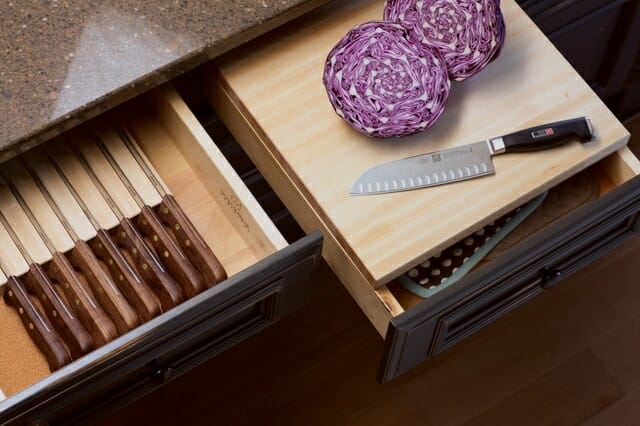
Drawer organizers keep knives separated and prevent them from moving around. They fit inside tool drawers or desk drawers.
Look for organizers with shaped compartments to hold each knife securely. This stops blades from dulling or damaging other tools.
- Choose organizers with non-slip bases
- Sort knives by size or use
- Label compartments for easy finding
Toolboxes And Cases
Toolboxes and cases offer portable storage for utility knives. They protect knives from dust and damage during transport.
Look for cases with foam inserts or slots to hold knives firmly. This keeps blades safe and organized on the go.
- Use cases with padding for blade safety
- Choose lightweight and compact designs
- Keep knives grouped by type inside
Magnetic Strips
Magnetic strips hold metal utility knives securely on walls. They keep knives visible and easy to grab quickly.
Make sure the magnets are strong enough to hold knives safely. Place strips away from children and high traffic areas.
- Install strips at comfortable height
- Keep knives spaced to avoid blade contact
- Use magnetic strips for metal-only knives
Organizing By Usage Frequency
Organizing utility knives by how often you use them helps keep your workspace tidy. It also makes finding the right knife quick and easy.
Sorting knives by usage frequency prevents clutter and protects less-used tools from damage.
Everyday Use Knives
These knives are your go-to tools for daily tasks. Keep them within easy reach to save time and effort.
- Standard utility knife for general cutting
- Box cutter for opening packages
- Precision knife for detailed work
Occasional Use Knives
Knives used less often but still important belong here. Store them where you can find them without cluttering your main area.
| Knife Type | Use Case | Storage Tip |
| Carpet knife | Cutting thick materials | Drawer with dividers |
| Electrical knife | Wire stripping and cutting | Toolbox compartment |
| Retractable blade knife | Various medium tasks | Wall-mounted rack |
Seasonal Or Specialty Knives
These knives are for special tasks or seasonal work. Keep them stored safely and label them well.
- Use labeled boxes or containers
- Store in a dry place to avoid rust
- Keep away from children and pets
Credit: www.nytimes.com
Safety Measures For Storage
Storing utility knives safely helps prevent accidents. Proper storage keeps blades protected and organized.
Follow safety tips to reduce the risk of injury and damage to your tools.
Blade Covers And Guards
Use blade covers or guards to protect the sharp edges. Covers prevent accidental cuts during storage.
Many utility knives come with built-in blade guards. If not, buy separate covers that fit your blades.
- Always cover blades before storing.
- Check covers for damage and replace if needed.
- Use hard plastic or metal guards for better protection.
Childproof Storage Ideas
Keep utility knives out of children’s reach. Use childproof storage to avoid accidents.
Lockable boxes or high shelves work well. Mark storage areas clearly to warn others.
- Store knives in locked drawers or cabinets.
- Use containers with child-resistant locks.
- Place knives on shelves too high for children.
Proper Handling And Placement
Handle knives carefully when storing or using them. Always place knives where they won’t fall.
Keep knives separate by type to find them easily and avoid mixing sharp edges.
- Hold knives by the handle only.
- Store knives in dedicated slots or holders.
- Do not leave knives loose in drawers.
- Keep knives dry to prevent rust.
Maintenance Tips For Utility Knives
Utility knives are handy tools for many tasks. Keeping them in good shape helps them work well and last longer.
Regular care includes cleaning, checking, and blade replacement. These steps keep your knives safe and sharp.
Cleaning And Sharpening
Clean your utility knife after every use to remove dirt and residue. Use warm water and mild soap. Dry it well to stop rust.
- Wipe the blade with a soft cloth
- Use a small brush to clean inside the handle
- Sharpen the blade regularly with a sharpening stone or tool
- Apply oil lightly to the blade to prevent rust
Checking For Wear And Tear
Look over your knife often. Check for loose parts, cracks, or dull blades. A worn knife can be dangerous to use.
| Issue | What to Check | Action |
| Loose handle | Wiggle the handle | Tighten screws or replace handle |
| Dull blade | Blade cuts poorly | Sharpen or replace blade |
| Rust spots | Visible rust on blade | Clean and oil blade |
| Blade cracks | Look closely at blade edge | Replace blade immediately |
Replacing Blades Safely
Change blades with care. A sharp blade can cut skin easily. Follow safe steps to avoid accidents.
- Wear protective gloves before handling blades
- Unlock the blade holder or slide mechanism
- Remove the old blade carefully
- Insert the new blade securely
- Lock the blade holder before use
Credit: modernize.com
Maximizing Space With Creative Solutions
Organizing utility knives by type saves time and space. It also keeps your workspace neat and safe.
This guide shares smart ideas to store your knives efficiently. Use these tips to make the most of your space.
Diy Storage Ideas
Building your own storage helps fit knives perfectly. You can use common materials and tools for this.
- Cut wooden blocks with slots for each knife type.
- Use magnetic strips to hold metal knives on walls.
- Repurpose old drawers with dividers to separate knives.
- Attach cork boards inside cabinets for pinning small blades.
Using Vertical Space
Vertical storage frees up counter and drawer space. It keeps knives easy to see and grab.
| Method | Description |
| Wall-mounted racks | Hold knives upright on a mounted strip or rack. |
| Hanging pouches | Use fabric or leather pouches with pockets hung on hooks. |
| Pegboards | Arrange knives on hooks on a pegboard for flexible layout. |
Portable Storage Solutions
Portable storage keeps knives safe during transport. It also helps organize knives for jobs away from home.
Consider these portable options:
- Roll-up knife bags with slots for each blade.
- Compact cases with foam inserts to hold knives securely.
- Toolboxes with adjustable compartments for knife types.
Frequently Asked Questions
What Are The Main Types Of Utility Knives?
Utility knives include retractable, fixed blade, folding, and snap-off blade types. Each type suits different tasks and storage needs.
How To Categorize Utility Knives By Blade Type?
Organize utility knives by blade shape such as straight, curved, or serrated. This helps in quick identification and proper use.
Why Organize Utility Knives By Type?
Organizing by type improves safety, accessibility, and efficiency. It also protects blades and extends the knives’ lifespan.
What Storage Options Suit Different Utility Knives?
Use blade guards, toolboxes, or wall-mounted racks. Choose storage based on knife size, frequency of use, and workspace.
Conclusion
Organizing utility knives by type keeps your workspace neat and safe. It helps you find the right tool fast. Group knives with similar uses together for easy access. Store sharp blades where they won’t cause harm. Regularly check and clean your knives to keep them in good shape.
A simple system saves time and reduces stress. Try different storage ideas until one fits your needs. Keep your tools ready for any project ahead. Simple steps make your work smoother every day.