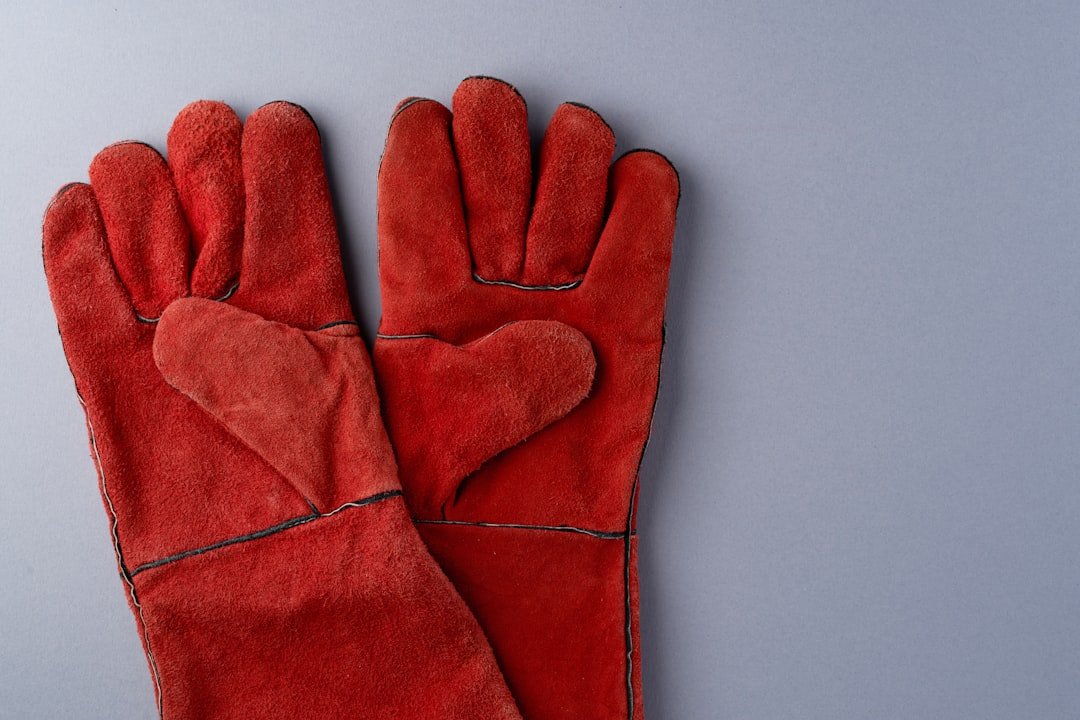
Have you ever wondered about the best way to protect yourself from electrical hazards? Imagine working confidently, knowing your hands are shielded against electric shocks.
This is where insulated gloves come into play. They are essential for anyone working with electricity. Whether you’re an electrician, a DIY enthusiast, or simply someone who occasionally fixes things around the house, understanding how to use insulated gloves can keep you safe.
In this guide, you’ll discover everything you need to know about choosing the right gloves, ensuring they fit properly, and maintaining them for maximum protection. Let’s make sure your safety is in good hands—literally. Dive in, and empower yourself with the knowledge to stay safe and secure.
Importance Of Insulated Gloves
Insulated gloves are a key safety tool for electrical work. They protect workers from electric shocks and burns.
Using the right gloves reduces the risk of injury. It helps keep electricians and technicians safe on the job.
Protection Against Electrical Hazards
Insulated gloves block electricity from reaching the skin. They prevent electric shocks that can cause serious harm.
- Gloves are made from rubber or other non-conductive materials.
- They cover hands and wrists fully for better protection.
- They are tested to meet safety standards before use.
Preventing Injuries And Fatalities
Wearing insulated gloves lowers the chance of accidents during electrical tasks. This helps save lives.
| Type of Injury | How Gloves Help |
| Electric Shock | Gloves stop current from passing through the body. |
| Burns | Gloves resist heat from electrical arcs. |
| Cuts and Abrasions | Gloves protect skin from sharp objects. |

Credit: www.envirosafetyproducts.com
Types Of Insulated Gloves
Insulated gloves protect workers from electrical shocks. They are essential for safety in many jobs. Understanding the different types helps you choose the right gloves.
These gloves vary by voltage rating, materials, and additional protective covers. Each type has unique features for specific uses.
Classifications By Voltage Rating
Insulated gloves are classified by the highest voltage they can safely handle. The classes help workers select gloves that match the electrical risks of their tasks.
| Class | Maximum Use Voltage |
| Class 00 | Up to 500 volts AC |
| Class 0 | Up to 1,000 volts AC |
| Class 1 | Up to 7,500 volts AC |
| Class 2 | Up to 17,000 volts AC |
| Class 3 | Up to 26,500 volts AC |
| Class 4 | Up to 36,000 volts AC |
Materials Used In Manufacturing
Most insulated gloves use natural rubber or synthetic rubber. These materials block electrical currents and are flexible for hand movement.
- Natural rubber offers good elasticity and durability.
- Synthetic rubber can resist ozone and heat better.
- Some gloves combine both materials for improved protection.
Leather Protectors And Covers
Leather protectors cover insulated gloves to protect them from cuts, dirt, and heat. They do not provide electrical insulation but extend glove life.
- Leather protectors must fit well to avoid slips.
- They should be inspected regularly for damage.
- Use covers over the leather when working in wet or oily conditions.
Choosing The Right Gloves
Using insulated gloves is key to staying safe around electricity. Picking the right gloves helps prevent shocks and injuries.
Different jobs need different gloves. This guide helps you choose gloves that fit your needs and keep you safe.
Assessing Electrical Risks
Start by knowing the voltage and type of electrical work. Higher voltage needs stronger gloves.
Check if you will touch live wires or work near them. This affects the glove protection level you need.
- Low voltage work may need light insulation
- High voltage work requires heavy-duty gloves
- Wet or oily conditions need gloves with extra grip
Sizing And Fit Considerations
Gloves must fit well to protect you properly. Too loose gloves can catch on tools or wires.
Measure your hand size carefully before buying. Choose gloves that allow easy movement but stay snug.
- Measure hand circumference around the palm
- Check finger length for comfort
- Try gloves on with work gear if possible
Compliance With Safety Standards
Always choose gloves that meet safety rules. Standards ensure gloves protect against electrical hazards.
Look for certifications from trusted organizations. These show the gloves passed tests for insulation and durability.
- Check for ASTM or IEC standards labels
- Inspect the gloves for damage before use
- Replace gloves regularly according to guidelines

Credit: www.envirosafetyproducts.com
Proper Usage Techniques
Using insulated gloves correctly is very important for electrical safety. These gloves protect your hands from electric shocks and burns.
Following proper usage steps helps keep you safe while working with electrical equipment.
Inspection Before Use
Always check your insulated gloves before using them. Look for any cuts, holes, or cracks on the surface.
Check for dirt or moisture that can reduce the glove’s protection. Damaged gloves must not be used.
- Inspect gloves visually for damage
- Feel for soft spots or stiffness
- Check the insulation thickness
- Ensure gloves are dry and clean
Correct Wearing Procedures
Wear insulated gloves carefully to ensure full protection. Put them on before touching any electrical parts.
Make sure the gloves fit snugly without being too tight. Remove jewelry and watches before wearing gloves.
- Wear gloves over clean, dry hands
- Pull gloves on fully to cover wrists
- Avoid folding or rolling glove edges
- Use glove protectors if needed
Safe Handling Practices
Handle insulated gloves with care to keep them in good condition. Avoid touching sharp objects or chemicals.
Store gloves in a clean, dry place away from sunlight and heat. Clean gloves after use according to instructions.
- Do not use gloves near flames or hot surfaces
- Keep gloves away from oils and solvents
- Store gloves flat or hung up to avoid damage
- Wash gloves with mild soap and water only
Maintenance And Care
Insulated gloves need proper care to keep you safe from electrical hazards. Regular maintenance helps the gloves last longer and work well.
Follow simple steps to clean, store, and test your gloves. This keeps them in good shape for your protection.
Cleaning Methods
Clean your insulated gloves with mild soap and water after each use. Avoid using harsh chemicals or solvents that can damage the material.
Gently wipe the gloves with a soft cloth. Do not soak them or expose them to direct heat.
- Use mild soap and lukewarm water
- Wipe gently with a soft cloth
- Do not use bleach or solvents
- Air dry away from sunlight or heat
Storage Guidelines
Store your insulated gloves in a cool, dry place. Keep them away from sharp objects and direct sunlight.
Use a clean storage bag or container to protect gloves from dust and moisture. Avoid folding or crushing them.
- Keep gloves in a cool, dry area
- Avoid exposure to sunlight and heat
- Store in a clean, protective bag or box
- Do not fold or press the gloves tightly
Regular Testing And Certification
Test your insulated gloves regularly to check for damage or wear. Testing ensures they can protect you from electrical shocks.
Follow the manufacturer’s guidelines or local safety rules for testing. Certified gloves meet safety standards and should be replaced if they fail tests.
- Inspect gloves before each use for holes or cracks
- Perform dielectric testing as recommended
- Keep records of testing and certification dates
- Replace gloves immediately if they fail tests
Common Mistakes To Avoid
Using insulated gloves correctly is key for electrical safety. Many people make errors that put them at risk. Avoiding these mistakes helps protect you from electric shock.
Below are common mistakes to watch for when using insulated gloves. Learn how to spot problems and handle gloves safely.
Ignoring Damage Signs
Damaged gloves can fail to protect you from electricity. Look closely for cuts, tears, holes, or cracks. Even small damage weakens the gloves.
- Check gloves before every use.
- Do not use gloves with visible damage.
- Replace gloves that show wear or aging.
- Store gloves away from sharp objects.
Using Gloves Beyond Rated Voltage
Each glove has a voltage rating. Using gloves above this limit is very dangerous. It can cause electric shock or glove failure.
| Glove Class | Maximum Use Voltage |
| Class 0 | 1,000 volts AC |
| Class 1 | 7,500 volts AC |
| Class 2 | 17,000 volts AC |
| Class 3 | 26,500 volts AC |
| Class 4 | 36,000 volts AC |
Always check the glove’s rating before use. Do not guess or assume the glove can handle higher voltages.
Improper Storage Practices
Storing gloves incorrectly damages their protective layer. Keep gloves away from sunlight, heat, moisture, and chemicals.
Follow these storage tips to keep gloves safe:
- Store gloves in a cool, dry place
- Keep gloves away from oils and solvents
- Use a dedicated container or bag
- Avoid folding or crushing gloves
- Inspect gloves after storage before use
Enhancing Safety With Additional Gear
Using insulated gloves is important for electrical safety. Adding more protective gear helps reduce risks.
Wearing the right equipment together keeps workers safe from shocks and burns.
Combining Gloves With Other Ppe
Insulated gloves work best with other personal protective equipment (PPE). This includes items that protect the body and eyes.
- Wear safety glasses to protect your eyes from sparks.
- Use flame-resistant clothing to avoid burns.
- Put on insulated boots to prevent ground shocks.
- Use face shields when working near live parts.
- Wear hard hats to protect against falling objects.
Workplace Safety Protocols
Following safety rules at work lowers the chance of accidents. Every worker must know and follow these protocols.
| Safety Rule | Description |
| Inspect PPE | Check gloves and gear for damage before use. |
| Use Lockout/Tagout | Ensure power is off before working on electrical parts. |
| Maintain Distance | Keep away from live wires and energized equipment. |
| Training | Attend safety training sessions regularly. |
| Report Hazards | Tell supervisors about unsafe conditions immediately. |

Credit: www.envirosafetyproducts.com
Frequently Asked Questions
What Are Insulated Gloves Used For In Electrical Work?
Insulated gloves protect workers from electric shocks and burns. They provide a barrier against live electrical parts. These gloves are essential for safe handling of energized equipment and wires. They help prevent accidents and ensure electrical safety compliance on job sites.
How Do I Choose The Right Insulated Gloves?
Select gloves based on voltage rating, size, and material type. Check the glove’s class for maximum voltage protection. Ensure a proper fit for comfort and dexterity. Always inspect gloves for damage before use. Choose gloves certified by safety standards like ASTM or IEC.
How Should Insulated Gloves Be Maintained And Stored?
Clean gloves with mild soap and water after use. Avoid exposure to chemicals, oils, and extreme temperatures. Store gloves in a cool, dry place away from direct sunlight. Inspect regularly for cracks or holes. Proper maintenance extends glove life and ensures safety.
Can Insulated Gloves Protect Against All Electrical Hazards?
Insulated gloves protect against electrical shock but not all hazards. They do not guard against mechanical injuries or chemical exposure. Use gloves along with other protective gear like helmets and arc flash suits. Always follow safety protocols for comprehensive protection.
Conclusion
Using insulated gloves greatly reduces the risk of electrical shock. Always choose the right gloves for your specific task. Check gloves regularly for any damage or wear. Clean and store them properly to keep them safe. Remember, safety starts with preparation and care.
Protect your hands to protect your life. Simple steps make a big difference in electrical safety. Stay alert, stay safe, and use insulated gloves every time.