
Do you remember the last time you cleaned your belt sander belts? If not, don’t worry—you’re not alone.
Many people overlook this essential maintenance step, and it could be costing you time and money. A clean belt sander belt not only improves the quality of your work but also extends the life of your tools. Imagine achieving a smoother finish on your projects and avoiding unnecessary expenses.
That’s what keeping your belts clean can do for you. You’ll learn simple, effective methods to clean your belt sander belts. Stay with us, and discover how a little maintenance can make a big difference in your woodworking projects.

Credit: yekihastimngo.com
Choosing The Right Cleaning Method
Keeping belt sander belts clean improves their performance. Dirt and debris can clog the belt and reduce sanding power.
Different cleaning methods work best for different situations. Choose the right way to clean your belt based on how dirty it is.
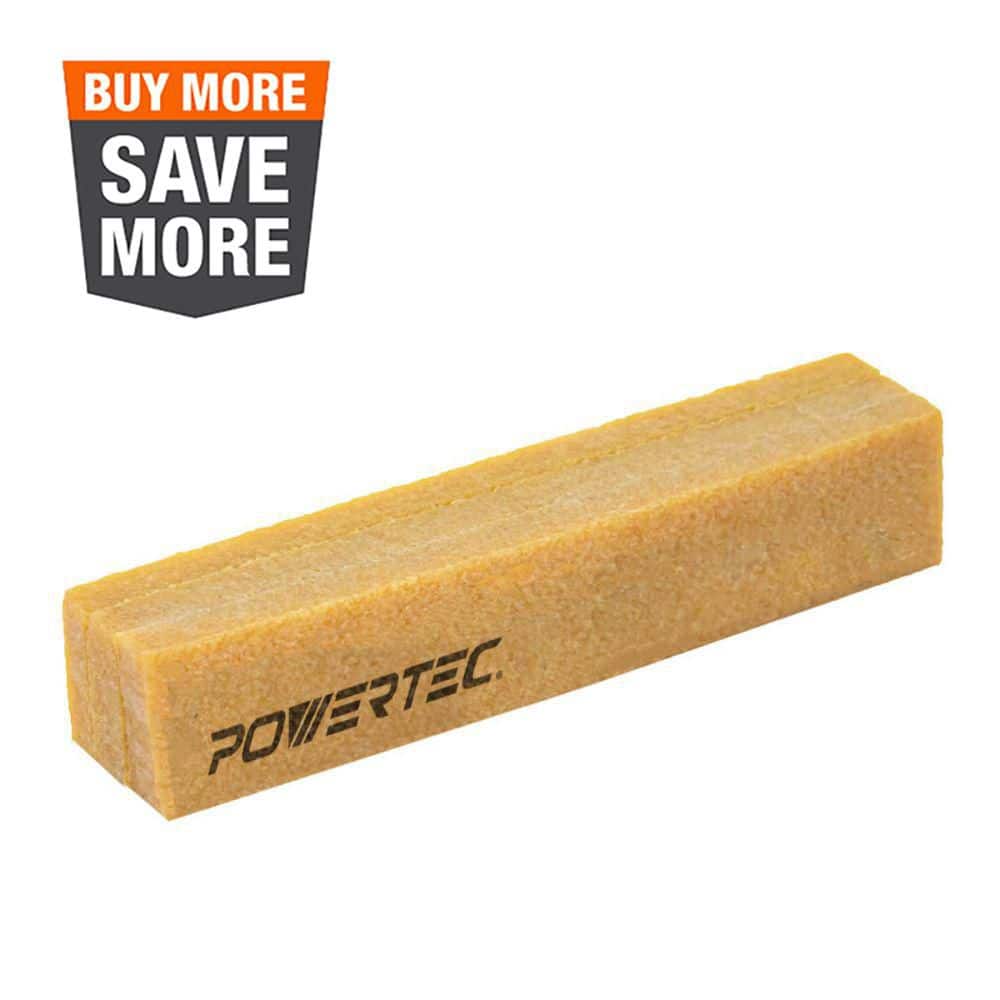
Using Rubber Cleaning Blocks
Rubber cleaning blocks remove dust and buildup from sanding belts. They work like an eraser on the belt surface.
Press the rubber block against the moving belt to clear dirt. This method is safe and gentle on the belt.
- Hold the sander firmly
- Gently press the rubber block on the belt
- Move the block along the belt surface
- Repeat until the belt looks clean
Applying Compressed Air
Compressed air can blow dust and loose particles off the belt. This method works well for light cleaning.
Use a low-pressure air source to avoid damaging the belt. Always wear safety glasses when using compressed air.
- Turn off the sander before cleaning
- Hold the nozzle a few inches from the belt
- Spray air across the belt surface
- Make sure to remove all loose dust
Cleaning With Solvents
Solvents dissolve sticky residue on sanding belts. Use this method for belts clogged with resin or glue.
Choose a solvent that is safe for the belt material. Apply with a cloth and avoid soaking the belt.
- Wear gloves and work in a ventilated area
- Apply solvent to a clean cloth
- Rub the belt gently to remove buildup
- Let the belt dry fully before use

Credit: www.amazon.com.au
Preparing The Belt Sander
Cleaning belt sander belts starts with careful preparation. This helps keep you safe and protects the tool.
Follow these steps before you clean or replace the sanding belt. Proper preparation makes the job easier.
Unplugging The Tool
Always unplug the belt sander before working on it. This stops the tool from turning on by mistake. Unplugging prevents accidents and keeps you safe.
Removing The Belt
Remove the sanding belt carefully to avoid damage. Follow these steps to take off the belt:
- Release the tension lever to loosen the belt.
- Slide the belt off the rollers gently.
- Check the belt for wear before cleaning or replacing.
- Keep the belt away from sharp objects during handling.
Inspecting For Damage
Look closely at the belt for signs of damage. This table shows common issues and what they mean.
| Damage Type | Description | Action Needed |
|---|---|---|
| Tears or Rips | Visible cuts or holes in the belt | Replace the belt immediately |
| Glazing | Shiny, smooth patches on the belt surface | Clean the belt or replace if cleaning fails |
| Fraying Edges | Edges of the belt are worn or peeling | Consider replacing to avoid belt slip |
| Uneven Wear | One side of the belt is more worn | Check sander alignment and replace belt |
Cleaning The Belt
Keeping your belt sander belts clean helps them last longer. Dirt and residue reduce sanding quality. Proper cleaning removes buildup and dust.
Follow these steps to clean the belt safely and effectively. Each step focuses on a different type of debris or care process.
Removing Dust And Debris
Dust and small particles clog the sanding belt. Removing them improves sanding performance. Use a brush or compressed air to clear the belt.
- Turn off and unplug the sander before cleaning.
- Use a stiff brush to sweep off loose dust from the belt surface.
- Blow compressed air along the belt to remove trapped debris.
- Check the belt edges for stuck particles and clean carefully.
Treating Resin And Pitch Build-up
Sticky resin and pitch can clog the belt and reduce its grit. Use a cleaning stick or special cleaner to remove this buildup. Avoid harsh chemicals that damage the belt.
| Cleaning Method | Details |
| Rubber Cleaning Stick | Gently rub over the belt while it runs slowly to lift resin. |
| Resin Cleaner | Apply with a cloth, let sit, then wipe clean. |
| Warm Soapy Water | Use mild soap and water for a quick clean; dry immediately. |
Drying And Reinstalling The Belt
After cleaning, the belt must dry fully to prevent damage. Proper drying keeps the belt flexible. Reinstall the belt carefully to ensure safe use.
- Pat the belt dry with a clean cloth to remove excess moisture.
- Allow the belt to air dry in a warm, dry place away from direct sunlight.
- Check the belt for any remaining wet spots before reinstalling.
- Place the belt back on the sander following the correct tension and alignment.
- Test the belt at low speed to confirm proper installation.
Maintaining Belt Performance
Keeping your belt sander belts clean is key to good work results. Dirt and dust can reduce the belt’s ability to sand well.
Regular care helps your belt last longer and work better. This guide shows how to clean and store belts and when to replace them.
Regular Cleaning Schedule
Clean your belt sander belt often to keep it free of dust and debris. This stops clogging and keeps the belt sanding smoothly.
- Use a rubber cleaning block to remove dust and buildup.
- Brush the belt after every use with a stiff brush.
- Blow compressed air across the belt to clear fine particles.
- Do not use water or liquids to clean the belt.
Proper Storage Tips
Store belts in a dry, cool place to avoid damage. Moisture or heat can weaken the belt material and reduce its life.
| Storage Condition | Reason |
| Cool temperature | Prevents belt warping |
| Dry environment | Stops mold and mildew |
| Flat surface | Avoids belt deformation |
| Away from direct sunlight | Prevents material breakdown |
When To Replace The Belt
Replace the belt if it shows signs of wear or damage. A worn belt wastes time and can harm your workpiece.
- If the belt tears or frays at the edges.
- If sanding becomes uneven or slow.
- If the belt glaze or polish builds up and cleaning does not help.
- If the belt slips on the sander during use.
Credit: www.homedepot.com
Frequently Asked Questions
How Often Should I Clean Belt Sander Belts?
Clean your belt sander belts after every few uses. Frequent cleaning prevents clogging, improves sanding efficiency, and extends belt life. Regular maintenance keeps the belt working smoothly and avoids damage to your projects.
What Is The Best Way To Clean A Belt Sander Belt?
Use a rubber cleaning stick or a belt cleaning block. Gently rub the stick against the moving belt to remove dust and debris. This method is safe, effective, and preserves the grit on the sanding belt.
Can I Use Water To Clean Belt Sander Belts?
No, avoid using water on belt sander belts. Water can damage the adhesive and grit, reducing the belt’s effectiveness. Stick to dry cleaning methods like using a rubber cleaning stick for best results.
How Do I Remove Resin Build-up From Sanding Belts?
Use a belt cleaning stick designed to remove resin and pitch. Apply light pressure while the belt moves to soften and lift the build-up. This keeps the belt clean and maintains optimal sanding performance.
Conclusion
Cleaning belt sander belts keeps them working well and lasting longer. Remove dust and debris after each use. Use a cleaning stick or brush for best results. Avoid letting buildup reduce sanding power. Regular care saves money and improves your work quality.
Keep your belts clean, and your sander will perform smoothly every time. Simple steps make a big difference. Try these tips to maintain your tools easily and effectively.