Ever tried assembling a piece of furniture or working on a DIY project only to find that things don’t quite fit together as they should? You might have thought to yourself, “There must be an easier way!”
Well, there is. Using a mallet with dowels can make your woodworking tasks smoother and more precise. Imagine having the power to connect pieces firmly without causing any damage. That’s the magic of using the right tools the right way.
In this guide, you’ll discover simple, effective techniques to master this skill. Get ready to transform your projects from frustrating to flawless, and unleash your inner craftsman. Curious to know how? Let’s dive in!
Choosing The Right Mallet
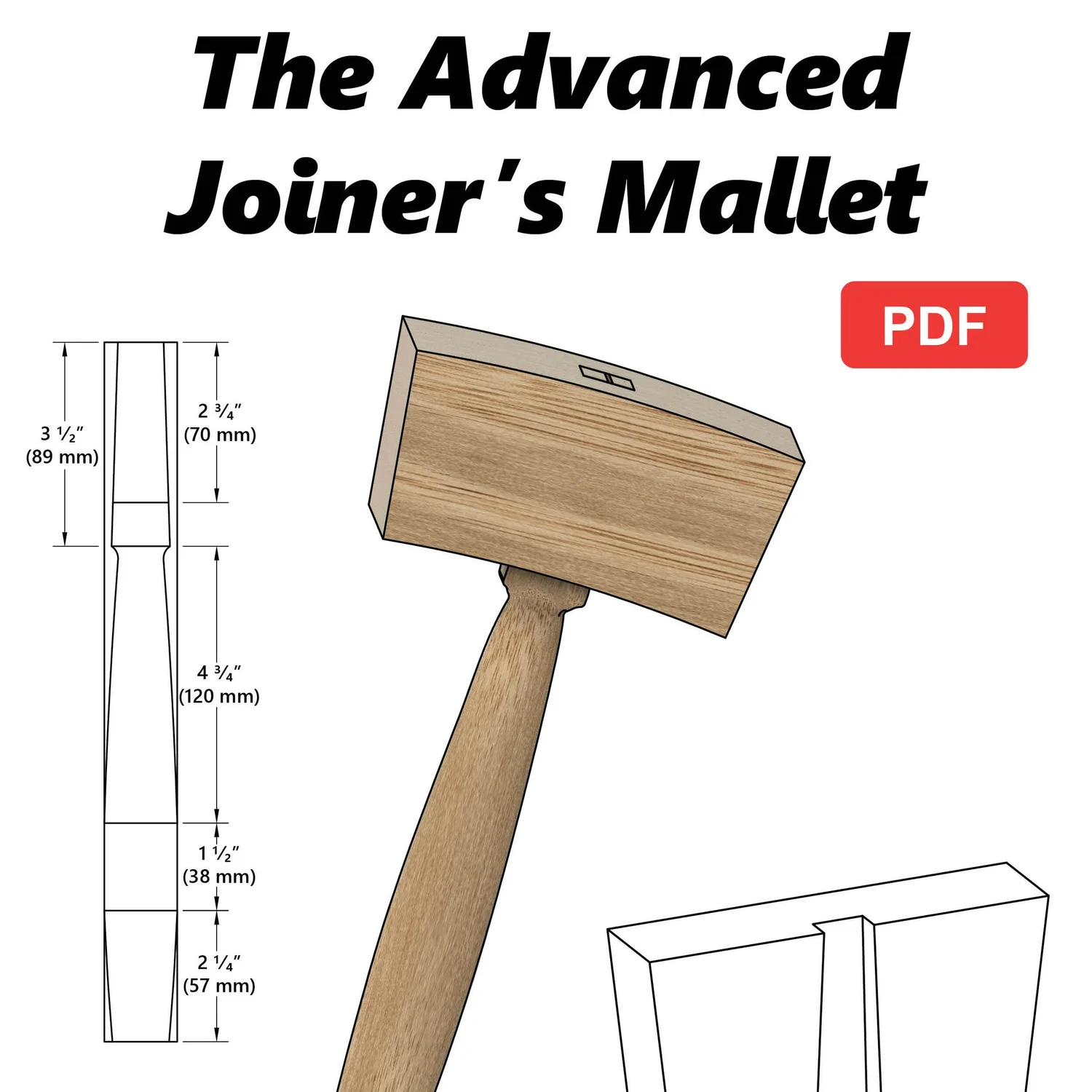
Using a mallet with dowels helps join wood pieces without damage. Picking the right mallet makes your work easier and safer.
This guide covers the types, materials, and size factors to consider when choosing a mallet.
Types Of Mallets
Different mallets suit different tasks. Knowing their types helps you pick one that fits your needs.
- Wooden Mallets:Great for gentle tapping and woodworking. They reduce marks on wood.
- Rubber Mallets:Used for softer impacts. Good for delicate or finished surfaces.
- Rawhide Mallets:Have a soft head that won’t damage wood. Ideal for fine joinery.
- Plastic Mallets:Durable and resistant to wear. Suitable for heavier tasks without marring.
Material Considerations
The mallet’s material affects its weight, durability, and the force it delivers. Choose materials that suit your project.
| Material | Advantages | Best For |
|---|---|---|
| Wood | Lightweight, gentle impact | Fine woodworking, dowel fitting |
| Rubber | Soft, prevents surface damage | Delicate surfaces, finishing work |
| Rawhide | Soft yet firm, minimizes marks | Joinery, cabinetry |
| Plastic | Hardy, long-lasting | General use, tougher materials |
Size And Weight Factors
A mallet’s size and weight affect control and force. Choose one that matches your strength and the job size.
- Smaller, lighter mallets offer better control for precise work.
- Heavier mallets deliver more force with less effort.
- Handle length affects comfort and leverage.
- Try different sizes to find what feels right.

Credit: www.finewoodworking.com
Selecting Dowels For Joints
Choosing the right dowels helps create strong and lasting joints in woodworking. This guide covers key points for selecting dowels.
Understanding dowel materials, sizes, and wood matching can improve your project’s quality.
Common Dowel Materials
Dowels come in different materials, each with benefits for specific uses. The most common are wood, metal, and plastic dowels.
- Wood:Traditional and easy to cut. Works well with wood joints.
- Metal:Very strong and durable. Good for heavy loads.
- Plastic:Resistant to moisture and chemicals. Used in special applications.
Sizing Dowels Correctly
Correct dowel size is important for a tight joint and strong hold. Choose dowels that fit snugly in drilled holes.
| Joint Type | Dowel Diameter | Recommended Length |
|---|---|---|
| Edge to Edge | 6-8 mm | 30-40 mm |
| Corner Joint | 8-10 mm | 40-50 mm |
| Butt Joint | 10-12 mm | 50-60 mm |
Matching Dowels To Wood Types
Dowels should match the wood type to avoid joint failure. Hardwoods need hard dowels, and softwoods need flexible ones.
- Use hardwood dowels like oak for hardwood projects.
- Softwood dowels like pine fit well with softwood furniture.
- For plywood or composite wood, use dowels designed for those materials.
Preparing Dowels And Holes
Using a mallet with dowels requires careful preparation of both the dowels and the holes. Proper preparation helps ensure a strong, tight fit. It also prevents damage to the wood during assembly.
Focus on marking precise positions, drilling clean holes, and finishing the surfaces well. These steps will make your woodworking project easier and more durable.
Marking Accurate Positions
Marking the exact spots for dowels is very important. Misplaced marks cause misaligned joints. Use a pencil and measuring tools to get correct positions.
- Measure twice before marking to avoid mistakes
- Use a marking gauge or square for straight lines
- Mark the center of the dowel location clearly
- Check alignment by dry fitting pieces before drilling
Drilling Clean Holes
Drilling clean holes ensures the dowels fit snugly. Use the right drill bit size for your dowels. Keep the drill straight to avoid angled holes.
| Drill Bit Size | Dowels Diameter | Tip |
| 6 mm | 6 mm | Use a drill guide for straight holes |
| 8 mm | 8 mm | Drill slowly to avoid splintering |
| 10 mm | 10 mm | Clear sawdust from hole before inserting dowel |
Sanding And Finishing Tips
Sanding dowels and holes smooths surfaces for better fit. Remove rough edges and splinters. Finishing helps protect wood from moisture.
- Lightly sand dowel ends with fine-grit sandpaper
- Sand inside holes with a small round file or sandpaper
- Apply wood finish or glue evenly before assembly
- Use a mallet gently to avoid splitting the wood
Techniques For Using A Mallet
Using a mallet with dowels helps join wood pieces tightly. It needs care and correct technique. This guide shows how to use a mallet safely and well.
Good techniques protect your tools and workpieces. They also make the job easier and neater. Learn how to hold, strike, and avoid damage below.
Proper Grip And Stance
Hold the mallet handle firmly but not too tight. Use your dominant hand near the bottom of the handle. Your other hand can steady the handle higher up.
- Stand with feet shoulder-width apart for balance.
- Keep knees slightly bent for stability.
- Face your workpiece directly to strike straight.
- Keep your wrist relaxed to avoid injury.
Striking With Controlled Force
Use measured force to tap dowels into place. Strong hits can damage the wood or cause injury. Light taps help guide the dowel without splitting the wood.
- Lift the mallet smoothly, not too high.
- Bring it down in a controlled motion.
- Focus the strike on the dowel’s end.
- Check the fit often to avoid over-hitting.
Avoiding Damage To Workpieces
Protect your wood by using a soft face mallet or a scrap piece. This stops dents and marks on your workpieces. It also spreads the force evenly around the dowel.
| Tip | Description |
| Use a Wooden or Rubber Mallet | Prevents marring the wood surface |
| Place a Scrap Wood Block | Shields the workpiece from direct hits |
| Tap Gently | Reduces risk of splitting or cracking |
| Check Fit Frequently | Avoids forcing the dowel too far |
Assembling Dowels With Mallet
Using a mallet to assemble dowels is a common woodworking technique. It helps join pieces tightly without damaging them.
This guide explains how to align parts, tap dowels, and check joint tightness for a strong connection.
Aligning Components
Start by positioning the wood pieces so their holes line up perfectly. Proper alignment ensures a snug fit for the dowels.
Hold the parts steady to avoid shifting during assembly. Use clamps if needed to keep everything in place.
Tapping Dowels Into Place
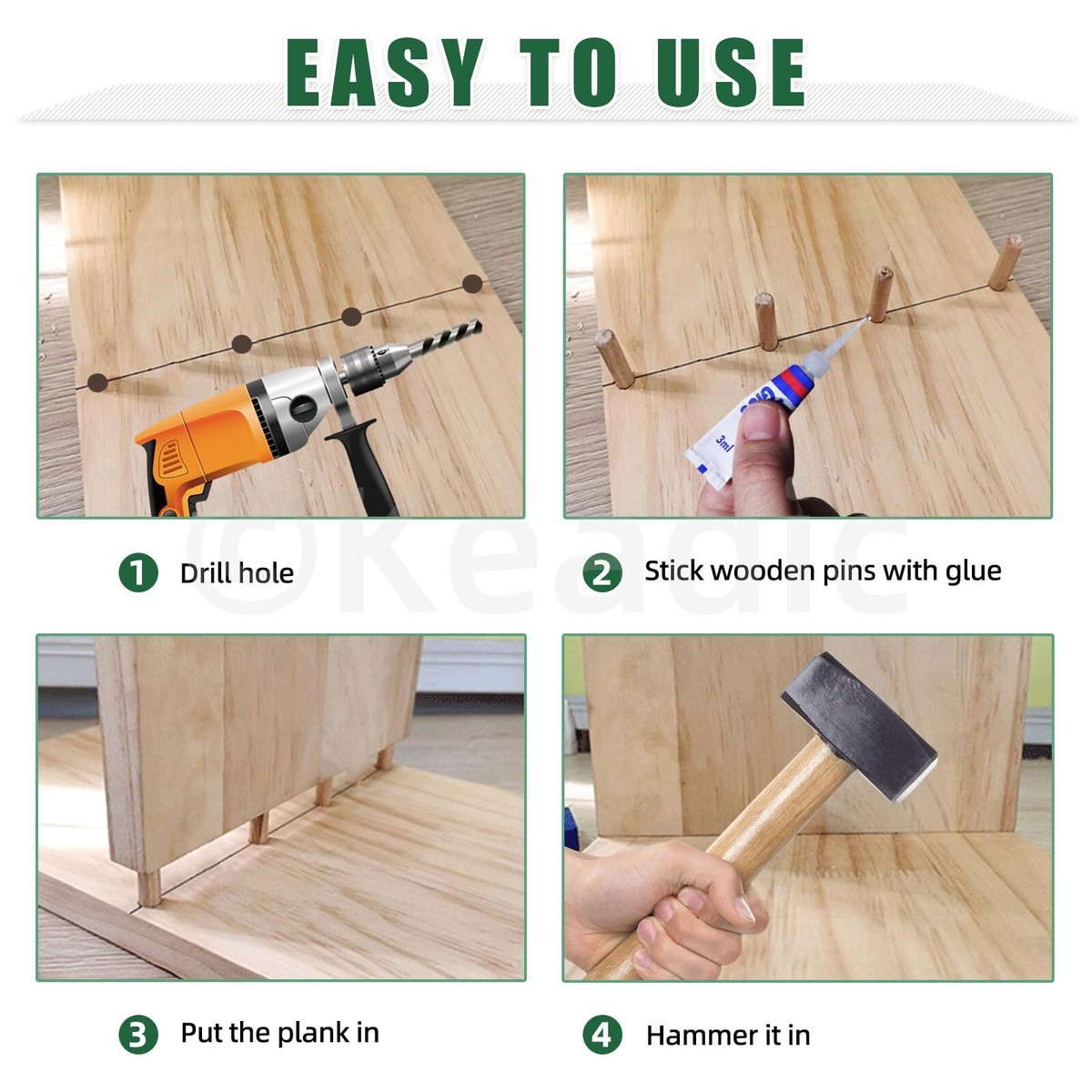
Place the dowel in the hole and gently tap it with a mallet. Use light, controlled strikes to avoid splitting the wood.
- Use a rubber or wooden mallet to protect the wood.
- Tap evenly around the dowel for smooth entry.
- Stop tapping once the dowel is flush with the surface.
Checking Joint Tightness
After tapping, press the pieces together to test the joint’s firmness. A tight joint will hold without gaps or wobbling.
If the joint feels loose, tap the dowel a little more or adjust the alignment. Tight joints improve durability.

Credit: www.mica.co.za
Troubleshooting Common Issues
Using a mallet with dowels can sometimes cause problems. Fixing these issues early helps keep your project strong.
This guide covers common problems and ways to solve them. Follow the tips to improve your woodworking results.
Dealing With Loose Joints
Loose joints happen when dowels do not fit tightly. This weakens the bond between pieces of wood.
- Check dowel size before assembly to ensure a snug fit.
- Use wood glue to strengthen the connection.
- Tap gently with a mallet to avoid damaging the wood.
- Clamp the joint firmly while glue dries.
- Replace dowels that are too small or worn out.
Fixing Misaligned Dowels
Misaligned dowels cause gaps or uneven surfaces. This affects the look and strength of your work.
| Problem | Solution |
| Dowel holes off center | Mark and drill carefully using a jig or guide |
| Dowel inserted at an angle | Remove dowel and realign holes before reinserting |
| Pieces not flush | Sand edges lightly to level surfaces |
| Dowel too long | Cut dowel to correct length before assembly |
Preventing Splitting And Cracks
Splitting happens if the wood is stressed too much during assembly. Avoid cracks by being gentle.
Here are tips to prevent splitting:
- Use a mallet with a soft face to reduce impact.
- Drill pilot holes slightly smaller than the dowel diameter.
- Apply glue evenly to avoid excess pressure.
- Tighten clamps gradually, not all at once.
- Choose dry, quality wood without defects.
Maintenance And Care
Taking care of your mallet and dowels helps them last longer. Proper maintenance keeps your tools working well.
Clean tools and store materials correctly to avoid damage. This guide explains how to care for your mallet and dowels.
Cleaning Your Mallet
After each use, clean your mallet to remove dirt and dust. Use a dry cloth to wipe the head and handle.
If the mallet has sticky residue, use a slightly damp cloth with mild soap. Avoid soaking the wood to prevent swelling.
Storing Dowels Properly
Store dowels in a dry place away from sunlight. Keep them flat or upright to avoid warping.
- Place dowels in a container or rack to keep them organized.
- Separate different sizes to find them easily.
- Keep dowels away from moisture to prevent swelling or mold.
Extending Tool Lifespan
Regular checks help find damage early. Fix cracks or chips on the mallet handle to keep it safe.
| Care Tip | Why It Matters |
| Clean after use | Prevents dirt build-up |
| Store dry dowels | Avoids warping and mold |
| Repair damage | Keeps tools safe and strong |
Credit: www.ebay.com
Frequently Asked Questions
What Is The Best Mallet For Using With Dowels?
A rubber or wooden mallet works best with dowels. These mallets apply gentle, even pressure, preventing damage to the wood. Avoid metal hammers to protect the dowel and wood surface during assembly.
How Do You Properly Use A Mallet With Dowels?
Align the dowel with the hole, then gently tap with the mallet. Use controlled, light strikes to avoid splitting the wood. Ensure the dowel is flush or slightly recessed for a secure fit.
Can I Use A Mallet To Fix Loose Dowels?
Yes, a mallet can help tighten loose dowels by gently tapping them deeper into the hole. Avoid excessive force to prevent wood damage. If loose, consider using wood glue for added strength.
Why Should I Avoid A Metal Hammer With Dowels?
Metal hammers can cause dents and splits in wood when used with dowels. They deliver hard impacts that damage dowels and joints. Using a softer mallet protects the wood and ensures a clean assembly.
Conclusion
Using a mallet with dowels helps join wood pieces tightly and safely. Tap gently to avoid damaging the dowels or wood. Practice a few times to get the right force and angle. This simple tool keeps your woodworking neat and strong.
Remember, patience and care make your projects last longer. Keep these tips in mind for better results every time. Enjoy building with confidence and ease.