Pliers are more than just a tool; they’re an essential companion in your toolkit, especially when dealing with small hardware. Whether you’re a DIY enthusiast or someone who occasionally tackles minor repairs, mastering the use of pliers can make your tasks smoother and more efficient.
Imagine the ease of tightening a tiny screw or adjusting a delicate piece of jewelry without a hitch. By the end of this article, you’ll discover practical tips that can save you time and frustration, all while ensuring that every little hardware piece is handled with precision and care.
Dive into these insights, and transform the way you handle your small hardware projects with confidence and skill.
Choosing The Right Pliers
Pliers are handy tools for working with small hardware. Picking the right type helps you work safely and efficiently.
Different pliers serve different jobs. Knowing which one to use makes tasks easier and faster.
Types Of Pliers For Small Hardware
There are several pliers designed for small hardware. Each has a special shape and use.
- Needle Nose Pliers: Long, thin tips for reaching tight spaces.
- Slip Joint Pliers: Adjustable jaws for gripping different sizes.
- Diagonal Cutters: Sharp edges for cutting wires and pins.
- Round Nose Pliers: Rounded jaws for bending wires and loops.
- Flat Nose Pliers: Flat jaws for holding and bending metal pieces.
Material And Grip Considerations
Pliers should be made from strong materials to last long. Steel is common for durability.
A good grip helps prevent slipping. Look for handles with rubber or textured covers.
- Steel jaws resist bending and breaking.
- Rubber grips reduce hand fatigue.
- Textured handles improve control.
- Insulated grips protect from electric shocks.
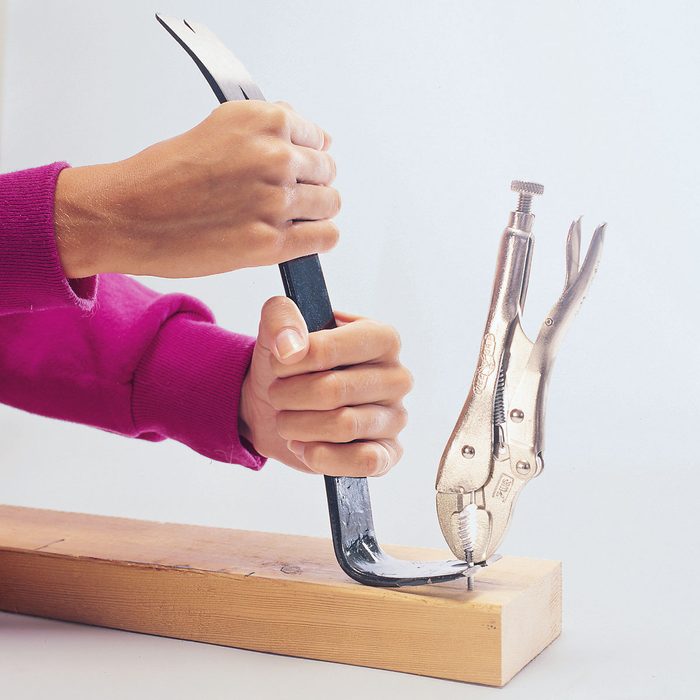
Credit: www.familyhandyman.com
Preparing Your Workspace
Using pliers for small hardware needs a neat workspace. A clean area helps you work faster and safer.
Getting your space ready before starting can stop mistakes and save time.
Lighting And Organization
Good lighting lets you see small parts clearly. Use bright, focused lights for your workspace.
Keep your tools and hardware sorted and close. Use trays or small containers to hold screws and nails.
- Use a desk lamp or LED light for clear visibility
- Sort small parts by size or type in containers
- Keep pliers and tools within easy reach
- Clear away clutter to avoid losing small items
Safety Precautions
Safety is key when working with pliers and small hardware. Protect your eyes and hands.
Check your pliers before use. Make sure they are clean and in good shape to avoid accidents.
- Wear safety glasses to protect your eyes
- Use gloves to avoid cuts and pinches
- Inspect pliers for rust or damage before starting
- Work on a stable surface to prevent slips
Holding Small Hardware Securely
Using pliers to hold small hardware needs care and attention. A secure grip helps avoid slips and accidents.
Choosing the right technique protects both the hardware and your hands. Learn how to hold small parts safely with pliers.
Proper Grip Techniques
Hold the pliers close to the joint for better control. Keep your fingers steady but relaxed to avoid fatigue.
- Use the tips of the pliers for very small parts.
- Apply even pressure to avoid crushing the hardware.
- Keep your wrist straight to increase strength and comfort.
- Adjust your grip if the hardware slips or feels loose.
Using Pliers Without Damaging Parts
Protect delicate hardware by using the right pliers and grip strength. Avoid squeezing too hard to prevent damage.
| Tip | How to Avoid Damage |
| Use Needle Nose Pliers | For small and delicate parts |
| Wrap Handles | Use tape for extra cushion and grip |
| Check Jaw Alignment | Ensure jaws meet evenly to avoid slipping |
| Apply Gentle Pressure | Hold firmly but not too tight |
Precision Maneuvers With Pliers
Pliers are essential tools for handling small hardware. They allow for precise control and careful adjustments.
Using pliers correctly helps avoid damage to delicate parts and improves your work quality.
Bending And Shaping Small Components
Use the tips of needle-nose pliers to bend wires or shape metal pieces. Work slowly to avoid breaking the material.
- Grip the component firmly but gently
- Bend in small increments
- Use the right pliers for the shape needed
- Avoid over-bending or twisting too hard
- Check the shape often as you work
Cutting Wires And Pins Accurately
Cutting wires and pins requires sharp edges and steady hands. Use diagonal cutters or end-cutting pliers for clean cuts.
| Tool | Best Use | Tip |
| Diagonal Cutters | Cutting thin wires | Cut close to the base for neat ends |
| End-Cutting Pliers | Trimming pins and nails | Apply steady pressure for clean cuts |
| Needle-Nose Pliers | Holding while cutting | Hold wire steady to prevent slipping |
Maintaining Your Pliers
Taking care of your pliers helps them last longer and work well. Proper maintenance keeps them safe and strong for small hardware tasks.
Simple steps like cleaning and storing your pliers properly can prevent rust and damage. This saves money and effort in the long run.
Cleaning And Lubrication Tips
Clean your pliers after each use to remove dirt and grease. Use a cloth or brush to wipe away debris from the jaws and handles.
Apply a light oil to the joint to keep it moving smoothly. Lubrication stops rust and makes opening and closing easier.
- Wipe pliers with a dry cloth after use
- Use mild soap and water for tough dirt
- Dry completely before applying oil
- Apply a few drops of machine oil to the joint
- Open and close pliers several times to spread oil
Storage To Prevent Damage
Store pliers in a dry place to avoid rust and corrosion. Keep them away from moisture and extreme temperatures.
Use a toolbox or hanging rack to keep pliers organized. Avoid piling tools on top of each other to prevent bending or breaking.
- Keep pliers in a dry, cool area
- Use toolboxes with compartments
- Hang pliers on pegboards or racks
- Avoid stacking heavy tools on pliers
- Check storage area for humidity regularly

Credit: www.youtube.com
Troubleshooting Common Issues
Pliers are useful tools for small hardware tasks. Sometimes, they slip or do not hold parts well. Rust and wear can also cause problems. Knowing how to fix these issues helps you work better.
This guide covers two common problems: handling slips and misalignments, and dealing with rust and wear. Follow these tips to keep your pliers working well.
Handling Slips And Misalignments
Slips happen when pliers lose grip on small parts. Misalignments occur if the jaws do not close evenly. Both problems can damage hardware or tools.
- Check the jaws for dirt or oil. Clean them with a cloth.
- Use pliers with textured or serrated jaws for better grip.
- Apply steady pressure; avoid sudden moves to reduce slips.
- Inspect the pivot joint. Tighten screws if the jaws do not align.
- Replace worn or bent pliers to prevent misalignment.
Dealing With Rust And Wear
Rust and wear reduce pliers’ effectiveness. Rust can cause jaws to stick. Wear makes the grip uneven or weak.
| Issue | Cause | Solution |
| Rusty Jaws | Moisture exposure | Clean with steel wool and apply oil |
| Sticky Pivot | Dirt or rust buildup | Disassemble, clean parts, lubricate joint |
| Worn Grip | Long use, damaged surface | Replace pliers or add grip tape |
Advanced Tricks For Experts
Pliers are basic tools, but experts can use them in smart ways. Small hardware tasks need careful handling and the right pliers setup.
Using advanced tricks saves time and improves the quality of your work. Learn how to customize pliers and combine tools for best results.
Customizing Pliers For Specific Tasks
Changing your pliers to fit each job helps you work better. You can add grips or change tips to protect delicate parts.
- Wrap handles with tape for a softer grip and less hand strain.
- Use heat shrink tubing to add insulation for electrical work.
- File the jaws lightly to create a better grip on small objects.
- Attach rubber covers on tips to avoid scratching surfaces.
- Use needle-nose pliers with bent tips for hard-to-reach spots.
Combining Tools For Efficiency
Experts often use pliers with other tools to finish jobs faster. Combining tools reduces the need to switch between them.
| Tool Combo | Purpose | Tip |
| Pliers + Wire Cutters | Cut and twist wires quickly | Hold wire with pliers, cut with cutters |
| Pliers + Screwdriver | Hold small screws steady | Use pliers to grip screw head tightly |
| Pliers + Tweezers | Handle tiny parts easily | Use tweezers for precision, pliers for strength |
| Pliers + Hammer | Bend metal and shape it | Hold metal with pliers, tap with hammer gently |
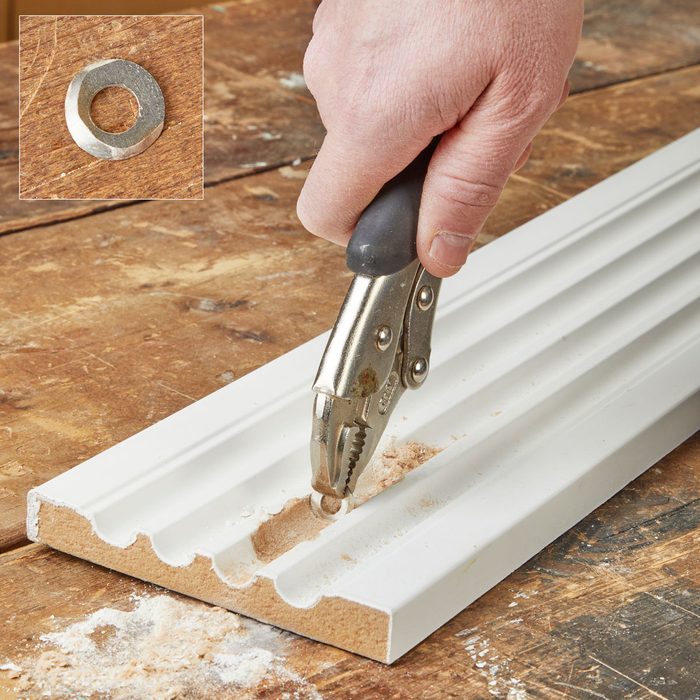
Credit: www.familyhandyman.com
Frequently Asked Questions
What Type Of Pliers Work Best For Small Hardware?
Needle-nose pliers are ideal for small hardware. They provide precision and control in tight spaces. Slip-joint pliers also work well for gripping various small parts. Choose pliers with comfortable grips to reduce hand fatigue during detailed tasks.
How Do I Safely Grip Tiny Screws With Pliers?
Use pliers with a fine, pointed tip for tiny screws. Apply gentle pressure to avoid damaging the screw head. Hold the hardware firmly but do not squeeze too hard. Always keep your hand steady to maintain control.
Can Pliers Damage Small Hardware Parts?
Yes, using excessive force can damage small hardware. Avoid squeezing too tightly or using the wrong pliers type. Using pliers with smooth jaws helps prevent scratches and dents. Always handle small parts delicately for best results.
How To Maintain Pliers For Small Hardware Tasks?
Clean pliers after each use to prevent rust and dirt buildup. Lubricate the joint regularly for smooth operation. Store pliers in a dry place to avoid corrosion. Proper maintenance extends tool life and ensures better performance.
Conclusion
Using pliers for small hardware gets easier with practice and care. Choose the right pliers for each task to avoid damage. Grip firmly but gently to protect your work and tools. Keep your pliers clean and check them often for wear.
These simple steps help you work safely and efficiently every time. Remember, patience and attention improve your results. Small tools, big difference.