Are you excited about nurturing your own garden, but worried about the delicate process of transplanting seedlings? You’re not alone.
Transplanting can be a daunting task, especially when you want to ensure your plants thrive with minimal stress. Imagine your seedlings settling into their new homes without a hitch, growing strong and healthy. This is not just a gardener’s dream—it can be your reality.
In this guide, we’ll share simple yet effective tips to help you transplant seedlings with confidence. By understanding a few key techniques, you can transform what seems like a challenging task into an enjoyable and rewarding experience. Let’s dive into the secrets that will empower your green thumb and lead you to a flourishing garden.

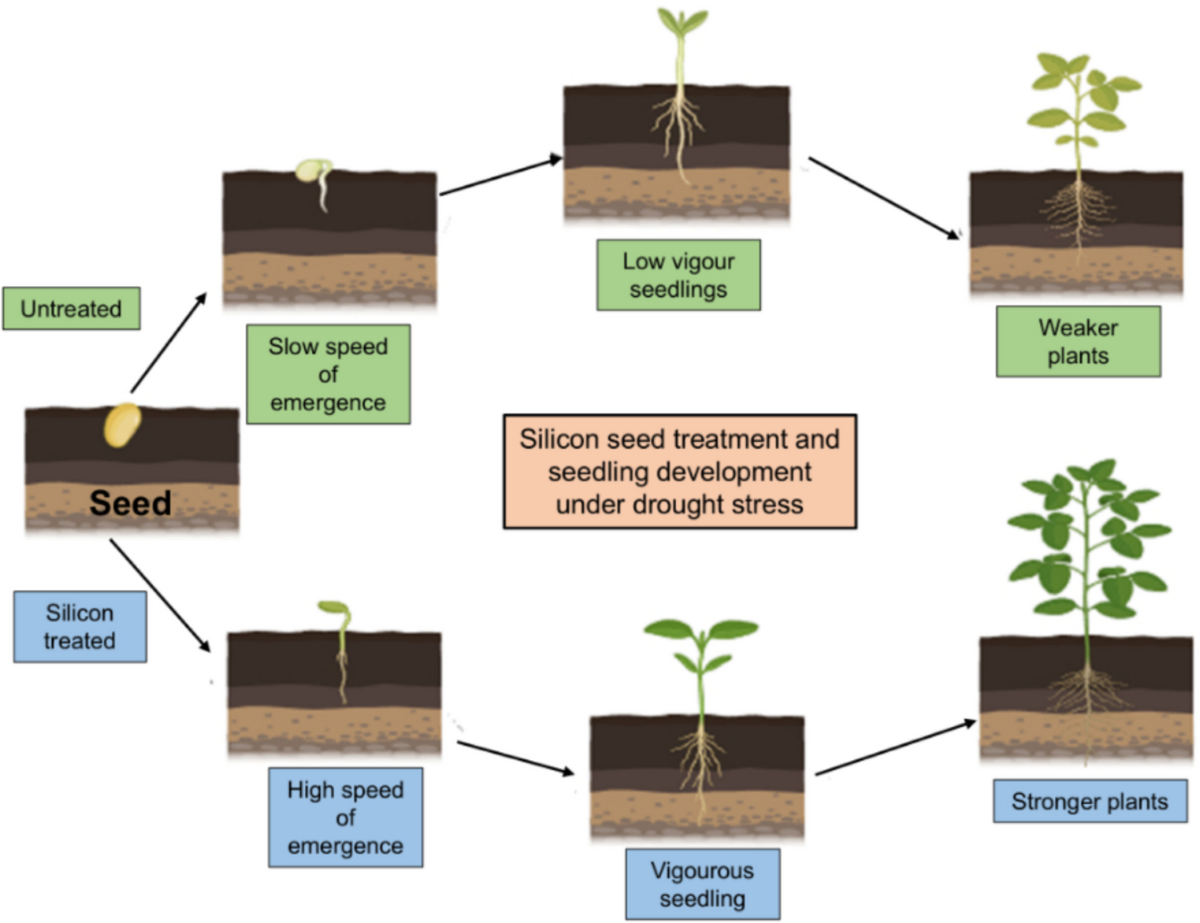
Credit: www.mdpi.com
Choosing The Right Seedlings
Choosing the right seedlings helps plants grow strong after transplanting. Good seedlings face less shock and stress.
Picking healthy seedlings at the right time makes the transplant easier. It helps plants adjust quickly to new soil.
Identify Healthy Seedlings
Healthy seedlings have green leaves without spots or yellowing. The stems should be firm and upright.
Look for seedlings with a good root system. Roots should be white and not crowded or tangled.
- Leaves: bright green, no damage
- Stem: strong, no bending or bruises
- Roots: white, well-formed, not root-bound
- Size: medium, not too tall or weak
Timing For Transplanting
Transplant seedlings when they have 2-4 true leaves. This stage means they are ready and strong enough.
Avoid transplanting on very hot or cold days. Choose a cool, cloudy day or late afternoon to reduce stress.
- Check leaf stage before transplanting
- Pick mild weather days
- Transplant early or late in the day
- Water seedlings before moving them
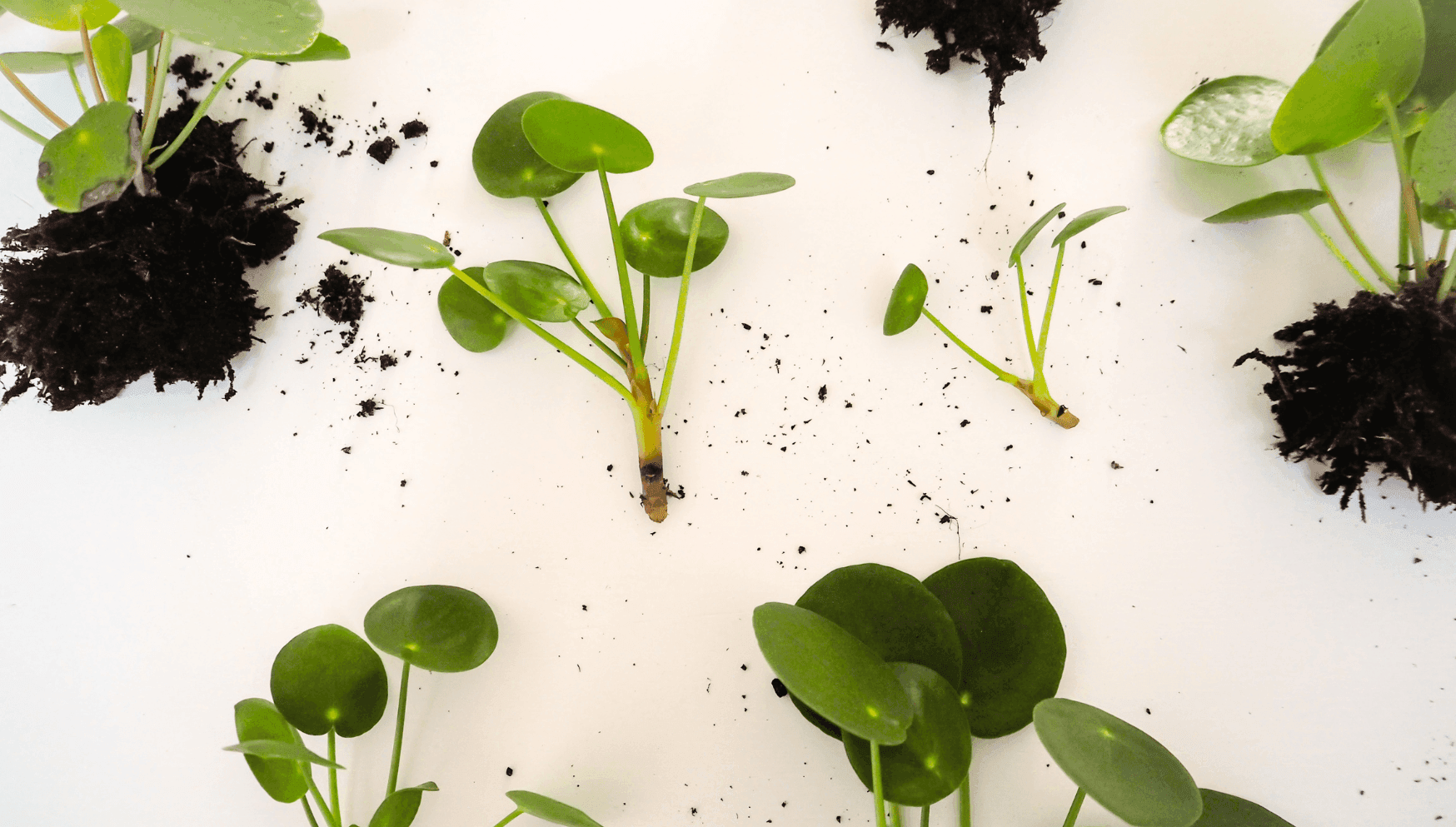
Credit: plnts.com
Preparing The New Location
Transplanting seedlings carefully helps them grow strong. The new location must be ready before moving the plants.
Good soil and the right spot make seedlings less stressed. This guide covers soil preparation and picking the best spot.
Soil Preparation
Healthy soil gives seedlings nutrients and space to grow roots. Start by clearing weeds and old plants from the area.
- Loosen the soil with a garden fork or tiller.
- Mix in compost or organic matter to add nutrients.
- Check the soil pH; most seedlings like slightly acidic to neutral soil.
- Remove stones and debris that block root growth.
- Water the soil lightly a day before transplanting to make it moist.
Selecting The Best Spot
Pick a location that meets the seedlings’ light and space needs. Avoid areas with too much shade or strong winds.
| Factor | What to Look For |
| Sunlight | At least 6 hours of direct light daily |
| Drainage | Soil that does not stay waterlogged |
| Space | Enough room for plants to grow without crowding |
| Protection | Area shielded from strong winds and heavy rain |
Tools And Materials Needed
Transplanting seedlings needs the right tools to keep plants safe. Using proper materials reduces damage to roots and stems.
This guide covers essential gardening tools and how rooting hormones help seedlings grow strong after transplant.
Essential Gardening Tools
Using the right tools makes transplanting easier and less stressful for plants. Clean tools prevent disease and injury.
- Trowel: For digging small holes to place seedlings
- Garden gloves: Protect hands and improve grip
- Watering can: For gentle watering after transplant
- Pruning shears: To trim damaged roots or leaves
- Seedling trays or pots: To hold seedlings securely
- Labels: To mark plant types and dates
Using Rooting Hormones
Rooting hormones help seedlings grow new roots faster. They reduce shock and improve transplant success.
Apply the hormone powder or gel to the seedling’s root area before planting. This encourages root development.
- Choose powder, gel, or liquid hormone types
- Dip roots gently into the hormone
- Avoid using too much to prevent root damage
- Use fresh hormone for best results
Step-by-step Transplanting Process
Transplanting seedlings helps your plants grow strong in a new place. Doing it carefully reduces stress on the plants. Follow these steps to keep your seedlings healthy.
Each step focuses on gentle handling and correct planting. Take your time and avoid damaging roots or stems.
Removing Seedlings Carefully
Start by watering the seedlings lightly. This softens the soil and makes it easier to remove the plants. Use a small tool or your fingers to loosen soil around the seedling base.
- Hold the seedling gently by the leaves, not the stem.
- Lift the seedling with its soil ball to protect roots.
- Place the seedling in a container with moist soil or water.
Handling Roots And Soil
Roots need special care to avoid damage. Keep the soil around the roots intact as much as possible. Avoid shaking off too much soil to protect tiny root hairs.
- Check roots for any damage or disease.
- Trim damaged roots with clean scissors.
- Keep roots moist before planting.
Planting Techniques
Prepare the new planting hole before moving the seedling. The hole should be slightly larger than the root ball. This gives roots space to grow.
| Planting Tip | Reason |
|---|---|
| Make hole deeper than root ball | Helps roots spread downwards easily |
| Place seedling upright | Prevents stem bending or breaking |
| Fill soil gently around roots | Removes air pockets that dry roots |
| Water immediately after planting | Settles soil and reduces shock |
Minimizing Transplant Shock
Transplanting seedlings can be hard for young plants. They may stop growing or wilt if not cared for well.
Reducing transplant shock helps seedlings grow strong after moving them to a new place.
Watering Strategies
Water seedlings before and after transplanting. Wet soil helps roots stay healthy and hold better.
Keep soil moist but not soaked. Too much water can cause root rot and harm the plant.
- Water seedlings a few hours before transplanting
- Use a gentle spray to avoid washing away soil
- Water daily for the first week after transplant
- Check soil moisture regularly to avoid drying out
Shade And Temperature Control
Keep seedlings in shade after transplanting to reduce heat stress. Direct sun can dry them quickly.
Protect seedlings from strong winds and temperature changes. Cool temperatures slow growth but prevent damage.
- Place seedlings under shade cloth or light cover
- Move seedlings indoors if temperatures drop too low
- Avoid transplanting on very hot or cold days
- Use mulch to keep soil temperature steady
Aftercare For Transplanted Seedlings
After you transplant seedlings, care is key to help them grow strong. Proper aftercare reduces stress and supports healthy development.
Focus on monitoring growth, feeding plants well, and protecting them from pests and diseases. These steps keep seedlings safe and thriving.
Monitoring Growth
Check seedlings daily for signs of stress like drooping or yellow leaves. Look for steady growth and firm stems. Adjust water if soil feels dry or soggy.
- Observe leaf color and size
- Check stem strength
- Note any wilting or spots
- Ensure soil stays moist but not wet
Fertilizing Tips
Feed seedlings to support root and leaf growth. Use a balanced fertilizer to supply nutrients without burning young roots. Start feeding after one week in new soil.
| Fertilizer Type | Frequency | Notes |
| Liquid balanced (10-10-10) | Every 10 days | Dilute to half strength |
| Slow-release granules | Once at transplant | Mix into soil before planting |
| Organic compost tea | Weekly | Gentle nutrient boost |
Pest And Disease Management
Keep seedlings safe from pests and diseases by regular checks. Remove damaged leaves and use natural controls. Avoid overwatering to prevent fungal problems.
- Inspect plants for insects or eggs
- Remove affected leaves or stems
- Use neem oil or insecticidal soap if needed
- Water at soil level to keep leaves dry
Common Mistakes To Avoid
Transplanting seedlings can be tricky. Stress can hurt their growth and survival.
Avoid these common mistakes to help your seedlings grow strong after transplanting.
Transplanting At The Wrong Time
Moving seedlings too early or too late can damage them. Young seedlings have weak roots.
Wait until seedlings have a few true leaves and strong roots before transplanting.
Handling Seedlings Roughly
Touching seedlings roughly can break stems or roots. Handle them gently to avoid damage.
Hold seedlings by their leaves or root ball, not by the stem.
Not Preparing The New Soil Properly
Planting seedlings in poor soil can stunt growth. Soil must be loose and nutrient-rich.
Prepare soil by loosening it and adding compost or fertilizer before transplanting.
Ignoring Water Needs
Seedlings need water to recover after transplanting. Dry soil stresses plants.
Water seedlings well right after planting and keep soil moist for several days.
Exposing Seedlings To Harsh Conditions
Strong sun, wind, or cold can shock seedlings after transplant. Protect them carefully.
Use shade cloth, windbreaks, or move seedlings indoors if weather is bad.
Planting Seedlings Too Deep Or Too Shallow
Planting too deep can cause stems to rot. Too shallow can dry out roots quickly.
Plant seedlings at the same soil depth as they grew in their pots.
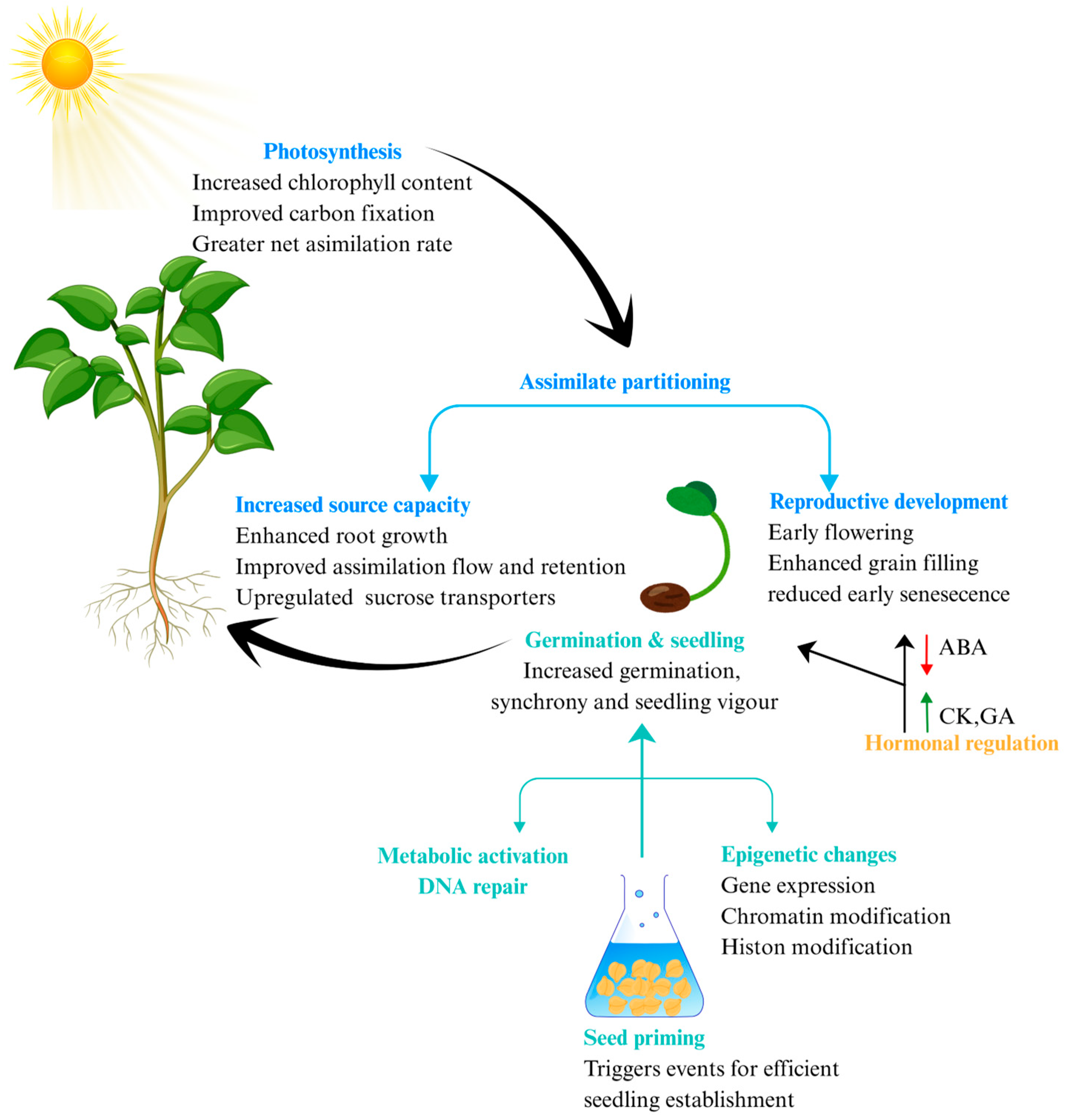
Credit: www.mdpi.com
Frequently Asked Questions
How Do I Prepare Seedlings For Transplanting?
To prepare seedlings, water them well a few hours before transplanting. This keeps roots moist and reduces stress. Harden off seedlings by gradually exposing them to outdoor conditions over 7-10 days. This strengthens them for the new environment.
When Is The Best Time To Transplant Seedlings?
Transplant seedlings early in the morning or late afternoon. Avoid the hot midday sun to reduce transplant shock. Choose a cool, cloudy day if possible. This timing helps seedlings adjust with minimal stress and prevents wilting.
How Do I Minimize Root Damage During Transplanting?
Handle seedlings gently by their leaves, not stems. Use a small tool or your hands to dig around the roots carefully. Keep the root ball intact with soil. Avoid shaking or washing off soil from roots to prevent damage.
What Soil Should I Use For Transplanting Seedlings?
Use well-draining, nutrient-rich soil for transplanting. Mix garden soil with compost or organic matter. This improves soil texture and fertility, helping seedlings establish faster. Avoid heavy clay or sandy soils that retain too much or too little water.
Conclusion
Transplanting seedlings can be easy and gentle. Handle roots with care to avoid damage. Water seedlings well before and after moving. Choose the right time with mild weather. Give plants space to grow and breathe. Watch for signs of stress and act quickly.
Small steps help seedlings grow strong and healthy. Keep patience, and your garden will thrive. Simple care makes a big difference in transplant success. Start with these tips and enjoy your growing plants.