Are you ready to elevate your home improvement skills with precision and finesse? Using a miter saw for trim and molding is the key to transforming any room into a masterpiece of design.
Whether you’re a DIY enthusiast or a seasoned pro, mastering this tool can save you time, money, and frustration. Imagine effortlessly creating clean, sharp edges and perfect angles that bring your vision to life. This guide will unlock the secrets to wielding a miter saw with confidence and accuracy.
Stick with us, and you’ll soon discover how easy it is to achieve professional-quality results on your next project.

Credit: www.amazon.com
Choosing The Right Miter Saw
Choosing the right miter saw is key for cutting trim and molding accurately. The right saw helps you make clean, precise cuts every time.
Consider the type of projects you will do and the size of your materials. This helps you pick a saw that fits your needs well.
Types Of Miter Saws
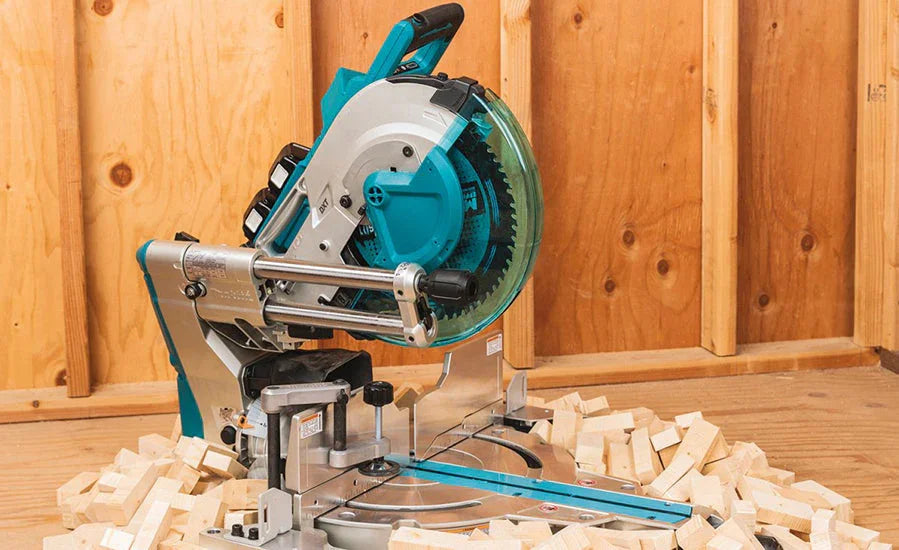
There are several types of miter saws. Each type works best for different jobs and materials.
- Standard Miter Saw:Cuts at various angles but only moves up and down.
- Compound Miter Saw:Can tilt to cut angles on both sides and make bevel cuts.
- Sliding Compound Miter Saw:Has a sliding arm for longer cuts on wide boards.
- Dual-Bevel Miter Saw:Tilts both left and right, making it easier to cut complex angles.
Blade Selection Tips
Choosing the right blade affects the smoothness and accuracy of your cuts. Use blades made for wood trim and molding.
- Pick blades with 60 to 80 teeth for fine, clean cuts.
- Use carbide-tipped blades for durability and sharper edges.
- Match blade size to your saw’s specifications for safety.
- Keep blades sharp to avoid rough cuts and splintering.
Safety Features To Consider
Safety features protect you from accidents when using a miter saw. Choose saws with good safety tools.
- Blade Guard:Covers the blade when not cutting to prevent injuries.
- Electric Brake:Stops the blade quickly after you release the trigger.
- Locking Mechanism:Keeps the saw arm in place during transport or storage.
- Clamps:Secure your material so it does not move while cutting.
Setting Up Your Workspace
Setting up a good workspace helps you work safely and efficiently with a miter saw. A tidy and well-lit area makes cutting trim and molding easier.
Organizing your tools and materials before starting saves time and reduces mistakes. Prepare your workbench and space carefully.
Proper Workbench Setup
Use a sturdy, flat workbench to hold your miter saw. The surface should be at a comfortable height to avoid strain. Make sure the bench is clear of clutter and strong enough to support the saw and the wood.
- Check the bench height; it should be near your waist.
- Secure the miter saw tightly to the bench.
- Leave enough space on both sides for longer trim pieces.
- Use clamps to hold wood steady while cutting.
- Keep a scrap wood piece under the cut area to protect the bench.
Lighting And Visibility
Good lighting helps you see cutting lines clearly and work safely. Natural light is best, but you can add bright lamps or LED lights to reduce shadows.
- Place lights above and in front of your work area.
- Use adjustable lamps to focus light on the blade and cut line.
- Keep bulbs clean to maintain brightness.
- Consider daylight bulbs for natural color visibility.
Organizing Tools And Materials
Keep your tools and materials nearby but organized. This reduces searching and keeps your workspace safe from tripping hazards.
| Item | Storage Tip | Why It Helps |
|---|---|---|
| Measuring tape | Hang on pegboard within arm’s reach | Quick access for accurate cuts |
| Safety glasses | Store in a labeled box on the bench | Easy to find and use every time |
| Spare blades | Keep in a closed container nearby | Protect blades and prevent injury |
| Wood pieces | Stack neatly by size along the wall | Prevents clutter and damage |
Basic Miter Saw Techniques
A miter saw is a useful tool for cutting trim and molding. It helps you make precise cuts for a clean look. Learning basic techniques will improve your work.
This guide covers making straight cuts, miter cuts, and bevel cuts. Each type of cut is important for fitting trim pieces together.
Making Straight Cuts
Straight cuts are simple cuts at a 90-degree angle. They are used to cut trim to length or to create clean ends.
To make a straight cut, place the trim flat on the saw base. Align the blade with the mark and lower the blade slowly. Make sure the trim does not move during the cut.
Executing Miter Cuts
Miter cuts are angled cuts usually set between 15 and 45 degrees. They help join two pieces of trim at corners.
Adjust the saw’s angle to the needed degree. Hold the trim firmly and lower the blade smoothly to make the cut. Check the angle before cutting to ensure accuracy.
- Set the saw to the correct angle
- Secure the trim tightly
- Cut slowly to avoid splintering
- Double-check measurements before cutting
Creating Bevel Cuts
Bevel cuts tilt the blade to cut the trim’s edge at an angle. This technique is used to fit trim on angled walls or ceilings.
Set the bevel angle on the saw, usually between 0 and 45 degrees. Keep the trim flat on the base. Lower the blade slowly to make the bevel cut.
- Adjust bevel angle on the saw
- Keep the trim steady on the base
- Cut with steady pressure
- Practice on scrap wood first
Cutting Trim And Molding
Cutting trim and molding with a miter saw makes your work neat and precise. It is important to cut pieces accurately for a good fit.
Using the right techniques helps you avoid mistakes and saves time. Let’s look at key tips for cutting trim and molding well.
Measuring And Marking Accurately
Measure the length of the trim or molding carefully before cutting. Mark the cut line clearly with a pencil.
Use a tape measure and a square to get straight, exact lines. Double-check measurements to avoid errors.
Handling Different Profiles
Trim and molding come in many shapes and sizes. Each profile needs a different cutting approach to keep its design intact.
Hold the molding firmly on the saw and align the blade with the edge of the profile. This prevents chipping or damage.
Common Cut Angles For Trim
Most trim cuts use 45-degree and 90-degree angles. These angles fit corners and straight edges well.
- 45-degree cuts join two pieces at inside or outside corners
- 90-degree cuts create straight ends for trimming lengths
- Sometimes 22.5 degrees is used for special corner shapes
Advanced Cutting Tips
Using a miter saw for trim and molding requires skill and care. Advanced tips help you make precise cuts and save material.
These tips focus on complex cuts and avoiding common problems. They help you get cleaner and more accurate results.
Compound Miter Cuts
Compound miter cuts combine bevel and miter angles. They are needed for angled corners like in crown molding.
Set your saw to the correct miter angle. Then tilt the blade for the bevel angle. Use a protractor if needed.
- Check your trim’s wall and ceiling angles
- Adjust miter and bevel on the saw accordingly
- Make test cuts on scrap wood first
- Hold the piece firmly for safety and accuracy
Dealing With Crown Molding
Crown molding sits between the wall and ceiling. Cutting it needs special attention to angles and positioning.
Place the molding upside down on the saw. The bottom edge should rest against the fence. This mimics its position on the wall.
- Measure the wall and spring angle of the molding
- Set saw bevel and miter to match those angles
- Cut slowly and check fit before final installation
- Use clamps to keep molding steady during the cut
Avoiding Common Mistakes
Many errors happen from wrong measurements or poor saw setup. Avoid these to improve your cuts.
Always measure twice and cut once. Make sure the saw blade is sharp and clean. Keep hands clear of the blade.
- Do not rush the cut; take your time
- Secure the workpiece firmly to avoid movement
- Double-check angles before cutting
- Wear safety glasses and ear protection
- Use scrap wood to practice tricky cuts
Credit: www.findbuytool.com
Maintaining Your Miter Saw
Keeping your miter saw in good shape helps it cut clean and precise. Regular care extends its life and keeps it safe to use.
This guide covers three key areas to maintain: blade care and replacement, cleaning and lubrication, and calibration and alignment.
Blade Care And Replacement
Check your blade often for dullness or damage. A sharp blade cuts cleaner and reduces strain on the motor. Replace the blade if it is chipped or worn out.
- Inspect the blade for missing teeth or cracks.
- Use the right blade type for trim and molding materials.
- Replace the blade if cuts become rough or slow.
- Always unplug the saw before changing the blade.
Cleaning And Lubrication
Dust and debris can clog your saw and cause poor performance. Clean the saw regularly and lubricate moving parts to keep it running smoothly.
| Part | Cleaning Method | Lubrication Needed |
| Blade Guard | Wipe with a dry cloth | No |
| Pivot Points | Remove dust with brush | Light machine oil |
| Slide Rails | Clear dust and debris | Silicone spray |
| Motor Housing | Use compressed air | No |
Calibration And Alignment
Check your saw’s angles and alignment often. Proper calibration ensures accurate cuts for trim and molding projects.
- Test the 0-degree bevel and miter angles with a square.
- Adjust the bevel stop if the blade is off vertical.
- Set the miter angle stops to match your saw’s scale.
- Tighten all screws after adjustments to keep settings firm.
Safety Practices
Using a miter saw for trim and molding can be safe if you follow rules. Safety stops accidents and keeps you healthy.
Always pay attention and work carefully. This guide helps you use the saw safely every time.
Personal Protective Equipment
Wear the right gear to protect yourself. This gear stops dust, noise, and cuts from hurting you.
- Safety glasses to protect your eyes
- Hearing protection like earplugs or earmuffs
- Dust mask to avoid breathing sawdust
- Gloves to protect your hands
- Wear close-fitting clothes to avoid getting caught
Safe Operation Procedures
Follow safe steps when using the saw. This lowers risks and keeps your work clean and exact.
- Check the saw blade is sharp and secure
- Keep your hands away from the blade
- Use clamps to hold the trim or molding firmly
- Make sure the saw is on a stable surface
- Let the blade stop fully before moving the material
- Stand to the side, not in line with the blade
- Turn off and unplug the saw before adjustments
Troubleshooting And Emergency Tips
If the saw stops or acts strange, turn it off fast. Check the problem before using it again.
In case of an injury, stay calm and get help. Know basic first aid for cuts and accidents.
- If the blade gets stuck, turn off the saw and unplug it before freeing it
- Check for loose parts if the saw vibrates too much
- Keep a first aid kit nearby for quick treatment
- Call emergency services if the injury is serious
- Report any equipment problems to a supervisor or expert

Credit: www.findbuytool.com
Frequently Asked Questions
What Is The Best Miter Saw Angle For Trim Cuts?
The best angle for trim cuts is usually 45 degrees for corners. Adjust the saw’s bevel and miter settings for precise joints. Always test on scrap wood before cutting your trim or molding for accuracy.
How Do I Safely Use A Miter Saw For Molding?
Wear safety goggles and keep hands clear of the blade. Secure the molding firmly against the fence. Use slow, steady motions to avoid splintering or kickback. Always unplug the saw when changing blades or making adjustments.
Can A Miter Saw Cut Inside Corners On Trim?
Yes, a miter saw can cut inside corners using 45-degree bevel and miter settings. Proper measurements and test cuts ensure a perfect fit. This helps create clean, professional-looking joints for crown molding and baseboards.
How To Measure Trim For Accurate Miter Saw Cuts?
Measure twice and mark the cut line clearly on the trim. Use a tape measure and pencil for precise markings. Ensure the molding is positioned correctly on the saw before cutting to avoid errors.
Conclusion
Using a miter saw makes cutting trim and molding easier and cleaner. Take time to measure twice and cut once to avoid mistakes. Always keep safety in mind while working with the saw. Practice simple cuts before moving to complex angles.
Clean and maintain your saw to keep it working well. With patience and care, your trim and molding will fit perfectly. Enjoy the process and the beautiful results in your home.