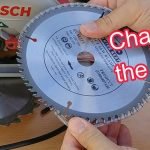
Are you noticing that your circular saw isn’t cutting as smoothly as it used to? It might be time to replace the blade.
A dull blade not only makes your work harder but can also be dangerous. Don’t worry; replacing a circular saw blade is easier than you might think. With a few simple steps, you can boost your saw’s performance and ensure clean, precise cuts every time.
In this guide, you’ll learn exactly how to swap out that worn blade safely and efficiently. Keep reading to discover the secrets to extending your saw’s lifespan and keeping your projects on track without a hitch.

Credit: www.youtube.com
Tools Needed
Replacing circular saw blades requires the right tools for safety and ease. Using proper tools helps you work faster and avoid damage.
This guide lists the essential tools you need before starting the blade replacement process.
Wrench Or Allen Key
A wrench or Allen key is needed to loosen and tighten the arbor nut that holds the blade. The size depends on your saw model.
Blade Lock Or Clamp
The blade lock or clamp keeps the blade from spinning while you loosen the arbor nut. It ensures safety and control during replacement.
Work Gloves
Wear sturdy work gloves to protect your hands from sharp blade edges and accidental slips.
Safety Glasses
Always wear safety glasses to protect your eyes from dust and metal shards when removing or installing the blade.
Clean Cloth Or Brush
Use a clean cloth or brush to wipe dust and debris from the saw and blade before installing the new blade.
Tools Checklist
- Wrench or Allen key matching arbor nut size
- Blade lock or clamp
- Sturdy work gloves
- Safety glasses
- Clean cloth or brush
Safety Precautions
Replacing circular saw blades can be dangerous without the right safety steps. Always prepare carefully before handling the saw.
Follow these safety rules to protect yourself and ensure the job goes smoothly.
Wear Protective Gear
Always wear safety glasses to protect your eyes from flying debris. Gloves help protect your hands from sharp edges on the blade.
Unplug The Saw
Before you start, unplug the saw from the power source. This prevents accidental starts while you work on the blade.
Secure The Saw
Place the saw on a stable surface. Use clamps if needed to keep it from moving during blade replacement.
Check The Blade Lock
Use the blade lock button to hold the blade in place. This makes it safer and easier to remove and install blades.
Use The Correct Tools
- Use the right wrench or tool supplied with your saw.
- Do not use makeshift tools that can slip or break.
- Keep tools handy to avoid reaching over the blade.
Inspect The New Blade
| Blade Check | Reason |
|---|---|
| Check for cracks | Prevents blade breakage during use |
| Confirm correct size | Ensures proper fit on the saw |
| Look for sharp teeth | Improves cutting performance |
Prepare The Saw
Before changing your circular saw blade, you must prepare the saw properly. This ensures your safety and makes the blade replacement easier.
Follow simple safety steps to avoid accidents during the process. Always handle the saw with care and attention.
Unplug The Saw
Always unplug the saw from the power source before you start. This stops the saw from turning on accidentally while you work.
- Find the power cord or battery pack.
- Disconnect the power cord from the wall outlet.
- If battery-powered, remove the battery completely.
Lock The Blade
Lock the blade in place to keep it from moving while you change it. This helps you remove the blade safely and easily.
Use the blade lock button or lever on your saw. If your saw has no lock, use a piece of wood to wedge the blade.
| Method | How to Use |
|---|---|
| Blade Lock Button | Press and hold the button to stop the blade from turning. |
| Lever Lock | Flip the lever to lock the blade in place. |
| Wood Wedge | Place a wood block between the blade and base to hold it steady. |

Credit: www.youtube.com
Remove The Old Blade
Replacing a circular saw blade starts with safely removing the old one. You need to loosen the arbor nut first. Then, you can take the blade out without trouble.
Make sure to unplug the saw or remove the battery before you begin. This prevents any accidental starts while you work on the blade.
Loosen The Arbor Nut
The arbor nut holds the blade tight on the saw. Loosening it lets you remove the blade. You may need a wrench or a special tool that came with your saw.
- Hold the saw firmly or place it on a stable surface.
- Engage the blade lock button to stop the blade from moving.
- Use the correct wrench to turn the arbor nut counterclockwise.
- Keep turning until the nut is loose enough to remove by hand.
Take Out The Blade
After loosening the arbor nut, you can take the blade off. Handle the blade carefully to avoid cuts. Place it on a safe surface.
| Blade Part | Action |
|---|---|
| Arbor hole | Slide the blade off the arbor shaft |
| Blade teeth | Handle with care to avoid injury |
| Washer (if present) | Remove and keep it for reassembly |
| Arbor nut | Set aside safely for reuse |
Choose The Right Replacement Blade
Choosing the right blade is important for safe and efficient cutting. The wrong blade can damage your saw or the material you cut. This guide helps you pick the correct blade by size and type.
Match the blade to your saw and the material you plan to cut. This keeps your work smooth and your tools in good shape.
Blade Size
Blade size must fit your saw perfectly. The diameter and the arbor hole size are key measurements.
| Blade Diameter | Most saws use 7 1/4 inches, but check your saw’s manual. |
| Arbor Hole | The hole in the center of the blade must fit your saw’s arbor exactly. |
| Blade Thickness | Choose thickness that matches your saw to avoid wobbling. |
Blade Type
Blade type depends on the material you cut. Using the right type gives clean cuts and longer blade life.
- Rip Blades: Cut along the wood grain for fast, rough cuts.
- Crosscut Blades: Cut across the grain for smooth, fine cuts.
- Combination Blades: Can rip and crosscut with moderate performance.
- Masonry Blades: Designed for cutting bricks, concrete, and stone.
- Metal Cutting Blades: Use for cutting metal pipes or sheets.
Install The New Blade
Replacing a circular saw blade is simple if you follow the right steps. Start by preparing the new blade for installation.
Make sure the blade fits your saw model and is clean before you install it.
Position The Blade
Place the new blade on the saw’s arbor carefully. Align the blade hole with the arbor shaft.
Check the blade teeth direction. The teeth should face forward, matching the saw’s rotation.
Tighten The Arbor Nut
Secure the blade by tightening the arbor nut. Use the correct wrench to avoid damage.
Tighten the nut firmly but do not overtighten it. A secure blade prevents wobbling during use.
Test The Saw
After you replace the circular saw blade, you need to test the saw. This ensures the blade fits well and works safely.
Testing includes checking the blade alignment and making a test cut. These steps help avoid problems during use.
Check Blade Alignment
Check that the blade sits straight and tight on the saw. A misaligned blade can cause uneven cuts or kickback.
- Look at the blade from the front and side.
- Make sure the blade does not wobble when you spin it by hand.
- Verify the blade teeth line up with the saw guard and base plate.
- Tighten the arbor nut firmly to hold the blade in place.
Power On And Test Cut
Power on the saw carefully to check if the blade runs smoothly. Then, make a test cut on scrap wood.
| Test Step | What to Observe | Action if Problem |
| Power On | Blade spins without noise or vibration | Stop and check blade tightness and alignment |
| Test Cut | Cut is straight and smooth | Adjust blade or fence if cut is uneven |
| Safety | No unusual sparks or smells | Turn off saw and inspect motor or blade |

Credit: www.youtube.com
Maintenance Tips
Keeping your circular saw blades in good shape helps you cut safely and smoothly. Regular maintenance extends the blade’s life and improves your work quality.
This guide covers simple tips to clean and sharpen your circular saw blades. Follow these steps to keep your tools ready for any project.
Regular Cleaning
Dirt, sap, and resin build up on blades and reduce cutting power. Clean your blade often to avoid damage and keep it sharp longer.
- Remove the blade from the saw for safety.
- Use a brush to clear sawdust and debris.
- Soak the blade in warm, soapy water for 10 minutes.
- Scrub with a soft brush to remove sticky residue.
- Dry the blade completely before reinstalling it.
- Apply a light oil coating to prevent rust.
Blade Sharpening
Sharp blades cut faster and safer. Dull blades cause rough cuts and strain the motor. Sharpen your blades regularly or replace them if needed.
| Signs Your Blade Needs Sharpening | What to Do |
|---|---|
| Burn marks on wood | Sharpen blade using a sharpening tool |
| Blade binds or slows down | Check for damage or dull teeth |
| Rough or splintered cuts | Sharpen or replace the blade |
| Excessive vibration | Balance or replace blade |
Frequently Asked Questions
How Do I Safely Remove A Circular Saw Blade?
First, unplug the saw or remove the battery. Press the blade lock button to stop blade movement. Use a wrench to loosen the arbor nut. Carefully remove the old blade, avoiding sharp teeth.
What Tools Are Needed To Replace Saw Blades?
You typically need a wrench or Allen key to loosen the arbor nut. Some saws include a blade lock button. Safety gloves help protect your hands from sharp edges during the swap.
How Often Should I Replace Circular Saw Blades?
Replace blades when they become dull, chipped, or damaged. A dull blade reduces cutting efficiency and safety. Frequency depends on usage and material types but inspect blades regularly.
Can I Use Any Blade For My Circular Saw?
No, use blades compatible with your saw’s size and arbor diameter. Ensure the blade’s tooth type matches the material you cut for best results.
Conclusion
Replacing circular saw blades is simple with the right steps. Always unplug the saw before starting. Use the correct tools to loosen and remove the old blade. Fit the new blade carefully, making sure it is tight and secure. Regular blade changes keep your saw working well and safe.
Take your time and follow these tips for best results. Now, you are ready to cut with confidence and ease.