When it comes to electrical maintenance, your safety should always be the top priority. One simple yet crucial tool that can protect you from potentially life-threatening hazards is a pair of insulated gloves.
You might wonder how these gloves can make such a significant difference. Well, imagine having the confidence to handle electrical tasks without the fear of getting shocked. It’s not just about safety; it’s about peace of mind. We’ll guide you on how to effectively use insulated gloves for electrical maintenance, ensuring you stay protected while getting the job done efficiently.
Curious to learn more? Let’s dive into the details that could make your next electrical project safer and more successful.
Types Of Insulated Gloves
Insulated gloves protect workers during electrical maintenance. They prevent shocks and injuries. Choosing the right gloves is crucial for safety.
There are different materials and classes for insulated gloves. Each type suits specific tasks and voltage levels. Knowing these helps you pick the correct gloves.
Materials And Classes
Insulated gloves come in various materials, mainly rubber. They have different classes based on the voltage they protect against. Class 00 offers the least protection, while Class 4 offers the highest.
| Class | Maximum Use Voltage | Description |
| 00 | 500 V AC / 750 V DC | Used for low-voltage tasks |
| 0 | 1,000 V AC / 1,500 V DC | General electrical maintenance |
| 1 | 7,500 V AC / 11,250 V DC | Medium voltage protection |
| 2 | 17,000 V AC / 25,500 V DC | High voltage tasks |
| 3 | 26,500 V AC / 39,750 V DC | Very high voltage protection |
| 4 | 36,000 V AC / 54,000 V DC | Highest voltage protection |
Choosing The Right Gloves
Select gloves based on the voltage and work type. Consider glove size, comfort, and flexibility. Inspect gloves before use for damage or wear.
- Check voltage rating of gloves
- Match glove class to the electrical task
- Look for signs of cracks or holes
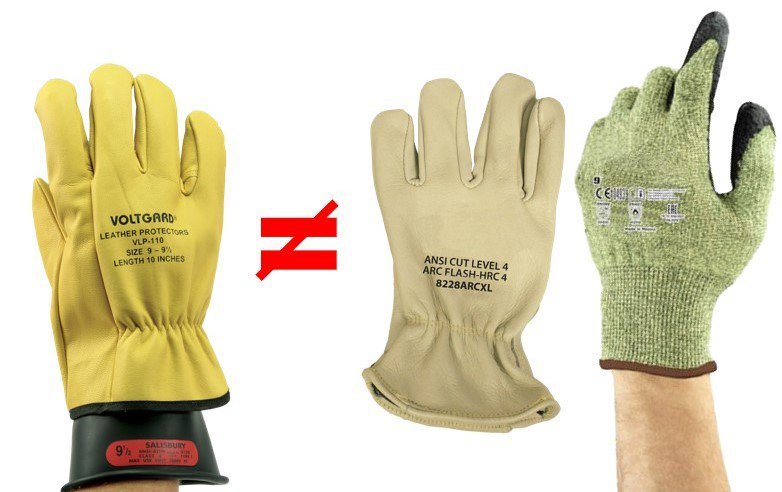
- Use leather protectors over rubber gloves
- Replace gloves after damage or expiration
Inspecting Gloves Before Use
Insulated gloves protect you from electric shocks. Always check gloves before using them for electrical work.
Inspecting gloves helps find damage that could cause injury. Safety starts with careful checks.
Visual Checks
Look closely at the gloves for any signs of damage. Check for cuts, holes, or cracks on the surface.
Also check the gloves for dirt, grease, or other substances. These can reduce the glove’s protection.
- Find cuts or tears in the glove material
- Look for cracks or hard spots
- Check seams and edges for separation
- Ensure gloves are clean and dry
- Look for discoloration or brittleness
Leakage Testing
Leakage tests check if gloves have tiny holes. These holes let electricity pass through and cause harm.
Use air or water tests to find leaks. Inflate the gloves and look for bubbles or air escaping.
- Inflate gloves with air and watch for leaks
- Fill gloves with water and check for drips
- Use special test kits if available
- Do not use gloves if any leaks are found
Proper Wearing Techniques
Insulated gloves protect you from electric shocks during maintenance. Using them correctly is very important.
Wearing gloves the right way keeps you safe and makes work easier. Follow these tips for proper use.
Donning And Doffing
Put on insulated gloves carefully to avoid damage. Start by checking for holes or tears before use.
To put gloves on, slide your hand in slowly. Avoid stretching the gloves too much to keep them strong.
- Inspect gloves for damage before wearing.
- Put on clean gloves to avoid dirt inside.
- Pull gloves gently over your fingers and wrist.
- Remove gloves by peeling from the wrist.
- Turn gloves inside out when taking off to avoid contact with dirt.
Ensuring A Secure Fit
Make sure gloves fit snugly but not too tight. Loose gloves can cause accidents or reduce protection.
A proper fit lets you move your fingers easily and hold tools safely. Check the glove size before use.
- Choose gloves that match your hand size.
- Check for wrinkles or gaps after putting gloves on.
- Adjust gloves at the wrist to prevent slipping.
- Replace gloves if they feel too loose or tight.

Credit: www.amazon.com
Safe Handling Practices
Using insulated gloves for electrical maintenance is important for safety. These gloves protect you from electric shocks.
Handle the gloves carefully to keep them effective. Follow safe practices to avoid damage and risks.
Avoiding Contamination
Keep insulated gloves clean and free from dirt or chemicals. Contamination can reduce their protection ability.
Avoid touching the gloves with oily or dirty hands. Always wash your hands before putting on the gloves.
- Store gloves in a clean, dry place
- Do not use gloves with cuts or cracks
- Inspect gloves before and after each use
- Clean gloves with recommended cleaners only
Using Protective Covers
Wear protective covers over insulated gloves to extend their life. Covers protect gloves from dirt and damage.
Choose covers that fit well and do not reduce hand movement. Remove covers carefully to avoid tearing the gloves.
- Use leather or rubber covers as needed
- Replace covers if they show wear or damage
- Do not use covers as a substitute for gloves
- Check covers for holes or cracks before use
Maintenance And Storage
Insulated gloves protect you from electric shocks during electrical work. Proper care keeps them safe and lasting longer.
Cleaning and storing gloves right helps keep their insulation strong. Follow simple steps to maintain them well.
Cleaning Guidelines
Clean your insulated gloves after every use to remove dirt and chemicals. Use mild soap and warm water only.
Do not use harsh chemicals or abrasive materials that can damage the gloves. Rinse them well and dry completely.
- Wash gloves gently with mild soap
- Rinse thoroughly with clean water
- Dry gloves in the shade, away from heat
- Do not use bleach or solvents
- Check gloves for damage after cleaning
Storage Conditions
Store insulated gloves in a cool, dry place. Avoid direct sunlight and high temperatures that weaken the material.
Keep gloves away from oils, chemicals, and sharp objects. Use a clean bag or box to protect them from dust and damage.
- Store gloves in a dry, shaded area
- Avoid folding or bending gloves sharply
- Keep gloves away from chemicals and oils
- Use a protective bag or container
- Inspect gloves before each use
Recognizing And Responding To Glove Damage
Insulated gloves protect you from electrical shocks during maintenance. It is important to check them for damage before use.
Knowing the signs of wear and tear helps keep you safe. You must act quickly if you find any damage.
Signs Of Wear And Tear
Look for cracks, holes, or tears on the gloves. Small cuts can let electricity pass through and cause injury.
Check for hard spots or stiffness. These can mean the glove material is breaking down.
- Cracks or cuts on the surface
- Holes or punctures
- Discoloration or stains
- Hard or stiff areas
- Thin or worn spots
- Loose or damaged seams
Emergency Procedures
If you find glove damage during work, stop immediately. Do not touch any electrical equipment with damaged gloves.
Report the damage to your supervisor. Replace the gloves before continuing the job.
- Stop work and move away from live parts
- Inform your supervisor or safety officer
- Use backup gloves that are in good condition
- Do not try to fix or patch damaged gloves
- Follow your workplace safety rules
Compliance And Standards
Using insulated gloves correctly is key for electrical safety. These gloves protect workers from electric shocks and burns.
Following rules and standards helps ensure gloves work well and keep users safe.
Relevant Safety Regulations
Many countries have rules for electrical protective equipment. These rules set minimum safety levels for insulated gloves.
Regulations require gloves to be tested and rated for specific voltage levels. Workers must use gloves that fit their tasks.
- OSHA (Occupational Safety and Health Administration) sets rules in the USA.
- IEC 60903 is an international standard for insulated gloves.
- EN 60903 applies in Europe and defines testing methods.
- Local laws may add extra safety requirements.
Certification Marks
Certified gloves show they meet safety standards. Look for marks from recognized testing labs on glove labels.
Certification marks prove that gloves passed electrical and physical tests. They also indicate the glove’s voltage rating.
- ASTM certification shows compliance with American standards.
- CE mark means gloves meet European safety rules.
- UL (Underwriters Laboratories) label confirms product safety.
- CSA (Canadian Standards Association) ensures gloves suit Canadian regulations.

Credit: www.amazon.ca

Credit: www.amazon.com
Frequently Asked Questions
What Are Insulated Gloves Used For In Electrical Maintenance?
Insulated gloves protect workers from electric shocks during electrical tasks. They provide a barrier against high voltage, ensuring safety. These gloves are essential for handling live wires and equipment. Using them reduces accident risks and complies with safety standards.
How To Choose The Right Insulated Gloves?
Select gloves based on voltage rating, size, and material type. Check for compliance with safety standards like ASTM or IEC. Ensure gloves fit snugly and allow movement. Inspect for damage before use. Proper selection maximizes protection and comfort during electrical work.
How To Inspect Insulated Gloves Before Use?
Look for cuts, tears, and punctures on gloves. Check for discoloration or stiffness, indicating damage. Perform air test by inflating gloves to detect leaks. Regular inspection ensures gloves maintain their protective properties and prevent electrical hazards.
How To Maintain Insulated Gloves For Durability?
Store gloves in a cool, dry place away from sunlight. Clean them with mild soap and water after use. Avoid folding or creasing gloves to prevent damage. Regular maintenance extends glove life and maintains safety performance.
Conclusion
Using insulated gloves keeps you safe during electrical work. Always check gloves for damage before starting any task. Proper glove use reduces the risk of shocks and injuries. Clean and store gloves correctly to keep them effective. Remember, safety comes first in every maintenance job.
Stay alert, follow guidelines, and protect yourself well. Safe hands mean smooth and secure electrical maintenance. Keep these tips in mind every time you work.