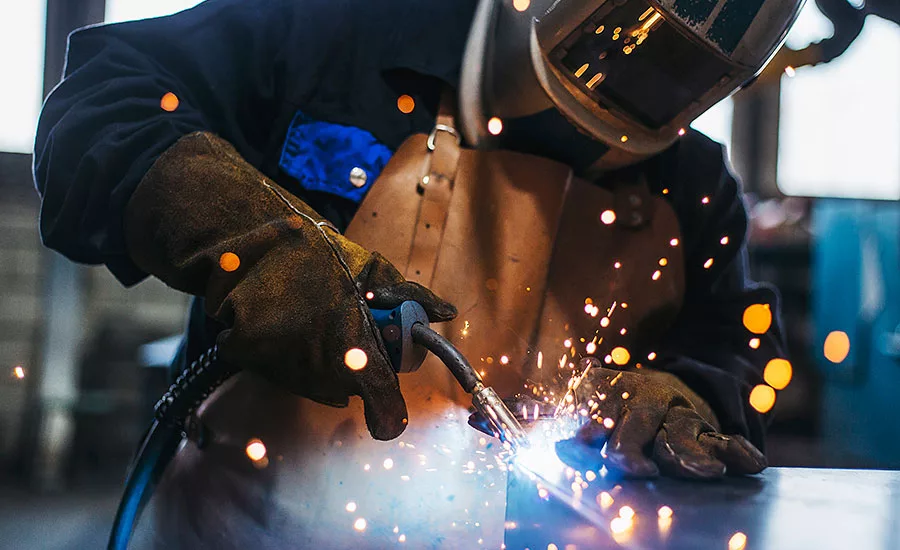
Your safety is your top priority in the workshop. But how do you ensure that you’re truly protected, especially when handling tasks as risky as welding?
The key lies in choosing the right equipment. Among the most crucial tools in your safety arsenal is the welding helmet. Not only does it shield your eyes from harmful light, but it also guards your face from flying debris.
Imagine being able to focus entirely on your craft, with peace of mind knowing you’re safe. In this guide, you’ll discover everything you need to know about using welding helmets effectively to enhance your safety. Stick around, because the insights ahead could be the difference between a seamless project and an unexpected accident. Your safety deserves this knowledge.
Choosing The Right Welding Helmet
Welding helmets protect your eyes and face from sparks and harmful light. Picking the right helmet keeps you safe and comfortable during work.
Different helmets fit different jobs and personal needs. Learn how to choose the best one for your workshop safety.
Types Of Welding Helmets
There are several types of welding helmets. Each offers different levels of protection and features.
- Passive helmets have a fixed dark lens. They are simple and affordable.
- Auto-darkening helmets adjust the lens shade automatically. They switch from light to dark quickly.
- Battery-powered helmets provide consistent lens darkening. Some have solar assist for longer life.
- Air-purifying helmets include a breathing system. They protect from fumes and dust.
Lens Shade Selection
The lens shade blocks bright welding light. Choosing the right shade protects your eyes without making it too dark.
Shade levels depend on the welding type and amperage. Using the wrong shade can cause eye strain or injury.
| Welding Process | Recommended Shade |
|---|---|
| MIG Welding | Shade 10-13 |
| TIG Welding | Shade 8-13 |
| Stick Welding | Shade 10-14 |
| Plasma Cutting | Shade 8-14 |
Helmet Material And Durability
Helmet materials affect comfort and how long the helmet lasts. Choose a material that fits your work environment.
Common materials include polycarbonate and nylon. They are strong and resist heat and sparks.
- Polycarbonate helmets are lightweight and impact-resistant.
- Nylon helmets offer good heat resistance and durability.
- Some helmets have cushioned headgear for comfort during long use.
- Look for helmets with good ventilation to reduce fogging.

Credit: www.ishn.com
Key Safety Features
Welding helmets protect workers from sparks, heat, and harmful light. Choosing the right helmet can keep you safe in the workshop. This guide covers key safety features to look for.
Understanding these features helps you pick a helmet that fits your needs and keeps you safe during welding tasks.
Auto-darkening Technology
Auto-darkening helmets adjust the lens shade automatically. They protect your eyes from bright light without needing to lift the helmet. This feature saves time and keeps you safer.
- Lens darkens within milliseconds after arc starts
- Adjustable shade levels for different welding types
- Clear view when not welding for better visibility
- Battery powered with long life or solar assist
Respiratory Protection Integration
Some helmets come with built-in respiratory protection. This helps filter harmful fumes and dust. It keeps your lungs safe during long welding sessions.
| Feature | Benefit |
| HEPA filters | Remove fine particles |
| Powered air system | Provides fresh air flow |
| Sealed helmet design | Prevents dust entry |
| Replaceable cartridges | Maintain filter efficiency |
Comfort And Fit
A comfortable helmet helps you work longer without fatigue. Proper fit stops the helmet from slipping or causing pressure points.
- Adjustable headgear for a secure fit
- Lightweight materials to reduce strain
- Padded sweatbands to absorb moisture
- Good balance to prevent neck pain
Proper Helmet Maintenance
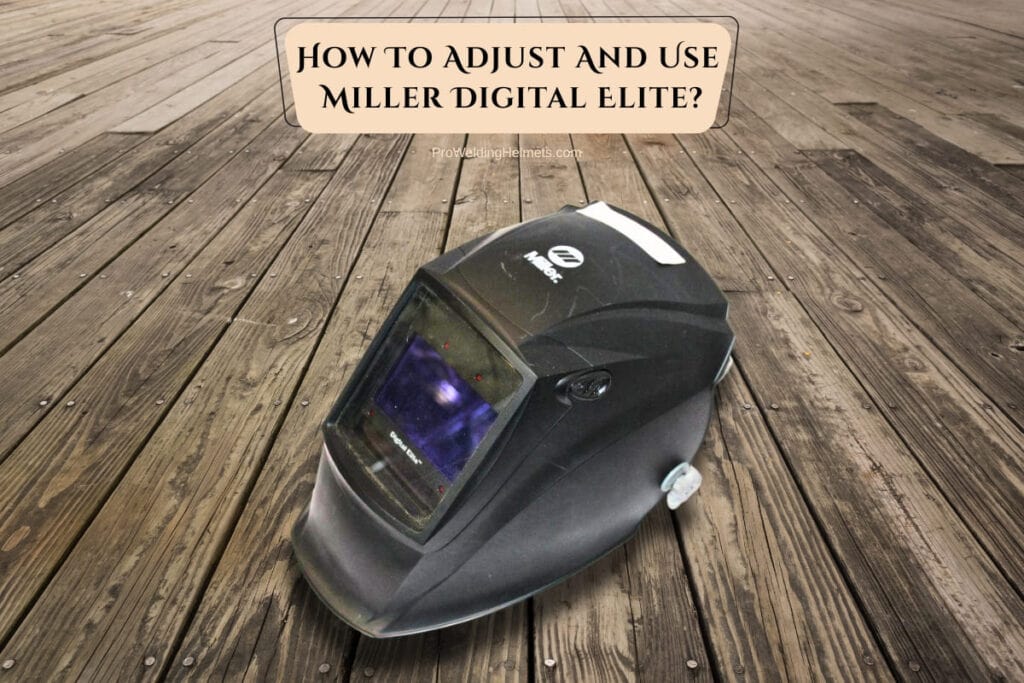
Welding helmets keep your eyes and face safe during work. Taking care of your helmet helps it work well.
Regular maintenance prevents damage and keeps the helmet ready for use. This guide explains how to maintain your helmet properly.
Cleaning And Storage Tips
Clean your helmet after each use. Dirt and sweat can reduce its protection and comfort.
Store the helmet in a dry, cool place. Avoid direct sunlight and heat to protect the materials.
- Use a soft cloth and mild soap to clean the outside.
- Do not use harsh chemicals or abrasive materials.
- Keep the helmet away from sharp objects to avoid scratches.
- Store in a helmet bag or box to prevent dust buildup.
Replacing Lenses And Batteries
Check lenses often for scratches or cracks. Damaged lenses reduce visibility and safety.
Replace batteries in auto-darkening helmets regularly. Low power can cause the lens to fail during welding.
- Follow the helmet manual for lens replacement steps.
- Use only lenses made for your helmet model.
- Remove old batteries and insert new ones carefully.
- Test the helmet after battery replacement to ensure proper function.
Inspecting For Damage
Look over your helmet before every use. Check for cracks, loose parts, or broken straps.
Damaged helmets do not protect well and can cause injury. Replace or repair parts as needed.
- Check the shell for cracks or deep scratches.
- Test the headgear for tightness and comfort.
- Make sure the lens frame fits securely and is not loose.
- Replace any worn or broken parts immediately.
Credit: proweldinghelmets.com
Correct Usage Techniques
Welding helmets protect your eyes and face from sparks and harmful light. Using them correctly keeps you safe in the workshop.
Learn how to adjust, position, and avoid errors with your welding helmet. This helps you work safely and comfortably.
Adjusting Helmet Settings
Set the helmet’s shade according to the welding type. Darker shades are for stronger light and brighter for weaker light.
Adjust the headband for a snug fit. Too loose or too tight can cause discomfort or poor protection.
- Change the shade setting based on the welding process
- Tighten the headband to fit securely around your head
- Use the sensitivity control to adjust auto-darkening speed
- Check the delay setting to control how long the lens stays dark
Positioning For Maximum Protection
Keep the helmet close to your face to block sparks and UV light fully. Hold your head steady while welding.
Wear the helmet so the lens covers your eyes completely. Look through the center of the lens for clear vision and safety.
- Position the helmet low enough to cover your eyes and face
- Keep your head still to avoid gaps in protection
- Look straight through the lens for the best view
- Check for cracks or damage before each use
Avoiding Common Mistakes
Do not weld without your helmet or lift it during welding. This exposes your eyes to bright light and sparks.
Don’t use a helmet with a cracked lens. Replace damaged parts to maintain protection.
- Never weld without wearing the helmet
- Do not lift the helmet while welding is active
- Replace cracked or scratched lenses immediately
- Keep the helmet clean for clear vision
Enhancing Workshop Safety
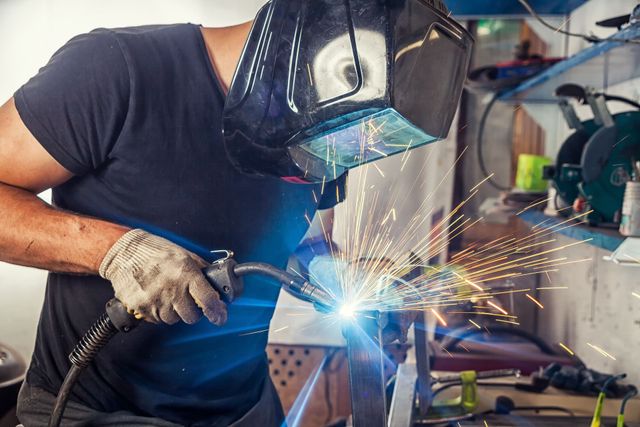
Welding can be dangerous without the right safety gear. Welding helmets protect your eyes and face from sparks and harmful light.
Using a welding helmet correctly helps prevent injuries and keeps your workshop safe for everyone.
Complementary Protective Gear
A welding helmet is just one part of your safety setup. Other protective gear keeps you safe from burns, cuts, and harmful fumes.
Wear the right gear to protect your whole body during welding tasks.
- Fire-resistant gloves to protect your hands
- Long-sleeve shirts and pants to shield your skin
- Safety boots to guard your feet from heavy objects
- Respirators to avoid breathing in harmful fumes
- Ear protection to reduce loud noise exposure
Safe Welding Practices
Follow safe steps to reduce risks while welding. Always check your helmet before starting work.
Keep your work area clean and free of flammable materials. Use proper ventilation to avoid smoke buildup.
- Inspect your welding helmet for cracks or damage
- Adjust helmet settings for the right shade and fit
- Keep sparks away from flammable materials
- Work in well-ventilated areas to avoid fumes
- Turn off equipment when not in use
Emergency Preparedness
Being ready for emergencies improves safety. Know what to do if an accident happens while welding.
Keep first aid supplies and fire extinguishers nearby. Train all workers on emergency steps.
- Have a fire extinguisher rated for electrical fires
- Keep a first aid kit within easy reach
- Know emergency phone numbers and exits
- Practice fire drills regularly
- Report any injuries immediately
Credit: www.kdarco.com
Frequently Asked Questions
What Are The Key Features Of A Welding Helmet?
A welding helmet protects your eyes and face from sparks, UV rays, and intense light. It usually has an auto-darkening filter and adjustable shade levels. These features ensure safety and comfort during welding tasks, reducing the risk of injuries and improving visibility.
How Do Welding Helmets Improve Workshop Safety?
Welding helmets prevent eye damage and skin burns caused by welding arcs. They shield against harmful radiation and flying debris. Using a helmet consistently minimizes accidents and promotes a safer working environment, ensuring welders can focus on their tasks without risking health issues.
When Should You Replace Your Welding Helmet?
Replace your welding helmet if the lens is cracked, the filter doesn’t darken properly, or the helmet’s shell is damaged. Regular inspection is crucial. Using a faulty helmet increases safety risks and reduces protection from harmful welding effects.
Can Welding Helmets Reduce Eye Strain During Work?
Yes, welding helmets with auto-darkening filters adjust lens shade instantly. This feature reduces eye strain from bright welding arcs. It improves focus and comfort, allowing welders to work longer without fatigue or discomfort.
Conclusion
Welding helmets protect your eyes and face from sparks and bright light. Always wear one to avoid injuries in the workshop. Choose a helmet that fits well and suits your welding type. Regularly check and clean your helmet for better safety.
Stay alert and follow safety rules every time you weld. Protect yourself to work with confidence and reduce risks. Safety starts with simple steps like using the right helmet. Keep your workshop a safe place for everyone.