Are you tired of tripping over your drill drivers or finding them in a tangled mess at the bottom of your toolbox? Proper storage isn’t just about keeping things tidy—it’s about safety and efficiency, too.
Imagine reaching for your drill driver and easily finding it, ready to use without any hassle. This not only saves you time but also keeps your workspace safer. You’ll discover simple yet effective ways to store your drill drivers safely.
Let’s dive into how you can transform your storage habits and enhance your DIY projects!
Choosing The Right Storage
Drill drivers are useful tools that need safe storage. Proper storage keeps them safe and easy to find.
Choosing the right storage helps protect your tools from damage. It also saves space in your work area.
Toolboxes And Cases
Toolboxes and cases keep your drill drivers safe from dust and drops. They are easy to carry and store.
Look for toolboxes with padded compartments. Cases with locks add extra security.
- Hard cases protect against impact
- Soft cases are lightweight and flexible
- Compartments keep accessories organized
Wall-mounted Racks
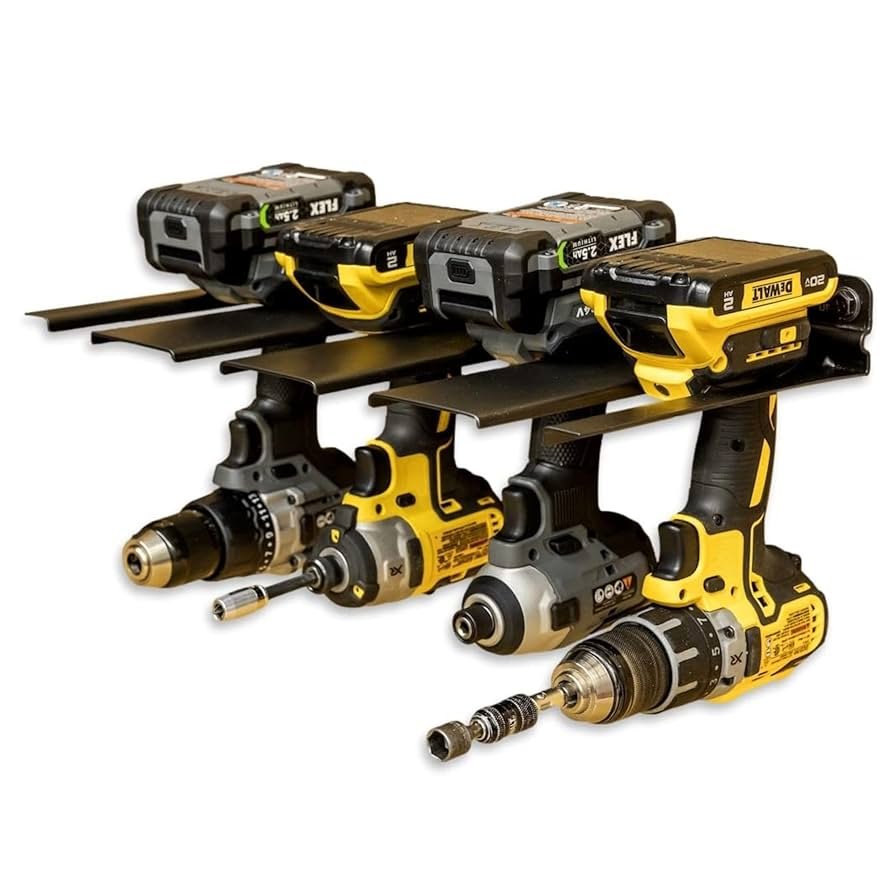
Wall-mounted racks save floor space and keep tools visible. Mount them at a reachable height for safety.
Racks with hooks or slots hold drill drivers firmly. They help keep your workspace neat and tidy.
- Metal racks offer strong support
- Wooden racks add a natural look
- Adjustable racks fit different tool sizes
Portable Storage Solutions
Portable storage lets you take your drill driver anywhere. These solutions are handy for work on the go.
Choose storage with handles and secure closures. Some have wheels for easy movement.
- Tool bags with padded pockets
- Rolling tool chests for heavy loads
- Compact cases for quick trips
Preparing Drill Drivers For Storage
Storing drill drivers correctly keeps them safe and working well. Taking time to prepare them helps avoid damage.
Follow simple steps to clean, remove batteries, and secure parts before storage. This protects your tools.
Cleaning And Maintenance
Clean the drill driver to remove dust and dirt. Dirt can cause parts to wear out faster.
Use a dry cloth to wipe the tool. Avoid water or harsh chemicals that can damage the drill.
- Brush out dust from vents and moving parts
- Wipe the exterior with a dry cloth
- Check for any rust or damage
Removing Batteries
Take out the batteries before storing the drill driver. Batteries can leak and cause damage if left inside.
Store batteries in a cool, dry place away from metal objects. This keeps them safe and lasts longer.
- Press the release button to remove the battery
- Keep batteries separate from the drill
- Store batteries at room temperature
Securing Loose Parts
Check for loose parts like bits or attachments. Secure them to prevent loss or damage during storage.
Use small containers or cases to keep these parts organized. Label them for easy finding later.
- Collect drill bits and small parts
- Use a labeled container or box
- Store the container with the drill driver
Organizing Your Drill Drivers
Keeping your drill drivers organized helps you find them quickly. It also protects them from damage.
Use simple methods to store your drill drivers safely. This guide covers labeling, compartments, and accessories.
Labeling And Sorting
Label each drill driver by size or type. Sorting them this way saves time during projects.
- Use clear, easy-to-read labels.
- Sort by size, power, or use.
- Keep labels visible on storage containers.
Using Compartments
Compartments keep drill drivers separated and safe. They prevent scratching and tangling.
| Compartment Type | Best For | Notes |
| Foam Inserts | Custom Fit Tools | Soft, protects from impact |
| Plastic Dividers | Multiple Small Drivers | Adjustable sizes |
| Drawer Organizers | Easy Access | Good for quick storage |
Keeping Accessories Together
Store drill bits and other accessories near your drivers. This keeps everything in one place.
- Use small boxes or cases for bits.
- Label accessory containers by type.
- Attach accessories to the drill driver case if possible.
Credit: www.ruffstuffspecialties.com
Protecting Against Environmental Damage
Drill drivers need proper care to last longer. Environmental damage can cause rust, dust build-up, and electrical problems. Storing your drill drivers safely protects them from these risks.
Simple storage methods help keep your tools in good shape. Focus on avoiding moisture, controlling temperature, and preventing dust.
Avoiding Moisture And Rust
Moisture causes rust and can damage drill drivers. Keep tools dry and away from water sources. Use moisture absorbers in storage areas to reduce dampness.
- Store drill drivers in sealed plastic cases
- Place silica gel packets or moisture absorbers nearby
- Wipe tools dry after use, especially if wet
- Avoid storing in basements or damp garages
Temperature Control
Extreme heat or cold can harm drill drivers. High temperatures may melt plastic parts. Cold can cause batteries to lose power quickly.
| Temperature Range | Effect on Drill Drivers |
| Below 32°F (0°C) | Batteries drain faster, plastic may crack |
| 32°F – 95°F (0°C – 35°C) | Safe for most storage conditions |
| Above 95°F (35°C) | Plastic parts soften, battery life shortens |
Dust Prevention
Dust blocks vents and damages motors in drill drivers. Keep tools covered and clean to prevent dust build-up.
- Use dust covers or store tools in closed boxes
- Clean tools regularly with a soft brush or cloth
- Keep storage areas clean and well-ventilated
Safety Tips For Handling And Storage
Drill drivers are useful tools that need careful handling. Storing them safely prevents accidents and damage.
Follow simple safety tips to keep your drill drivers secure and easy to find when needed.
Safe Placement
Place drill drivers in dry, clean areas to avoid rust and damage. Keep them off the floor to prevent tripping.
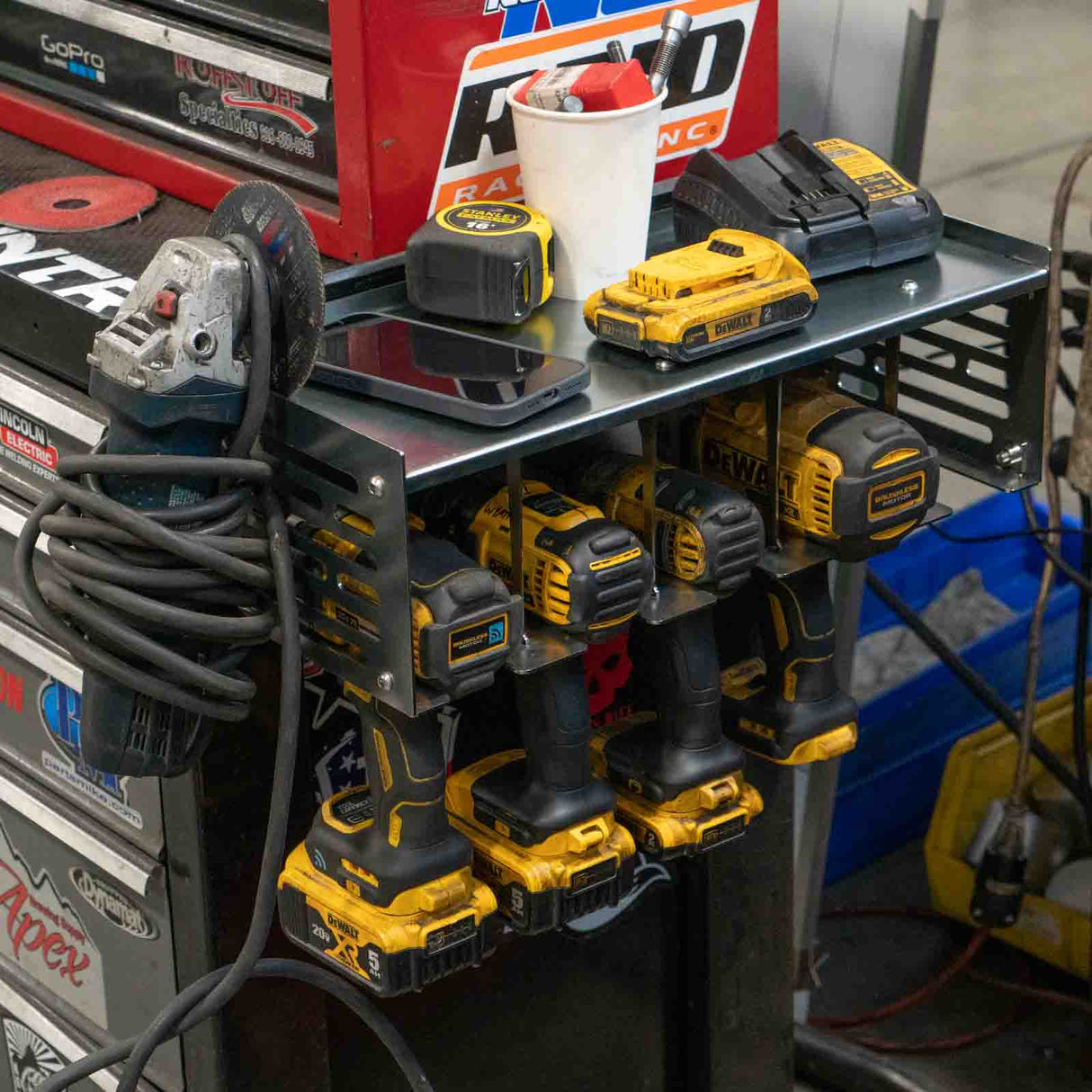
Use shelves or tool racks to store them properly. This keeps the workspace organized and safe.
- Store drill drivers in a sturdy toolbox or case
- Keep cords untangled and away from walkways
- Place tools in areas with good lighting
Childproofing Storage Areas
Keep drill drivers where children cannot reach them. Use locked cabinets or high shelves for storage.
Teach children that tools are not toys. This helps reduce accidents at home.
- Use childproof locks on tool cabinets
- Store tools out of sight and reach
- Label storage areas clearly
Regular Inspections
Check your drill drivers often for damage or wear. Fix or replace parts to keep them safe to use.
Inspect storage areas for cleanliness and order. This helps keep tools ready and safe.
- Look for loose parts or frayed cords
- Clean tools after each use
- Keep storage areas dry and dust-free

Credit: www.popularmechanics.com

Credit: www.thomasdoit.com
Frequently Asked Questions
How Should I Clean Drill Drivers Before Storage?
Always wipe drill drivers with a dry cloth to remove dust and debris. Avoid moisture to prevent rust. Clean bits separately and store them in a dry case for better protection.
What Is The Best Container For Storing Drill Drivers?
Use a sturdy, portable toolbox or a plastic case with compartments. Ensure it has padding to prevent damage. Proper containers keep drill drivers organized, safe, and easy to access.
Can Drill Drivers Be Stored Outdoors Safely?
No, storing drill drivers outdoors risks exposure to moisture and dirt. Always store them indoors in a dry, cool place to maintain performance and longevity.
How Do I Prevent Battery Damage During Drill Driver Storage?
Remove batteries from the drill driver before storing. Store batteries in a cool, dry place and avoid extreme temperatures. This extends battery life and keeps them safe.
Conclusion
Storing drill drivers safely protects them and extends their life. Keep them dry, clean, and in a secure place. Use cases or wall mounts to avoid damage. Regular checks help spot issues early. Proper storage saves money and time later.
Stay organized and work smarter every day. Safe tools mean smooth projects and less worry. Simple steps make a big difference in tool care. Your drill drivers will stay ready for any job.