Are you tired of rummaging through your cluttered toolbox every time you need a hand drill? If so, you’re not alone.
Organizing your hand drills by battery type can save you time, frustration, and even money in the long run. Imagine knowing exactly where each drill is and having the right battery on hand when you need it. In this guide, you’ll discover simple yet effective ways to categorize your tools, making your DIY projects smoother than ever.
By the end of this article, you’ll not only have a tidy workspace but also a newfound efficiency that will make your next project a breeze. Let’s dive into the easy steps to transform your tool collection today!
Choosing Storage By Battery Type
Hand drills come with different power sources. Choosing the right storage helps keep them safe and ready to use. Battery type affects how you should store your drill and its batteries.
This guide explains how to organize hand drills by battery type. Learn the best ways to store cordless and corded drills. Also, find tips for caring for lithium-ion and older battery types.
Cordless Vs Corded Drills
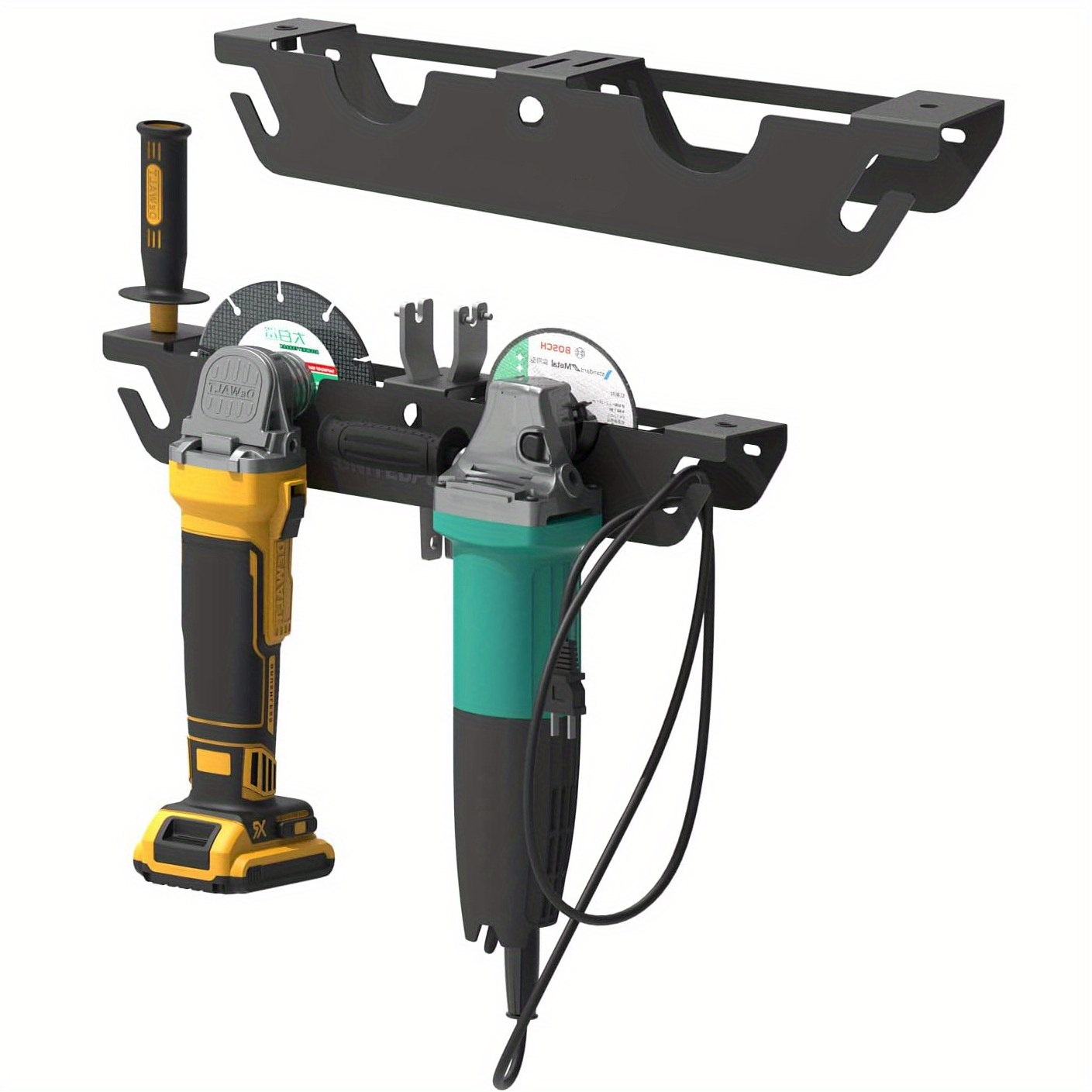
Corded drills plug directly into power outlets. They do not need batteries, so storage is simpler. Keep them in a dry place, and coil the cord neatly to avoid damage.
Cordless drills use batteries. You must store batteries properly to keep them working well. Store the drill and its batteries separately if possible. This prevents accidental damage and extends battery life.
Lithium-ion Battery Storage
Lithium-ion batteries are common in modern cordless drills. They last longer and need special care. Store these batteries in a cool, dry place away from direct sunlight.
- Keep batteries at about 40% charge for storage
- Avoid storing fully charged or fully drained batteries
- Use original cases or plastic containers to protect batteries
- Check batteries monthly and recharge if needed
- Do not expose batteries to extreme heat or cold
Nicd And Nimh Battery Care
| Battery Type | Storage Tips | Charge Level | Temperature |
| NiCd (Nickel-Cadmium) | Store in a dry place, avoid memory effect | Fully charged | Cool, room temperature |
| NiMH (Nickel-Metal Hydride) | Store in cool place, avoid deep discharge | Partially charged (40-60%) | Cool, avoid freezing |
NiCd batteries need full charges to prevent memory effect. NiMH batteries last longer if stored partially charged. Both types benefit from regular use and avoiding full discharge during storage.
Credit: www.temu.com
Designing Your Storage Space
Organizing hand drills by battery type helps keep your workspace tidy. It also makes it easier to find the right drill quickly.
Design your storage space to separate drills and batteries. This avoids mixing different battery types and keeps everything safe.
Wall-mounted Solutions
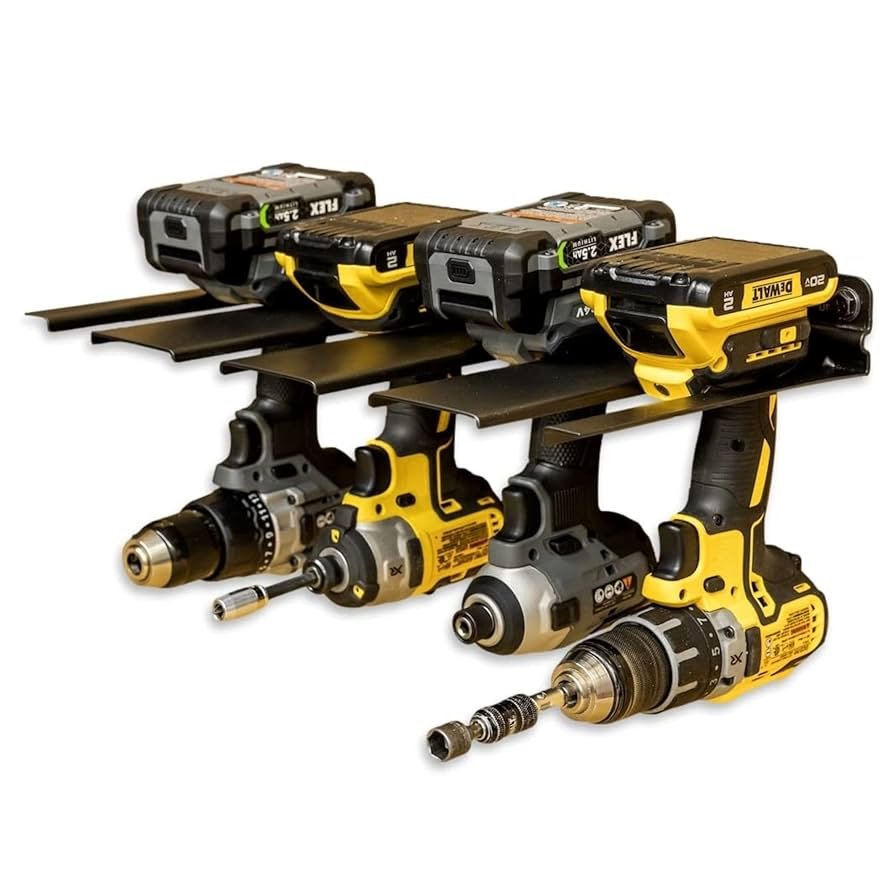
Wall-mounted racks save floor space and keep drills visible. You can arrange drills by battery type for quick access.
Use hooks or shelves made for power tools. Label each section with battery type to avoid confusion.
- Install sturdy hooks for hanging drills
- Add small shelves for batteries
- Label each space with battery type
- Keep frequently used drills at eye level
Portable Storage Options
Portable cases and boxes help you carry drills to different jobs. Sort drills by battery type inside the cases.
Use dividers or compartments to keep batteries separate. This prevents damage and keeps tools organized on the go.
- Choose cases with adjustable compartments
- Use foam inserts to protect drills
- Label compartments by battery type
- Keep chargers and cables inside the case
Dedicated Battery Charging Stations
Set up a charging station just for batteries. Group batteries by type to avoid using wrong chargers.
Keep the station clean and well-lit. Use shelves or trays to hold batteries while charging.
- Use separate chargers for each battery type
- Label chargers and battery slots clearly
- Keep a timer or reminder to avoid overcharging
- Place station near power outlets
Labeling And Categorizing
Organizing hand drills by battery type helps you find the right tool fast. Labeling and sorting batteries keeps your workspace tidy.
Clear labeling avoids confusion and saves time. Good organization also protects batteries from damage.
Color Coding Batteries
Use different colors to mark battery types. This makes it easy to spot the battery you need at a glance.
Choose bright colors for quick identification. Stick colored labels or tape on each battery.
- Red for lithium-ion batteries
- Blue for nickel-cadmium batteries
- Green for nickel-metal hydride batteries
Using Clear Containers
Store batteries in clear boxes or bins. This helps you see what type is inside without opening containers.
Label each container with the battery type and voltage. Keep similar batteries together to avoid mixing.
- Use stackable clear bins for space saving
- Add dividers for different battery sizes
- Keep containers in a cool, dry place
Inventory Management Tips
Track the number of batteries you have for each type. This helps you know when to buy more or use older batteries first.
Keep a simple inventory list on paper or digitally. Update it every time you add or remove batteries.
- Note battery type, charge level, and purchase date
- Use first-in, first-out system to avoid expired batteries
- Check batteries regularly for damage or leaks

Credit: www.reddit.com
Safety And Maintenance
Organizing hand drills by battery type helps keep your tools safe and working well. Proper care prevents accidents and extends battery life.
Understanding how to handle different batteries is key. Follow safety and maintenance tips to protect your drills and yourself.
Avoiding Battery Damage
Keep batteries away from water and extreme heat. Avoid dropping or hitting them to prevent damage.
Always use the charger made for your battery type. Charging with the wrong charger can cause fires or shorten battery life.
- Store batteries in a dry place
- Do not force batteries into tools
- Remove batteries if storing drills long-term
- Charge batteries fully before storage
Proper Ventilation
Batteries get warm while charging or during use. Keep drills and batteries in well-ventilated areas to avoid overheating.
Never charge batteries inside closed boxes or bags. Heat buildup can cause damage or safety hazards.
- Charge batteries on a hard, flat surface
- Avoid covering batteries while charging
- Keep drills away from direct sunlight
- Allow tools to cool between uses
Regular Inspection Routines
Check batteries and drills often for signs of wear or damage. Look for cracks, leaks, or corrosion on battery terminals.
Replace damaged batteries immediately. Clean battery contacts regularly to keep good connections.
- Inspect batteries before and after use
- Wipe contacts with a dry cloth
- Test battery charge level often
- Keep a log of battery condition and use
Maximizing Accessibility
Organizing hand drills by battery type helps you find the right tool fast. It saves time and keeps your workspace tidy.
Good organization also protects your drills and batteries. You can easily pick the drill you need for each job.
Quick Access Techniques
Place hand drills where you can grab them fast. Use wall hooks or open shelves near your work area.
Label each spot by battery type to avoid confusion. Clear labels help you spot drills quickly.
- Use pegboards with battery type tags
- Keep chargers near drills for easy access
- Store drills at eye level for fast reach
Organizing By Frequency Of Use
Put your most-used drills in front or at the top of storage. Less used drills go in the back or lower shelves.
Sort drills by battery type and use frequency. This way, you grab popular drills fast without searching.
- Daily use drills near the workspace
- Weekly use drills in middle storage
- Rarely used drills stored safely away
Utilizing Modular Storage Systems
Modular storage lets you change layouts as your drill collection grows. Use stackable bins or drawers by battery type.
Modular systems keep drills and batteries separated but close. This stops mix-ups and improves safety.
- Stackable bins labeled by battery size
- Drawer inserts for drill and battery pairs
- Custom compartments for chargers and accessories

Credit: www.amazon.ca
Frequently Asked Questions
How Do I Sort Hand Drills By Battery Type?
Sort hand drills by checking their battery labels. Group drills with similar batteries together for easy access. This helps avoid mixing incompatible batteries and simplifies charging and maintenance.
What Are The Benefits Of Organizing Drills By Battery?
Organizing drills by battery type improves efficiency. It speeds up tool selection and prevents battery damage. Proper storage also extends battery life and enhances workplace safety.
Can I Mix Different Battery Types In One Storage?
No, mixing different battery types can cause damage. Store each battery type separately to avoid chemical leaks or performance issues. Proper segregation ensures tool safety and longevity.
How Should I Label Hand Drills For Better Organization?
Label drills with battery type and voltage on visible spots. Use clear tags or color codes for quick identification. This system reduces confusion and saves time during projects.
Conclusion
Organizing hand drills by battery type saves time and effort. You find the right drill quickly. It keeps your workspace neat and safe. Sorting by battery also helps you keep track of charging. Your drills stay ready for any project.
This simple system makes your work easier. Try this method to enjoy a smooth workflow. It’s a small step with big benefits.