
Are those small trees in your yard looking a bit overgrown? You might be wondering how to manage them without causing damage or injury.
You’re not alone. Many homeowners face the same challenge and worry about cutting back small trees safely. Imagine the satisfaction of transforming your outdoor space into a neatly trimmed haven, all while keeping safety top of mind. In this guide, you’ll discover simple yet effective techniques to prune small trees without the hassle.
With the right approach, you can enhance your garden’s beauty and ensure the health of your trees. Ready to take control of your yard? Let’s dive into the essential steps you need to know.
Choosing The Right Tools
Cutting back small trees needs the right tools to do the job safely and well.
Using the proper equipment helps you cut cleanly and avoid injuries.
Hand Pruners And Loppers
Hand pruners work well for small branches up to ¾ inch thick. Loppers cut thicker branches up to 2 inches.
- Choose sharp blades for clean cuts
- Pick a comfortable handle with good grip
- Use bypass pruners for live branches
- Use anvil pruners for dead wood only
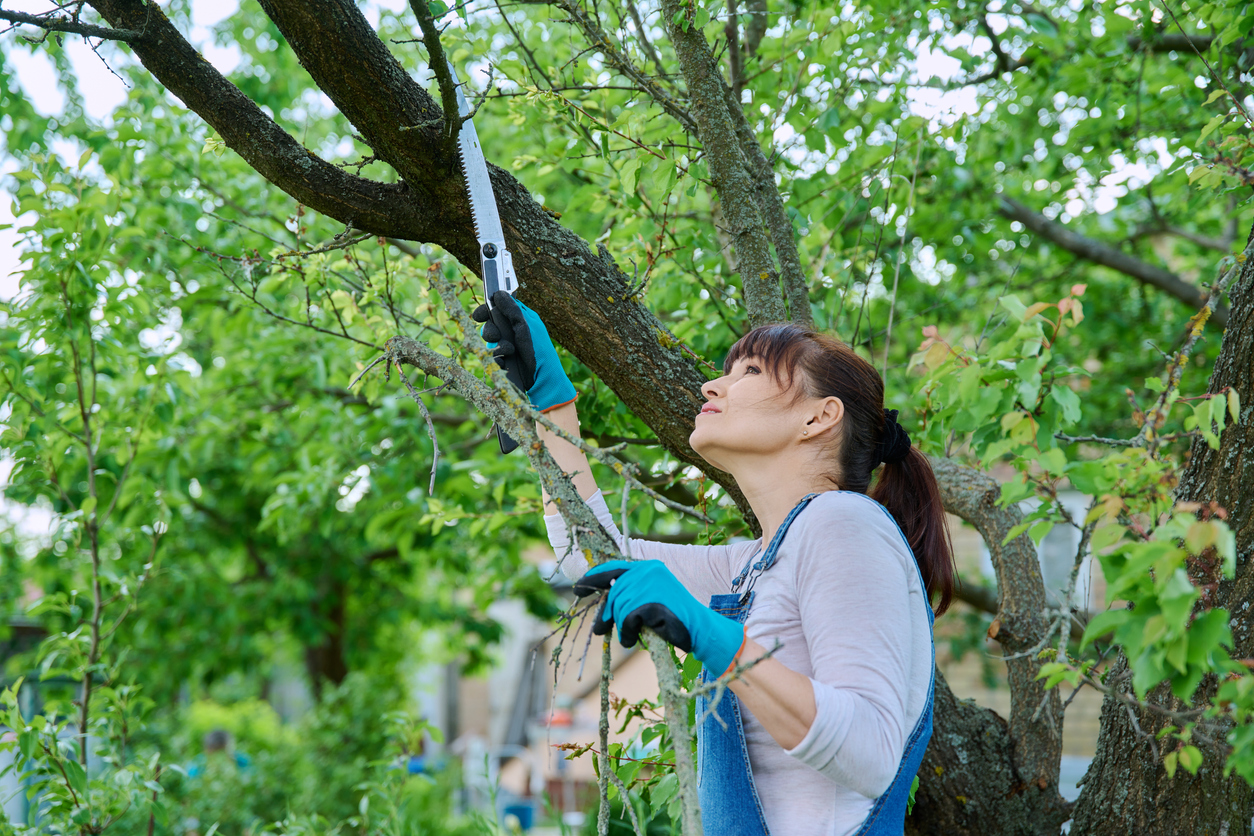
Using A Pruning Saw
Pruning saws cut branches that are too thick for pruners or loppers. They come in different shapes and sizes.
| Type | Best For | Blade Length |
| Straight Saw | Thicker branches | 8 to 12 inches |
| Curved Saw | Branches in hard spots | 6 to 10 inches |
| Folding Saw | Easy carrying and storage | 6 to 9 inches |
Safety Gear Essentials
Wear safety gear to protect yourself from cuts and falling debris.
- Gloves to protect your hands
- Safety glasses to shield your eyes
- Long sleeves to guard your arms
- Sturdy shoes for good footing
Assessing The Tree And Surroundings
Cutting back small trees is a task that needs care and planning. Before you start, you must check the tree and the area around it. This helps you work safely and avoid problems.
Look closely at the tree and the space nearby. This will help you decide the best way to cut the tree back without causing damage or injury.
Checking Tree Health
Look at the tree’s branches, leaves, and trunk. Healthy trees have green leaves and strong branches. Dead or weak parts can be dangerous to cut.
Check for signs of disease or pests. These can make the tree weak and unsafe to work on. Avoid cutting if the tree looks unhealthy.
- Look for green, lively leaves
- Check branches for cracks or rot
- See if the trunk is firm and solid
- Notice any unusual spots or holes
Identifying Hazards
Look around the tree for things that could cause harm. Power lines, buildings, and people nearby are risks. Plan to keep them safe while you cut.
Check the ground for uneven spots or obstacles. These can make you trip or lose your balance. Clear the area if needed before starting work.
- Note any power lines close to the tree
- Look for nearby structures or fences
- Check for people or pets in the area
- Examine the ground for holes or rocks
Planning Your Cuts
Decide where to make cuts before you start. Plan to remove dead or unwanted branches first. Make cuts that keep the tree healthy and balanced.
Think about how branches will fall. Clear space for them to drop safely. Use tools that fit the size of the branches you will cut.
- Mark branches to remove
- Cut smaller branches before larger ones
- Choose tools like hand pruners or saws
- Plan a clear path for falling branches
Safe Cutting Techniques
Cutting back small trees is important for their health and safety. Using the right techniques helps prevent accidents and damage.
Knowing how to cut properly keeps you safe and helps the tree grow strong. Follow these steps for safe cutting.
Making The Undercut
Start by making an undercut on the side of the tree facing the fall direction. Cut about a third of the way through the trunk.
This cut stops the bark from tearing when the tree falls. It also guides the tree to fall in the right way.
- Make the cut about 12 to 18 inches from the ground
- Cut upward at a 45-degree angle
- Stop when you reach one-third of the trunk depth
Executing The Top Cut
Make the top cut a few inches above the undercut. Cut straight across the trunk from the opposite side.
Cut slowly to control the tree’s fall. Stop cutting when the tree begins to lean and falls safely.
- Start cutting a few inches above the undercut
- Cut straight and level across the trunk
- Leave a hinge of uncut wood to guide the fall
- Step back as the tree falls
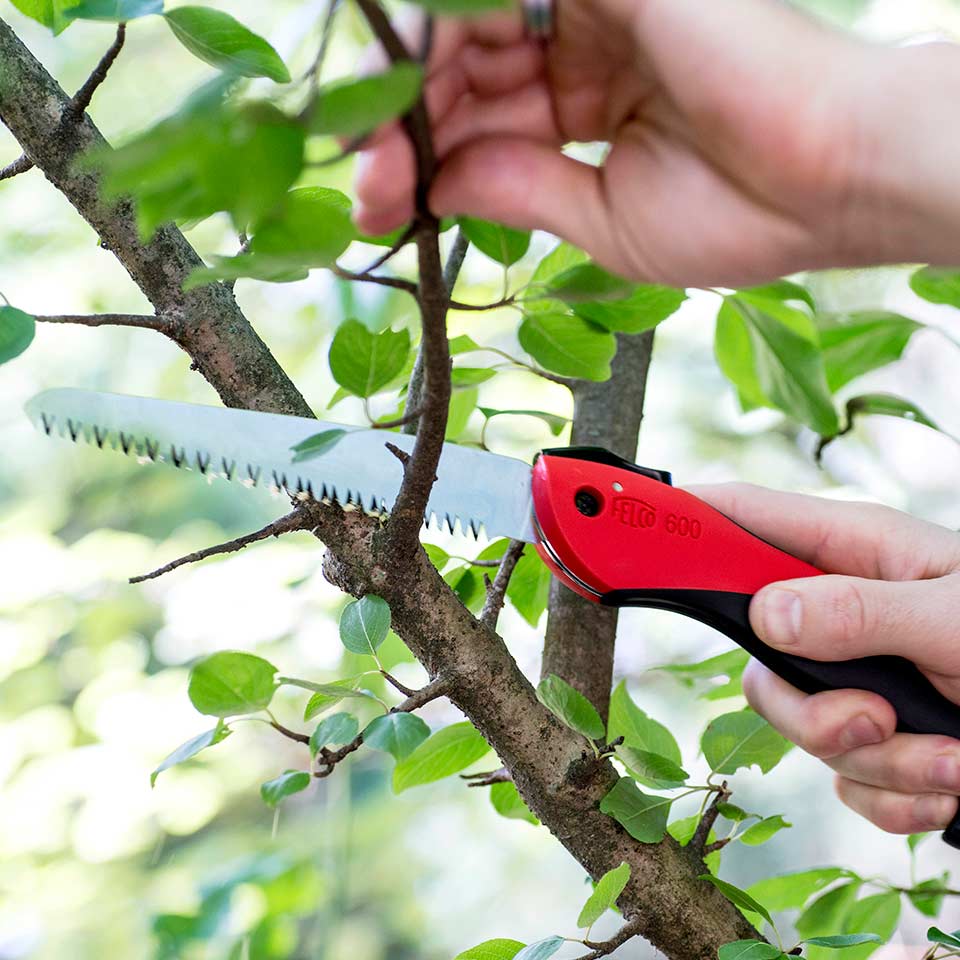
Removing Branches Properly
Remove branches carefully to avoid injury and damage. Cut smaller branches first to clear the area.
Use clean cuts near the branch collar to help the tree heal. Avoid tearing the bark or leaving stubs.
- Start with small branches at the bottom
- Cut just outside the branch collar
- Use sharp tools for clean cuts
- Wear protective gear like gloves and goggles
Credit: www.leaflimb.com
Disposal And Cleanup
Cutting back small trees creates a lot of branches and leaves. You must clean up carefully to keep the area safe and tidy.
Proper disposal of cuttings helps prevent pests and keeps your yard healthy. Use safe methods to clear debris and avoid injuries.
Handling Cuttings
Gather all branches and leaves into piles before moving them. This makes disposal easier and stops debris from spreading.
- Use gloves to protect your hands from sharp twigs.
- Cut large branches into smaller pieces to fit in bags or bins.
- Sort green waste from trash to recycle or compost properly.
- Use a wheelbarrow to carry heavy cuttings safely.
- Check local rules for yard waste disposal or pick-up days.
Preventing Injuries During Cleanup
Cleanup can be risky. Follow safety steps to avoid cuts, trips, and strains while clearing tree debris.
| Safety Tip | Reason |
|---|---|
| Wear sturdy gloves | Protects hands from sharp branches and splinters |
| Use safety glasses | Prevents eye injuries from flying debris |
| Clear walkways first | Reduces risk of tripping and falling |
| Lift with your legs | Avoids back strain when moving heavy cuttings |
| Take breaks often | Prevents fatigue and loss of focus |
Preventing Future Overgrowth
Cutting back small trees helps keep them healthy and neat. It stops branches from growing too long or thick.
Proper care today means less work and safer trees later. Let’s look at ways to avoid future overgrowth.
Regular Pruning Schedule
Set a pruning schedule to keep trees in shape. This reduces crowded branches and poor air flow.
- Prune young trees every 1-2 years
- Remove dead or weak branches each season
- Trim branches that cross or rub together
- Cut back shoots that grow too fast or in wrong directions
- Use clean, sharp tools to avoid damage
Promoting Healthy Growth
Pruning helps trees grow strong. It lets sunlight reach inside and air move freely.
| Pruning Benefit | Effect on Tree |
| Remove Dead Wood | Prevents disease and pests |
| Thin Crowded Branches | Improves air circulation |
| Shape Tree | Supports balanced growth |
| Cut Back Fast Shoots | Controls size and spread |

Credit: texastreesurgeons.com
Credit: chopmytree.com
Frequently Asked Questions
How Do I Safely Cut Back Small Trees?
Wear protective gear, use sharp tools, and cut branches gradually. Avoid cutting large limbs all at once to prevent damage and accidents.
What Tools Are Best For Trimming Small Trees?
Use pruning shears for thin branches, loppers for medium limbs, and a handsaw for thicker parts. Ensure tools are clean and sharp.
When Is The Best Time To Trim Small Trees?
Late winter or early spring is ideal before new growth starts. Avoid trimming during heavy sap flow or extreme weather conditions.
How Much Should I Cut Back Small Trees?
Remove no more than 25% of the tree’s branches at one time to maintain health and avoid stress on the tree.
Conclusion
Cutting back small trees needs care and the right tools. Always wear safety gear and plan your cuts. Take your time and cut branches in small sections. Keep the tree healthy by not cutting too much at once. Regular trimming helps trees grow strong and look good.
Practice these steps to work safely and confidently. Your small trees will stay healthy and neat. Simple actions make a big difference in tree care.
