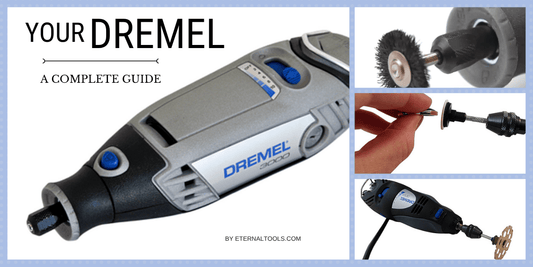
Have you ever looked at a beautifully polished piece of metal or an intricately engraved design and thought, “I wish I could do that”? Well, with the right rotary tool and a little guidance, you can!
Whether you’re a DIY enthusiast or a budding artist, mastering the use of a rotary tool for polishing and engraving can open up a world of creative possibilities. Imagine transforming dull surfaces into shiny works of art or personalizing everyday items with unique designs.
You’ll discover essential tips that can help you harness the full potential of your rotary tool, turning your creative visions into reality. Don’t miss out on unlocking these secrets that could elevate your projects from ordinary to extraordinary!
Choosing The Right Rotary Tool
Rotary tools are great for polishing and engraving small projects. Picking the right tool makes work easier and results better.
Consider your project needs and tool features. This helps find a tool that fits your tasks well.
Types Of Rotary Tools
There are several kinds of rotary tools. Each type suits different uses and skill levels.
- Corded Rotary Tools:These plug into power outlets. They offer steady power for long tasks.
- Cordless Rotary Tools:Battery powered for easy movement. Good for quick jobs and places without outlets.
- Variable Speed Rotary Tools:Allow speed adjustment. Useful for different materials and detail work.
- Precision Rotary Tools:Small and light for fine engraving and delicate polishing.
Essential Attachments For Polishing And Engraving
Choosing the right attachments helps you polish and engrave well. Different attachments serve different purposes.
- Polishing Pads:Soft pads used with polishing compounds to smooth surfaces.
- Grinding Stones:Hard attachments for shaping and engraving hard materials.
- Cutting Discs:Thin discs for cutting and detailed engraving.
- Brush Attachments:Wire or nylon brushes clean and polish tough spots.
- Sanding Drums:Cylindrical sanding tools for smoothing uneven areas.
Preparing Your Workspace
Setting up your workspace is key before using a rotary tool for polishing and engraving. A clean and organized area helps you work better and safer.
Make sure you have enough light and a sturdy surface. This will keep your tools steady and your project clear to see.
Safety Precautions
Safety is very important when using a rotary tool. Wear protective gear to avoid injuries and keep your workspace safe.
Use safety glasses to protect your eyes from dust and small debris. Gloves can protect your hands from sharp edges and heat.
- Wear safety glasses and gloves
- Keep the area well-ventilated
- Secure loose clothing and hair
- Use a dust mask if needed
- Keep a first aid kit nearby
Organizing Tools And Materials
Organize all your tools and materials before you start. This saves time and helps you focus on your work.
Arrange your rotary tool, polishing bits, engraving bits, and cleaning supplies in easy reach. Use containers or trays to keep small parts tidy.
- Place rotary tool on a stable surface
- Sort polishing and engraving bits by size
- Keep cleaning cloths and brushes handy
- Have extra materials nearby for quick access
- Clear away anything not needed
Polishing Techniques
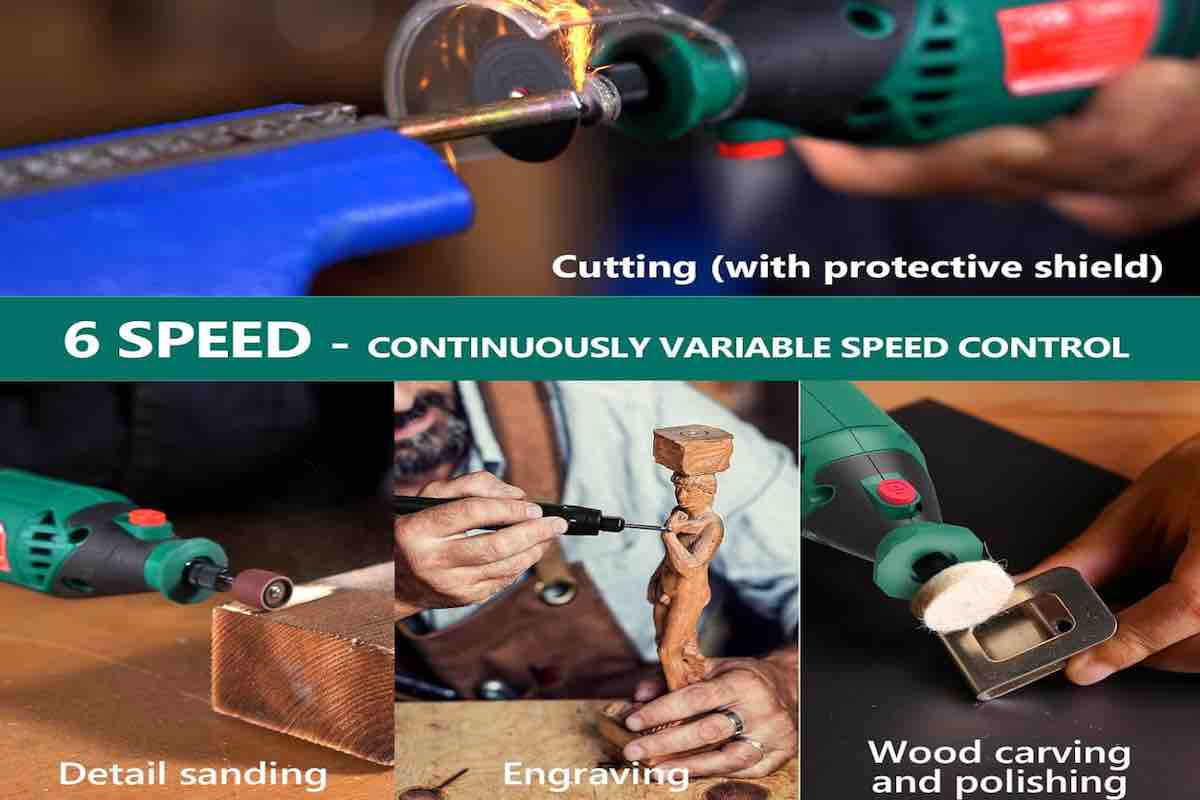
Using a rotary tool for polishing can make your projects shine. It helps remove scratches and adds a smooth finish.
Good polishing needs the right tools and a careful process. This guide shows key tips to polish well with a rotary tool.
Selecting The Correct Polishing Bits
Choosing the right polishing bit affects your final result. Bits come in many shapes and materials for different surfaces.
Soft felt or cloth bits work well for gentle polishing. Wool bits remove light scratches. Rubber bits fit curved areas.
- Felt bits: best for fine polishing on metal or plastic
- Wool bits: remove small scratches before final polish
- Rubber bits: ideal for curved or hard-to-reach spots
- Foam bits: used with polish compounds for smooth shine
Step-by-step Polishing Process
Start by cleaning the surface to remove dust and dirt. This prevents scratches during polishing.
Attach the correct polishing bit to your rotary tool. Work at a low to medium speed for control.
- Hold the tool steadily and move it in small circles
- Apply light pressure to avoid damaging the surface
- Keep the tool moving to prevent heat buildup
- Use polish compound on the bit for better shine
- Wipe the surface between sessions to check progress
Tips For Achieving A Smooth Finish
Use several polishing bits in order, starting with coarser ones and ending with fine bits. This creates a smooth surface.
Clean bits often to avoid spreading dirt. Replace worn bits to keep polishing effective.
- Polish in a well-lit area to see scratches clearly
- Test on a small area before full polishing
- Wear safety glasses to protect your eyes
- Work slowly for the best control and finish
- Finish with a soft cloth to buff the surface
Credit: tendsupplies.com
Engraving Methods
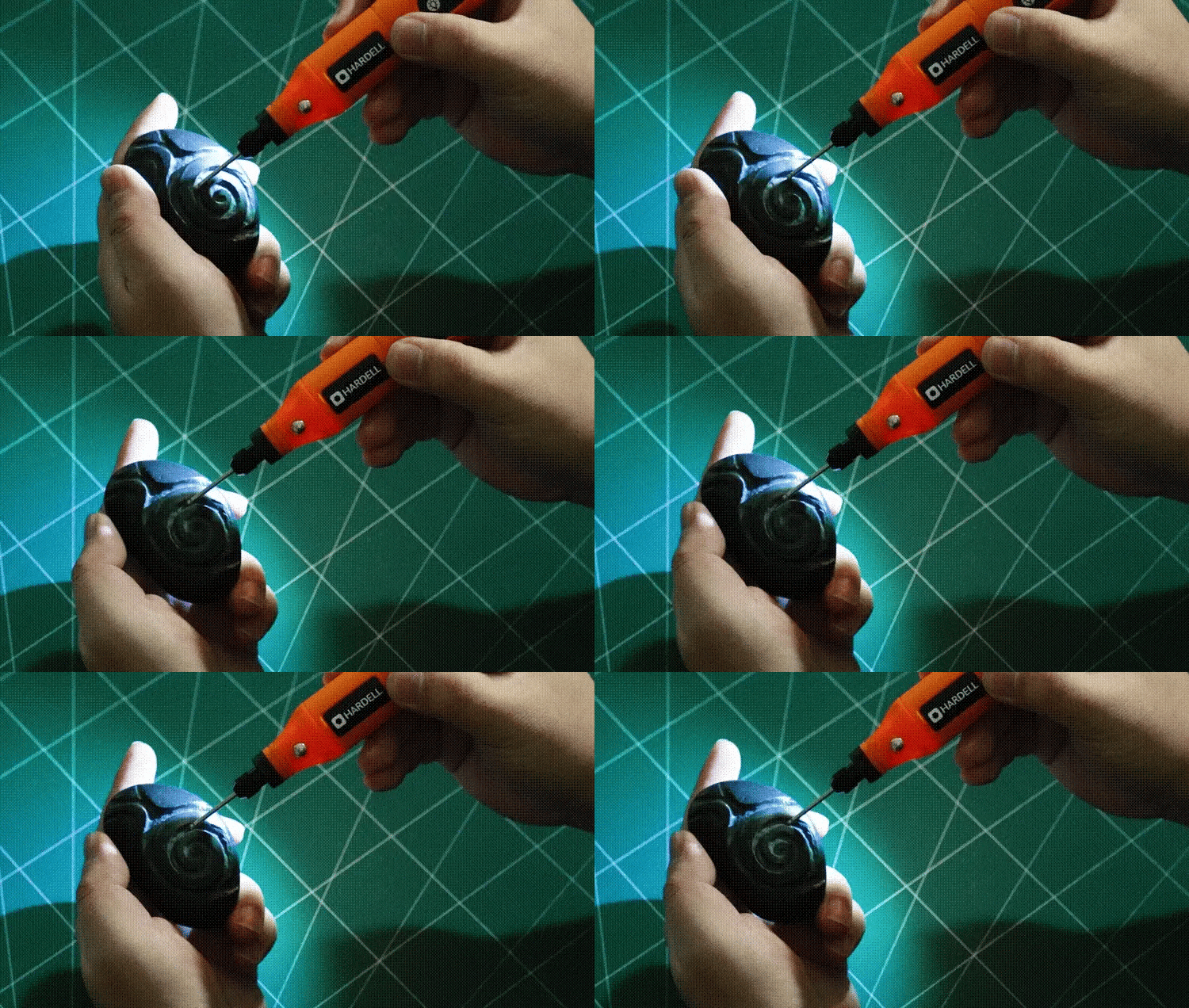
Using a rotary tool for engraving requires skill and the right tools. The right bits and techniques can improve your work. This guide covers key tips to get the best results.
Learn how to choose engraving bits, transfer your design, and control the depth and details of your engraving. These tips help create clean and precise engravings.
Choosing Engraving Bits
Selecting the correct bit makes a big difference in your engraving work. Different bits suit various materials and designs. Use bits that match your project needs for smooth results.
- Diamond-tipped bits work well on glass and stone.
- Carbide bits are good for metal and hard plastics.
- High-speed steel bits suit wood and softer materials.
- Fine point bits allow detailed and delicate lines.
- Wide or rounded bits help with shading or larger areas.
Design Transfer Tips
Transferring your design accurately onto the workpiece is important. You can use tracing, stencils, or printed guides to help. Keep the design clear for precise engraving.
| Transfer Method | Best For | Notes |
|---|---|---|
| Carbon Paper | Wood, metal, leather | Easy and low cost |
| Stencil | Plastic, glass | Reusable and precise |
| Printed Guide | Flat surfaces | Use tape to hold in place |
| Direct Sketch | Simple designs | Draw lightly with pencil |
Controlling Depth And Detail
Control the speed and pressure to manage depth and detail in your engraving. Practice on scrap material to get a feel for the tool. Slow movements help with fine details.
- Start with light pressure to outline your design.
- Use steady, slow motions for detailed areas.
- Increase pressure gradually for deeper cuts.
- Adjust tool speed to match material hardness.
- Pause to check progress and avoid mistakes.
Maintaining Your Rotary Tool
Keeping your rotary tool in good shape helps it work well for a long time. Regular care prevents damage and saves money.
Two key parts of maintenance are cleaning and storage, and replacing worn parts. These steps keep your tool safe and ready to use.
Cleaning And Storage
After each use, clean your rotary tool to remove dust and debris. Dirt can cause the tool to overheat or stop working.
- Unplug the tool before cleaning.
- Use a soft brush to remove dust from vents and surfaces.
- Wipe the tool with a dry cloth; avoid water or liquids.
- Store the tool in a dry, cool place to prevent rust.
- Keep accessories in a separate container to avoid damage.
Replacing Worn Parts
Worn parts reduce the tool’s performance and can be unsafe. Check parts often and replace them if they show signs of wear.
| Part | Signs It Needs Replacement | Replacement Frequency |
| Grinding Bits | Rounded edges or cracks | After heavy use or visible damage |
| Carbon Brushes | Short length or sparking | Every 6 months or if sparking |
| Collets | Loose grip on bits | When bits slip during use |
| Power Cord | Fraying or exposed wires | Immediately if damaged |
Credit: hardell.com
Common Mistakes To Avoid
Using a rotary tool for polishing and engraving can be easy. Avoiding some common mistakes helps you get better results. Keep your tool safe and your work neat by learning what to watch out for.
Two mistakes often cause problems: overheating the tool and applying too much pressure. Knowing how to avoid these can improve your experience and the quality of your work.
Overheating The Tool
Rotary tools can get very hot if used for a long time without breaks. Overheating can damage the motor and reduce the tool’s life. It can also make your work less precise.
To avoid overheating, use the tool in short bursts. Let it cool down between uses. Check the tool’s temperature often while working.
- Work in short sessions, about 10-15 minutes
- Pause to let the tool cool if it feels hot
- Keep the vents clear of dust and debris
- Use the right speed for the task
Applying Excessive Pressure
Pressing too hard on the rotary tool can harm both the tool and the project. It can cause uneven polishing or engraving. The tool may also slow down or stop.
Let the rotary tool do the work. Use gentle, steady pressure to get smooth results. Too much force can break bits or ruin your surface.
- Hold the tool lightly, not tightly
- Move the tool smoothly over the surface
- Change bits if you need more control
- Check your progress often to avoid damage

Credit: device.report
Frequently Asked Questions
What Rotary Tool Speed Is Best For Polishing?
A medium speed setting works best for polishing with a rotary tool. Too high speed may damage the surface. Start slow and increase speed gradually for a smooth finish. Adjust speed based on the material you’re polishing for optimal results.
How To Choose Polishing Attachments For Rotary Tools?
Select polishing attachments based on the surface and material type. Felt wheels are great for metals, while foam pads suit plastics. Use the right grit polishing compound with your attachments for best shine. Always match the accessory size to your rotary tool’s specifications.
Can Rotary Tools Engrave On All Materials?
Rotary tools can engrave wood, metal, glass, and plastic effectively. Harder materials like stone require special bits and lower speeds. Always test on a small area first to ensure clean engraving. Proper bits and speed settings prevent damage to your project.
How To Prevent Overheating During Rotary Tool Use?
To prevent overheating, use the tool in short intervals with breaks. Keep the tool moving steadily to avoid heat buildup on one spot. Use the correct speed and pressure for the material. Proper ventilation also helps maintain a safe temperature.
Conclusion
Using a rotary tool for polishing and engraving takes practice. Start with simple projects to build your skills. Always choose the right attachment for each task. Keep your tool steady and work slowly for best results. Safety matters—wear eye protection and work in a clean space.
With patience, your work will look smooth and detailed. Enjoy the process and keep experimenting with new techniques. Your projects will improve with each use of the rotary tool.