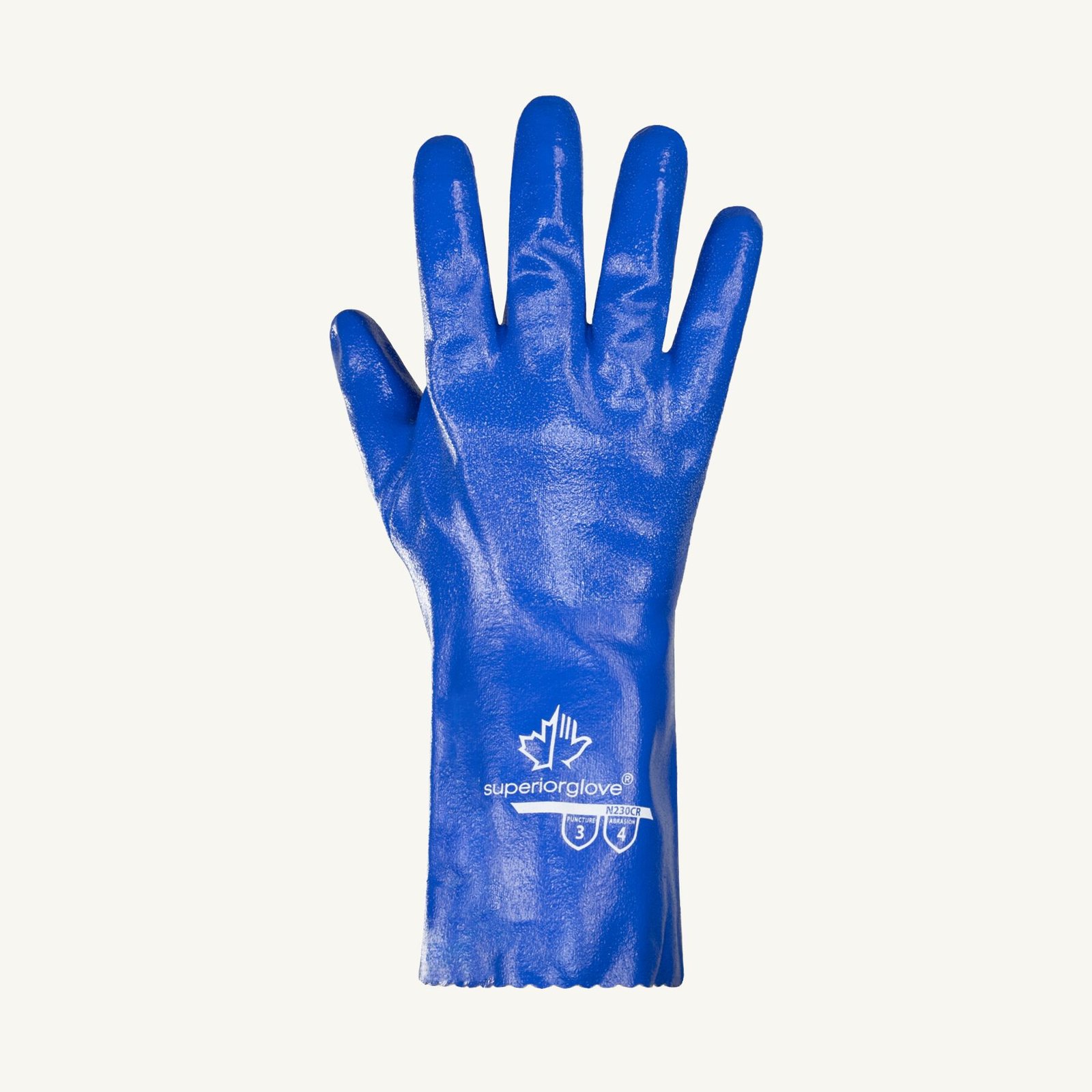
When you invest in chemical-resistant gloves, you’re not just buying a piece of safety equipment; you’re protecting your hands from harmful substances. But how can you ensure these gloves remain effective and durable over time?
The answer lies in proper maintenance. By taking a few simple steps, you can extend the life of your gloves and maintain their protective qualities. Imagine the peace of mind knowing that your gloves are ready whenever you need them.
You’ll discover practical tips and tricks to keep your chemical-resistant gloves in top condition, ensuring your safety and saving you money in the long run. Stick around to learn how a small effort can make a big difference in your safety routine.
Choosing The Right Gloves
Chemical-resistant gloves protect your hands from harmful substances. Choosing the right gloves keeps you safe and comfortable.
Different gloves work for different chemicals. It is important to pick gloves that fit well and resist the chemicals you handle.
Materials And Their Resistance
Gloves come in many materials. Each material protects against certain chemicals better than others.
- Nitrile gloves resist oils, acids, and some solvents.
- Latex gloves work well with water-based chemicals.
- Neoprene gloves resist acids, bases, and alcohols.
- Butyl gloves protect against ketones and esters.
- PVC gloves resist acids, fats, and oils.
Check chemical resistance charts before you buy gloves. This helps you find the best material for your needs.
Proper Fit And Comfort
Gloves must fit your hands well. Too tight gloves cause discomfort. Too loose gloves reduce safety.
Choose gloves that allow hand movement and good grip. Comfortable gloves help you work safely for longer.
- Measure your hand size before buying.
- Try gloves on to check fit.
- Look for gloves with flexible materials.
- Choose gloves with textured surfaces for grip.
Cleaning After Use
Chemical-resistant gloves protect your hands from harmful substances. Cleaning them after use keeps them safe and lasts longer.
Proper cleaning removes chemicals and prevents damage. Follow simple steps to keep your gloves in good shape.
Safe Cleaning Methods
Clean gloves with mild soap and water right after use. This removes most chemicals and dirt safely.
Use soft cloths or sponges to avoid scratching the gloves’ surface. Rinse well to remove all soap.
- Wear clean gloves to avoid contamination
- Use lukewarm water, not hot
- Choose gentle soap without harsh chemicals
- Rinse thoroughly under running water
- Air dry gloves away from sunlight
Avoiding Damage During Cleaning
Do not use bleach or solvents for cleaning gloves. These can weaken the material and cause cracks.
Avoid rough scrubbing or sharp tools. These actions can tear or wear down the gloves quickly.
- Never use abrasive brushes or steel wool
- Do not soak gloves for long times
- Avoid drying near heaters or direct sun
- Check gloves for damage before and after cleaning
- Store gloves in a cool, dry place
Storage Best Practices
Chemical-resistant gloves need proper care to last longer. Storing them well keeps them safe and ready to use.
Good storage stops damage and protects gloves from harmful substances.
Ideal Storage Conditions
Store gloves in a cool, dry place away from sunlight. Heat and light can weaken the glove material.
Keep gloves away from sharp objects and heavy weights to avoid tears or holes.
- Temperature between 50°F and 77°F (10°C to 25°C)
- Low humidity to prevent moisture build-up
- Dark or shaded areas to block UV rays
- Flat or hanging position to keep shape
Preventing Contamination
Keep gloves clean before storing. Dirt and chemicals can cause damage over time.
Store gloves separately from other tools and chemicals. This stops cross-contamination and protects glove quality.
- Wash gloves if reusable and dry fully
- Use sealed containers or bags for storage
- Label storage areas to avoid mixing with other items
- Inspect gloves regularly for signs of contamination

Credit: www.deltaplus.eu
Inspection And Replacement
Chemical-resistant gloves protect your hands from harmful substances. To keep them effective, inspect and replace them regularly.
Checking gloves often helps avoid accidents and skin damage. Follow simple steps to know when gloves are no longer safe to use.
Signs Of Wear And Tear
Look carefully for damage on your gloves. Small problems can cause big safety risks.
- Cracks or holes on the surface
- Thin spots or worn areas
- Discoloration or stains that do not wash off
- Loss of flexibility or stiffness
- Sticky or swollen texture
- Rips or tears along seams or edges
When To Replace Gloves
Replace gloves if you notice any damage or if they no longer fit well. Using damaged gloves can cause chemical exposure.
| Condition | Action |
| Visible cracks or holes | Replace immediately |
| Discoloration or swelling | Check frequently, replace soon |
| Loss of flexibility | Replace soon |
| Gloves contaminated with hazardous chemicals | Dispose safely and replace |
| Gloves used beyond manufacturer’s recommended time | Replace as per guidelines |
Handling And Usage Tips
Chemical-resistant gloves protect your hands from harmful substances. Using them correctly keeps you safe and extends glove life.
Learn how to avoid cross-contamination and remove gloves properly to stay protected.
Avoiding Cross-contamination
Cross-contamination happens when harmful chemicals spread from gloves to other surfaces. Follow these tips to prevent it.
- Do not touch your face or personal items while wearing gloves.
- Use different gloves for different chemicals or tasks.
- Clean work surfaces regularly to remove chemical residues.
- Change gloves immediately if they get torn or damaged.
- Store gloves in a clean, dry place away from chemicals.
Proper Removal Techniques
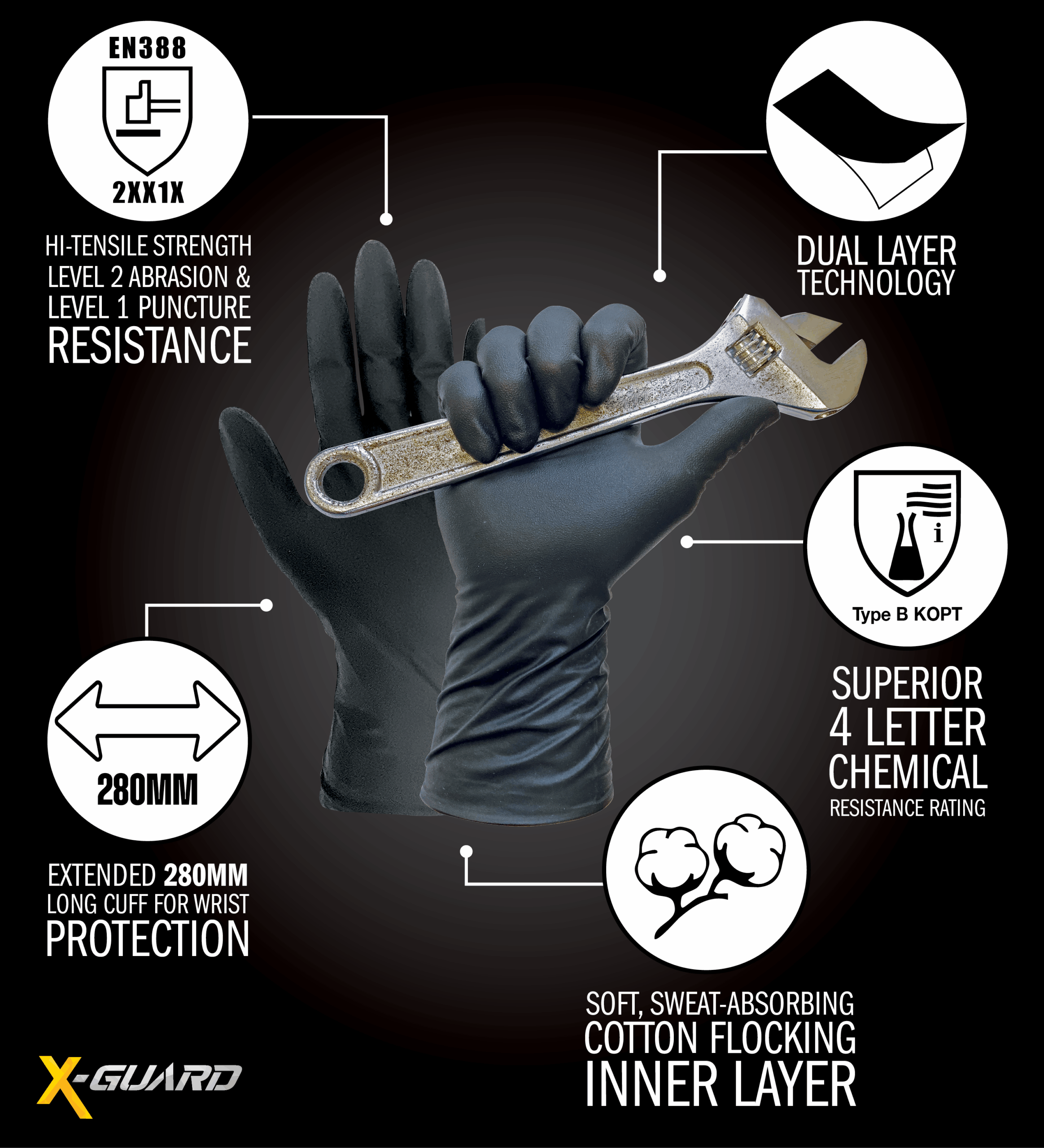
Removing gloves correctly stops chemicals from contacting your skin. Follow these steps carefully.
| Step | Action |
| 1 | Pinch the outside of one glove near the wrist. |
| 2 | Peel the glove away from your hand, turning it inside out. |
| 3 | Hold the removed glove in the gloved hand. |
| 4 | Slide fingers under the wrist of the remaining glove. |
| 5 | Peel off the second glove, turning it inside out and trapping the first glove inside. |
| 6 | Dispose of gloves safely in a proper container. |
| 7 | Wash your hands thoroughly after glove removal. |
Credit: theglovecompany.com.au
Extending Glove Lifespan
Chemical-resistant gloves protect your hands from harmful substances. Keeping them in good shape helps you stay safe. Proper care can make gloves last longer and work better.
Learn simple ways to care for your gloves. Avoid common mistakes that can cause damage. Follow these tips to get the most use from your gloves.
Routine Maintenance Tips
Check gloves for damage before and after each use. Clean them carefully to remove chemicals. Store gloves in a cool, dry place away from sunlight.
- Rinse gloves with water after use
- Use mild soap if needed
- Dry gloves completely before storing
- Keep gloves away from sharp objects
- Store gloves flat or hanging to avoid creases
Avoiding Common Mistakes
Many people damage gloves by using wrong cleaning methods or wearing them too long. Avoid these errors to keep gloves strong and safe.
| Mistake | Effect | Tip |
| Using harsh chemicals to clean | Breaks down glove material | Use mild soap and water |
| Wearing gloves with holes or tears | Reduces protection | Inspect gloves every time |
| Storing in sunlight or heat | Causes material to weaken | Store in cool, dark place |
| Reusing disposable gloves | Gloves lose resistance | Use gloves only once |
Credit: safetyware.com
Frequently Asked Questions
How Do You Clean Chemical-resistant Gloves Safely?
To clean chemical-resistant gloves, rinse them thoroughly with water after use. Use mild soap if needed. Avoid harsh chemicals that may degrade glove material. Always dry gloves completely before storing to prevent damage and maintain protection.
How Often Should Chemical-resistant Gloves Be Replaced?
Replace chemical-resistant gloves when you notice cracks, tears, or stiffness. Regular use and exposure to chemicals weaken gloves. Inspect gloves before each use to ensure safety and effectiveness. Timely replacement prevents chemical exposure and maintains hand protection.
Can Chemical-resistant Gloves Be Reused Safely?
Yes, chemical-resistant gloves can be reused if properly cleaned and inspected. Avoid reuse if gloves show damage or contamination. Follow manufacturer guidelines for reuse limits to ensure safety and maintain glove integrity during multiple uses.
What Is The Best Way To Store Chemical-resistant Gloves?
Store chemical-resistant gloves in a cool, dry place away from sunlight. Avoid heat and direct light to prevent material degradation. Keep gloves separate from chemicals and sharp objects. Proper storage prolongs glove life and maintains chemical resistance.
Conclusion
Maintaining chemical-resistant gloves helps keep you safe and extends glove life. Clean gloves after each use with mild soap and water. Store them in a cool, dry place away from sunlight. Check gloves often for tears or damage before wearing.
Replace gloves if they show any signs of wear. Proper care saves money and protects your hands. Small steps make a big difference in safety. Stay careful, and your gloves will serve you well.