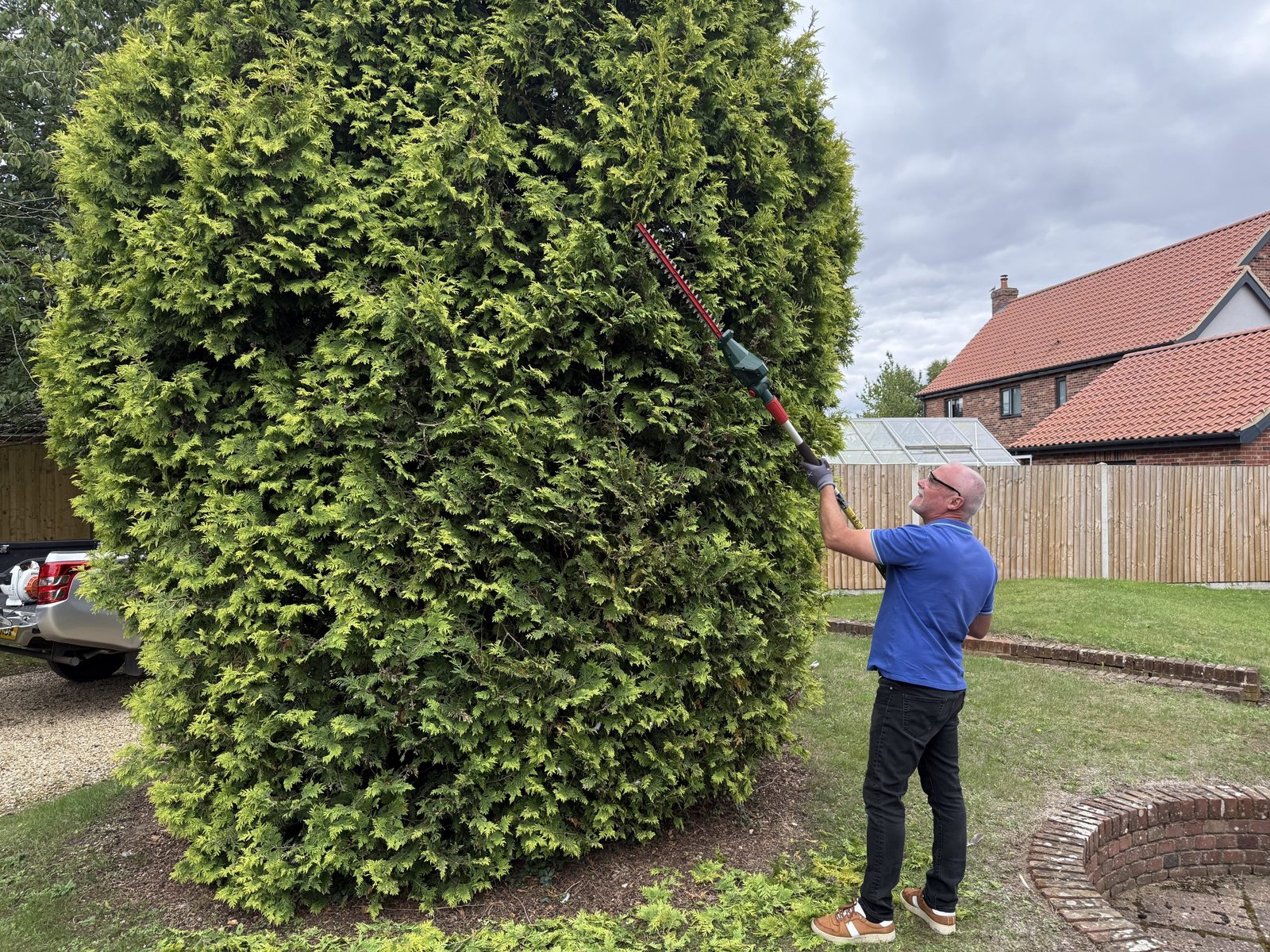
Are your hedges looking a little wild and unruly? Pruning hedges into straight lines might seem like a daunting task, but with the right tips, it’s easier than you think.
Imagine transforming your garden into a serene, well-manicured haven that impresses every visitor. This guide is here to help you achieve just that, offering simple, step-by-step instructions to turn your hedges from chaos to clean-cut perfection. By the end of this article, you’ll have the confidence and skills to shape your garden with precision.
Dive in to discover the secrets of professional hedge trimming that will elevate your outdoor space.

Credit: musthm.com
Tools For Hedge Pruning
Pruning hedges in straight lines needs the right tools. Using proper tools makes the job easier and cleaner.
This guide covers hand tools, power tools, and safety gear for hedge pruning.
Essential Hand Tools
Hand tools help you cut small branches and shape hedges carefully. They give good control for detailed work.
Some common hand tools include:
- Pruning shears for thin branches
- Loppers for thicker branches
- Hand saws for very thick parts
- Hedge knives to trim small leaves
Power Tools Options
Power tools speed up the hedge pruning process. They are useful for large or dense hedges.
Popular power tools include:
- Electric hedge trimmers for clean, straight cuts
- Battery-powered trimmers for easy movement
- Gas-powered trimmers for heavy-duty work
- Pole hedge trimmers for tall hedges
Safety Gear
Safety gear protects you while pruning hedges. It lowers the risk of cuts and injuries.
Important safety gear includes:
- Safety glasses to protect your eyes
- Gloves to shield your hands
- Long sleeves and pants to protect skin
- Sturdy shoes to avoid foot injuries
- Hearing protection when using power tools
Preparing Your Hedge
Pruning hedges in straight lines needs careful preparation. You must get the hedge ready before trimming. This helps keep the hedge healthy and neat.
Start by learning when to prune, checking the hedge condition, and clearing the work area. Each step is important for a clean cut.
Choosing The Right Time
Pick the best season to prune your hedge. Usually, late spring or early summer is good. Avoid pruning during very cold or hot months.
- Prune after new growth starts to show.
- Avoid pruning during heavy frost.
- Do not prune when plants are flowering.
Inspecting The Hedge
Check your hedge before cutting. Look for dead or damaged branches. Also, spot any pests or diseases.
| Inspection Item | What to Check |
| Branches | Dead, broken, or weak stems |
| Leaves | Yellowing or spots |
| Pests | Insects or webs |
| Growth | Uneven or sparse areas |
Clearing The Area
Make sure the area around the hedge is clear. This helps you move safely and see the hedge well.
- Remove garden furniture or tools nearby.
- Clear fallen leaves and debris.
- Set up a level line guide for straight trimming.
- Wear gloves and protective clothing.
Techniques For Straight Lines
Pruning hedges in straight lines makes your garden look neat and tidy. Using the right techniques helps you cut evenly and avoid mistakes.
Simple tools and clear guides make pruning easier. Follow these steps to keep your hedges straight and uniform.
Marking Guide Lines
Marking guide lines helps you see where to cut. It gives a clear path to follow while pruning your hedge.
Use a measuring tape and a stick to mark the edges. Draw light lines with chalk or tie ribbons to show the line.
- Measure the length of the hedge
- Place markers at both ends
- Connect markers with a straight line
- Use the line as your cutting guide
Using String And Stakes
String and stakes create a visible and straight cutting line. This method helps you keep the hedge edges even.
Place stakes at each end of the hedge. Tie a string tightly between the stakes at the desired height.
- Insert stakes firmly into the ground
- Tie string so it is tight and straight
- Adjust string height to match hedge height
- Trim hedge along the string line
Maintaining Consistent Height
Keep the hedge height the same across its length. This makes the hedge look balanced and well cared for.
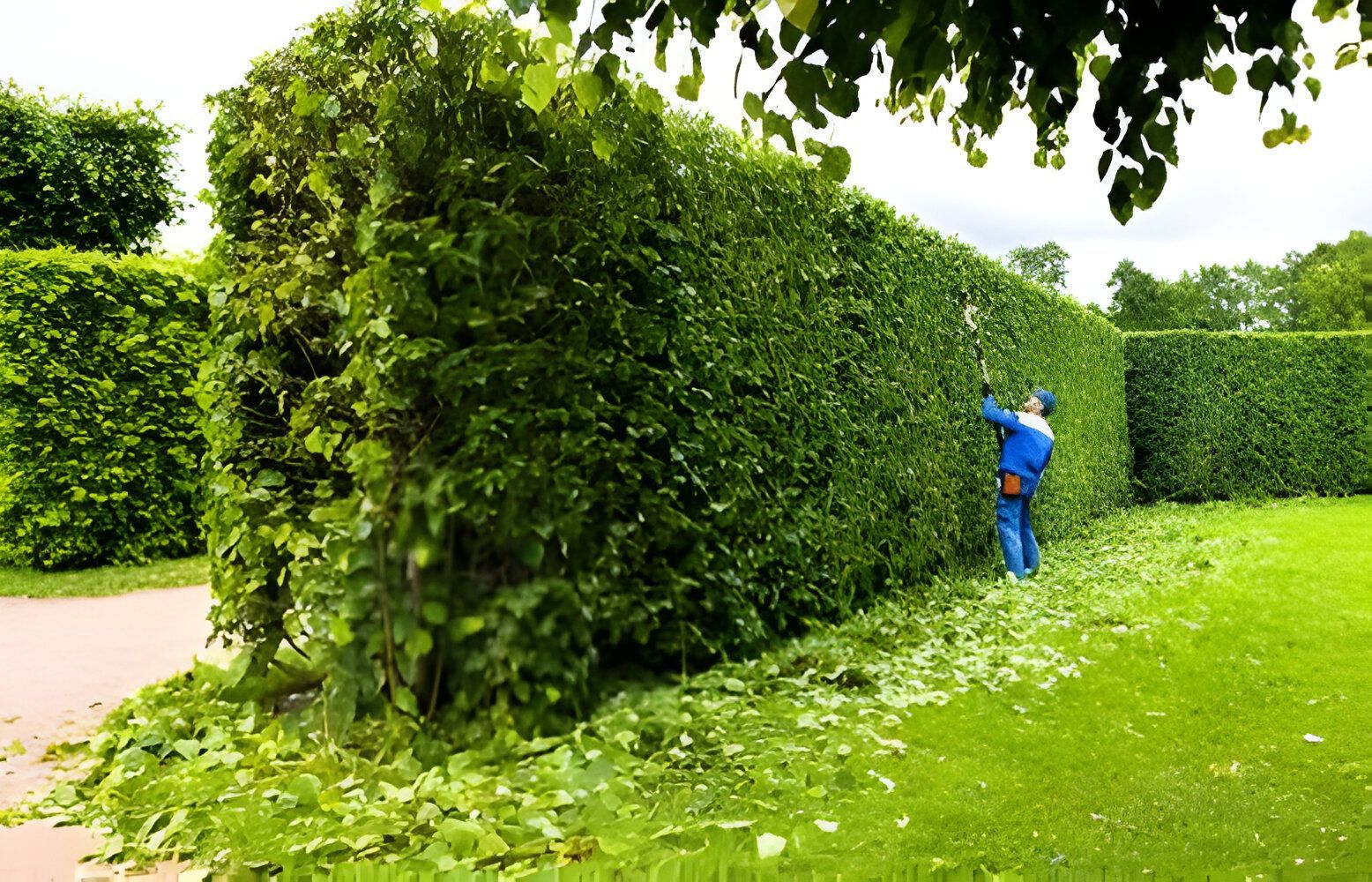
Use a measuring stick or a level to check height. Trim small sections at a time for accuracy.
- Choose a fixed height for the hedge
- Mark the height on a stick or pole
- Check the height regularly while pruning
- Cut any parts that are too tall
Credit: www.treecareservices.co.nz
Step-by-step Pruning Process
Pruning hedges in straight lines keeps your garden neat. Use the right tools and steady hands. Follow these steps to get clean edges.
Start by focusing on the top, then move to the sides, and finish with the details. This method saves time and effort.
Starting With The Top
Begin pruning the top of the hedge to set the level line. Use a string or straight edge for guidance. Trim evenly to avoid bumps.
- Attach a string at both ends of the hedge.
- Check the string height is even all along.
- Use hedge shears or a trimmer to cut along the string.
- Remove any loose branches sticking above the line.
Trimming The Sides
Next, trim the sides of your hedge to keep it straight and uniform. Work slowly to avoid cutting too deep.
| Side Trimming Tips |
|---|
| Use a level or string for a straight guide. |
| Start trimming from the bottom upwards. |
| Keep the hedge wider at the bottom for light. |
| Remove dead or weak branches carefully. |
Final Touches
Finish by cleaning the hedge edges and removing debris. Check for uneven spots and trim small branches.
- Clear fallen leaves and clippings from the base.
- Use hand pruners for detailed shaping.
- Water the hedge after pruning to reduce stress.
Common Mistakes To Avoid
Pruning hedges in straight lines looks neat and tidy. Many people try to cut their hedges themselves. It is easy to make mistakes that harm the plants or make the hedge look uneven.
This guide explains common errors to avoid. Follow these tips to keep your hedges healthy and beautiful.
Overcutting
Cutting too much of the hedge at once can damage the plant. Overcutting removes too many leaves and branches. This weakens the hedge and slows its growth.
- Do not cut more than one-third of the hedge at a time.
- Avoid cutting deep into old wood where new leaves may not grow.
- Trim regularly in small amounts to keep the hedge healthy.
Uneven Edges
Uneven edges make the hedge look messy. This mistake often happens when you do not use the right tools or do not measure properly.
| Cause | Effect | How to Avoid |
| Using dull shears | Jagged cuts and torn leaves | Sharpen tools before pruning |
| Not using a guide or string line | Wavy or crooked hedge tops | Stretch a string to mark a straight line |
| Rushing the work | Uneven trimming and missed spots | Take your time and check work often |
Ignoring Plant Health
Ignoring the health of your hedge can cause damage over time. Pruning when the plant is weak or sick makes problems worse.
- Do not prune during very hot or cold weather.
- Look for signs of pests or disease before cutting.
- Water and feed the hedge well after pruning.
- Remove dead or damaged branches carefully.
Post-pruning Care
After pruning hedges in straight lines, proper care helps plants recover. It keeps hedges healthy and looking good.
Good post-pruning care supports new growth. It also prevents damage or disease to your hedges.
Cleaning Tools
Clean your pruning tools after use to stop spreading diseases. Dirt and sap can harm plants if left on tools.
Use warm water and soap to wash blades. Dry tools well before storing them.
- Remove dirt and plant sap
- Disinfect blades with rubbing alcohol
- Store tools in a dry place
Watering And Feeding
Water hedges deeply after pruning to help them heal. Avoid light watering that dries too fast.
Feed hedges with a balanced fertilizer. It supports strong new shoots and healthy leaves.
- Water once or twice a week, depending on weather
- Use fertilizer with equal nitrogen, phosphorus, and potassium
- Apply fertilizer in early spring or after pruning
Monitoring Growth
Check your hedges often for signs of pests or diseases. Early detection helps keep plants healthy.
Look for new shoots growing straight and evenly. Trim any uneven parts to keep the straight line shape.
- Inspect leaves and stems weekly
- Remove damaged or dead branches quickly
- Trim small uneven growth regularly
Tips For Different Hedge Types
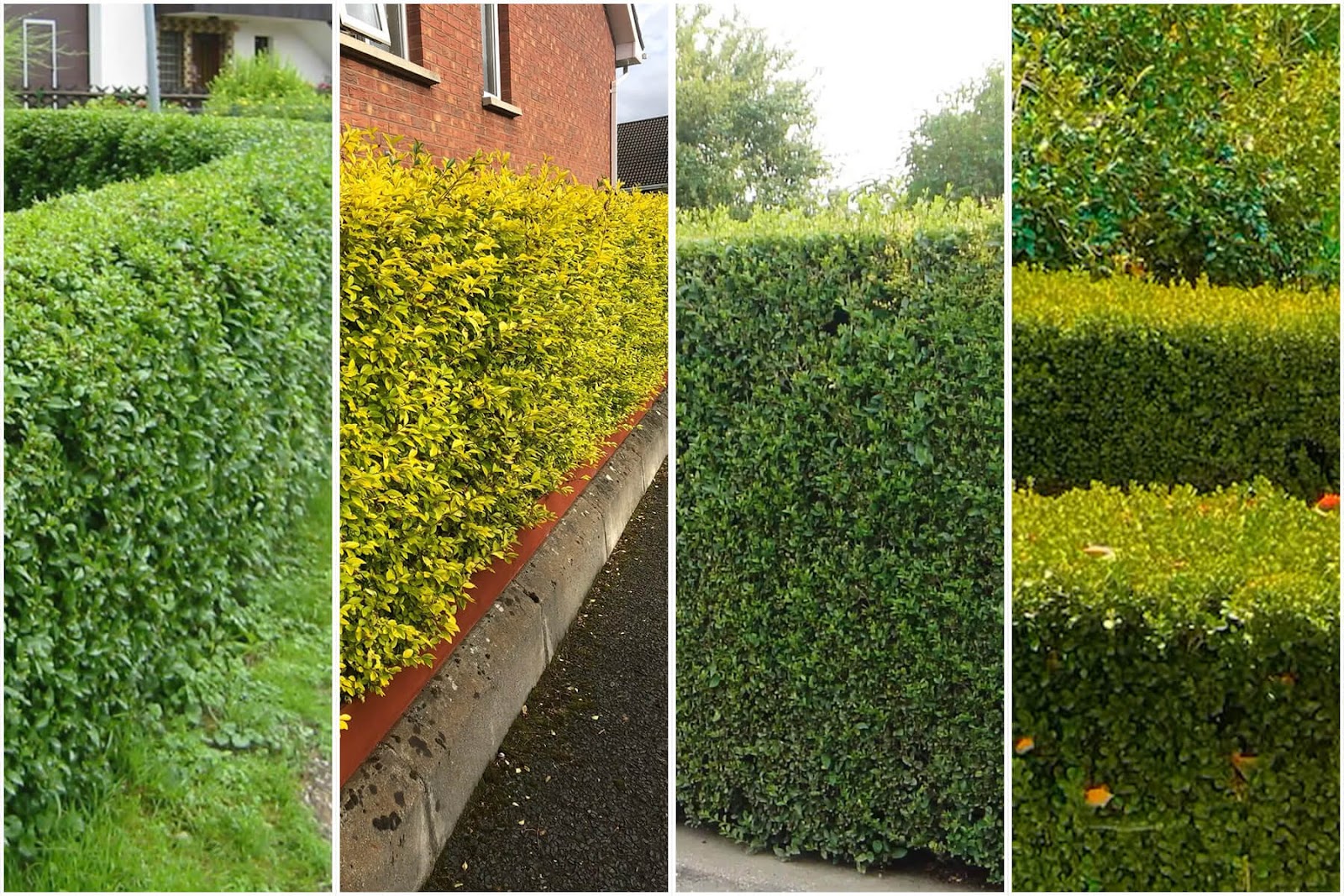
Pruning hedges in straight lines gives a neat and tidy look. Different types of hedges need different care. Knowing how to prune each type helps keep them healthy and beautiful.
Use the right tools and techniques for each hedge type. This will make pruning easier and better for the plants.
Evergreen Hedges
Evergreen hedges keep their leaves all year. They grow slowly but need regular trimming to keep shape. Prune them lightly several times a year.
Cut new growth back to keep straight lines. Avoid cutting into old wood because they may not grow back well.
- Use sharp shears for clean cuts
- Trim in late spring and early summer
- Shape from bottom to top to avoid shading
- Do not cut too deep into old branches
Deciduous Hedges
Deciduous hedges lose their leaves in fall. Prune them in late winter or early spring before new growth starts. This helps to shape and remove dead wood.
Cut back long shoots to encourage thick growth. Use pruning to keep the hedge dense and straight.
- Prune before buds open in spring
- Remove dead or weak branches
- Cut new shoots to control height and width
- Use a string line for a straight guide
Flowering Hedges
Flowering hedges bloom in spring or summer. Prune them after they finish flowering. This keeps flowers coming each year and keeps the hedge tidy.
Do not prune too early or you may cut off flower buds. Remove old wood to encourage new growth and more blooms.
- Identify when the hedge blooms
- Prune right after flowering ends
- Cut back old branches to ground level
- Shape with light trimming during growing season
Credit: greentlawncare.com
Frequently Asked Questions
How Do You Start Pruning Hedges In Straight Lines?
Begin by marking a straight guide line using string or stakes. Use sharp hedge trimmers and follow the guide carefully. Trim from the bottom up for better visibility and control. Regularly step back to check the hedge’s alignment and make adjustments.
What Tools Are Best For Straight Hedge Pruning?
Use sharp hedge shears, electric trimmers, or manual secateurs for precision. A string line or garden level helps maintain straight cuts. Protective gloves and eye protection are also recommended. Choose tools based on hedge size and density for best results.
When Is The Best Time To Prune Hedges?
The best time is late spring or early summer after new growth appears. Avoid pruning during extreme heat or frost to prevent damage. Regular light trimming throughout the growing season helps maintain shape and promotes healthy growth.
How Often Should You Prune Hedges To Keep Straight Lines?
Prune hedges every 6 to 8 weeks during the growing season. Frequent trimming encourages dense, even growth and maintains the straight line shape. Avoid cutting back more than one-third of the foliage at once to keep hedges healthy.
Conclusion
Pruning hedges in straight lines keeps your garden neat and tidy. Use sharp tools to make clean cuts. Take your time and check your work often. Straight hedges add structure and beauty to any yard. Practice helps improve your trimming skills.
Enjoy the process and watch your garden grow. Simple steps lead to great results. Keep your hedges healthy and well-shaped all year.