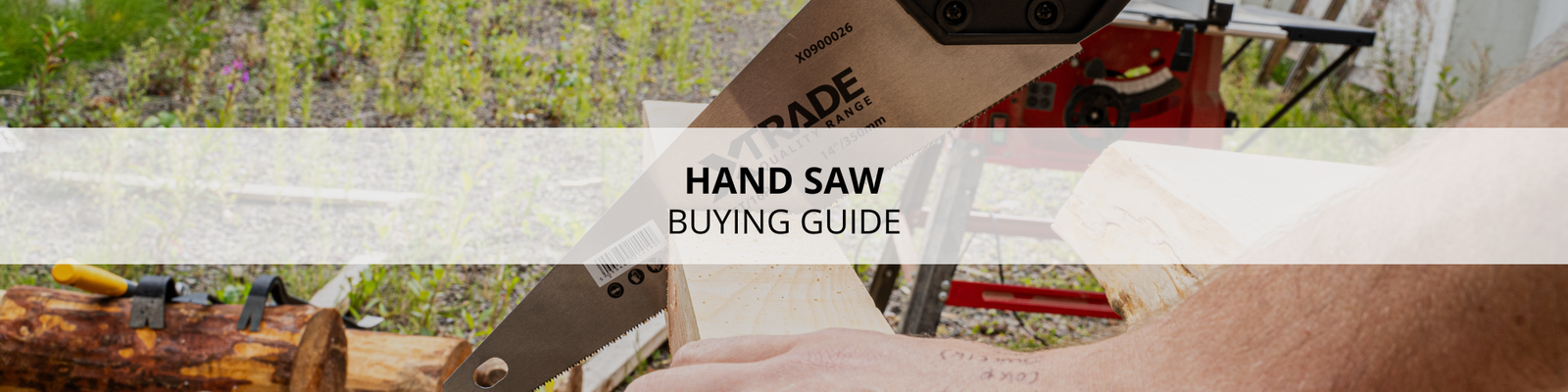
Are your hand saws often misplaced, tangled, or damaged? Imagine the frustration of needing a tool and not finding it right when you need it most.
You’re not alone. Many DIY enthusiasts and professionals struggle with storing hand saws efficiently. But what if there was a way to keep your tools organized, safe, and ready for action at any time? In this guide, you’ll discover simple yet effective methods to store your hand saws, ensuring they remain in top condition and easy to access.
Dive in and transform your workspace into an efficient haven where every tool has its place. Your future self will thank you for it!
Choosing The Right Storage Spot
Storing hand saws properly keeps them safe and in good shape. Picking the right spot helps you find them easily and avoid damage.
Think about space, how easy it is to reach the saws, and safety before you decide where to store them.
Assessing Available Space
Look around your workshop or garage to find free space for storing saws. Use wall space or shelves to save room.
Make sure the spot is dry to stop rust and large enough to hold all your saws without crowding them.
- Check wall and floor space
- Use vertical storage to save area
- Keep space dry and clean
- Allow enough room for each saw
Considering Accessibility
Store saws where you can reach them quickly and safely. Avoid spots that are too high or behind many tools.
Organize saws by size or type so you can grab the right one without searching too long.
- Place saws at a comfortable height
- Group similar saws together
- Keep storage near your work area
- Use labels for easy identification
Ensuring Safety
Keep saw blades away from children and pets. Store saws with covers or in locked cabinets if needed.
Make sure saws are secured so they do not fall and cause injuries.
- Use blade guards or covers
- Store in locked or high places
- Secure saws to prevent falling
- Keep area well-lit to avoid accidents
:max_bytes(150000):strip_icc()/101047493-efe9e0dfa4cb4025b6e259e2f740406f.jpg)
Credit: www.woodmagazine.com
Types Of Storage Solutions
Storing hand saws properly keeps them safe and easy to find. Different storage solutions suit different needs and spaces.
Choosing the right storage helps protect the saw blades and keeps your workspace tidy.
Wall-mounted Racks
Wall-mounted racks hold hand saws securely and save floor space. They keep saws visible and easy to grab.
- Can be made of wood or metal
- Often include slots or hooks for different saw sizes
- Easy to install in workshops or garages
- Help prevent blade damage by keeping saws separated
Drawer Organizers
Drawer organizers fit inside tool drawers to keep saws neat. They prevent saws from sliding and scratching each other.
| Feature | Benefit |
| Compartments | Separate saws by size or type |
| Padded inserts | Protect blades from damage |
| Adjustable dividers | Customize space for each saw |
| Compact design | Save space in small workshops |
Portable Cases
Portable cases let you carry hand saws safely to job sites. They protect saws from dirt and moisture.
- Often have foam padding to cushion saws
- Include handles or straps for easy transport
- Lockable designs add security
- Keep multiple tools organized in one case
Magnetic Strips
Magnetic strips hold hand saws by their metal blades. They keep saws off surfaces and easy to access.
| Pros | Cons |
|---|---|
| Easy to install | May not hold non-metal parts |
| Saves space on benches or walls | Can scratch blades if not careful |
| Quick access to tools | Limited weight capacity |
Diy Storage Ideas
Hand saws are essential tools for many DIY projects. Keeping them organized helps you find the right saw quickly.
Here are some simple ways to store your hand saws efficiently and safely.
Building Custom Racks
Custom racks let you create storage made just for your saws. Use wood to build slots that fit each saw.
- Measure your saws to fit slots perfectly
- Use sturdy wood like plywood or pine
- Sand edges to avoid splinters
- Mount the rack on a wall for easy access
- Label each slot for quick identification
Repurposing Household Items
Use items you already have to store saws. This saves money and uses space smartly.
| Household Item | How to Use for Saw Storage |
| Old Bookshelf | Place saws on different shelves by size |
| Magazine Holders | Store saws upright in compartments |
| Plastic Bins | Keep saws covered and dust-free |
| Wooden Crates | Stack and organize saws inside |
Using Pegboards
Pegboards offer flexible storage for hand saws. Hang saws where you can see and reach them.
- Install pegboard on a workshop wall
- Use hooks sized for hand saw handles
- Group saws by type or frequency of use
- Add small shelves for blades or accessories
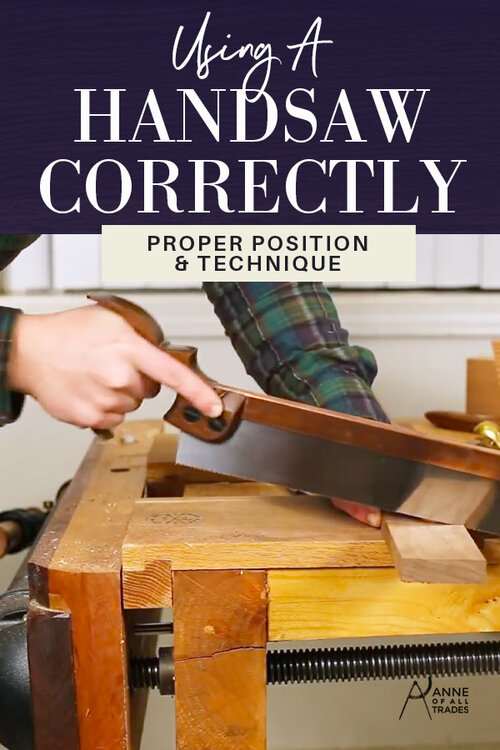
Credit: www.anneofalltrades.com
Protecting Your Hand Saws
Hand saws are useful tools that need care to last longer. Protecting them well keeps them sharp and safe to use.
This guide explains simple ways to protect your hand saws from rust and damage. Follow these tips to store your saws properly.
Preventing Rust And Damage
Rust can ruin your saw blades and make them unsafe. You can stop rust by keeping saws dry and clean. Store them in a dry place away from moisture.
- Apply a light coat of oil on the blade to block moisture.
- Keep saws away from damp or humid areas.
- Use silica gel packets near saw storage to absorb moisture.
- Check saws often for signs of rust or damage.
Cleaning Before Storage
Cleaning your saw before storing stops dirt and sap from building up. This protects the blade and handle.
- Wipe the blade with a dry cloth to remove dust.
- Use a soft brush to clear sawdust from teeth.
- Remove resin or sap with a small amount of mineral spirits.
- Dry the saw fully before putting it away.
Using Blade Guards
Blade guards cover the sharp edges and protect the blade from damage. They also keep you safe when handling saws.
| Blade Guard Type | Material | Benefits |
|---|---|---|
| Plastic sheath | Hard plastic | Protects blade, easy to clean |
| Leather cover | Leather | Durable, protects from moisture |
| Wooden box | Wood | Full protection, good for storage |
Maximizing Space Efficiency
Storing hand saws in a neat way saves space and keeps your tools safe. Good storage stops damage and makes saws easy to find.
Organizing saws well helps you work faster and keeps your workshop tidy. This guide shows simple ways to store saws efficiently.
Vertical Vs Horizontal Storage
Vertical storage means placing saws upright on a wall or rack. Horizontal storage lays saws flat on shelves or in drawers.
Vertical racks save floor space and keep blades clear of damage. Horizontal shelves fit saws in layers but need more room.
- Vertical storage uses less floor space.
- Horizontal storage stacks saws for easy access.
- Vertical racks keep blades safer from bending.
- Horizontal shelves work well for heavy, large saws.
Grouping By Size And Type
Sort saws by their size and type before storing. Grouping helps you find the right saw quickly.
Keep small saws together and large saws in a separate place. Group hand saws, backsaws, and other types separately.
- Small saws fit in small containers or bins.
- Large saws need more space or wall racks.
- Group saws by type for easier sorting.
- Label groups to save time searching.
Stacking Techniques
Stack saws carefully to avoid blade damage. Use padding or separators between saws.
Place heavier saws at the bottom and lighter ones on top. Keep blades from touching to prevent dulling.
- Use foam or cloth between saws for protection.
- Stack saws with blades facing opposite directions.
- Limit stack height to avoid pressure damage.
- Store saws in trays or shallow boxes for safety.
Maintenance Tips For Stored Saws
Keeping hand saws in good shape helps them last longer. Proper care stops rust and damage during storage.
Use simple maintenance steps to protect your saws. This guide covers key practices for stored saws.
Regular Inspection
Check your saws often to find problems early. Look for rust, dirt, and loose handles.
Clean saws before storing to avoid buildup. Inspect teeth for chips or bends that need fixing.
- Look for rust spots and clean them
- Check handle screws and tighten if loose
- Examine blade edges for damage
- Remove dirt and debris with a brush
Sharpening Schedules
Keep your saws sharp by setting regular sharpening times. Sharp saws cut better and last longer.
Sharpen saws after heavy use or if cutting feels slow. Follow the saw type for proper sharpening method.
- Check sharpness before storage
- Use a file or sharpening tool
- Sharpen only when teeth are dull
- Store sharpened saws in dry places
Lubrication Practices
Apply light oil to saw blades to stop rust. Lubrication keeps metal smooth and protects from moisture.
Use machine oil or a rust inhibitor. Wipe off extra oil before storing to avoid dirt buildup.
- Clean blade before oiling
- Apply a thin layer of oil evenly
- Oil handles if wooden to prevent cracking
- Check lubrication every few months

Credit: kakuritools.com
Frequently Asked Questions
How Should I Store Hand Saws To Prevent Rust?
Store hand saws in a dry place to avoid moisture exposure. Use a protective cover or oil the blade lightly to prevent rust. Keep them off the ground and away from damp surfaces for longer blade life.
What Is The Best Way To Organize Multiple Hand Saws?
Use a wall-mounted rack or pegboard to hang saws by their handles. This keeps blades separated, prevents damage, and improves accessibility. Label each spot for quick identification and efficient workspace management.
Can Hand Saws Be Stored Safely In A Toolbox?
Yes, but ensure blades are protected with sheaths or blade guards. Organize saws to avoid blade contact and damage. Keep the toolbox dry to prevent rust and clean saws before storing.
How Often Should I Clean And Maintain Stored Hand Saws?
Clean saws after each use to remove debris and sap. Lightly oil blades before storage to prevent rust. Regularly inspect stored saws for damage and sharpness to maintain performance.
Conclusion
Storing hand saws properly keeps them sharp and safe. Choose a dry, clean spot to avoid rust. Use hooks or racks to keep saws organized and easy to find. Regularly check blades for damage or dirt. Clean and oil saws after use to extend life.
Good storage saves time and effort later. Simple steps can protect your tools well. Keep your workspace tidy and efficient. Your saws will last longer and work better. A little care makes a big difference.