Are you tired of uneven rows and wasted seeds in your garden? Using a dibber can change the way you plant forever.
This simple tool helps you make perfect holes at just the right depth and spacing, so your plants grow strong and healthy. Imagine saving time, reducing guesswork, and enjoying a garden that looks neat and thrives. Keep reading, and you’ll learn exactly how to use a dibber for even planting—making your gardening easier and more successful than ever.
Choosing The Right Dibber
A dibber is a simple tool that helps plant seeds or bulbs evenly. Picking the right dibber makes planting easier and more accurate.
Knowing the different types and features of dibbers helps you find one that fits your garden work.
Materials And Designs
Dibbers come in many materials like wood, plastic, and metal. Each material has its own benefits and drawbacks.
Wood dibbers are light and traditional but can wear out. Plastic dibbers are cheap and resist water but may break. Metal dibbers are strong and last long but can be heavy.
- Wood: lightweight, natural, may wear
- Plastic: water-resistant, affordable, less durable
- Metal: strong, durable, heavier
Size And Depth Options
Dibbers come in different sizes for various planting needs. The size affects how deep and wide the holes will be.
Small dibbers work well for tiny seeds, while larger ones suit bigger bulbs. Some dibbers have adjustable depth guides to help keep holes uniform.
- Small dibbers: for tiny seeds and seedlings
- Medium dibbers: good for common bulbs and seeds
- Large dibbers: for big bulbs and plants
- Adjustable depth: keeps hole depth even
Ergonomic Features
Ergonomic dibbers reduce hand strain during planting. Handles with soft grips or special shapes are easier to hold.
Look for dibbers with comfortable handles if you plant a lot. Some have wider grips to fit different hand sizes.
- Soft, non-slip grips prevent slipping
- Curved handles fit hand shape better
- Wide handles reduce pressure on fingers
- Lightweight designs lessen arm fatigue

Credit: www.amazon.ca
Preparing Your Soil
Good soil preparation helps plants grow strong and healthy. It makes planting easier and more even.
Using a dibber works best when the soil is clean, loose, and has the right moisture.
Clearing Debris
Remove sticks, stones, and old plants from the soil. This clears the way for the dibber and your seeds.
- Pick up large stones and sticks by hand
- Rake the soil surface to remove leaves and old roots
- Dispose of any weeds to avoid future growth
Loosening Soil
Loosen soil to help roots grow and water to reach plants. Hard soil blocks the dibber and roots.
Try these tools to loosen soil:
- Garden fork for breaking up compacted earth
- Hoe to turn over the topsoil
- Tiller for larger garden areas
Moisture Considerations
Soil moisture helps the dibber make clean holes. Too wet or dry soil can cause problems.
| Soil Condition | Effect on Planting |
| Too Dry | Hard to make holes; seeds may not sprout |
| Ideal Moisture | Easy dibber use; good seed contact with soil |
| Too Wet | Soil sticks to dibber; holes collapse |
Marking Planting Spots
Using a dibber helps you mark planting spots evenly. It creates holes for seeds or seedlings at the right depth.
Even planting makes your garden look neat and helps plants grow better. This guide shows how to mark spots correctly.
Measuring Spacing
Measure the space between plants carefully before marking spots. Different plants need different spacing to grow well.
Use a ruler or tape measure to check distance. Mark spots at equal distances for uniform growth.
- Check seed packet or plant guide for spacing
- Mark spots in rows or grids
- Keep space for plant size and sunlight
Creating Uniform Holes
Use the dibber to make holes of the same size and depth. This helps seeds or seedlings settle well.
Push the dibber straight into the soil and pull out carefully. Make sure holes do not vary in size.
- Hold dibber firmly for control
- Press to the right depth for your plant
- Make holes at each marked spot
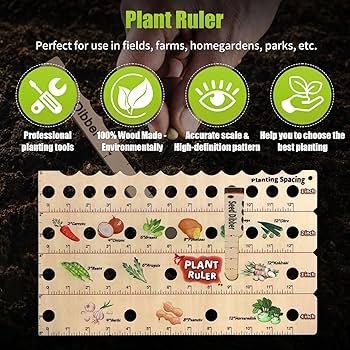
Using Templates And Guides
Templates and guides help keep planting spots even and straight. They save time and avoid mistakes.
You can use wooden boards or plastic grids to mark spots before using the dibber. Follow the guides carefully.
- Place template on soil surface
- Mark holes through template openings
- Remove template before planting

Credit: www.amazon.ca
Techniques For Precise Planting
Using a dibber helps plant seeds or bulbs evenly. It makes sure each plant has enough space and depth.
Precise planting improves plant growth and garden appearance. Here are some tips for using a dibber correctly.
Correct Dibber Handling
Hold the dibber like a pencil or small tool. Use your dominant hand for better control. Grip it firmly but not too tight.
Push the dibber straight down into the soil to make a hole. Avoid twisting it too much to keep the hole neat and round.
Depth Control Tips
Check the seed or bulb packet for the recommended planting depth. Use the dibber’s length to measure the hole depth.
Mark the dibber with tape or a marker to keep the depth consistent. Remove the dibber carefully to keep the hole intact.
- Use tape as a depth guide
- Plant all seeds at the same depth
- Keep holes the right size for each seed
Avoiding Common Mistakes
Do not make holes too close together. Crowded plants compete for water and nutrients. Space holes evenly for healthy growth.
Avoid pushing the dibber too deep or too shallow. Incorrect depth can stop seeds from growing or cause rot. Use the depth guide every time.
- Space holes according to seed size
- Keep hole depth consistent
- Do not twist dibber excessively
- Fill holes gently after planting
Planting Different Seed Types
Using a dibber helps make planting easier and more even. It creates perfect holes for seeds and plants.
Different seeds need different hole sizes and depths. Knowing how to use your dibber for each type helps plants grow well.
Small Seeds
Small seeds need shallow holes to avoid being buried too deep. Use the smallest end of your dibber to make tiny holes.
Make holes about twice as deep as the seed size. This helps seeds get enough light and moisture to sprout.
- Use a light touch to avoid making holes too deep
- Space holes evenly for good air and sunlight
- Cover seeds gently with soil
Bulbs And Tubers
Bulbs and tubers are bigger than seeds. Use a wider and deeper hole from your dibber to fit them well.
Plant bulbs with the pointed end up. Tubers should be placed with buds facing upwards for better growth.
- Dig holes deep enough to cover bulbs or tubers fully
- Space holes according to plant size for good root growth
- Press soil firmly around bulbs to keep them stable
Seedlings
Seedlings need holes that match their root ball size. Use your dibber to create soft holes without compacting the soil.
Make holes slightly larger than the root ball. This helps roots spread easily and plants settle well.
- Handle seedlings gently to avoid root damage
- Fill holes with loose soil around roots
- Water seedlings right after planting
Maintaining Your Dibber
A dibber helps you plant seeds or bulbs at the right depth. Keeping it in good shape makes planting easier.
Regular care helps your dibber last longer and work well every time you use it.
Cleaning After Use
Clean your dibber right after planting. Dirt and soil can stick and cause rust or damage.
Use water and a brush to remove all soil. Dry it well to stop rust from forming.
Storage Tips
Store your dibber in a dry place. Moisture can cause metal parts to rust or wood to rot.
- Keep it inside a shed or garage
- Hang it on a hook or place it in a toolbox
- Avoid leaving it outside in the rain
Sharpening And Repairs
Check the tip of your dibber often. A sharp tip makes planting easier and more precise.
Use a file or sharpening stone to keep the tip sharp. Fix cracks or loose handles to keep it safe.
- File the tip in one direction for best results
- Use wood glue for small handle cracks
- Replace the handle if it is too damaged
Benefits Of Using A Dibber
A dibber is a simple tool that helps make holes in soil for planting seeds or seedlings. It helps gardeners plant evenly and accurately.
Using a dibber saves time and improves the overall look and health of your garden. It makes planting easier and neater.
Improved Plant Growth
Planting with a dibber creates holes of the right size and depth. This helps seeds and plants grow strong roots.
Even spacing gives each plant enough room to get water, nutrients, and sunlight. Plants grow better without crowding.
Time Efficiency
A dibber speeds up the planting process. It quickly makes holes in the soil without bending or measuring each spot.
You can plant more seeds or seedlings in less time. This saves energy and lets you focus on other garden tasks.
Enhanced Garden Aesthetics
Using a dibber helps create neat rows and patterns in your garden. This makes your plants look tidy and well cared for.
A neat garden is more enjoyable to look at and shows good gardening skills. Even planting also helps reduce weeds.

Credit: www.amazon.ca
Frequently Asked Questions
What Is A Dibber Used For In Gardening?
A dibber is a gardening tool designed for making holes in soil. It helps in planting seeds, bulbs, and seedlings evenly. Using a dibber ensures consistent planting depth, which is crucial for plant growth. It’s particularly useful for gardeners aiming for uniformity in their planting layout.
How Do You Use A Dibber Effectively?
To use a dibber effectively, push it into the soil to create a hole. Ensure the hole is deep enough for the seed or bulb. Place the seed or bulb in the hole and cover it with soil. This technique promotes even planting and optimal growth conditions.
Why Choose A Dibber Over Other Planting Tools?
A dibber provides precise control over planting depth and spacing. It is ideal for small-scale planting tasks, offering more accuracy than larger tools. This precision ensures seeds and seedlings have the best chance to thrive. For gardeners seeking uniformity, a dibber is a top choice.
Can A Dibber Improve Planting Accuracy?
Yes, a dibber significantly improves planting accuracy by ensuring consistent hole depth. It helps maintain even spacing between plants. This consistency is vital for optimal growth and health of plants. By using a dibber, gardeners can achieve a more organized and productive garden layout.
Conclusion
Using a dibber helps plant seeds at the right depth and space. This tool saves time and makes planting easier. Even planting means plants grow healthier and stronger. You will get better results in your garden. Try a dibber for your next planting task.
Simple steps bring great garden success. Keep practicing to improve your planting skills. Enjoy watching your garden grow evenly and beautifully.