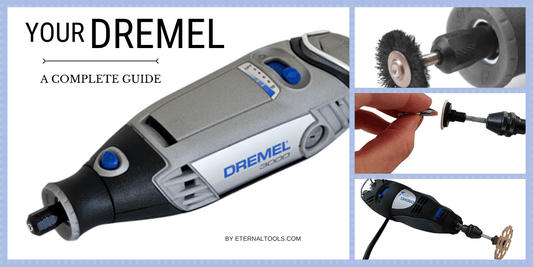
Are you looking to make your metal projects shine like new? Using a rotary tool for polishing metal can be the secret to achieving that perfect, smooth finish.
Whether you’re a beginner or have some experience, this guide will show you simple steps and expert tips to get the best results. By the end, you’ll have the confidence to turn dull metal into something that truly stands out.
Ready to learn how to polish metal with a rotary tool and bring out its full shine? Let’s dive in!
Choosing The Right Rotary Tool
Polishing metal requires the right rotary tool for smooth results. Picking the right tool saves time and effort.
Different rotary tools offer various speeds and features. Knowing these helps you pick the best one for polishing metal.
Types Of Rotary Tools
Rotary tools come in many shapes and sizes. Some have variable speeds, and some include extra features.
- Basic rotary tools:Good for light polishing tasks.
- Variable speed tools:Allow control over polishing speed.
- Cordless rotary tools:Offer freedom of movement but need charging.
- Heavy-duty rotary tools:Best for larger metal surfaces.
Essential Accessories For Polishing
Accessories improve polishing quality and protect your metal. Choose them based on your tool and project.
| Accessory | Purpose |
| Polishing wheels | Apply polish evenly on metal surfaces |
| Buffing pads | Soft finish and remove light scratches |
| Grinding stones | Shape and smooth rough metal edges |
| Wire brushes | Clean rust and dirt from metal |
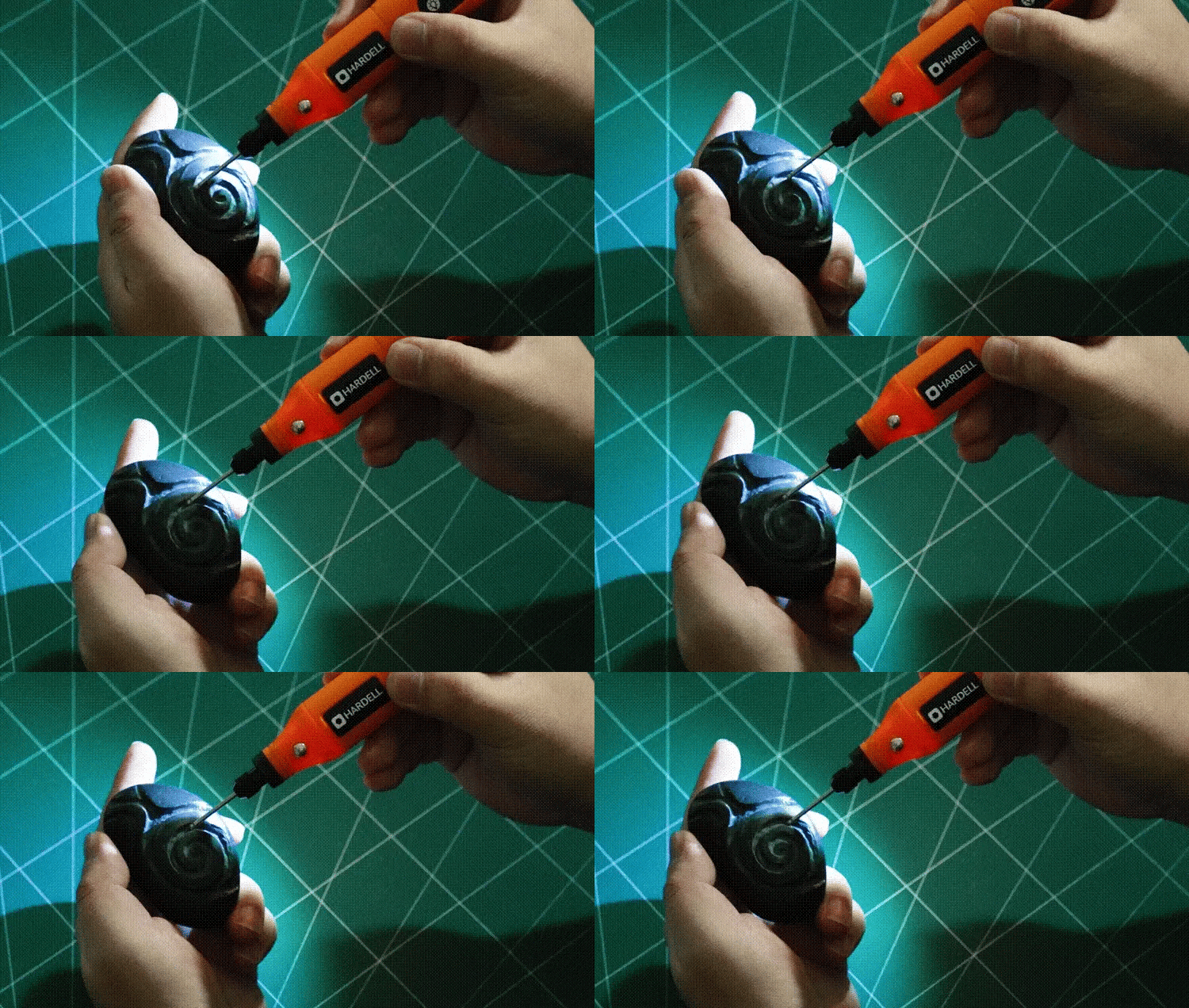
Credit: hardell.com
Preparing Metal Surfaces
Preparing metal surfaces is key for a smooth polish. Clean and smooth metal helps the rotary tool work well.
Take time to get rid of dirt and flaws before polishing. This makes the final shine better and lasts longer.
Cleaning And Degreasing
Start by cleaning the metal. Remove dust, grease, and oil that block polishing.
- Use warm water with mild soap to wash the surface.
- Rinse well and dry with a clean cloth.
- Apply a degreaser if oil or grease remains.
- Wipe the surface with a lint-free cloth after degreasing.
Removing Rust And Imperfections
Rust and rough spots ruin the polish. Remove them carefully before using the rotary tool.
| Rust Removal Method | Description | Tools Needed |
|---|---|---|
| Mechanical Removal | Scrape or sand rust using abrasive tools. | Sandpaper, wire brush, rotary tool attachments |
| Chemical Rust Remover | Apply chemicals to dissolve rust. | Rust remover solution, gloves, brush |
| Electrolytic Rust Removal | Use electric current to clean rust. | Battery charger, washing soda, container |
After removing rust, smooth any dents or scratches with fine sandpaper. This helps the polish look even and bright.
Selecting Polishing Attachments
Choosing the right polishing attachments for your rotary tool helps you get a smooth, shiny finish on metal. Different attachments work best for different metals and polishing tasks.
This guide explains three common types of attachments: buffing wheels, polishing pads, and abrasive bits.
Buffing Wheels
Buffing wheels are soft, round attachments made from cloth or felt. They spin fast and spread polish evenly on metal surfaces. These wheels are good for final shine and smoothing small scratches.
- Cloth wheels: for light polishing and finishing
- Felt wheels: for delicate metals and fine details
- Flannel wheels: for applying polishing compounds
Polishing Pads
Polishing pads come in various materials like foam or rubber. They hold polishing compounds well and help remove oxidation or tarnish. These pads work well on flat or slightly curved metal surfaces.
| Pad Type | Best Use | Material |
| Foam | Removing light scratches | Soft foam |
| Rubber | Buffing and smoothing | Flexible rubber |
| Microfiber | Final polishing | Soft microfiber |
Abrasive Bits
Abrasive bits are small, hard attachments used for heavy-duty cleaning and shaping metal. They remove rust, paint, and rough spots before polishing. Abrasive bits come in many shapes and grits.
- Silicon carbide: for tough materials
- Aluminum oxide: general-purpose grinding
- Diamond grit: precise shaping and smoothing
Polishing Techniques
Using a rotary tool for polishing metal can make surfaces shine smoothly. You need to know the right methods to avoid damage.
This guide explains how to adjust speed, apply polish, and keep steady pressure. These tips help you polish metal safely and well.
Speed Settings For Different Metals
Different metals require different rotary tool speeds. Soft metals need lower speeds to avoid scratches. Hard metals can handle faster speeds for better results.
| Metal Type | Recommended Speed (RPM) |
| Aluminum | 5,000 – 8,000 |
| Brass | 6,000 – 10,000 |
| Stainless Steel | 10,000 – 15,000 |
| Copper | 5,000 – 9,000 |
Applying Polish Compounds
Use the right polish compound for the metal type. Apply a small amount on the polishing wheel before starting. Work the compound gently into the metal surface.
- Start with coarse compound for rough surfaces
- Use medium compound for smoothing scratches
- Finish with fine compound for shine
- Clean the wheel between compounds
Maintaining Even Pressure
Keep steady pressure while polishing to avoid uneven spots. Press too hard, and you may damage the metal or tool. Press too light, and polish will not work well.
- Hold the tool firmly but relaxed
- Move the tool in slow, smooth motions
- Do not stay too long in one spot
- Let the polish compound do the work
Safety Measures
Using a rotary tool for polishing metal can be safe if you follow basic rules. Safety helps prevent injuries and keeps your work clean.
Wear the right gear and handle the tool carefully. This guide shows you the best safety measures to use.
Protective Gear
Always wear protective gear before starting. It keeps you safe from flying debris and sharp metal edges.
- Safety goggles to protect your eyes from dust and sparks
- Gloves to avoid cuts and burns on your hands
- Long sleeves and pants to protect your skin
- A dust mask to prevent breathing in metal particles
- Ear protection if the tool is very loud
Tool Handling Tips
Use the rotary tool with care. Follow these tips to avoid accidents and get smooth polishing results.
| Tip | Description |
| Hold Firmly | Keep a steady grip to control the tool well. |
| Use Correct Speed | Adjust speed according to metal type and polish needed. |
| Avoid Force | Let the tool do the work; do not press too hard. |
| Work in Well-Lit Area | Good light helps you see the metal surface clearly. |
| Unplug When Changing Bits | Always disconnect power before changing attachments. |
Troubleshooting Common Issues
Using a rotary tool for polishing metal can be tricky. Some problems may happen during your work. Knowing how to fix these issues helps you get better results.
This guide covers two common problems: avoiding overheating and dealing with uneven finishes. Each section gives simple tips to solve them.
Avoiding Overheating
Overheating can damage your metal and the rotary tool. It happens if you polish too long in one spot or use too much pressure.
To avoid overheating, move the tool gently and keep it moving across the surface. Take short breaks to let the tool cool down.
- Use light pressure while polishing
- Keep the tool moving steadily
- Take breaks every few minutes
- Use the right speed setting for your metal type
- Check the tool and metal temperature often
Dealing With Uneven Finishes
Uneven finishes happen when polishing is not smooth or consistent. This leaves rough patches or marks on the metal surface.
To fix uneven finishes, polish slowly and evenly. Use the correct polishing wheel or pad for your metal and clean it regularly.
- Choose the right polishing accessory
- Apply steady, even pressure
- Keep polishing tool moving in a consistent pattern
- Clean polishing pads to avoid dirt buildup
- Inspect your work often to catch uneven spots early
Maintaining Your Rotary Tool
Taking care of your rotary tool helps it work well for a long time. Regular maintenance keeps the tool safe and reliable.
Simple cleaning and replacing parts can prevent damage and improve performance.
Cleaning After Use
Clean your rotary tool right after polishing metal. This removes dust and metal bits that can harm the tool.
Use a soft brush or cloth to wipe the tool. Avoid water near electrical parts to prevent damage.
- Unplug the tool before cleaning
- Brush off dust and debris gently
- Use compressed air for hard-to-reach areas
- Wipe with a dry cloth, no liquids on motors
Replacing Worn Attachments
Attachments wear out after polishing metal many times. Replace them to keep good results and safe use.
Check attachments before use. Remove any that are cracked, bent, or too worn down.
- Turn off and unplug the tool before changing parts
- Remove the old attachment carefully
- Attach the new part firmly in place
- Test the tool at low speed before full use

Credit: wolfgangcarcare.com
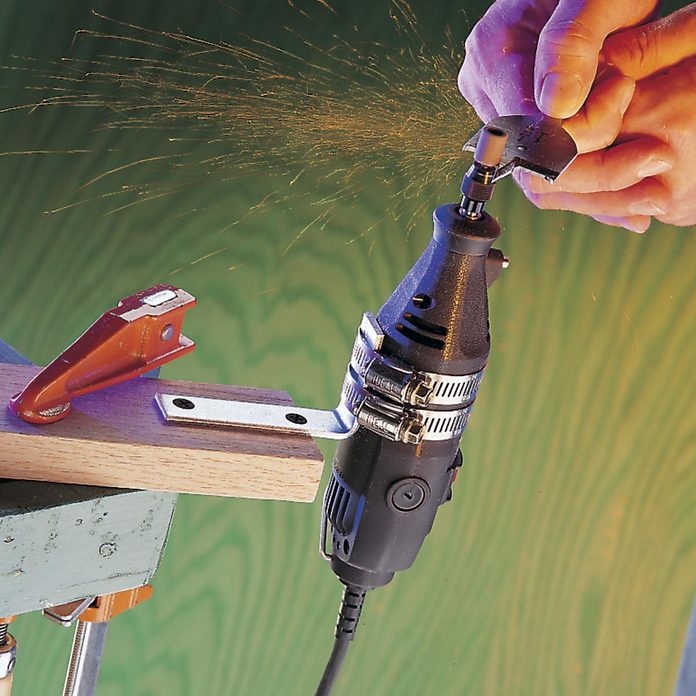
Credit: www.familyhandyman.com
Frequently Asked Questions
What Type Of Rotary Tool Is Best For Polishing Metal?
A rotary tool with variable speed and a polishing attachment is ideal. Choose one that offers control for delicate metal surfaces. High RPM settings help achieve a smooth, shiny finish without damaging the metal.
How Do I Prepare Metal Before Polishing With A Rotary Tool?
Clean the metal surface with soap and water to remove dirt. Dry it thoroughly. Remove any rust or rough spots using sandpaper before polishing for better results.
Which Polishing Compounds Work Best With Rotary Tools On Metal?
Use polishing compounds designed for metals, like rouge or aluminum oxide. These help achieve a high shine and smooth surface. Apply a small amount to the polishing wheel for effective results.
How Can I Avoid Damaging Metal While Using A Rotary Tool?
Start polishing at a low speed to prevent overheating. Use light pressure and keep the tool moving to avoid gouging. Always wear protective gear like gloves and goggles.
Conclusion
Using a rotary tool for polishing metal brings smooth, shiny results. Choose the right attachment and speed for best effects. Work carefully and keep the tool steady. Clean the metal often to see your progress clearly. Practice on small pieces before big projects.
Safety gear protects your eyes and hands from sparks. With patience, your metal will look bright and new. This simple method saves time and effort. Try these tips to polish metal like a pro. Keep practicing, and enjoy the shine!