If you own a rotary tool, you know how handy it can be for all kinds of projects. But to keep your tool working smoothly and last longer, you need to take good care of it.
Imagine starting a project and suddenly your rotary tool stops working or slows down. Frustrating, right? This guide will show you simple, easy steps to maintain your rotary tool. By following these tips, you’ll save time, avoid costly repairs, and get the best performance every time you use it.
Ready to make your rotary tool last? Let’s dive in.
Choosing The Right Rotary Tool
Choosing the right rotary tool is key for good results. It helps you work faster and safer.
This guide explains different types of rotary tools and what features matter most.
Types Of Rotary Tools
Rotary tools come in many styles. Each type fits different tasks and skill levels.
- Basic rotary tools are small and easy to use for light jobs.
- Variable speed tools allow control over cutting or sanding speed.
- Corded tools offer constant power for long projects.
- Cordless tools give freedom to move without wires.
Features To Consider
Look for features that match your work style and needs. Comfort and control matter most.
- Speed settings let you adjust power for different materials.
- Ergonomic grips reduce hand fatigue during long use.
- Accessory compatibility allows using many attachments.
- Durability ensures the tool lasts through tough projects.
Matching Tools To Projects
Pick a rotary tool that fits your project type and size. This helps you work well.
- For small crafts, a lightweight, variable speed tool works best.
- For heavy cutting, choose a corded tool with high power.
- For outdoor use, a cordless tool offers more freedom.
- For detailed work, select tools with fine control and small bits.

Credit: www.gz-supplies.com
Routine Cleaning Techniques
Keeping your rotary tool clean helps it work well and last longer. Dirt and dust can slow it down or cause damage. Regular cleaning keeps it safe and ready to use.
Below are simple ways to clean your tool, its attachments, and store it properly. Follow these tips to keep your rotary tool in good shape.
Removing Dust And Debris
Dust and small bits can build up in your rotary tool. This buildup can block air vents and cause the tool to overheat. Cleaning dust helps your tool run smoothly and safely.
- Unplug the tool before cleaning.
- Use a soft brush to remove dust from vents and motor areas.
- Blow compressed air into the vents to clear hidden debris.
- Wipe the outside with a dry cloth to remove surface dust.
- Do not use water or liquid cleaners inside the tool.
Cleaning Attachments And Bits
Attachments and bits get dirty from use. Cleaning them prevents rust and ensures they cut or grind well. Proper care helps you avoid damage or wear.
| Attachment Type | Cleaning Method | Drying |
|---|---|---|
| Metal bits | Soak in warm soapy water, then scrub gently with a brush. | Dry fully with a cloth or air dry. |
| Sanding discs | Tap gently to remove dust. Do not soak in water. | Air dry if damp from wiping. |
| Grinding stones | Brush off debris with a stiff brush. Avoid water if possible. | Dry with cloth or air dry. |
Proper Storage Methods
Store your rotary tool and its parts in a safe place to avoid damage and dust buildup. Good storage keeps your tool ready for work.
Follow these storage tips:
- Keep the tool in a dry, cool area.
- Use a case or box to hold the tool and attachments.
- Wrap cords loosely to avoid damage.
- Store bits in labeled containers to find them easily.
- Check and clean the tool before storing it long term.
Lubrication And Maintenance
Keeping your rotary tool in good condition ensures it works well. Proper lubrication and maintenance extend its life. This guide covers key steps for care.
Regular checks and simple fixes keep your tool running smoothly. Follow these tips to avoid damage and improve performance.
Oiling Moving Parts
Moving parts need oil to reduce friction and wear. Use light machine oil for best results. Avoid over-oiling to prevent dirt build-up.
- Turn off and unplug the tool before oiling.
- Apply a few drops of oil to the spindle and gears.
- Wipe off any extra oil with a clean cloth.
- Oil the tool before and after heavy use.
- Use the recommended oil type in the user manual.
Checking And Replacing Brushes
Brushes wear out with time and affect motor power. Check them often and replace if they are too short or damaged.
| Brush Condition | Action Needed |
| Length above 5mm | No replacement needed |
| Length 2-5mm | Monitor closely, plan to replace soon |
| Length below 2mm or damaged | Replace immediately |
Maintaining The Motor
Keep the motor clean and cool for best performance. Avoid dust and debris inside the tool. Use compressed air to blow out dirt regularly.
- Unplug tool before cleaning motor area.
- Use a soft brush to remove dust from vents.
- Do not block ventilation holes during use.
- Check for unusual noises or overheating signs.
- Have a professional service the motor if problems persist.
Safe Usage Practices
Using a rotary tool safely helps you avoid injuries and keeps your tool working well. Follow simple steps to protect yourself and your equipment.
Learn how to prevent tool damage and work with control. These tips will guide you in handling your rotary tool the right way.
Avoiding Overheating
Overheating can ruin your rotary tool and cause accidents. Take breaks during long jobs to let the tool cool down. Do not press too hard on the work surface.
- Work in short intervals to avoid heat build-up
- Keep the tool clean from dust and debris
- Use the correct attachments for your task
- Do not block air vents on the tool
Using Correct Speeds
Choosing the right speed protects your tool and material. Low speeds work best for soft materials. High speeds suit hard surfaces but need careful control.
| Material | Recommended Speed |
| Wood | Low to Medium |
| Metal | Medium to High |
| Plastic | Low to Medium |
| Glass | Low |
Handling And Grip Tips
Hold your rotary tool firmly to keep control. Use both hands if possible. Keep your fingers away from spinning parts. Wear gloves for extra grip and protection.
- Hold the tool close to the bit for better control
- Keep your wrist steady and avoid sudden movements
- Use a comfortable grip to reduce hand fatigue
- Keep the workpiece stable while working
Troubleshooting Common Issues
Rotary tools are useful for many projects. Sometimes they can stop working well. Knowing how to fix common problems saves time.
This guide helps you find and solve issues with your rotary tool. You will learn to check power, sounds, and performance.
Identifying Power Problems
If your rotary tool does not turn on or stops suddenly, it might have power problems. Check the power source first. Make sure the plug is in well.
Inspect the power cord for cuts or breaks. If you use a battery, check if it is charged. Sometimes the switch inside can fail.
- Test the outlet with another device
- Look for damaged wires or plugs
- Charge or replace the battery
- Check if the on/off switch works
Dealing With Unusual Noises
Strange sounds can mean parts are loose or broken. Listen for grinding, rattling, or squealing noises during use. These sounds are warning signs.
Stop using the tool and check the bit. Tighten or replace loose bits. Look inside for dust or debris that may block the motor.
- Turn off tool before inspection
- Tighten the collet and accessory bits
- Clean vents and motor area
- Replace worn or damaged parts
Fixing Performance Drops
If your rotary tool runs slower or stops working well, it may need maintenance. Check for worn brushes or a dirty motor. These parts affect speed and power.
Clean the tool regularly to avoid dust build-up. Replace carbon brushes if they look worn out. Also, use the right speed for your task.
- Clean air vents and motor parts
- Replace carbon brushes if worn
- Use correct speed settings
- Lubricate moving parts if needed

Credit: ahmadtools.com
Upgrading And Accessorizing
Keeping your rotary tool in good shape helps it work better and last longer. Upgrading and adding accessories can improve its performance. This guide will help you choose the right parts and know when to replace them.
Using the right attachments and parts makes your tool more useful. You can do more jobs by adding new features. Let’s look at how to upgrade and accessorize your rotary tool.
Choosing Quality Attachments
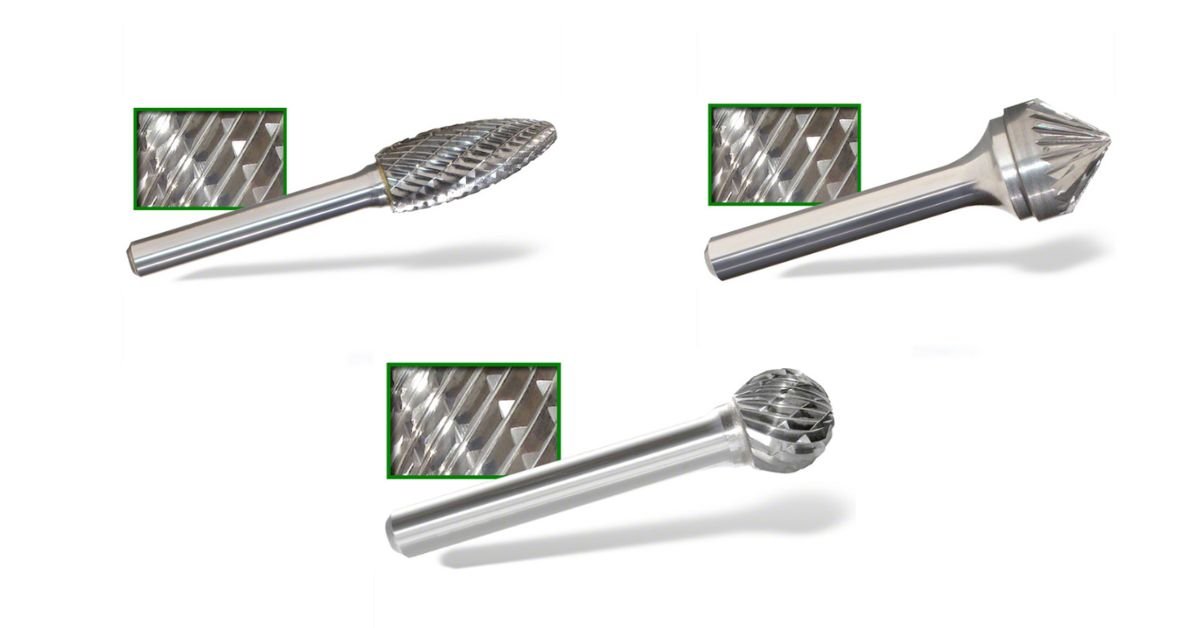
Good attachments fit your rotary tool well and last a long time. Choose parts made from strong materials like steel or carbide. They cut, grind, and sand better without wearing out fast.
Look for attachments that match the jobs you do most. Some tools need special bits for different materials like wood, metal, or plastic.
- Pick attachments from trusted brands
- Check the size matches your rotary tool
- Use the right bit for the material
- Replace worn attachments to keep safety
When To Replace Parts
Parts wear out after use. Replace them to keep the tool working well. Dull bits or cracked accessories can damage your work or cause injury.
Check your tool often. Look for signs like strange noises, less power, or loose parts. Change worn brushes, bits, and cords to avoid problems.
- Replace sanding drums when sanding is uneven
- Change cutting wheels at first signs of cracks
- Swap out brushes after many hours of use
- Check power cords for cuts or damage
Enhancing Functionality
Add accessories to do more jobs with one tool. You can add attachments for polishing, engraving, or drilling. This saves money and space in your toolbox.
Use speed control or guide attachments to improve your work. These extras help you get better results and work safely.
- Use polishing pads for smooth finishes
- Add drill bits for small holes
- Try engraving tips for detailed designs
- Attach guides for straight cuts
- Use speed controls for different materials

Credit: ahmadtools.com
Frequently Asked Questions
How Do I Clean A Rotary Tool Properly?
To clean a rotary tool, first unplug it for safety. Use a soft brush to remove dust and debris from vents and attachments. For stubborn grime, use a slightly damp cloth. Ensure the tool is completely dry before plugging it back in.
Regular cleaning prolongs the tool’s lifespan.
How Often Should I Lubricate My Rotary Tool?
Lubricate your rotary tool once every few months, or after every 10-20 hours of use. Apply a few drops of lightweight machine oil to the bearings and moving parts. Proper lubrication reduces friction, prevents overheating, and ensures smooth operation, enhancing the tool’s longevity and performance.
What Are Common Rotary Tool Maintenance Tasks?
Common rotary tool maintenance tasks include cleaning, lubricating, and checking the power cord for damage. Regularly inspect attachments for wear and replace them as needed. Ensure all moving parts are functioning smoothly. Keeping up with these tasks ensures optimal performance and extends the tool’s lifespan.
How To Safely Store A Rotary Tool?
Store your rotary tool in a cool, dry place, away from dust and moisture. Use a protective case or box to prevent damage. Ensure all attachments are securely stored and unplug the tool before storing. Proper storage prevents rust and ensures the tool is ready for future use.
Conclusion
Maintaining your rotary tool keeps it working well and lasting long. Clean it often to avoid dust build-up. Check the parts for wear and replace them when needed. Use the right accessories and store the tool safely. Small steps make a big difference in performance.
A well-kept rotary tool saves time and effort in your projects. Keep these tips in mind to enjoy smooth and safe operation every time. Simple care leads to great results.